The intersection of traditional Japanese cultural values with modern sharehouse living creates a fascinating dynamic that profoundly influences daily experiences for both domestic and international residents. Traditional preferences, deeply rooted in centuries of Japanese social customs, continue to shape expectations around cleanliness, respect, communication styles, and community harmony within contemporary shared living spaces. Understanding these cultural underpinnings becomes essential for anyone seeking to navigate the complex social landscape of Tokyo’s diverse sharehouse communities.
Modern sharehouses in Japan exist as unique cultural laboratories where ancient social norms encounter contemporary international lifestyles, creating opportunities for both enriching cultural exchange and potential misunderstandings. The way traditional preferences manifest in everyday interactions, from morning bathroom routines to evening social gatherings, can either enhance community cohesion or create unexpected friction that challenges residents’ adaptability and cultural sensitivity.
The Foundation of Japanese Traditional Living Values
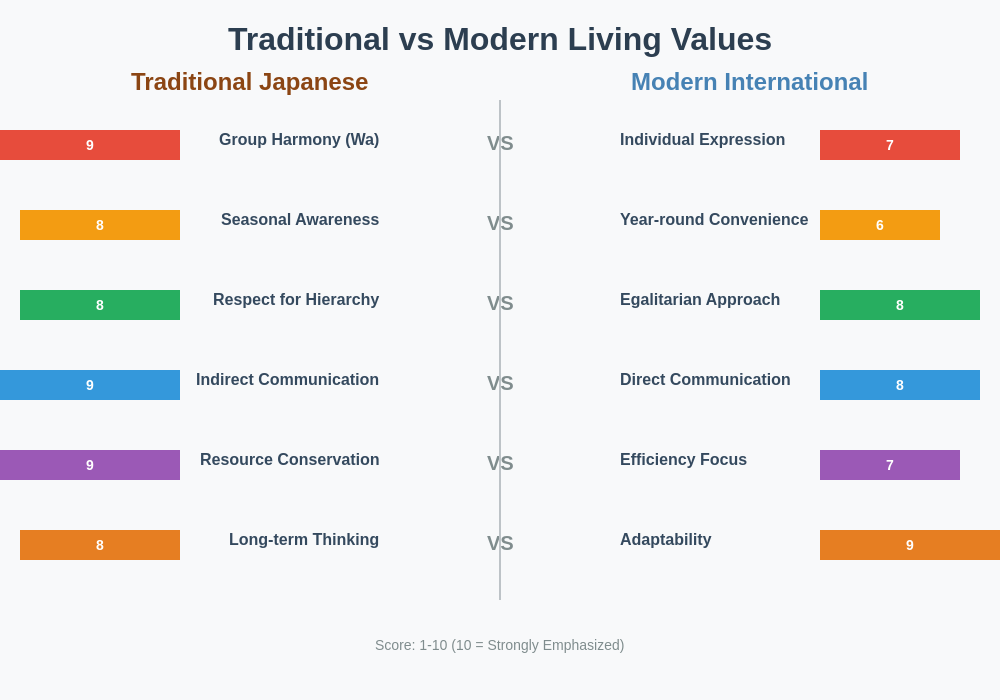
Japanese traditional living philosophy emphasizes harmony, respect, and collective responsibility, principles that originated from centuries of close-quarters living in extended family compounds and village communities. These foundational values prioritize group welfare over individual convenience, creating expectations that every household member contributes to maintaining peaceful coexistence through mindful behavior and consideration for others’ needs and comfort.
The concept of “wa” or harmony permeates traditional Japanese living arrangements, influencing everything from noise levels and cleaning responsibilities to conflict resolution approaches and decision-making processes. Living with Japanese roommates in Tokyo sharehouses offers insights into how these traditional values manifest in contemporary shared living situations, particularly in houses with significant Japanese resident populations.
Traditional Japanese homes emphasized seasonal awareness, minimalism, and respect for shared spaces, values that continue to influence modern sharehouse design and resident expectations. The traditional practice of removing shoes, maintaining immaculate common areas, and observing seasonal customs creates frameworks that many sharehouses either explicitly adopt or implicitly expect from their residents.
Communication Styles and Social Hierarchies
Traditional Japanese communication patterns emphasize indirect expression, reading context and atmosphere rather than relying on explicit verbal communication, creating potential challenges in multicultural sharehouse environments where direct communication styles predominate. The traditional concept of “kuuki wo yomu” or reading the atmosphere becomes particularly relevant in shared living situations where subtle social cues indicate preferences, concerns, or boundaries that may not be verbally expressed.
Age-based respect hierarchies, deeply embedded in traditional Japanese social structures, continue to influence sharehouse dynamics even in ostensibly egalitarian international communities. How age differences impact sharehouse compatibility explores how traditional senpai-kohai relationships affect daily interactions, decision-making processes, and social dynamics within diverse living communities.
The traditional preference for consensus-building and avoiding direct confrontation can create challenges when addressing household issues that require immediate resolution or clear boundary-setting. Understanding how traditional communication styles interact with international residents’ more direct approaches becomes crucial for maintaining household harmony and preventing misunderstandings that could escalate into serious conflicts.
Traditional gift-giving customs, seasonal greetings, and formal acknowledgment of favors continue to play important roles in sharehouse social dynamics, particularly in houses with significant Japanese resident populations. These customs create opportunities for cultural learning while potentially creating anxiety for international residents unfamiliar with appropriate responses and reciprocal behaviors.
Cleanliness Standards and Space Maintenance
Japanese traditional cleanliness standards extend far beyond basic hygiene to encompass spiritual and aesthetic dimensions that view clean, organized spaces as essential for mental clarity and social harmony. These elevated standards, rooted in Shinto purification concepts and Buddhist mindfulness practices, often exceed international residents’ initial expectations and require significant adjustment in personal habits and space usage patterns.
Kitchen politics actually work in Japanese sharehouses reveals how traditional cleanliness expectations influence cooking, cleaning, and food storage practices in ways that can surprise international residents accustomed to more relaxed shared kitchen environments. The traditional Japanese approach to kitchen maintenance emphasizes immediate cleaning, careful organization, and prevention of lingering odors that might affect other residents.
Traditional preferences for seasonal deep cleaning, particularly the intensive “osoji” end-of-year cleaning, can create periods of heightened activity and expectation that may require advance planning and coordinated effort from all residents. These seasonal practices serve both practical and symbolic purposes, marking transitions and reinforcing community bonds through shared labor and achievement.
The traditional Japanese bathroom culture, with its emphasis on thorough cleaning before bathing and meticulous maintenance of shared facilities, often requires significant adjustment for international residents unfamiliar with these protocols. Bathroom cleanliness affects health examines how traditional Japanese bathroom practices contribute to overall household hygiene and social harmony.
Food Culture and Dietary Practices
Traditional Japanese food culture emphasizes seasonality, presentation, and mindful consumption practices that influence shared kitchen dynamics and meal planning in significant ways. The traditional preference for fresh, seasonal ingredients and careful preparation methods can create elevated expectations around food quality, storage practices, and cooking techniques that international residents may find challenging to meet consistently.
How traditional cooking methods clash explores the practical challenges that arise when traditional Japanese cooking practices, with their emphasis on specific equipment, ingredients, and preparation methods, intersect with international residents’ diverse culinary traditions and preferences.
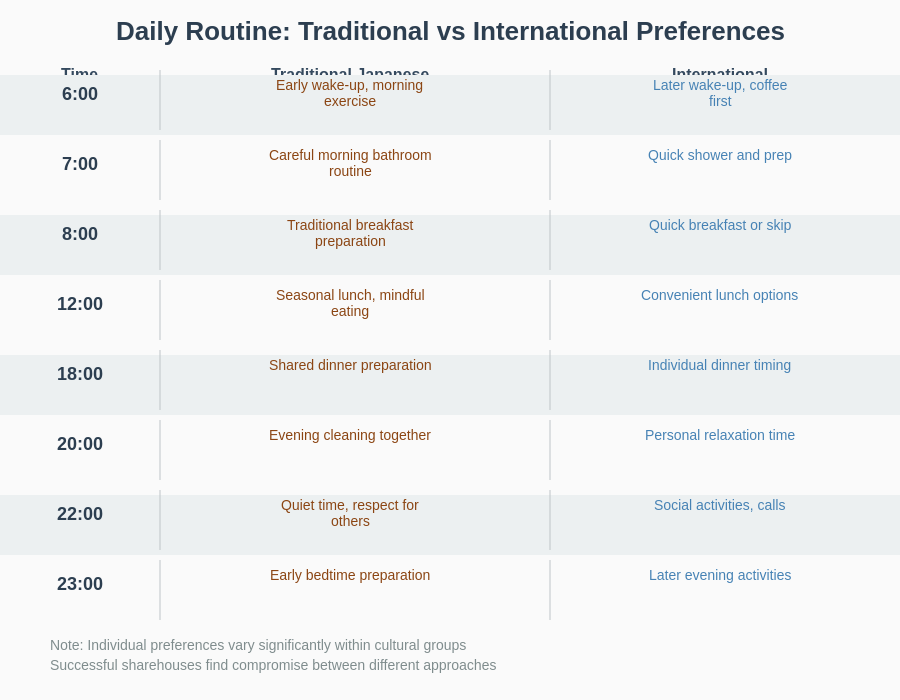
Traditional Japanese meal timing, portion sizes, and eating customs can influence household schedules and kitchen usage patterns in ways that require coordination and mutual accommodation. The traditional practice of eating together when possible, sharing dishes, and observing proper meal etiquette creates opportunities for cultural exchange while potentially creating pressure for residents unfamiliar with these customs.
Traditional preferences for certain types of ingredients, cooking methods, and flavor profiles can influence shared shopping decisions, refrigerator organization, and cooking equipment selection in ways that benefit some residents while potentially limiting others’ culinary options and preferences.
Privacy Concepts and Personal Space
Traditional Japanese concepts of privacy differ significantly from Western individualistic approaches, emphasizing collective consideration and subtle boundary maintenance rather than explicit personal space claims. These traditional approaches to privacy can create confusion in international sharehouse environments where residents may have different expectations about personal belongings, room access, and social interaction boundaries.
The traditional Japanese practice of maintaining harmony through restraint and consideration can lead to situations where residents avoid expressing personal needs or preferences to prevent disrupting group dynamics. Why personal space boundaries are constantly tested examines how different cultural approaches to privacy and personal space can create ongoing tension requiring careful navigation and clear communication.
Traditional preferences for indirect boundary-setting and conflict avoidance can result in unresolved issues that gradually build tension within household communities. Understanding how to recognize and address these subtle indicators becomes essential for maintaining positive relationships and preventing minor disagreements from escalating into serious conflicts.
Seasonal Awareness and Environmental Harmony
Traditional Japanese culture’s deep connection to seasonal changes influences sharehouse living through expectations around clothing storage, decoration, food choices, and activity patterns that follow natural rhythms and cultural celebrations. These seasonal preferences create opportunities for cultural learning and community building while requiring adaptation and participation from international residents who may be unfamiliar with these customs.
How seasonal demand affects sharehouse prices reveals how traditional seasonal patterns continue to influence modern housing markets and resident turnover, creating predictable cycles that affect community stability and social dynamics throughout the year.
Traditional seasonal gift-giving, cleaning practices, and celebration customs can create periods of increased social activity and expectation that require participation and understanding from all residents. These seasonal traditions serve important community-building functions while potentially creating financial and time pressures for residents unfamiliar with appropriate participation levels.
Work-Life Balance and Social Expectations
Traditional Japanese approaches to work-life balance, with their emphasis on group commitment, hierarchical respect, and long-term thinking, can influence sharehouse social dynamics and resident availability for community activities and household responsibilities. How shift work schedules affect roommate relations explores how traditional work culture expectations intersect with modern sharehouse living arrangements.
Traditional preferences for group consensus and collective decision-making can create lengthy discussion processes around household issues that some international residents may find inefficient or unnecessarily complicated. Understanding how to participate constructively in these traditional decision-making approaches becomes important for maintaining good relationships and achieving desired outcomes.
The traditional Japanese concept of long-term relationship building, which prioritizes gradual trust development over immediate intimacy, can influence the pace and style of friendship formation within sharehouse communities. Building real friendships takes longer than expected examines how traditional relationship approaches affect international residents’ social integration and community belonging.
Technology Integration and Modern Adaptations
Traditional Japanese preferences for face-to-face communication and physical presence continue to influence how technology gets integrated into sharehouse communities, creating interesting tensions between efficiency and relationship maintenance. The traditional emphasis on reading subtle social cues and maintaining harmony can make digital communication challenging for resolving household issues or coordinating activities effectively.
Traditional preferences for consensus-building and group input can slow adoption of new technologies or household systems that might improve efficiency but require unanimous agreement or significant behavior changes from all residents. How smart home features change daily routines explores how traditional decision-making processes affect technology adoption in shared living environments.
The traditional Japanese appreciation for craftsmanship, quality, and longevity can influence preferences around household equipment, furniture, and technology choices that prioritize durability and aesthetic appeal over cost efficiency or cutting-edge features. These preferences can create higher-quality living environments while potentially increasing costs and limiting rapid adaptation to new technologies.
Gender Roles and Contemporary Adaptations
Traditional Japanese gender role expectations continue to influence sharehouse dynamics and household responsibility distribution, even in international communities that explicitly embrace gender equality. These traditional patterns can create subtle expectations around cooking, cleaning, and social coordination responsibilities that may not align with contemporary egalitarian principles or international residents’ cultural backgrounds.
How gender policies are legally enforced examines how traditional gender considerations interact with modern legal frameworks and international community standards in contemporary sharehouse environments.
Traditional preferences for gender-specific spaces, activities, and social interactions can influence house design, activity planning, and social group formation in ways that either enhance comfort and cultural authenticity or create limitations and exclusions for residents seeking more integrated community experiences.
Conflict Resolution and Harmony Maintenance
Traditional Japanese conflict resolution approaches emphasize face-saving, mediation, and gradual consensus-building rather than direct confrontation or immediate problem-solving, creating unique challenges in multicultural sharehouse environments where diverse conflict resolution styles may clash. How to handle roommate conflicts without moving out provides strategies for navigating these different approaches effectively.
The traditional preference for maintaining surface harmony while addressing underlying issues indirectly can create situations where problems persist longer than necessary and resolution requires patience and cultural sensitivity from all parties involved. Understanding how to recognize when traditional approaches are being employed and how to participate constructively becomes essential for successful community living.
Traditional mediation practices, which often involve respected community members or neutral parties helping facilitate resolution, can provide effective frameworks for addressing serious household conflicts while maintaining relationships and community cohesion throughout the process.
Economic Values and Resource Sharing
Traditional Japanese economic values emphasizing thrift, resource conservation, and group benefit over individual convenience continue to influence sharehouse communities through expectations around utilities usage, shared purchases, and waste reduction practices. How group buying power reduces individual costs explores how traditional collective economic approaches benefit modern sharehouse residents.
Traditional preferences for quality over quantity and long-term value over immediate savings can influence household purchasing decisions, equipment selection, and maintenance practices in ways that create higher-quality living environments while requiring larger initial investments and more careful resource management.
The traditional Japanese concept of “mottainai” or avoiding waste can create powerful frameworks for resource sharing, recycling, and sustainable living practices that benefit both individual residents and the broader community while requiring coordination and commitment from all household members.
Future Evolution and Cultural Integration
The ongoing evolution of traditional preferences within modern sharehouse environments creates opportunities for innovative cultural integration that honors traditional values while embracing international diversity and contemporary living needs. How cultural adaptation happens gradually examines how these adaptations develop over time through daily interactions and mutual learning.
Future sharehouse communities will likely develop hybrid approaches that incorporate traditional Japanese wisdom around harmony, respect, and collective responsibility while adapting to international residents’ diverse cultural backgrounds and contemporary lifestyle needs. These evolving communities represent laboratories for cross-cultural innovation and mutual understanding.
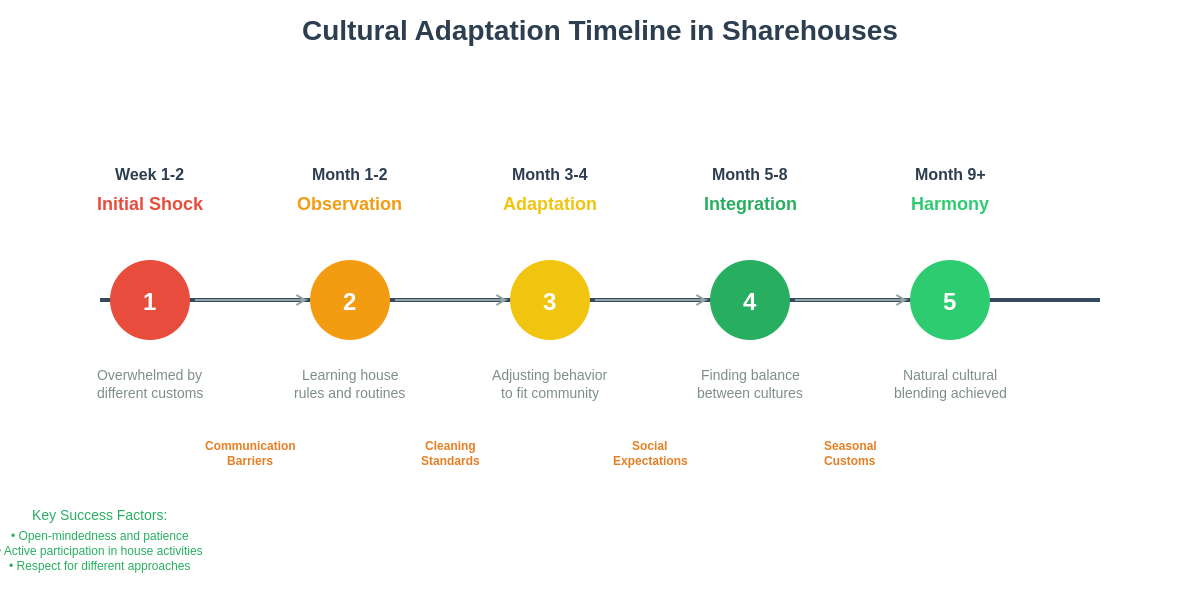
The successful integration of traditional preferences with modern international living requires ongoing commitment to cultural learning, mutual respect, and creative problem-solving from all community members. This integration process creates opportunities for personal growth, cultural enrichment, and the development of new social models that honor diversity while maintaining community cohesion.
Understanding and respecting traditional preferences while contributing your own cultural perspectives creates the foundation for thriving multicultural sharehouse communities that benefit all residents through expanded worldviews, enhanced cultural sensitivity, and the development of global citizenship skills that extend far beyond the sharehouse experience itself.
Disclaimer
This article is for informational purposes only and does not constitute professional cultural or social advice. Cultural practices and preferences vary significantly among individuals regardless of their cultural background. Readers should approach cultural differences with respect and openness while recognizing that generalizations about any cultural group may not apply to specific individuals. The effectiveness of cultural adaptation strategies may vary depending on individual circumstances, specific sharehouse communities, and regional differences.