The advertised monthly rent for Tokyo sharehouses represents only the tip of the iceberg when it comes to your actual living expenses, with additional fees often adding thousands of yen to your monthly budget in ways that can catch unprepared residents completely off guard. Understanding these fees goes beyond simply knowing they exist; it requires comprehending what services they actually provide, when they apply, and most importantly, how they can fluctuate throughout your residency based on usage patterns, seasonal changes, and house management policies.
The complexity of Japanese rental fee structures, combined with language barriers and cultural differences in service expectations, creates a perfect storm for financial surprises that can strain budgets and create frustration among international residents. This comprehensive examination will decode each type of additional fee, explain their practical implications, and provide strategies for accurately predicting and managing these costs throughout your sharehouse experience.
Utility Bills and Energy Consumption Reality
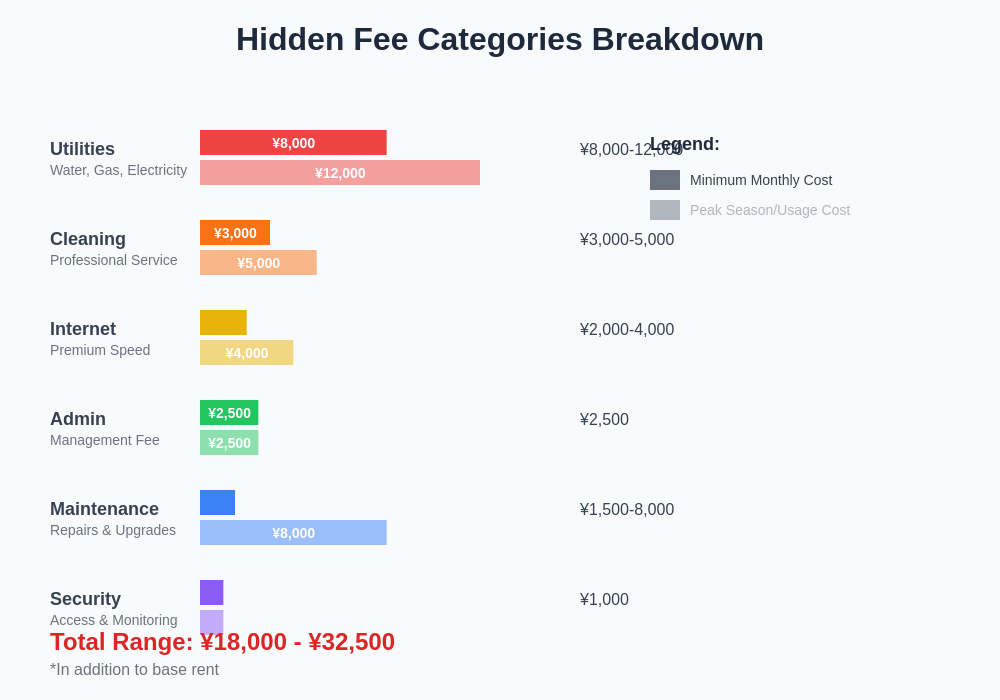
Utility fees in Tokyo sharehouses operate under various billing systems that can dramatically affect your monthly expenses depending on house policies, seasonal usage patterns, and the efficiency of building infrastructure. Understanding utility bills in Japanese sharehouses becomes crucial for budgeting accurately, as these costs can vary from fixed monthly charges to complex usage-based calculations that fluctuate dramatically throughout the year.
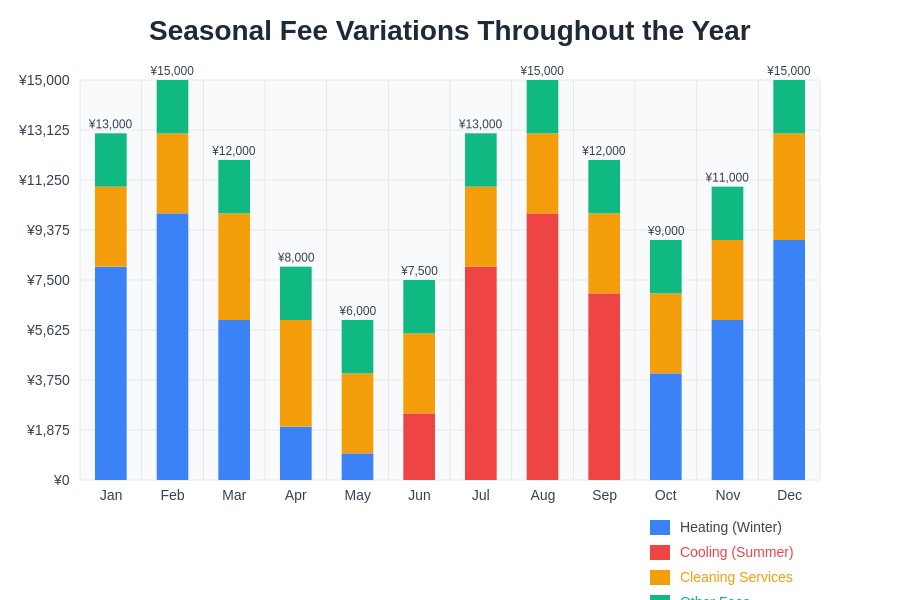
The most common utility billing approach involves splitting total house consumption among residents, which means your individual bill depends heavily on the energy consumption habits of your housemates rather than solely your personal usage. During summer months, air conditioning costs can triple the basic utility allocation, while winter heating expenses create similar spikes that many newcomers fail to anticipate when establishing their monthly budgets.
Water heating systems, particularly in older buildings, often consume significant energy regardless of individual usage patterns, creating base costs that remain constant throughout your residency. Some sharehouses include utilities in the advertised rent, but these arrangements typically assume average consumption levels and may trigger additional charges during peak usage seasons or when house-wide consumption exceeds predetermined thresholds.
Internet and communication services represent another layer of utility complexity, with some houses providing unlimited high-speed access while others implement data caps, bandwidth throttling, or premium upgrade options that can significantly impact your monthly technology costs. The quality and reliability of included internet service often determines whether you need to supplement with personal mobile data plans or upgraded service packages.
Cleaning and Maintenance Fee Structures
Professional cleaning services and maintenance fees in sharehouses encompass far more than basic tidying, covering everything from deep sanitization and pest control to equipment repairs and common area renovations that maintain property standards and resident satisfaction levels. How cleaning responsibilities create house drama illustrates why many properties opt for professional services despite the additional costs to residents.
Weekly or bi-weekly cleaning services typically focus on common areas, bathrooms, and kitchens, but the scope and quality of service varies dramatically between properties and service providers. Some houses include basic cleaning in monthly fees while charging separately for deep cleaning, carpet shampooing, or specialized sanitization services that become necessary during illness outbreaks or seasonal allergen periods.
Maintenance fees often operate as reserve funds for unexpected repairs, appliance replacements, and infrastructure improvements that benefit all residents. These charges may appear minimal monthly but can trigger special assessments when major repairs become necessary, such as heating system failures, plumbing emergencies, or electrical upgrades required for safety compliance.
Equipment replacement and upgrade costs sometimes fall to residents through shared expense allocations, particularly for high-usage items like washing machines, dryers, and kitchen appliances that wear out faster in shared environments. Understanding which maintenance costs are covered by standard fees versus those that trigger additional charges helps prevent budget surprises during your residency.
Administrative and Service Charges
Administrative fees encompass a wide range of services that support daily operations, resident communication, and property management functions that extend well beyond basic accommodation provision. These charges often include 24-hour support hotlines, multilingual assistance, package handling services, and resident mediation that international residents particularly value but may not fully appreciate until they need these services.
Key management and security services represent significant operational costs that include lock changes, access card programming, security system monitoring, and emergency response coordination. Smart locks change sharehouse security explains how modern security systems increase both convenience and operational costs that ultimately affect resident fees.
Document processing and translation services for international residents often justify higher administrative fees, covering visa verification, employment confirmation, emergency contact coordination, and communication with guarantors or embassy officials when necessary. These services become invaluable during visa renewals, employment changes, or emergency situations but represent ongoing costs whether you use them or not.
Community event coordination, welcome programs for new residents, and cultural integration support create additional value for many international residents but require staffing and resource allocation that contributes to overall administrative expense structures. The quality and availability of these services often correlates directly with administrative fee levels across different sharehouse operators.
Seasonal and Variable Cost Fluctuations
Heating and cooling expenses in Tokyo create dramatic seasonal variations that can double or triple utility-related fees during extreme weather periods, particularly affecting residents who are unprepared for the intensity of Japanese summers and winters. How summer heat makes small rooms unbearable demonstrates how climate control becomes a survival necessity rather than a comfort preference.
Peak season pricing affects more than just climate control, extending to increased demand for services like cleaning, maintenance, and even internet bandwidth as residents spend more time indoors during weather extremes. Some sharehouses implement seasonal fee adjustments that automatically increase charges during high-consumption months, while others maintain fixed fees but implement usage caps or rationing systems.
Holiday periods often trigger special cleaning fees, extended service hours, and additional security measures that create temporary cost increases even when advertised as “included” services. New Year cleaning traditions, spring deep cleaning, and pre-summer preparation work represents cultural expectations that translate into additional service costs.
Emergency repair and replacement costs spike during seasonal transitions when heating and cooling systems face maximum stress, plumbing freezes during cold snaps, and electrical systems overload during peak usage periods. Understanding which emergency costs are covered by standard fees versus those that trigger special assessments helps residents prepare for unexpected expenses.
Hidden Costs in Service Inclusions
Package delivery and handling services often include basic reception and storage but charge extra for oversized items, international shipments, fragile goods requiring special care, or extended storage beyond standard holding periods. How online shopping deliveries overwhelm entryways shows how modern shopping habits create unexpected service demands and costs.
Kitchen equipment maintenance and replacement represents a significant hidden cost category, as shared cooking facilities experience accelerated wear and frequent damage that requires ongoing attention and periodic replacement. Premium appliances, specialized cooking equipment, and safety upgrades often trigger additional fees when replacement becomes necessary due to damage or end-of-life requirements.
Common area furnishing and decoration costs may be shared among residents when items require replacement, upgrading, or seasonal changes that maintain property appeal and functionality. Entertainment systems, furniture, lighting, and safety equipment represent ongoing expenses that contribute to monthly fee calculations even when not explicitly itemized.
Insurance and liability coverage extends beyond basic property protection to include resident belongings, personal injury coverage, and damage liability that protects both residents and property operators. Understanding what insurance coverage is included versus what requires personal supplementation helps avoid gaps that could create significant financial exposure during incidents.
Move-in and Setup Fee Breakdown
Initial setup fees encompass far more than basic key provision, covering everything from room preparation and utility connection to service activation and welcome package provision that facilitates smooth transition into shared living environments. What moving out really costs in Tokyo sharehouses provides insights that apply equally to move-in preparation and associated costs.
Security deposit calculations often include multiple risk factors beyond basic damage coverage, encompassing utility payment guarantees, cleaning cost reserves, and potential legal fee coverage that protects property operators from various resident-related financial risks. Understanding how deposits are calculated and what triggers their use helps residents protect their financial interests throughout their tenancy.
Key money and administrative setup charges represent cultural rental practices that provide immediate revenue to property operators while covering various setup costs, welcome services, and administrative processing that supports new resident integration. These payments rarely provide direct resident benefits but represent market expectations that affect overall rental cost structures.
Documentation and verification services for international residents often trigger additional setup fees covering employment verification, visa status confirmation, emergency contact coordination, and guarantor arrangement facilitation. These services become essential for residents without established Japanese credit history or local connections but represent significant upfront costs that may not be apparent during initial property research.
Technology and Communication Upgrades
Premium internet packages, upgraded bandwidth allocations, and specialized connectivity options often require additional monthly fees even when basic internet access is included in standard rental packages. How remote work equipment affects space usage demonstrates how modern work requirements can necessitate communication upgrades that affect monthly budgets.
Smart home features, mobile app access, and digital service integration represent growing cost categories as sharehouses modernize their service offerings to compete for tech-savvy international residents. These features often require subscription services, maintenance contracts, and periodic upgrades that contribute to monthly fee calculations.
Entertainment system access, streaming service subscriptions, and premium content packages may be shared among residents but typically require cost allocation that appears as additional monthly charges. Understanding which digital services are included versus those that require separate payment helps residents budget accurately for their entertainment and communication needs.
Security system monitoring, access control management, and emergency response coordination increasingly rely on technology solutions that require ongoing service contracts and system maintenance that contributes to monthly operational costs passed along to residents through various fee structures.
Comparative Analysis Across Property Types
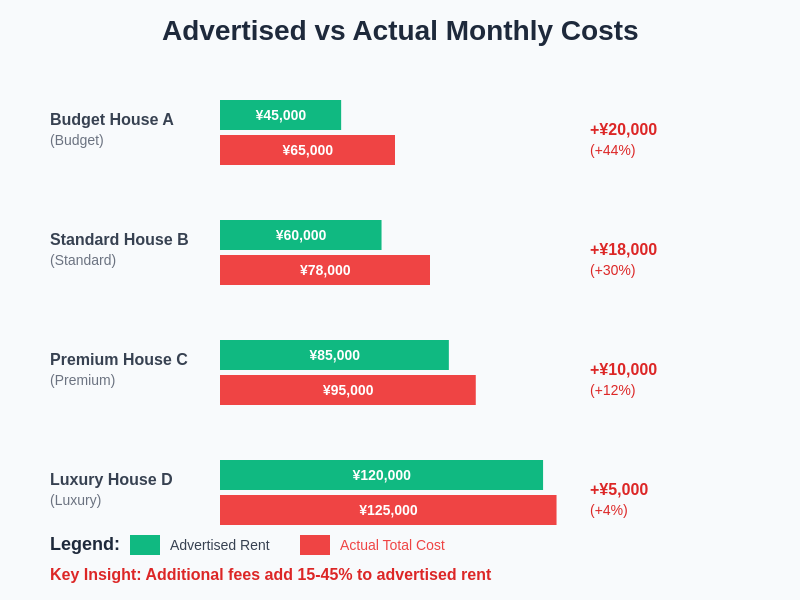
Luxury sharehouses typically bundle more services into base rent but often charge premium rates for upgrades, priority access, and specialized services that target high-income international professionals and students. Understanding the value proposition of included services versus additional fee options helps residents evaluate whether premium properties provide actual cost advantages.
Budget-focused properties often minimize base rent by charging separately for most services, creating fee structures that can actually exceed luxury property costs when residents require full service access. Cheaper sharehouse options in Tokyo suburbs explores how location affects both base pricing and additional fee structures.
Corporate-managed properties versus independent operators often show dramatic differences in fee transparency, service quality, and cost predictability that affect long-term budget planning and resident satisfaction. Large operators may offer more standardized pricing but often include fees for services that smaller operators provide at no charge or through informal arrangements.
International-focused sharehouses frequently charge higher fees but provide services specifically valuable to foreign residents, including English-language support, cultural orientation, visa assistance, and emergency coordination that may justify premium pricing for residents who value these specialized services.
Fee Negotiation and Reduction Strategies
Long-term residency commitments often unlock fee reductions, service upgrades, or bundled pricing that can significantly reduce monthly costs for residents planning extended stays. Understanding which fees are negotiable versus fixed costs helps residents optimize their financial arrangements while maintaining good relationships with property management.
Group payment arrangements and resident cooperation can sometimes reduce shared costs through bulk purchasing, coordinated service scheduling, or collective bargaining for upgraded services that benefit all house members. How group buying power reduces individual costs provides strategies for residents to work together in managing additional fees.
Service opt-out provisions may exist for residents who prefer to handle certain services independently, such as cleaning, package handling, or utility management, potentially reducing monthly fees in exchange for increased personal responsibility. Understanding which services can be declined helps residents customize their fee structure to match their preferences and capabilities.
Seasonal payment planning and advance fee payment sometimes unlock discounts or preferred pricing that helps residents manage cash flow while reducing total annual costs. Working with property management to understand payment flexibility options can help residents optimize their financial arrangements throughout their residency period.
The landscape of additional fees in Tokyo sharehouses reflects the complex intersection of Japanese rental culture, international resident needs, and modern service expectations that create both opportunities and challenges for budget-conscious residents. Success in managing these costs requires proactive planning, clear communication with property management, and realistic expectations about the true cost of convenient, well-managed shared living environments in one of the world’s most expensive cities.
Disclaimer
This article is for informational purposes only and does not constitute professional financial advice. Fee structures and policies vary significantly between sharehouse operators and can change without notice. Readers should carefully review all fee schedules and service agreements before committing to any rental arrangement. The effectiveness of cost management strategies may vary depending on individual circumstances, property policies, and market conditions.