Navigating the documentation requirements for Tokyo sharehouse applications represents one of the most crucial yet often overlooked aspects of securing quality accommodation in Japan’s capital city. The complexity of Japanese bureaucracy, combined with varying requirements across different operators and properties, creates a challenging landscape that demands thorough preparation and understanding of each document’s specific purpose and acceptance criteria.
The documentation process extends far beyond simple identity verification, encompassing financial stability proof, legal residency status confirmation, and character references that collectively paint a comprehensive picture of your reliability as a potential resident. Understanding these requirements and preparing documents proactively can dramatically improve your application success rate while reducing processing delays that could cost you preferred accommodation options in Tokyo’s competitive housing market.
Essential Identity and Legal Status Documentation
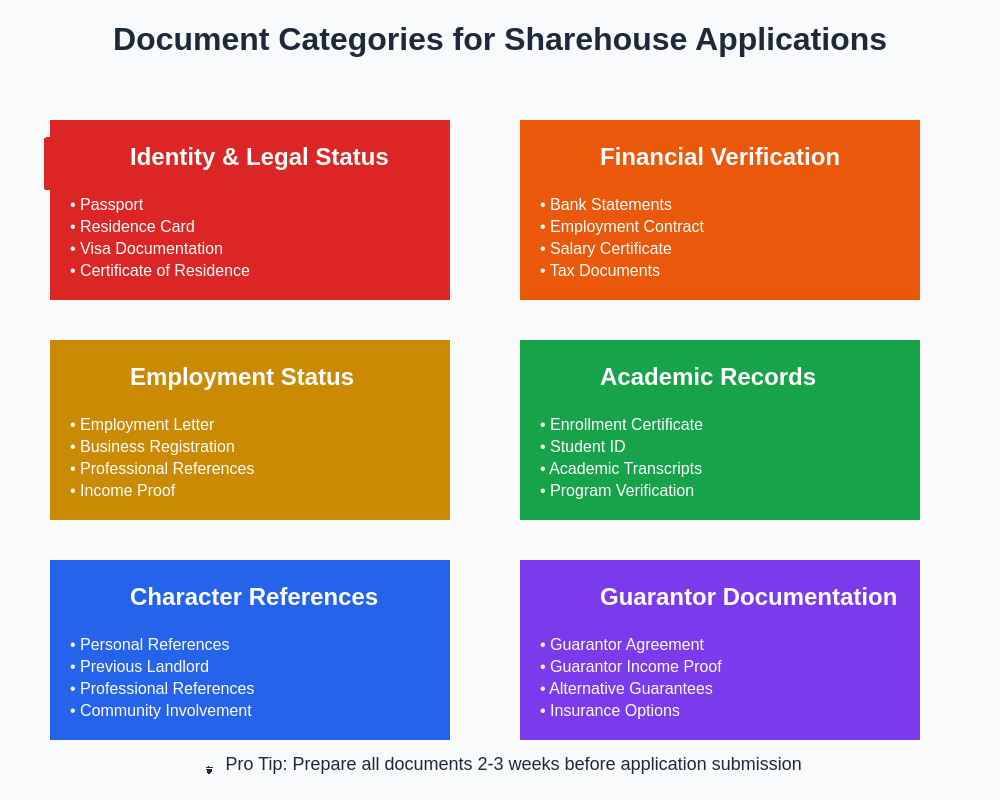
The foundation of any sharehouse application begins with proper identification and legal residency documentation that establishes your right to reside in Japan and rent residential property. Your passport serves as the primary identification document, requiring clear, legible copies of all relevant pages including personal information, visa stamps, and current visa status indicators that demonstrate ongoing legal presence in the country.
Residence card documentation plays an equally critical role, particularly for foreign nationals who have established longer-term legal status in Japan. How visa status affects your sharehouse application provides detailed insights into how different visa categories influence application evaluation and approval likelihood across various property operators and management companies.
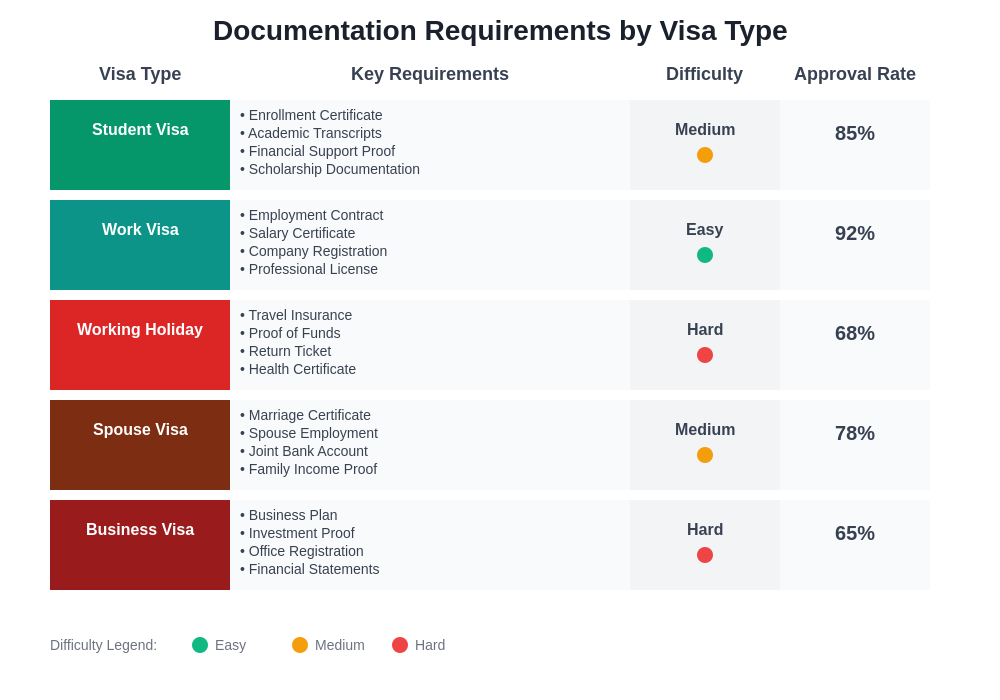
Current visa documentation must demonstrate sufficient remaining validity to cover your intended lease period, with most operators requiring at least six months of remaining visa time at application submission. Student visas, work visas, working holiday visas, and spouse visas each carry different perceived stability levels that can significantly impact application approval rates and required additional documentation.
Certificate of residence registration, obtained from your local ward office, provides official confirmation of your registered address in Japan and demonstrates compliance with legal residence registration requirements that all foreign residents must maintain. This document often requires recent issuance, typically within three months of application submission, to ensure accuracy of current residence status.
Financial Verification and Income Documentation
Financial documentation represents the most scrutinized aspect of sharehouse applications, requiring comprehensive proof of income stability, bank account balances, and payment capacity that extends throughout your intended residency period. Employment documentation must clearly demonstrate your current job status, monthly income levels, and employment stability through contracts, salary certificates, or official employment verification letters from your employer.
Bank statements typically require three to six months of transaction history that demonstrates consistent income deposits, responsible spending patterns, and sufficient account balances to cover security deposits, advance rent payments, and ongoing monthly obligations. Living costs in Tokyo sharehouses explained helps establish realistic income requirements relative to typical sharehouse expenses and associated living costs.
International bank accounts may require additional verification steps including apostilled bank letters, translated statements, or certified copies that comply with Japanese financial verification standards. Currency conversion documentation and international transfer capabilities often need demonstration to ensure reliable monthly payment processing for ongoing rent and utility obligations.
Student applicants typically face different financial requirements, often needing parental guarantor documentation, scholarship verification letters, or proof of educational funding that demonstrates adequate financial support throughout their study period. Student sharehouses near top Tokyo universities explores specific financial requirements that commonly apply to academic residents seeking sharehouse accommodation.
Employment and Professional Status Verification
Employment verification extends beyond simple income documentation to include detailed professional status confirmation that helps operators assess long-term residency stability and payment reliability. Official employment contracts must clearly specify position details, salary information, employment duration, and any probationary periods that could affect income stability during the initial lease period.
Company registration documentation and business verification may be required for self-employed applicants or entrepreneurs, including business registration certificates, tax filing records, and professional license documentation that demonstrates legitimate business operations and income generation capability. Freelance workers often face additional scrutiny requiring client contract documentation and income averaging calculations over extended periods.
Professional references from current or previous employers can significantly strengthen applications, particularly when provided on official company letterhead with direct contact information for verification purposes. How career changes affect sharehouse eligibility examines how employment transitions and job changes influence application evaluation and approval processes.
Letter of recommendation from supervisors or colleagues can provide additional credibility, particularly for applicants in competitive fields or those with unique employment arrangements that may not fit standard verification categories. Industry-specific documentation requirements may apply for certain professional fields, including medical licenses, teaching certifications, or specialized professional credentials.
Guarantor Requirements and Alternative Arrangements
Japanese rental markets traditionally rely heavily on guarantor systems that require Japanese nationals or long-term residents to accept financial responsibility for tenant obligations in case of default or damage. Personal guarantors must provide their own comprehensive documentation including income verification, employment status, and willingness to accept legal liability for your rental obligations throughout the lease period.
Corporate guarantor services have emerged as alternatives for international residents who lack personal Japanese guarantors, offering professional guarantee services for monthly fees that typically range from two to four percent of monthly rent. Japanese sharehouse rules every foreigner should know covers guarantor expectations and alternatives available to international residents.
Guarantor documentation requirements mirror primary applicant standards, including income verification, employment status confirmation, and residence verification that demonstrates the guarantor’s capacity to fulfill financial obligations if necessary. Some operators accept parent company guarantees for employees of established international corporations with Japanese subsidiaries.
Alternative guarantee arrangements may include larger security deposits, advance rent payments, or specialized insurance products that provide operator protection without requiring individual guarantors. These options often come with additional costs but can significantly simplify application processes for international residents.
Academic and Educational Documentation
Student applicants must provide comprehensive educational documentation that verifies enrollment status, academic program details, and expected graduation timelines that influence lease duration and housing stability assessments. Official enrollment certificates from recognized educational institutions must clearly specify program length, academic status, and any scholarship or funding arrangements.
Language school students face particular scrutiny due to shorter program durations and variable academic schedules that may affect long-term housing commitments. Documentation must demonstrate sufficient program duration to justify lease periods and provide evidence of continued enrollment throughout intended residency periods.
University transcripts and academic performance records may be requested for certain properties or operators, particularly those catering specifically to academic communities or offering study-focused living environments. Academic references from professors or academic advisors can strengthen applications and provide additional character verification.
Study abroad program documentation requires coordination between home institutions and Japanese educational partners, often necessitating official program verification letters and academic exchange agreements that confirm legitimate educational purposes for residency in Japan.
Character References and Personal Recommendations
Character reference documentation provides operators with insights into applicant reliability, social compatibility, and potential contribution to sharehouse community dynamics. Professional references should come from supervisors, colleagues, or business associates who can speak to your reliability, responsibility, and interpersonal skills relevant to shared living environments.
Personal references from previous landlords or housing providers carry particular weight, especially when they can verify punctual rent payments, property care, and positive relationships with neighbors or housemates. Real stories from Tokyo sharehouse residents illustrates the importance of positive housing history in application evaluation processes.
Academic references from professors, research supervisors, or academic advisors can substitute for employment references for student applicants, providing verification of character, responsibility, and academic commitment that translates to housing reliability expectations.
Community involvement documentation, including volunteer work, cultural organization participation, or professional association memberships, can demonstrate social integration commitment and cultural sensitivity that operators value in international residents seeking to join established house communities.
Specialized Documentation for Different Visa Categories
Working holiday visa holders face unique documentation requirements due to the temporary nature of their residence status and variable employment arrangements. Documentation must demonstrate sufficient funds for entire visa periods, travel insurance coverage, and realistic employment prospects that support ongoing rent payments throughout residency periods.
Spouse visa holders may need marriage certificate documentation, spouse employment verification, and family income documentation that demonstrates household financial stability. Immigration status changes during lease periods require immediate notification and updated documentation submission to maintain lease validity.
Business visa categories require detailed business plan documentation, investment verification, and professional activity descriptions that justify residence purposes and income generation methods. How employment status impacts sharehouse approval examines specific requirements across different professional visa categories.
Dependent visa holders need primary visa holder documentation, relationship verification, and dependency status confirmation that establishes legal residence rights and financial support arrangements throughout intended lease periods.
Digital Documentation and Submission Processes
Modern sharehouse operators increasingly accept digital documentation submission through secure online platforms that streamline application processing while maintaining security standards for sensitive personal information. Digital document quality standards require high-resolution scans or photographs that clearly display all text, official seals, and security features necessary for verification purposes.
Document authentication may require apostille certification for international documents, official translation services for non-Japanese materials, and notarization services that meet Japanese legal standards for foreign documentation acceptance. Translation requirements typically apply to all non-Japanese documents, necessitating certified translation services from recognized providers.
Electronic signature acceptance varies significantly between operators, with some requiring physical signatures on rental agreements while others accept digital signature platforms that provide legally binding documentation. Understanding specific operator requirements prevents processing delays and ensures compliance with legal documentation standards.
Backup documentation storage and retrieval systems become essential for international residents who may need to provide updated or additional documentation throughout lease periods. How to handle roommate conflicts without moving out emphasizes the importance of maintaining organized documentation for ongoing residence management.
Common Documentation Mistakes and How to Avoid Them
Expired documentation represents the most frequent application rejection cause, requiring careful attention to expiration dates for all submitted materials and proactive renewal scheduling that ensures continuous validity throughout application processing periods. Document authenticity issues can arise from poor quality copies, unofficial translations, or incomplete information that raises verification concerns among operators.
Inconsistent information across different documents creates red flags during application review, requiring careful coordination between various documentation sources to ensure consistent personal information, addresses, and contact details throughout all submitted materials. How to spot financial red flags in sharehouse contracts provides insights into operator evaluation processes and potential problem areas.
Missing supplementary documentation often delays application processing, requiring comprehensive document checklists and verification with operators about specific requirements before submission. Cultural misunderstandings about documentation importance can lead to inadequate preparation and application rejection despite meeting basic qualification criteria.
Language barriers in document preparation and submission can create communication problems that affect application success, necessitating professional assistance or translation services that ensure clear communication throughout the application process.
Timeline and Submission Strategy
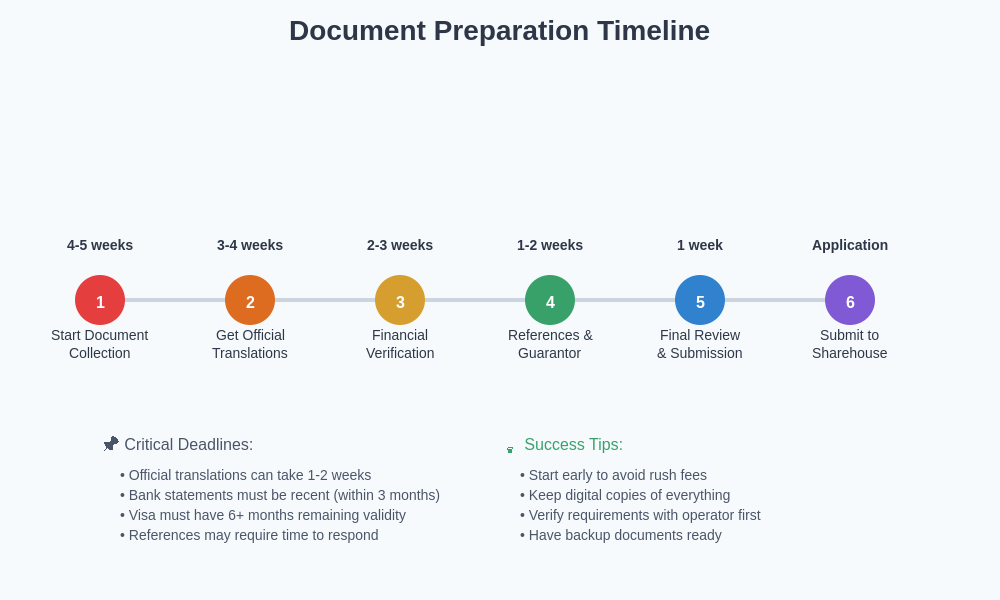
Application timing strategy requires understanding seasonal demand fluctuations, operator processing schedules, and document preparation timelines that collectively influence optimal submission timing for maximum success probability. Peak seasons typically require earlier application submission and more comprehensive documentation due to increased competition for available accommodations.
Document preparation timelines should account for international verification delays, translation service requirements, and potential document reissuance needs that can extend preparation periods significantly beyond initial expectations. Best Tokyo neighborhoods for sharehouse living discusses seasonal availability patterns that influence application timing strategies.
Parallel application submission strategies can improve success rates while requiring careful document management and financial preparation for multiple potential approvals. Backup property identification and application preparation provides flexibility during peak demand periods when preferred properties may become unavailable.
Follow-up communication protocols ensure timely response to operator requests for additional documentation while demonstrating proactive engagement throughout the application process. Understanding operator communication preferences and response expectations helps maintain positive relationships during evaluation periods.
The comprehensive nature of Tokyo sharehouse application documentation reflects the importance of thorough preparation and cultural understanding in successfully securing quality accommodation in Japan’s competitive housing market. Success requires not only meeting basic documentation requirements but demonstrating cultural sensitivity, financial responsibility, and community compatibility that operators value in their resident selection processes.
Proper documentation preparation serves as your first impression to potential housing providers and sets the foundation for successful integration into Tokyo’s international sharehouse communities. The investment in thorough document preparation pays dividends not only in application success but in establishing positive relationships with operators and fellow residents that enhance your overall living experience in Japan’s dynamic capital city.
Disclaimer
This article is for informational purposes only and does not constitute legal or financial advice. Documentation requirements for Tokyo sharehouses may vary significantly between operators and properties. Requirements can change without notice, and specific visa categories may have unique documentation needs not covered in this general guide. Readers should verify current requirements directly with sharehouse operators and consult appropriate professionals for specific legal or visa-related questions.