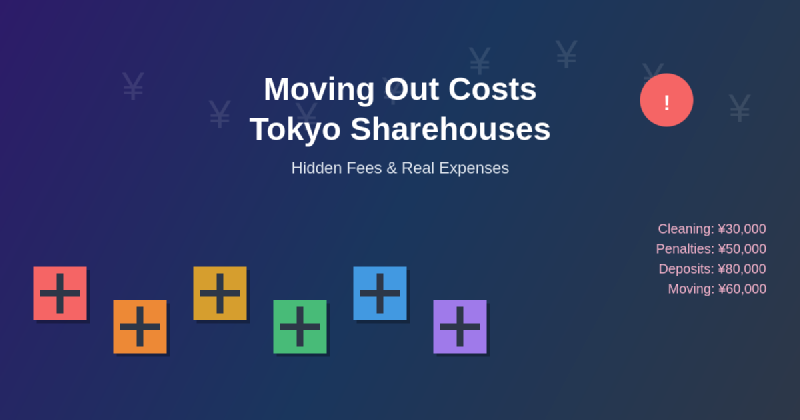
Moving out of a Tokyo sharehouse involves significantly more complex financial considerations than most international residents anticipate when they first sign their rental agreements. The reality of departure costs extends far beyond simple packing and transportation, encompassing a web of fees, deductions, penalties, and hidden expenses that can easily total several hundred thousand yen or more. Understanding these financial implications before you need to move becomes crucial for proper budget planning and avoiding unpleasant surprises during an already stressful transition period.
The Japanese rental system operates under fundamentally different principles than many Western countries, with numerous costs that are considered normal practice in Japan but can shock unprepared international residents. These expenses often represent substantial portions of monthly income and require careful financial planning to manage effectively without compromising your next housing arrangement or overall financial stability during the transition period.
Understanding Security Deposit Deductions and Recovery
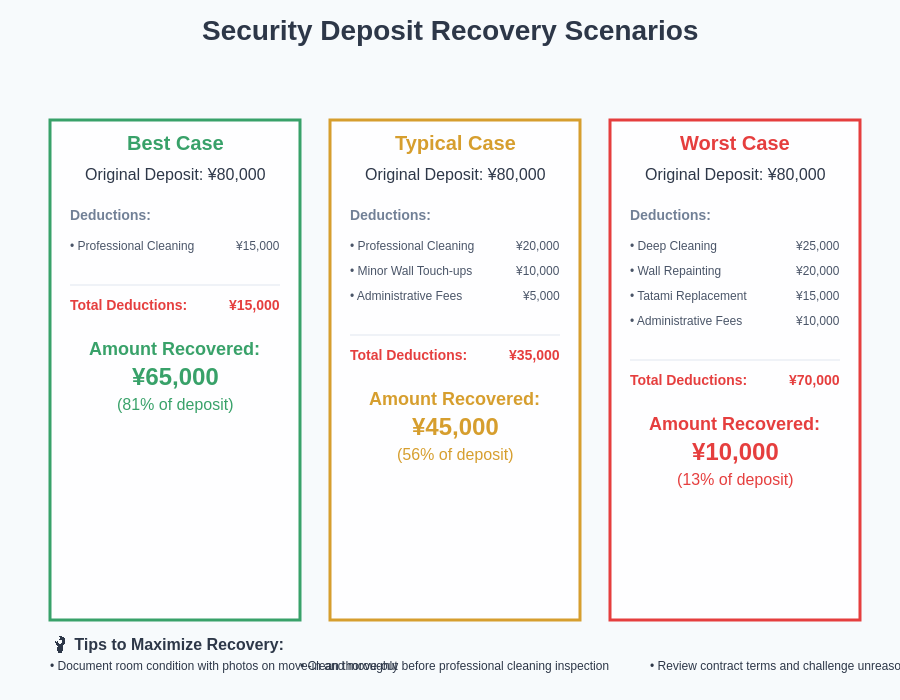
Security deposit recovery represents one of the most contentious and financially significant aspects of moving out from Tokyo sharehouses, with many residents discovering that their expected refunds disappear entirely through various deductions and charges. How to actually get your deposit back provides essential strategies for protecting your financial interests throughout the departure process.
The Japanese concept of “normal wear and tear” differs substantially from international standards, with property managers often charging residents for aging, minor scuffs, and general usage that would be considered standard depreciation in other countries. Wall discoloration from posters, minor scratches on floors, and even natural fading of materials can result in significant deduction amounts that consume portions or entirety of security deposits.
Professional cleaning fees represent mandatory expenses in most Tokyo sharehouses, regardless of the condition you leave your room in upon departure. These charges typically range from 15,000 to 50,000 yen depending on room size and sharehouse policies, and cannot be avoided through personal cleaning efforts or hiring independent cleaning services that don’t meet management company specifications.
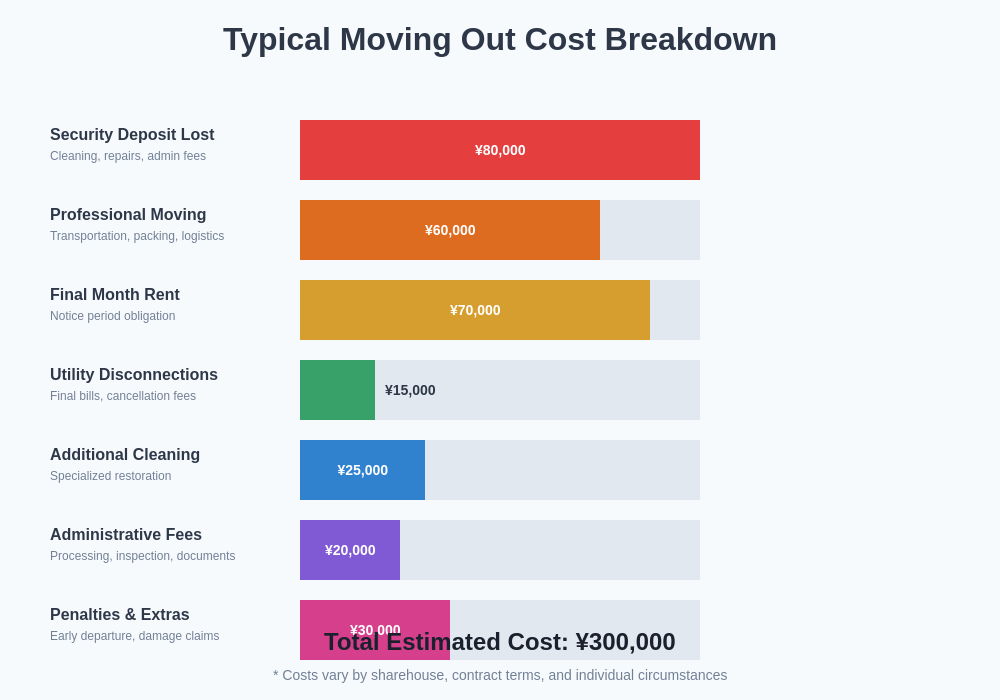
Room restoration costs can escalate quickly when management companies identify damage beyond normal wear and tear, including requirements for wall repainting, flooring repairs, or fixture replacements that often cost significantly more than market rates. Understanding what constitutes acceptable room conditions and documenting your space thoroughly upon move-in and move-out helps protect against excessive or unjustified charges.
Mandatory Notice Periods and Rent Obligations
Tokyo sharehouses typically require 30 to 60 days advance notice for move-out intentions, with rent obligations continuing throughout the entire notice period regardless of when you actually vacate the premises. Japanese sharehouse rules every foreigner should know outlines these fundamental requirements that directly impact your financial planning and departure timeline.
The timing of notice submission can significantly affect your total costs, particularly when notice periods span across multiple months or coincide with rent increase periods. Some management companies require notice by specific dates within each month, meaning late submissions can extend your obligation by additional weeks or entire months beyond your intended departure date.
Prorated rent calculations often favor management companies through complex formulas that may charge full months even for partial occupation periods. Understanding these calculation methods and planning your notice submission strategically can help minimize unnecessary rent payments while ensuring compliance with contract requirements.
Early departure penalties may apply when residents leave before completing their notice periods, with fees that can range from additional month’s rent to percentage-based charges calculated against remaining lease obligations. These penalties often exceed any potential savings from reduced rent payments, making early departure financially counterproductive in most circumstances.
Transportation and Logistics Expenses
Moving logistics in Tokyo present unique challenges and costs that extend far beyond basic transportation fees, particularly for international residents who may need specialized services or have limited local connections for assistance. How to find the perfect sharehouse in Tokyo helps understand the broader context of Tokyo housing transitions and their associated complexities.
Professional moving services in Tokyo charge premium rates due to space constraints, building access limitations, and specialized handling requirements for navigating narrow staircases, small elevators, and tight urban environments. Basic moves within Tokyo typically cost between 30,000 to 100,000 yen depending on distance, volume, and service level requirements.
International shipping costs become significant factors for residents returning to their home countries or moving to other international destinations, with fees that can reach several hundred thousand yen for moderate volumes of personal belongings. Understanding shipping restrictions, customs requirements, and insurance options helps optimize these substantial expenses.
Storage solutions may become necessary when departure timing doesn’t align perfectly with next accommodation availability, adding monthly storage fees and additional transportation costs for multiple moves. Tokyo storage facilities charge premium rates for convenient locations, with costs that can quickly accumulate during extended transition periods.
Administrative and Documentation Fees
The administrative burden of moving out involves numerous fees and charges that management companies impose for processing departures, conducting inspections, and handling various documentation requirements. Understanding utility bills in Japanese sharehouses provides context for utility-related departure procedures and their associated costs.
Move-out inspection fees cover professional assessment of room conditions, damage evaluation, and preparation of detailed reports that determine security deposit deductions. These mandatory charges typically range from 10,000 to 30,000 yen regardless of room condition or inspection duration, representing pure administrative overhead that residents cannot avoid.
Document processing charges apply to various required paperwork including lease termination agreements, deposit refund calculations, utility account closures, and official move-out confirmations. While individually small, these fees can accumulate to substantial amounts when multiple documents and procedures are required.
Key replacement and lock change fees often apply regardless of whether keys are returned in good condition, with management companies routinely changing locks between residents for security purposes. These charges typically range from 15,000 to 25,000 yen and represent standard practice rather than penalty for key problems.
Utility Disconnection and Final Bills
Utility account closures involve specific procedures and timing requirements that can result in additional charges when not handled properly, particularly for residents unfamiliar with Japanese utility systems and billing cycles. Final utility bills often include adjustment charges, service disconnection fees, and prorated usage calculations that extend beyond simple consumption charges.
Internet service cancellation requires advance notice periods similar to rent obligations, with early termination penalties that can reach 20,000 to 40,000 yen depending on contract terms and remaining commitment periods. Understanding these obligations early in your tenancy helps avoid surprise charges during departure planning.
Utility deposit refunds may take several weeks or months to process, creating cash flow challenges during transition periods when new accommodation deposits and setup fees are required simultaneously. Planning for these timing delays helps maintain financial stability throughout the moving process.
Connection fees for new accommodations often mirror disconnection charges, meaning utility transitions can involve double fees during overlap periods when services are active at both old and new addresses. Strategic timing and coordination can help minimize these duplicate charges while ensuring continuous service availability.
Cleaning and Restoration Requirements
Professional cleaning requirements extend beyond basic tidiness to include specialized services that meet management company standards and cannot be substituted with personal efforts or alternative service providers. Living costs in Tokyo sharehouses explained provides broader context for these ongoing expense obligations throughout your sharehouse experience.
Tatami mat replacement costs represent significant expenses when damage is identified during move-out inspections, with charges that can reach 30,000 to 50,000 yen per mat depending on size and quality requirements. Understanding tatami care and maintenance throughout your tenancy helps minimize these substantial departure costs.
Air conditioning system cleaning and maintenance fees apply to most room types, regardless of usage patterns or personal maintenance efforts during residency. These charges typically range from 8,000 to 15,000 yen and cover filter replacement, system inspection, and performance verification for the next resident.
Wall and ceiling restoration may be required when management companies identify staining, discoloration, or damage that exceeds normal wear standards. These charges can escalate rapidly and may require complete repainting or surface treatment that costs significantly more than market rates for similar work.
Insurance and Liability Considerations
Damage liability extends beyond obvious harm to include subtle deterioration that may not be apparent to residents but becomes evident during professional inspections conducted by management companies. What security deposits actually cover in sharehouses explains the scope of potential charges and liability exposure that residents face during departure.
Personal property insurance becomes crucial during moving periods when belongings are in transit, stored temporarily, or exposed to damage risks during packing and transportation processes. Understanding coverage limitations and additional protection options helps safeguard valuable items during vulnerable transition periods.
Third-party damage claims may arise when moving activities affect other residents, common areas, or building infrastructure, creating liability exposure that extends beyond personal room conditions. Proper planning and professional service selection help minimize these risks while ensuring responsible departure practices.
Legal consultation costs may become necessary when disputes arise over excessive charges, unjustified deductions, or contract interpretation issues that affect substantial financial amounts. Understanding when professional assistance becomes worthwhile helps protect your interests while managing additional expense obligations.
Timing Strategies and Cost Optimization
Strategic departure timing can significantly impact total moving costs through careful coordination of notice periods, utility cycles, and rental market conditions that affect both current obligations and next accommodation availability. How much Tokyo sharehouses really cost per month provides essential context for evaluating timing decisions and their financial implications.
Month-end departures often align better with utility billing cycles and rental obligations, potentially reducing prorated charges and simplifying administrative procedures. However, these popular departure times may increase moving service costs and reduce accommodation availability, requiring balanced evaluation of competing factors.
Seasonal considerations affect both moving costs and next accommodation options, with peak periods commanding premium prices for both services and housing while off-peak times may offer better rates but limited availability. Understanding these market dynamics helps optimize both cost and convenience factors.
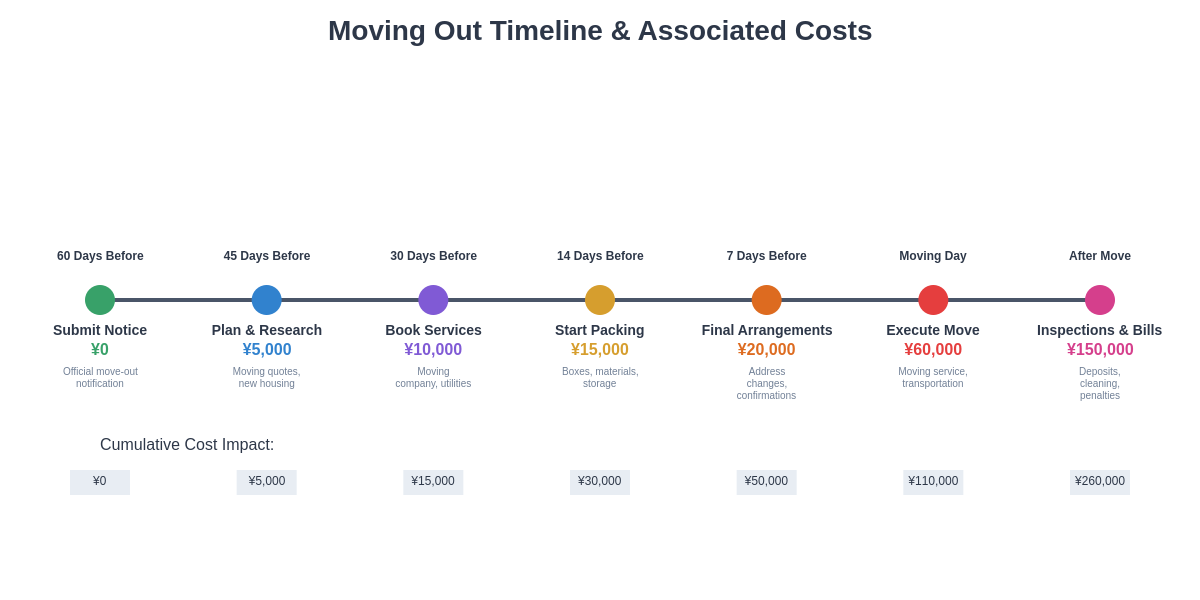
Advance preparation enables better negotiation opportunities and service selection, while rushed departures often force acceptance of premium pricing and suboptimal arrangements. Creating detailed departure timelines and checklists helps ensure comprehensive preparation and cost optimization throughout the transition process.
Negotiation Opportunities and Dispute Resolution
Security deposit negotiations may be possible when charges appear excessive or unjustified, particularly when residents can demonstrate proper care and maintenance throughout their tenancy period. How to handle roommate conflicts without moving out provides communication strategies that apply equally to management company interactions and dispute resolution.
Documentation becomes crucial for supporting negotiation positions and challenging questionable charges, including photos, receipts, and correspondence that demonstrate responsible tenancy and proper departure procedures. Systematic record-keeping throughout your residency creates powerful evidence for protecting your financial interests.
Professional mediation services exist for serious disputes involving substantial amounts, though costs and time requirements must be weighed against potential recovery amounts. Understanding when escalation becomes worthwhile helps make informed decisions about pursuing formal dispute resolution processes.
Alternative resolution approaches including direct communication, written complaints, and management company escalation procedures often provide faster and less expensive paths to fair outcomes. Building positive relationships with management staff throughout your tenancy creates better foundations for reasonable dispute resolution when issues arise.
Long-term Financial Planning and Preparation
Move-out cost planning should begin early in your sharehouse experience rather than during departure preparation, enabling systematic saving and better financial preparation for inevitable expenses. Student sharehouses near top Tokyo universities highlights how different resident demographics approach these financial planning challenges.
Emergency fund allocation specifically for moving expenses helps ensure financial stability during transition periods when multiple large expenses occur simultaneously. These funds should account for worst-case scenarios including full deposit loss and maximum moving costs to provide adequate security margins.
Next accommodation planning must account for overlap periods, new deposits, and setup costs that occur before previous deposit refunds are received. Understanding these cash flow challenges helps maintain financial stability and avoid borrowing or financial stress during already demanding transition periods.
Career transition coordination often coincides with housing changes, creating additional financial pressures and uncertainty that affect moving cost planning and decision-making. Integrating housing and career planning helps optimize both financial and professional outcomes during major life transitions.
The hidden costs of moving out from Tokyo sharehouses represent substantial financial obligations that require careful planning, systematic preparation, and realistic expectation setting to manage effectively. Understanding these expenses early in your sharehouse experience enables better financial planning and helps avoid the shock and stress that unprepared residents often experience during departure. With proper preparation and strategic planning, you can minimize these costs while ensuring smooth transitions to your next housing arrangement in Tokyo or beyond.
Disclaimer
This article is for informational purposes only and does not constitute professional financial or legal advice. Moving costs and procedures can vary significantly between different sharehouses, management companies, and individual circumstances. Readers should carefully review their specific contracts and consult with relevant professionals when planning departures. The costs mentioned are estimates based on typical market conditions and may not reflect current pricing or specific situations.