Security deposits in Japanese sharehouses represent one of the most misunderstood aspects of rental agreements, often causing confusion and frustration for international residents who find themselves surprised by deductions they never anticipated. The complexity of understanding what these deposits actually cover versus what tenants assume they protect creates a significant knowledge gap that can result in costly surprises during the move-out process.
The reality of security deposit coverage in sharehouses differs dramatically from simple damage protection, encompassing a complex web of potential charges, wear assessments, and administrative fees that extend far beyond obvious property damage. Understanding these intricacies before signing your lease agreement provides essential protection for your financial interests and helps establish realistic expectations for deposit recovery when your tenancy concludes.
Understanding Basic Security Deposit Structure
Japanese sharehouse security deposits typically range from one to three months of rent, with the specific amount varying based on property type, management company policies, and perceived tenant risk factors. How to actually get your deposit back provides essential strategies for protecting these substantial financial investments throughout your tenancy period.
The fundamental purpose of security deposits extends beyond simple damage coverage to include rent guarantees, cleaning fees, administrative processing costs, and various maintenance charges that may accumulate during your residency. Management companies view these deposits as comprehensive insurance policies that protect their interests against multiple potential financial risks associated with tenant turnover and property management.
Different sharehouse operators implement varying deposit structures, with some requiring separate cleaning deposits, key deposits, and maintenance reserves in addition to the primary security deposit. What additional fees really mean in practice explains how these multiple deposit requirements can significantly increase your upfront costs and complicate the refund process.
The timing of deposit collection and refund processes varies significantly between operators, with some requiring full payment before occupancy while others allow installment arrangements. Understanding these payment structures and their implications for cash flow management becomes crucial for effective financial planning during your sharehouse search and application process.
Normal Wear and Tear Versus Damage
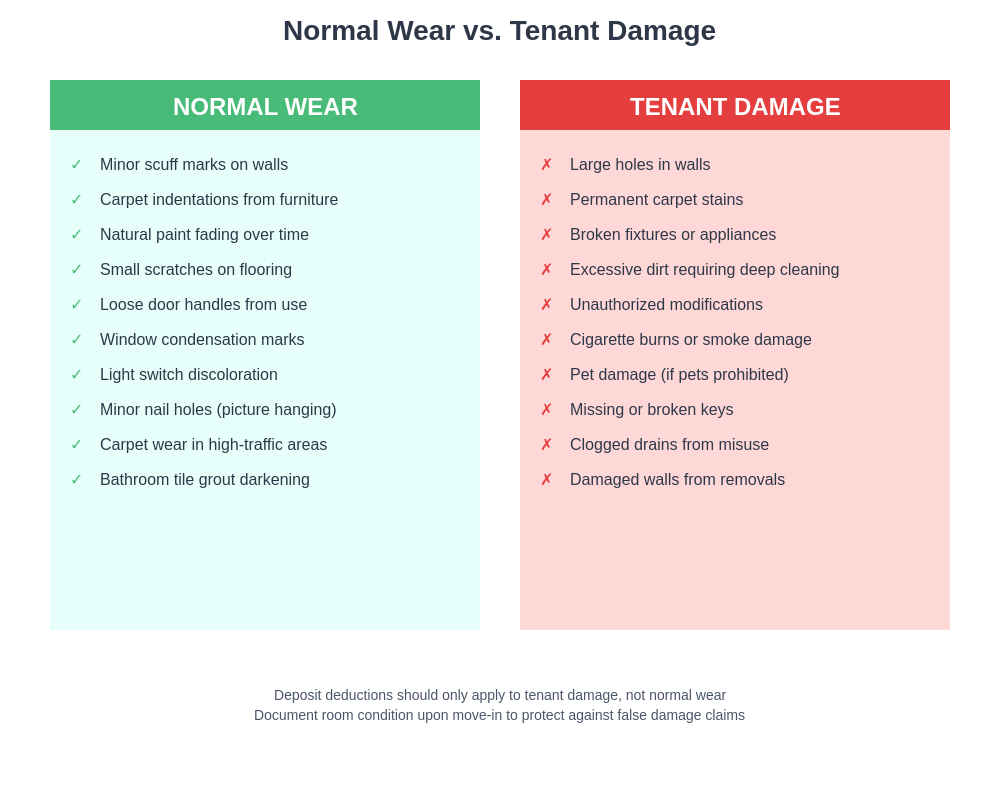
The distinction between normal wear and tear versus tenant-caused damage represents the most contentious aspect of security deposit disputes in sharehouses. Japanese rental law provides specific guidelines for these distinctions, but practical implementation often favors property management interests over tenant protection, creating potential conflicts during move-out assessments.
Normal wear and tear typically includes minor scuff marks on walls, carpet indentations from furniture placement, natural fading of paint or wallpaper, and minor scratches on flooring that result from standard daily use. These conditions should not result in deposit deductions under Japanese tenancy law, but enforcement and interpretation can vary significantly between different management companies and individual property assessors.
Tenant-caused damage includes holes in walls from nails or screws, carpet stains from spills or accidents, broken fixtures or appliances, excessive cleaning requirements beyond normal maintenance, and any modifications made to the original room configuration. These damages typically justify deposit deductions, but the calculation methods and repair cost estimates can vary dramatically between different operators.
The challenge for international residents lies in understanding cultural differences regarding cleanliness standards, maintenance expectations, and aesthetic preferences that may not align with their previous rental experiences. Japanese sharehouse rules every foreigner should know helps navigate these cultural expectations and avoid unintentional violations that could affect deposit recovery.
Cleaning and Maintenance Charges
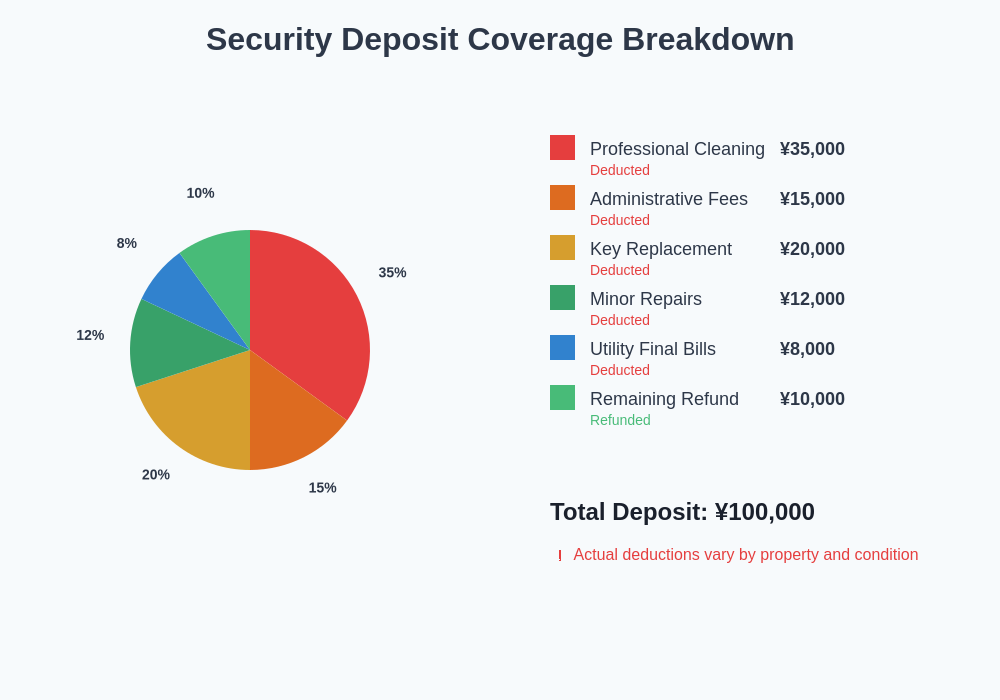
Professional cleaning fees represent one of the most common and substantial deductions from sharehouse security deposits, often ranging from 20,000 to 50,000 yen regardless of the actual room condition upon departure. These charges typically cover deep cleaning of the entire room, common area maintenance allocation, and preparation costs for the next tenant’s occupancy.
The scope of cleaning charges often extends beyond basic room cleaning to include carpet shampooing, wall washing, light fixture cleaning, window washing, and specialized cleaning for bathrooms and kitchen areas. Understanding utility bills in Japanese sharehouses provides context for how these maintenance costs are typically distributed among residents.
Many sharehouses implement mandatory professional cleaning policies that prevent tenants from performing their own cleaning to avoid these charges. This practice ensures consistent quality standards but eliminates tenant control over cleaning costs and methods, creating unavoidable deductions regardless of tenant cleaning efforts during their residency.
Maintenance charges may include minor repairs, touch-up painting, fixture replacement, and general property upkeep that occurs during tenant transitions. These costs are often allocated proportionally among recent departing tenants, creating shared responsibility for maintenance needs that may not directly relate to individual tenant actions or negligence.
Administrative and Processing Fees
Administrative processing fees represent a significant but often overlooked component of security deposit deductions, encompassing various bureaucratic costs associated with tenant turnover and property management. These fees can include document processing, inspection costs, administrative time, and various service charges that may not be clearly defined in initial lease agreements.
Room inspection fees typically range from 5,000 to 15,000 yen and cover the cost of professional assessment of room conditions, damage evaluation, and preparation of detailed move-out reports. How to spot financial red flags in sharehouse contracts helps identify potentially excessive administrative charges during the application process.
Document processing charges may include contract termination fees, final utility calculations, forwarding address setup, and various administrative tasks required to complete the tenancy termination process. These charges often appear as fixed fees regardless of the actual administrative effort required, creating standardized deductions that may exceed actual processing costs.
Key replacement and lock change fees frequently appear as deposit deductions, particularly in sharehouses with electronic access systems or enhanced security features. These charges can range from 10,000 to 30,000 yen depending on the security system complexity and management company policies regarding key turnover procedures.
Utility and Service Reconciliation
Final utility reconciliation represents a complex aspect of deposit settlement that can result in both additional charges and occasional refunds depending on usage patterns and billing cycles. Living costs in Tokyo sharehouses explained provides insights into typical utility arrangements and cost structures in shared living environments.
Electricity, gas, and water usage calculations may extend beyond your official move-out date to include final meter readings, service disconnection fees, and proportional charges for common area utilities during your final month of residency. These calculations can be particularly complex in sharehouses where individual usage monitoring is limited or non-existent.
Internet and cable service termination often involves specific notice periods and potential early termination fees that may be deducted from security deposits. The complexity of shared service agreements in sharehouses can create situations where departing tenants bear responsibility for service costs that extend beyond their actual usage period.
Shared service reconciliation includes proportional charges for common area utilities, building maintenance fees, and various shared services that require final calculation based on your residency period and usage allocation. These calculations can be particularly opaque and difficult to verify, creating potential for disputes over accuracy and fairness.
Damage Assessment Procedures
Professional damage assessment procedures in sharehouses typically involve detailed inspections conducted by property management representatives or third-party assessment companies. These evaluations determine the scope and cost of any repairs or replacements required to restore the room to its original condition for the next tenant.
The assessment process usually occurs within one to two weeks of your departure, allowing time for thorough evaluation and cost estimation for any identified issues. What moving out really costs in Tokyo sharehouses provides comprehensive insights into the full range of potential move-out expenses beyond deposit deductions.
Documentation standards for damage assessment vary significantly between different operators, with some providing detailed photographic evidence and itemized repair estimates while others offer minimal justification for deduction amounts. Understanding your rights to request detailed documentation helps protect against excessive or unjustified charges.
The timeline for receiving assessment results and deposit refund calculations can extend from two weeks to two months after departure, depending on management company procedures and the complexity of any identified issues. This extended timeline requires careful financial planning to account for delayed deposit recovery in your post-move budget considerations.
Common Unexpected Deductions
International residents frequently encounter unexpected deductions that fall outside their understanding of typical deposit coverage, creating financial surprises that can significantly impact their move-out experience. How to calculate your true living costs helps anticipate these additional expenses during budget planning.
Pest control charges may appear as deposit deductions in cases where evidence of insects or rodents is discovered during move-out inspections, regardless of whether the tenant directly caused the infestation. These charges can range from 10,000 to 30,000 yen depending on the scope of treatment required and management company policies.
Air conditioning and heating system cleaning fees often exceed tenant expectations, particularly when filters require replacement or systems need professional maintenance due to heavy usage during extreme weather periods. These charges may be applied even when tenants have regularly cleaned accessible components according to house rules.
Furniture and appliance wear charges can be applied to provided furnishings that show signs of use beyond normal expectations, including mattress replacement, chair repairs, or electronic equipment servicing. The determination of “excessive wear” versus normal usage can be subjective and vary significantly between different assessment personnel.
Legal Protections and Tenant Rights
Japanese tenancy law provides specific protections regarding security deposit usage and refund procedures, but understanding and enforcing these rights can be challenging for international residents without local legal knowledge. The legal framework generally favors tenant protection against excessive or unjustified deductions, but practical enforcement requires active tenant advocacy.
The right to detailed accounting of deposit deductions includes access to receipts, cost estimates, and photographic documentation of any claimed damages or necessary repairs. Why rent increases happen in Japanese sharehouses provides additional context for understanding tenant-landlord legal relationships in shared housing arrangements.
Dispute resolution procedures typically begin with direct negotiation with property management, followed by mediation services offered by local housing authorities, and potentially formal legal proceedings for significant disputes. Understanding these escalation options provides protection against unfair treatment while maintaining realistic expectations about the effort required for successful challenges.
Time limitations for disputing deposit deductions vary by jurisdiction but typically require action within 30 to 60 days of receiving final accounting. This compressed timeline emphasizes the importance of prompt review and response to any deposit settlement that appears unreasonable or inadequately documented.
Strategies for Protecting Your Deposit
Proactive protection of your security deposit begins before signing your lease agreement and continues throughout your entire residency period. Documentation of initial room conditions, adherence to house rules, and regular maintenance of your living space provide essential protection against unjustified deductions during move-out assessment.
Photographic documentation of room condition upon move-in creates valuable evidence for disputing any claims of tenant-caused damage during your departure assessment. How to budget realistically for sharehouse living includes guidance on preparing for these documentation requirements and associated costs.
Regular communication with property management regarding maintenance issues, cleaning standards, and house rule compliance demonstrates responsible tenancy and creates records that can support your position during deposit recovery discussions. Prompt reporting of any damage or maintenance needs protects against accumulated costs that might otherwise be attributed to tenant negligence.
Understanding move-out procedures and timeline requirements allows for adequate preparation and helps ensure compliance with all necessary steps for maximizing deposit recovery. Why some residents never get their deposits back explores common mistakes that can compromise deposit protection efforts.
Deposit Refund Timeline and Process
The deposit refund process typically begins with formal notification of your intent to terminate tenancy, usually requiring 30 to 60 days advance notice depending on your lease agreement terms. This notification period allows property management to schedule inspections, arrange new tenant viewings, and prepare for the transition process.
Move-out inspection scheduling requires coordination between tenant availability and management representative schedules, often limiting flexibility in departure timing. The inspection itself typically takes 30 to 60 minutes and covers all aspects of room condition, cleanliness standards, and inventory verification for any provided furnishings or equipment.
Final accounting preparation can take two to six weeks after inspection completion, depending on the complexity of any identified issues and the efficiency of management company procedures. What documents you need for Tokyo sharehouse applications provides context for the documentation requirements throughout the entire tenancy lifecycle.
Refund processing typically occurs through bank transfer, with some operators requiring additional fees for international transfers or alternative payment methods. The final refund amount may be subject to additional deductions for bank fees, transfer charges, or currency conversion costs that were not clearly disclosed in initial lease agreements.
Minimizing Deposit Loss Risks
Effective deposit protection requires understanding and addressing the most common causes of significant deductions before they become costly problems during move-out assessment. Regular maintenance, adherence to cleaning standards, and proactive communication with management create the foundation for successful deposit recovery.
Room condition maintenance throughout your tenancy prevents accumulated damage and demonstrates responsible care that supports your position during final assessment. Living with Japanese roommates in Tokyo sharehouses offers insights into cultural expectations that can help avoid unintentional violations of property care standards.
Cleaning standard adherence requires understanding specific expectations that may exceed typical international cleaning practices, particularly regarding bathroom maintenance, kitchen cleanliness, and general organization standards. Regular deep cleaning and attention to detail help ensure your room meets assessment expectations without requiring extensive professional cleaning services.
Documentation preservation of all communications with property management, maintenance requests, and any issues that arise during your tenancy provides essential protection against disputed charges or inaccurate assessments. This documentation becomes particularly valuable for challenging any deductions that seem excessive or unjustified during the final accounting process.
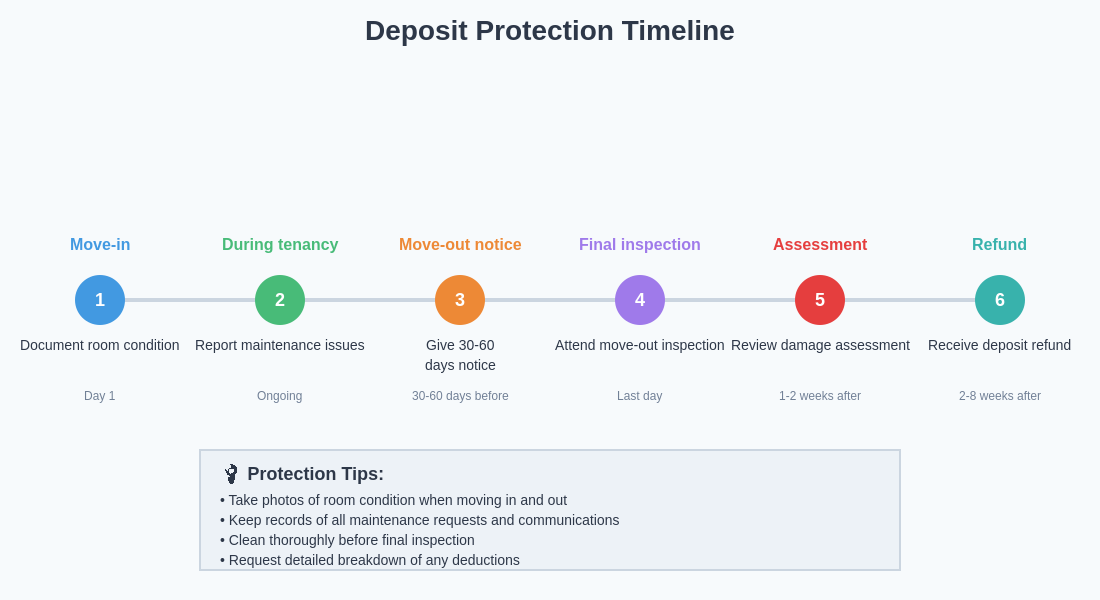
Following this systematic timeline ensures you maintain proper documentation and take appropriate protective measures throughout your tenancy to maximize deposit recovery potential.
Understanding what security deposits actually cover in sharehouses empowers tenants to make informed decisions about their housing choices while protecting their financial interests throughout the rental relationship. With proper preparation, realistic expectations, and proactive management of your tenancy responsibilities, you can maximize your deposit recovery while avoiding the common pitfalls that trap many international residents in costly surprise deductions.
Disclaimer
This article is for informational purposes only and does not constitute legal advice. Security deposit practices and tenant rights may vary by location and individual lease agreements. Laws and regulations regarding rental deposits in Japan may change, and specific circumstances can affect individual cases. Readers should consult with qualified legal professionals or housing authorities when dealing with deposit disputes or complex tenancy issues.