The pursuit of academic excellence has become an increasingly dominant force in modern educational environments, creating complex webs of social pressure that extend far beyond classroom walls into the intimate spaces where students live and interact daily. This phenomenon manifests with particular intensity in sharehouse communities, where academic achievements become visible markers of status, competence, and social worth that can fundamentally alter the dynamics of friendship, collaboration, and personal well-being among residents.
Understanding the psychological and social mechanisms that drive academic pressure provides crucial insights into how educational success can paradoxically create isolation, anxiety, and interpersonal tension within communities that should ideally foster support and mutual growth. The intersection of academic achievement with social identity reveals deep-seated cultural values and expectations that shape how individuals perceive themselves and others within competitive educational frameworks.
The Cultural Foundation of Academic Competition
Modern educational systems have evolved into highly competitive environments where academic achievements serve as primary indicators of personal worth, future potential, and social status within peer groups. This cultural emphasis on measurable success creates environments where students constantly compare their performance against others, leading to persistent feelings of inadequacy or superiority that affect every aspect of social interaction.
The transformation of education from collaborative learning to individual competition has fundamentally altered how students relate to each other, creating adversarial relationships where classmates become rivals rather than allies in the pursuit of knowledge. Understanding how different education systems affect expectations reveals how these competitive frameworks vary across cultures and educational philosophies, yet consistently produce similar patterns of social stress and interpersonal tension.
The emphasis on standardized testing, ranking systems, and grade-based evaluation creates artificial hierarchies that extend beyond academic contexts into social relationships, professional opportunities, and personal identity formation. These systems often fail to recognize diverse forms of intelligence, creativity, and valuable contributions that cannot be easily quantified through traditional assessment methods.
Identity Formation and Self-Worth Attachment
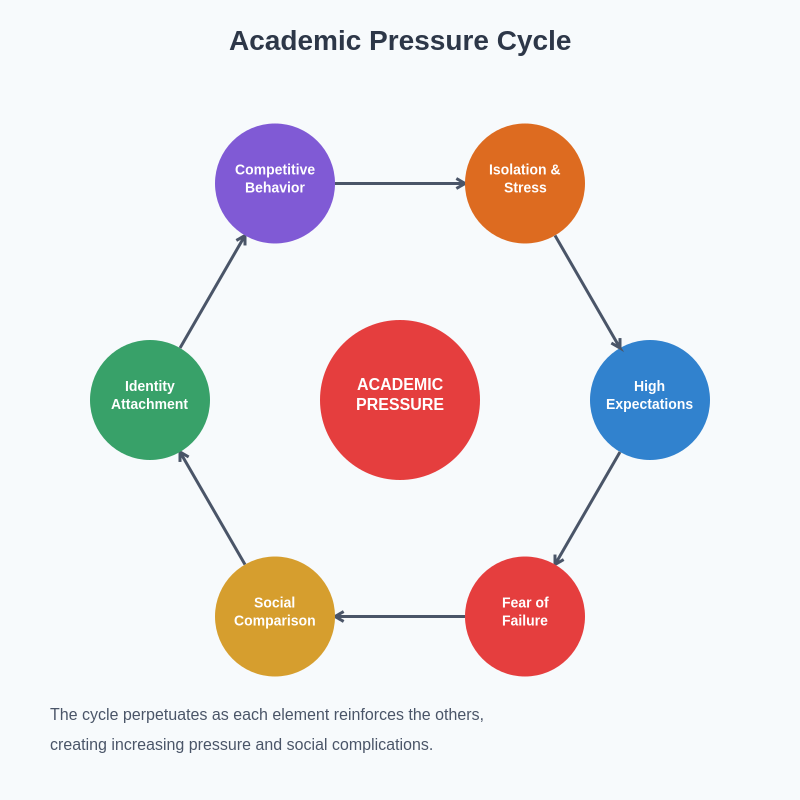
Academic achievements become deeply intertwined with personal identity during formative years, creating psychological patterns where self-worth becomes dependent on external validation through grades, test scores, and academic recognition. This attachment to achievement-based identity creates vulnerable psychological states where any academic setback threatens core self-concept and social standing within peer groups.
The process of identity formation in academic environments often involves adopting roles and personas that align with expected behaviors of high-achieving individuals, leading to authentic self-suppression and the development of performance-based relationships rather than genuine connections. How grade competition affects friendships explores the specific ways that academic rivalry can undermine trust, empathy, and mutual support among students living in close proximity.
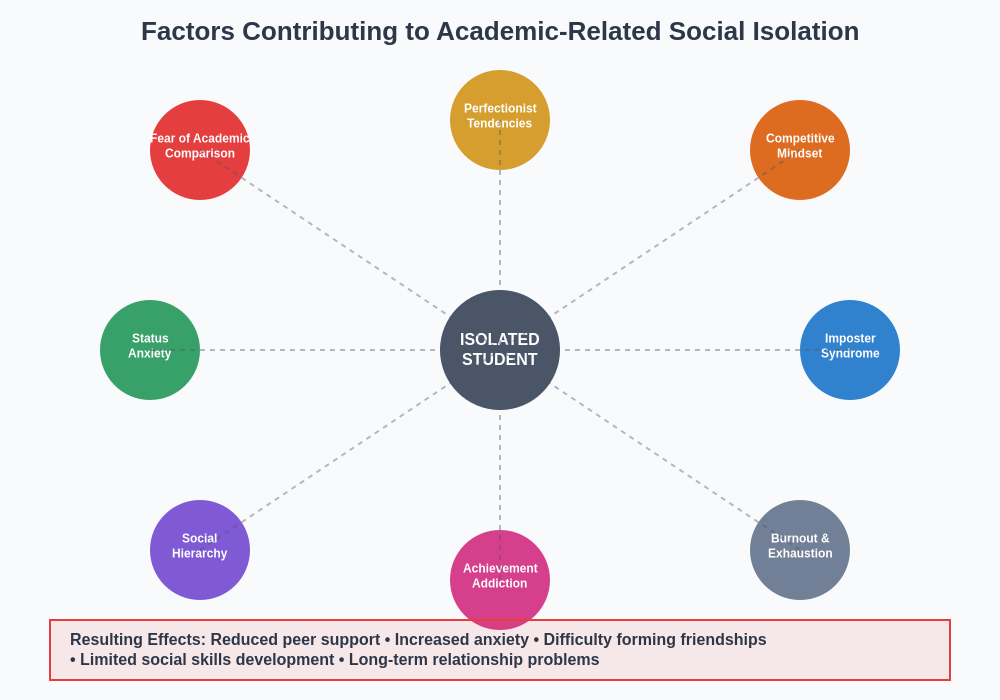
Students who consistently achieve high academic performance often experience pressure to maintain their status and reputation, leading to chronic stress, perfectionism, and fear of failure that can manifest in social withdrawal, competitive behaviors, and difficulty forming authentic relationships with peers who might be perceived as threats to their academic standing.
The internalization of achievement-based self-worth creates cycles of validation-seeking behavior where individuals become dependent on constant external recognition and approval, making them vulnerable to anxiety, depression, and social isolation when academic performance fluctuates or fails to meet internalized expectations.
Social Hierarchy and Status Dynamics
Academic achievements create informal but powerful social hierarchies within educational communities, establishing clear distinctions between high performers, average students, and those struggling academically. These hierarchies influence everything from social group formation to romantic relationships, creating environments where academic status determines access to social opportunities and peer acceptance.
The visibility of academic performance through public recognition, honor societies, and competitive programs reinforces these hierarchical structures, making it impossible for students to escape constant evaluation and comparison with their peers. Why academic social events create divisions examines how even recreational activities become contexts for displaying and reinforcing academic status differences.
High-achieving students often find themselves isolated within exclusive circles of similarly successful peers, creating echo chambers that reinforce competitive attitudes and distance them from broader social experiences and diverse perspectives. This segregation can lead to social skills deficits, empathy reduction, and difficulty relating to individuals outside their academic achievement level.
Students who perform at average or below-average levels frequently experience social exclusion, reduced self-esteem, and internalized feelings of inadequacy that affect their willingness to participate in social activities, pursue leadership opportunities, or form close relationships with academically successful peers.
Peer Comparison and Competitive Relationships
The constant availability of information about peer academic performance creates environments of perpetual comparison where students measure their worth against the achievements of others rather than focusing on personal growth and learning. Social media platforms, academic announcements, and informal conversations all contribute to an atmosphere where academic success becomes public knowledge that influences social dynamics.
Competitive relationships emerge when academic achievement becomes scarce resource that students must compete for through limited spots in advanced programs, scholarship opportunities, and recognition systems. How academic pressure varies by nationality reveals how cultural backgrounds influence competitive behaviors and social pressure responses in multicultural educational environments.
The development of comparative thinking patterns leads to cognitive distortions where students either inflate their own achievements to feel superior or diminish their accomplishments when comparing themselves to higher-performing peers. These mental habits create persistent dissatisfaction and prevent individuals from appreciating their own progress and unique contributions.
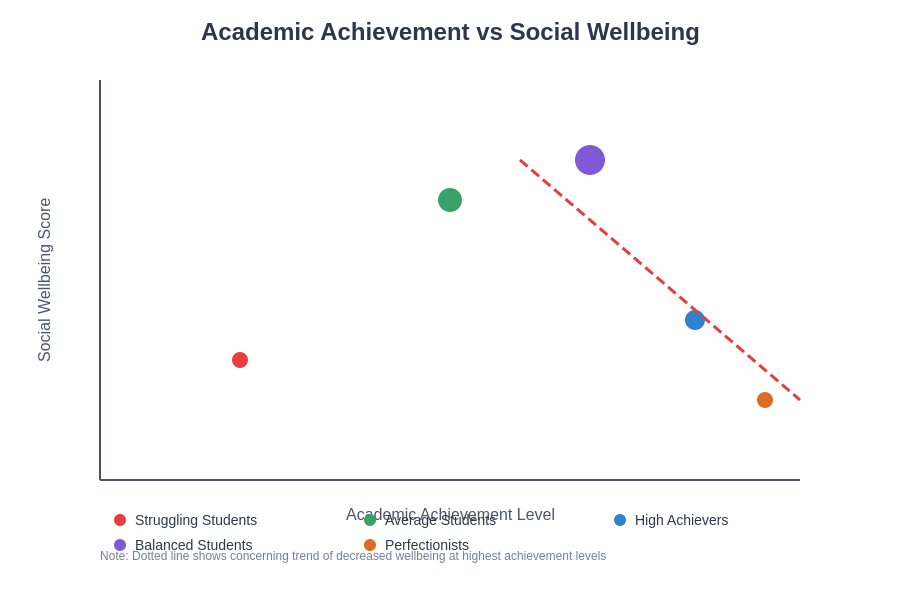
Friendship formation becomes complicated when academic performance differences create power imbalances, jealousy, and resentment that can undermine trust and mutual support. Students may find themselves avoiding close relationships with academically successful peers to protect their self-esteem or distancing themselves from struggling friends to maintain their own academic focus and social status.
Mental Health and Psychological Stress
The pressure to achieve and maintain high academic performance creates chronic stress that affects both mental and physical health, leading to anxiety disorders, depression, and burnout that can persist long after academic careers end. The fear of failure becomes so intense that it paralizes learning, creativity, and risk-taking behaviors that are essential for genuine intellectual growth.
Sleep deprivation, poor nutrition, and lack of physical exercise become common as students sacrifice health and well-being in pursuit of academic goals, creating cycles of declining performance and increasing stress that exacerbate social pressure and interpersonal difficulties. Why exam periods create stress for everyone explores how academic pressure affects entire living communities, not just individual students.
The development of perfectionist tendencies leads to procrastination, analysis paralysis, and inability to complete tasks unless they meet impossibly high standards, creating additional stress and social complications when academic obligations interfere with social commitments and community responsibilities.
Mental health stigma within competitive academic environments often prevents students from seeking help or admitting struggles, leading to isolation and deterioration of both academic performance and social relationships when support systems fail to address underlying psychological needs.
Family and Cultural Expectations
Family expectations regarding academic achievement often intensify social pressure by creating additional layers of accountability and performance anxiety that students must navigate while managing peer relationships and personal development. Cultural values that emphasize educational success as paths to social mobility and family honor can create impossible standards that affect every aspect of student life.
The transmission of achievement pressure across generations creates families where academic success becomes the primary measure of love, approval, and family pride, leading to conditional relationships that affect students’ ability to form secure attachments and healthy relationships with peers. Why cultural differences affect friendship building examines how varying cultural attitudes toward achievement influence social integration in diverse communities.
International students often face additional pressure to justify their families’ sacrifices and investments in their education, creating intense fear of failure that affects their willingness to take academic risks, explore interests outside their field of study, or develop social relationships that might distract from academic focus.
The conflict between individual desires and family expectations can create internal tension that manifests in social relationships as students struggle to balance authentic self-expression with achievement-oriented personas that meet external expectations but feel emotionally disconnected from their true interests and values.
Impact on Collaboration and Learning
Academic pressure often transforms collaborative learning opportunities into competitive situations where students become reluctant to share knowledge, resources, or assistance that might help peers achieve similar or superior performance. This shift from cooperation to competition undermines the educational process and reduces learning effectiveness for all participants.
Study groups and collaborative projects become sources of stress and conflict when students worry about others benefiting from their efforts or taking credit for shared work, leading to secretive behaviors and reduced trust that can poison academic and social relationships. How study materials take over shared spaces reveals how academic pressure affects communal living arrangements and shared resources.
The fear of being perceived as academically inferior leads many students to avoid asking questions, seeking help, or admitting confusion, resulting in knowledge gaps and learning difficulties that could be easily addressed through peer support and collaborative problem-solving in less competitive environments.
Creative thinking and intellectual risk-taking become casualties of achievement pressure as students focus on producing work that meets expected standards rather than exploring innovative ideas or unconventional approaches that might enhance learning but carry risks of lower grades or academic evaluation.
Long-term Social and Professional Consequences
The social patterns established during academic years often persist into professional environments, creating workplace dynamics characterized by competition, status consciousness, and difficulty with collaborative relationships that can limit career success and personal satisfaction throughout life.
Students who experience chronic academic pressure may develop risk-averse personalities that prevent them from pursuing entrepreneurial opportunities, creative careers, or leadership roles that require confidence, resilience, and ability to handle failure constructively. How career changes affect sharehouse eligibility explores how academic achievement patterns influence long-term life choices and social opportunities.
The inability to form genuine friendships during academic years can result in social skill deficits, networking difficulties, and isolation that affect both personal happiness and professional advancement in careers that require strong interpersonal relationships and collaborative abilities.
Mental health issues developed during periods of intense academic pressure often require professional intervention and can affect relationship formation, career performance, and overall life satisfaction for decades after academic achievements have become less relevant to daily life and social identity.
Coping Strategies and Social Support
Developing healthy coping mechanisms for academic pressure requires conscious effort to separate self-worth from achievement and cultivate relationships based on mutual support rather than competitive comparison. This process often involves challenging deeply ingrained beliefs about success and redefining personal values to include wellbeing, creativity, and authentic self-expression.
Building diverse social networks that include individuals with different strengths, interests, and achievement levels can provide perspective and support that reduces the intensity of academic pressure and creates opportunities for personal growth outside competitive academic frameworks. Making friends through Tokyo sharehouse communities offers insights into forming supportive relationships in diverse living environments.
Mindfulness practices, stress management techniques, and regular self-reflection can help students maintain perspective on academic achievements while developing emotional regulation skills that support healthy relationships and sustainable learning habits throughout their educational journey.
Seeking professional counseling or therapy can provide tools for managing academic pressure, developing healthy relationship patterns, and addressing underlying psychological issues that contribute to achievement-based identity formation and social anxiety in competitive environments.
Creating Healthier Academic Communities
Educational institutions and living communities can implement policies and programs that emphasize collaboration over competition, recognize diverse forms of achievement, and provide support systems that prioritize student wellbeing alongside academic performance. How to handle roommate conflicts without moving out provides practical strategies for addressing relationship tensions that arise from academic pressure.
Encouraging open discussions about academic pressure, mental health, and social dynamics can help normalize struggles and create communities where students feel safe admitting difficulties and seeking support without fear of judgment or social consequences that might affect their academic or social standing.
Developing mentorship programs that connect students across achievement levels can provide guidance, perspective, and support while breaking down hierarchical barriers that contribute to social pressure and isolation within academic communities.
Implementing assessment methods that value effort, improvement, and diverse forms of intelligence can reduce competitive pressure while still maintaining academic standards and providing meaningful feedback that supports learning and personal development.
The recognition that academic achievements create social pressure represents the first step toward developing more supportive and inclusive educational communities where learning, personal growth, and authentic relationships can flourish alongside intellectual achievement. Understanding these dynamics empowers individuals to make conscious choices about how they respond to competitive environments and build relationships that support both academic success and personal wellbeing.
Disclaimer
This article is for informational purposes only and does not constitute professional psychological or educational advice. Academic pressure affects individuals differently based on personal circumstances, cultural background, and institutional environment. Readers experiencing significant stress or mental health concerns related to academic pressure should consult with qualified mental health professionals or academic counselors for personalized support and guidance.