The invisible pressure of academic deadlines creates ripple effects throughout sharehouse communities that extend far beyond individual students’ study schedules. These temporal stress points transform living environments in profound ways, affecting everything from kitchen usage patterns to bathroom queues, noise levels to social interactions, and ultimately reshaping the entire emotional landscape of shared living spaces. Understanding these dynamics becomes crucial for both students and non-academic residents who share these spaces during critical academic periods.
The cyclical nature of academic calendars means that sharehouse communities experience predictable waves of stress, tension, and behavioral changes that can catch unprepared residents off guard. These periods often coincide with midterm examinations, final projects, thesis submissions, and application deadlines that demand intense focus and extended study sessions. Student sharehouses near top Tokyo universities particularly experience these phenomena as academic calendars align across different institutions, creating synchronized pressure periods that affect entire neighborhoods.
The Anatomy of Academic Stress Transmission
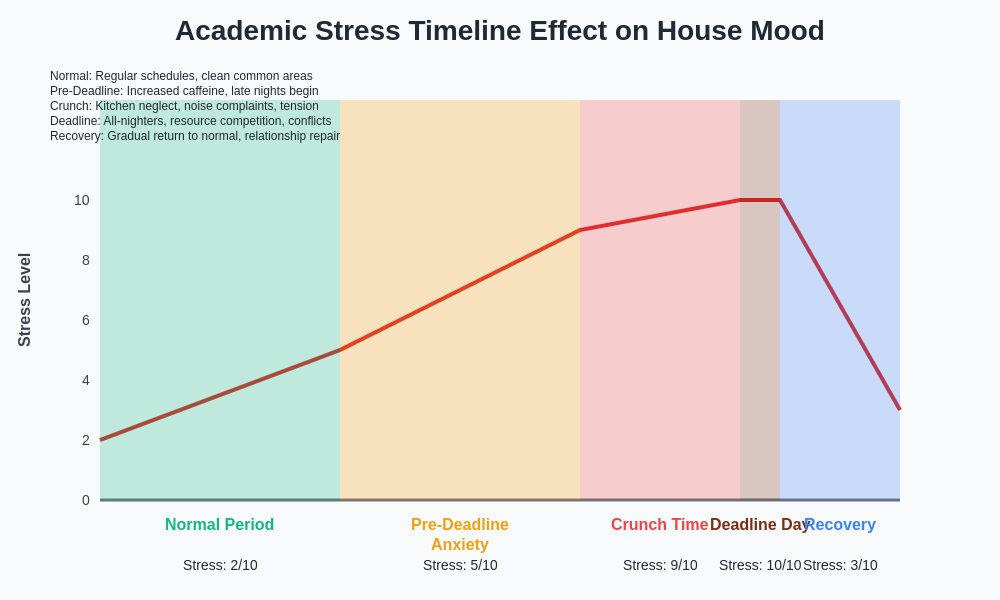
Academic deadline pressure operates like a contagious emotional state that spreads through shared living spaces regardless of whether all residents are students. The manifestation begins weeks before actual deadlines as anticipatory anxiety builds among student residents, gradually altering their daily routines, sleep patterns, and social behaviors in ways that inevitably impact their housemates’ experiences and comfort levels.
The physiological stress response that accompanies academic pressure creates observable changes in behavior patterns that affect shared resources and common spaces. Students under deadline pressure typically increase their caffeine consumption, alter their eating schedules, extend their study hours into traditionally quiet periods, and reduce their participation in household maintenance activities. These individual adaptations collectively transform the house environment in ways that create secondary stress for other residents.
How to handle roommate conflicts without moving out becomes particularly relevant during these periods as the normal conflict resolution strategies may prove inadequate when dealing with stress-induced behavioral changes. The temporary nature of academic deadlines often leads residents to tolerate increased tensions rather than addressing underlying issues, potentially creating long-term relationship damage that persists beyond the immediate academic pressure.
Resource Competition and Infrastructure Strain
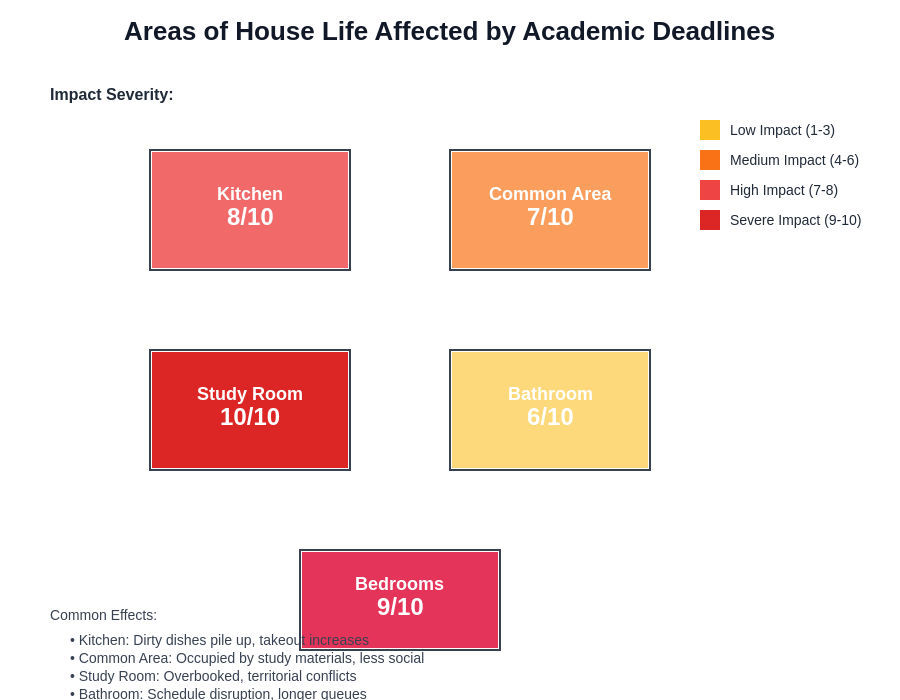
Academic deadlines dramatically alter resource utilization patterns within sharehouses, creating competition for previously abundant amenities and services. Internet bandwidth becomes a contested resource as multiple students simultaneously stream lectures, download research materials, and participate in online study groups. The increased demand often exceeds infrastructure capacity, leading to connection slowdowns that affect all residents’ digital activities and entertainment options.
Kitchen usage patterns shift significantly during deadline periods as students abandon regular meal preparation in favor of quick, convenient options that require minimal cooking time and cleanup effort. This transition often results in increased takeout orders, more frequent use of microwave and instant meal options, and reduced availability of cooking equipment for other residents who maintain normal eating schedules and food preparation preferences.
Bathroom and shower scheduling becomes more complex as students alter their daily routines to accommodate extended study sessions and irregular sleep patterns. Morning bathroom queues may extend into afternoon hours as students who studied through the night wake later, while late-night study sessions create additional demand during traditionally quiet evening hours. Understanding utility bills in Japanese sharehouses becomes more relevant as increased usage during deadline periods can lead to higher utility costs that affect all residents.
The competition for quiet study spaces within the house intensifies as students seek areas conducive to concentration and focus. Common areas that normally serve recreational purposes may be appropriated for study activities, limiting other residents’ access to relaxation and entertainment spaces. This spatial reorganization often occurs without explicit negotiation, leading to unspoken tensions and displaced activities that affect household harmony.
Sleep Pattern Disruption and Noise Management
Academic deadline pressure fundamentally alters sleep schedules throughout sharehouse communities, creating complex noise management challenges that extend beyond simple quiet hour policies. Students under pressure often adopt irregular sleep patterns that include late-night study sessions, early morning cramming periods, and afternoon nap schedules that conflict with other residents’ routines and expectations for shared living spaces.
The increased frequency of all-night study sessions creates noise pollution during traditionally quiet hours as students type on keyboards, participate in video conferences with study groups, take phone calls with classmates, and move around the house seeking snacks, caffeine, or study materials. These activities generate cumulative noise that can disturb non-student residents or students with different academic schedules who require sleep during these periods.
Why some residents never learn basic life skills becomes apparent during deadline periods as academic pressure often causes students to abandon household maintenance activities and personal care routines in favor of study time. This prioritization creates additional noise as students rush through daily activities, prepare quick meals at unusual hours, and handle personal tasks with less consideration for timing and noise levels.
The use of study aids and productivity tools during deadline periods introduces new noise sources that may not be covered by existing house rules. Students may use audio study materials, participate in online study groups with microphones, set frequent alarm reminders, and employ concentration techniques that involve background music or white noise that can affect adjacent rooms and common areas.
Social Dynamics and Relationship Strain
Academic deadlines create significant changes in social interaction patterns that can fundamentally alter sharehouse community dynamics and relationship quality. Students under pressure often withdraw from communal activities, reduce their participation in house meetings and social events, and limit their availability for casual conversations and friendship building activities that normally contribute to positive house atmosphere.
The stress-induced irritability that accompanies academic pressure leads to increased sensitivity to minor annoyances and reduced tolerance for normal household inconveniences. Small issues that would typically be overlooked or addressed diplomatically may escalate into significant conflicts when students are operating under high stress levels and reduced emotional regulation capacity.
Making friends through Tokyo sharehouse communities becomes more challenging during deadline periods as the social energy and time availability required for relationship building decreases significantly. New residents who arrive during academic pressure periods may struggle to integrate into the community as existing residents are less available for welcoming activities and social inclusion efforts.
The formation of study groups and academic support networks within the house can create exclusive social circles that inadvertently exclude non-student residents or students from different academic programs. These temporary alliances may shift existing friendship dynamics and create feelings of isolation among residents who are not participating in the intense academic activities driving house behavior during deadline periods.
Communication Breakdown and Conflict Escalation
Academic pressure significantly impacts communication quality and conflict resolution effectiveness within sharehouse communities. Students under deadline stress often exhibit reduced patience for lengthy discussions, decreased willingness to participate in collaborative problem-solving, and increased tendency toward brief, functional communication that lacks the social pleasantries that maintain positive relationships.
How conflict resolution styles differ by culture becomes particularly relevant during academic deadline periods as stress can cause residents to revert to their most familiar communication patterns, potentially abandoning the culturally sensitive approaches they might normally employ in international sharehouse settings. This regression can create misunderstandings and conflicts that have cultural dimensions beyond the immediate academic stress factors.
The decreased availability of students for house meetings and collaborative decision-making processes can create governance challenges that affect all residents. Important household decisions may be delayed or made without full participation, leading to resentment and implementation difficulties that extend beyond the immediate deadline period.
Financial Implications and Budget Stress
Academic deadline periods often create additional financial pressures that affect household economics and individual residents’ spending patterns. Students under deadline pressure frequently increase their spending on convenience foods, coffee shop study sessions, printing and materials costs, and deadline-related expenses that can strain personal budgets and affect their ability to contribute to household expenses promptly.
Living costs in Tokyo sharehouses explained includes considerations for the fluctuating expenses that accompany academic pressure periods. The increased utility usage, takeout ordering, and convenience purchases can create budget overruns that affect students’ ability to maintain their normal financial contributions to household expenses and shared purchases.
The tendency to order individual meals rather than participate in group cooking during deadline periods can increase overall food costs for the household while reducing the social benefits and cost savings typically associated with shared meal preparation. This shift affects both individual budgets and community bonding activities that contribute to positive house atmosphere.
Long-term Community Impact and Recovery
The effects of academic deadline periods on sharehouse communities extend beyond the immediate stress period, creating lasting changes in relationship dynamics, house rules, and community culture. Conflicts that arise during high-stress periods may create lingering tensions that affect future interactions and community harmony even after academic pressures have subsided.
How to spot financial red flags in sharehouse contracts becomes relevant as some residents may consider moving out during or after particularly challenging deadline periods, creating turnover that affects community stability and continuity. The financial implications of increased resident turnover can affect all residents through higher management costs and reduced community investment.
The development of coping strategies and support systems during academic deadline periods can strengthen community bonds and create more resilient house cultures that better handle future stress periods. Houses that successfully navigate these challenges often develop more sophisticated communication protocols, resource sharing systems, and mutual support networks that benefit all residents during both stressful and normal periods.
Mitigation Strategies and Community Support
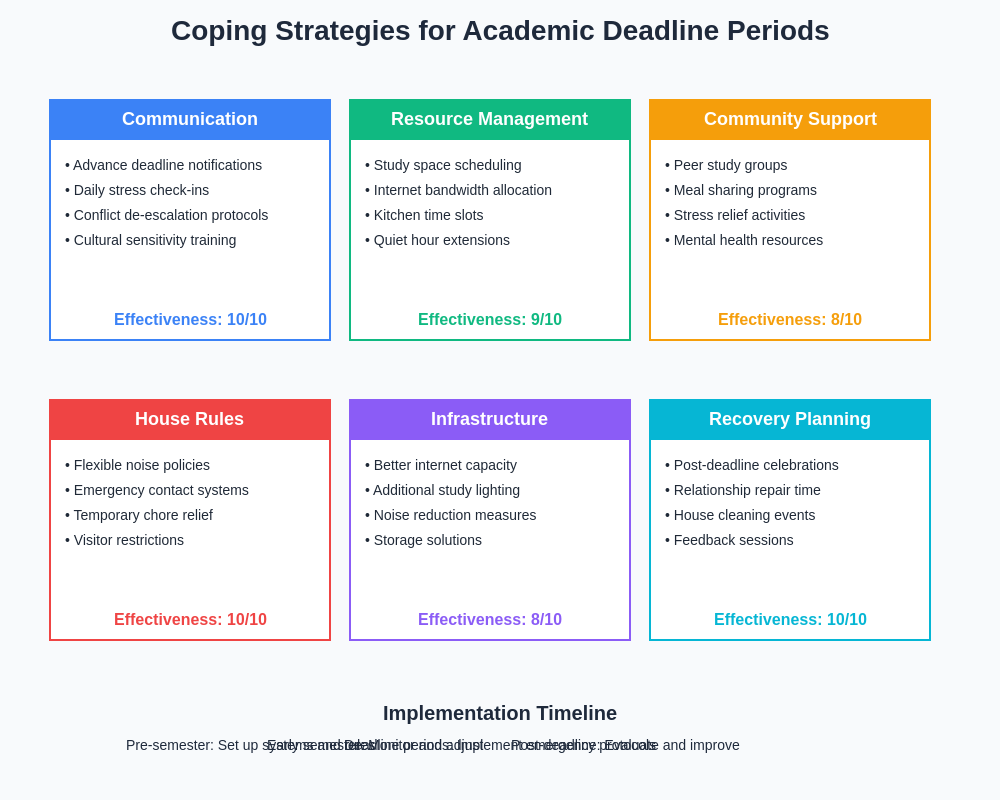
Successful sharehouse communities develop proactive strategies for managing the predictable stress periods that accompany academic calendars. These approaches typically include advance communication about upcoming deadline periods, temporary modifications to house rules and resource allocation systems, and support mechanisms that help both academic and non-academic residents navigate the challenges of deadline-induced stress.
Japanese sharehouse rules every foreigner should know may include specific provisions for academic deadline periods that help residents understand expectations and boundaries during high-stress times. These cultural considerations become particularly important in international sharehouses where academic pressure may manifest differently across cultural backgrounds and educational systems.
The establishment of quiet study spaces, flexible noise policies during deadline periods, and collaborative resource sharing systems can help minimize the negative impacts of academic stress on community harmony. Houses that invest in infrastructure improvements such as better internet capacity, additional study lighting, and noise reduction measures often experience fewer conflicts during deadline periods.
Creating Sustainable Academic Communities
The most successful student-oriented sharehouses develop cultures that acknowledge and accommodate the cyclical nature of academic pressure while maintaining community standards and mutual respect among all residents. This balance requires ongoing negotiation and adjustment as academic calendars, resident composition, and external pressures evolve throughout the year.
Why some students feel academic pressure varies significantly based on cultural background, academic program requirements, and personal circumstances, requiring flexible approaches that accommodate diverse stress responses and coping mechanisms. Understanding these individual differences helps communities develop more effective support systems and conflict prevention strategies.
The integration of academic support activities into house culture can transform deadline periods from sources of conflict into opportunities for community bonding and mutual assistance. Study groups, peer tutoring arrangements, and collaborative stress management activities can channel the energy of deadline periods into positive community building rather than destructive tension and conflict.
The recognition that academic deadlines inevitably affect house mood represents the first step toward developing more harmonious and supportive sharehouse communities that can thrive despite the predictable stresses of academic life. Through proactive planning, empathetic communication, and flexible community standards, sharehouses can transform these challenging periods into opportunities for deeper community bonds and more resilient living environments that benefit all residents regardless of their academic status.
Disclaimer
This article is for informational purposes only and does not constitute professional advice regarding stress management, academic planning, or conflict resolution. Individual experiences with academic pressure and community living may vary significantly based on personal circumstances, cultural background, and specific sharehouse environments. Readers experiencing significant stress or conflict should consider consulting with appropriate support services or professional counselors.