The phenomenon of academic pressure manifests differently across various nationalities, creating a complex tapestry of stress patterns and coping mechanisms that become particularly evident in the microcosm of Tokyo sharehouses. When students from diverse educational backgrounds converge in shared living spaces, their deeply ingrained academic philosophies, family expectations, and cultural approaches to learning create fascinating contrasts that can both inspire and challenge fellow residents.
Understanding these nationality-based differences in academic pressure becomes crucial for creating harmonious living environments where students can support each other while respecting cultural diversity. The intersection of traditional educational values with modern international study experiences creates unique challenges that require nuanced appreciation and thoughtful accommodation within sharehouse communities.
The Foundation of Cultural Academic Expectations
Educational systems worldwide have evolved through centuries of cultural, economic, and philosophical influences that continue to shape how different nationalities approach academic achievement and perceive educational success. These deeply rooted systems create fundamental differences in how students from various countries experience pressure, set goals, and measure their academic worth within competitive international environments.
Asian educational traditions, particularly those from East Asia, often emphasize collective responsibility and family honor through academic excellence, creating intense pressure that extends far beyond individual achievement. Student sharehouses near top Tokyo universities frequently witness these dynamics firsthand as students navigate between maintaining traditional expectations while adapting to different academic cultures.
Western educational philosophies typically focus more on individual development, critical thinking, and balanced lifestyle approaches, though significant variations exist between countries and even regions within nations. These differences become apparent in daily sharehouse interactions where study habits, stress responses, and academic priorities create visible contrasts among residents from different cultural backgrounds.
The historical context of educational development in various countries influences contemporary student behavior in ways that often surprise both the students themselves and their international housemates. Understanding these historical foundations helps explain why certain nationalities exhibit specific patterns of academic stress and achievement orientation.
East Asian Academic Intensity and Cultural Expectations
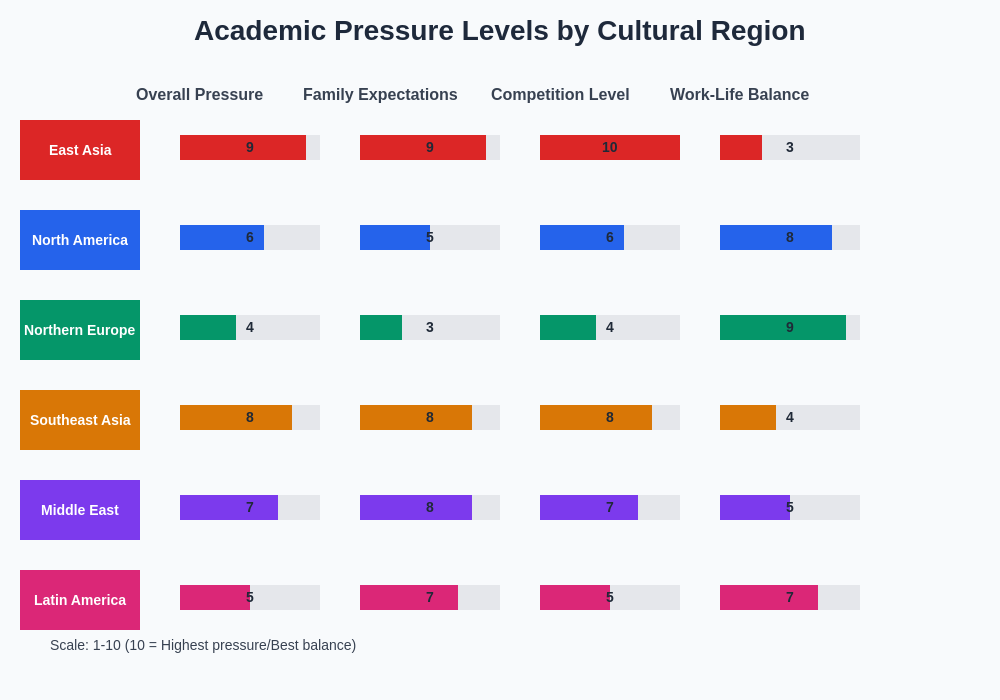
Students from countries such as South Korea, China, and Japan often arrive in Tokyo sharehouses carrying the weight of educational systems renowned for their rigor and competitive intensity. The concept of “education fever” prevalent in these societies creates academic pressure that begins in early childhood and intensifies throughout university years, often accompanied by significant family investments and expectations.
Korean students frequently experience some of the highest levels of academic pressure globally, stemming from the intense competition surrounding university entrance exams and the cultural importance placed on educational achievement as a pathway to social mobility. How academic pressure varies by nationality becomes evident in sharehouses where Korean residents often maintain rigorous study schedules and exhibit high stress levels during examination periods.
Chinese students commonly face immense pressure related to the Gaokao examination system and family expectations that view academic success as essential for securing stable futures and honoring family investments in education. This pressure often translates into highly disciplined study habits and reluctance to engage in social activities that might detract from academic focus.
Japanese students, while sharing some similarities with their regional counterparts, often experience unique pressures related to job hunting activities and the expectation to secure employment with prestigious companies immediately upon graduation. The traditional Japanese concept of lifetime employment creates additional stress around academic performance and networking activities.
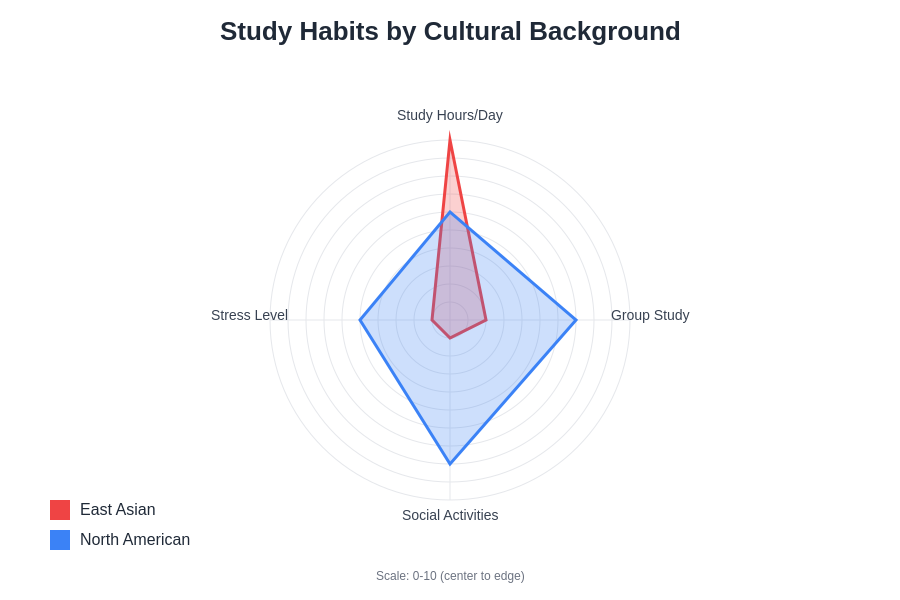
The manifestation of these pressures in sharehouse environments often includes extended study sessions, reluctance to participate in social activities, and visible stress responses during examination periods that can affect overall house dynamics and community relationships.
North American Approaches to Academic Balance
Students from the United States and Canada typically bring different perspectives on academic achievement that emphasize work-life balance, extracurricular involvement, and holistic personal development alongside academic success. These approaches often contrast sharply with more intensive academic cultures, creating interesting dynamics within international sharehouse communities.
American students frequently prioritize diverse experiences and skill development through internships, part-time work, and social activities, viewing these as equally important to classroom learning. Making friends through Tokyo sharehouse communities often benefits from North American students’ tendency to initiate social activities and encourage community building among residents.
Canadian students typically demonstrate similar balanced approaches while often showing greater cultural sensitivity and adaptability to different academic styles represented in their sharehouse communities. Their educational system’s emphasis on collaboration and inclusivity often helps bridge cultural gaps between residents with varying academic pressures.
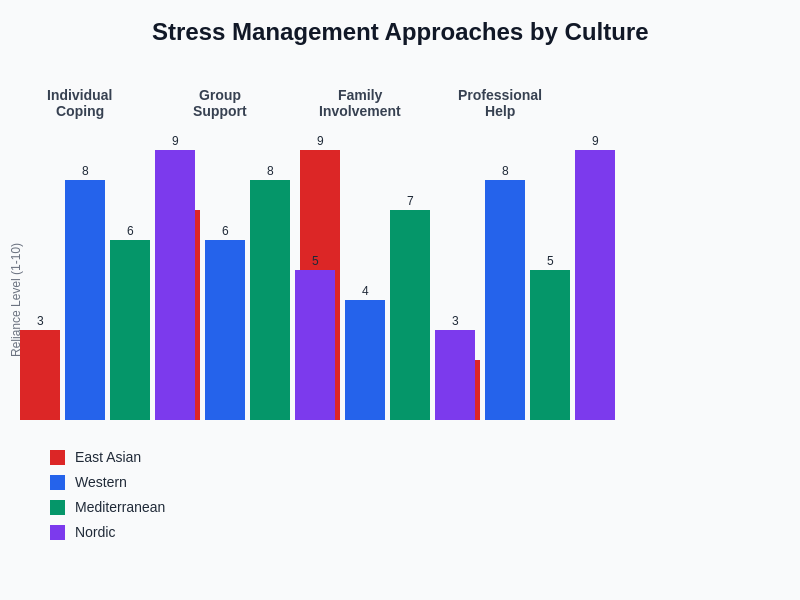
The North American emphasis on self-advocacy and open communication about stress and mental health often introduces valuable perspectives to sharehouses where students from other cultures might struggle silently with academic pressures. These cultural exchanges can lead to beneficial cross-cultural learning about stress management and academic coping strategies.
However, North American students may also experience unique pressures related to student loan debt, competitive graduate school admissions, and family expectations for independence and self-sufficiency that create different stress patterns compared to their international housemates.
European Educational Philosophies and Pressure Patterns
European students bring diverse academic approaches that vary significantly between countries but generally emphasize critical thinking, independent learning, and balanced lifestyle integration. The European higher education tradition often creates different pressure patterns compared to other regions, with notable variations between northern and southern European countries.
Scandinavian students typically experience lower academic pressure due to educational systems that prioritize equality, work-life balance, and social welfare support. Living with Japanese roommates in Tokyo sharehouses often reveals how these students’ relaxed approaches to academic stress can positively influence house dynamics and introduce alternative perspectives on success.
German students often demonstrate highly organized and systematic approaches to academic work, stemming from educational traditions that emphasize thorough preparation and methodical learning processes. Their academic pressure often relates more to personal standards and systematic achievement rather than external family or social expectations.
French students frequently exhibit academic confidence and intellectual curiosity while maintaining strong boundaries between academic work and personal life. Their educational system’s emphasis on critical analysis and debate often enriches sharehouse discussions and introduces alternative perspectives on academic achievement.
British students typically balance academic achievement with social engagement, though pressure levels vary significantly between different university traditions and socioeconomic backgrounds. The British tutorial system often creates different study patterns and stress responses compared to lecture-based educational approaches common in other countries.
Southeast Asian Educational Pressures and Family Dynamics
Students from Southeast Asian countries such as Thailand, Vietnam, Malaysia, and Singapore often experience academic pressures that blend traditional Asian educational values with colonial influences and modern globalization effects. These unique combinations create distinct patterns of academic stress and achievement orientation within sharehouse environments.
Thai students frequently face pressure related to family expectations and social hierarchy considerations, where educational achievement directly impacts future social status and family honor. How cultural differences affect friendship building becomes particularly relevant as Thai students navigate between maintaining respect for authority and engaging in peer relationships with international housemates.
Vietnamese students often carry intense pressure related to family sacrifices for educational opportunities and expectations for economic success that will benefit extended families. This pressure frequently manifests in highly disciplined study habits and reluctance to engage in activities perceived as non-productive for academic advancement.
Malaysian students typically experience diverse pressures depending on their ethnic and religious backgrounds, with different communities maintaining varying educational expectations and achievement standards. The multicultural nature of Malaysian society often prepares these students for navigating diverse sharehouse environments while managing their academic responsibilities.
Singaporean students frequently face intense competition and pressure related to maintaining academic excellence in a highly competitive educational system that emphasizes STEM achievement and global competitiveness. Their academic pressure often focuses on maintaining scholarships and meeting high performance standards required for continued educational support.
Latin American and Cultural Integration Challenges
Students from Latin American countries often bring different academic philosophies that emphasize social relationships, family connections, and community involvement alongside educational achievement. These approaches can create interesting contrasts with more individually focused or academically intensive cultures within sharehouse environments.
Mexican students frequently prioritize family relationships and community connections while pursuing academic goals, often experiencing pressure to balance educational advancement with maintaining strong family ties and cultural identity. Cultural adaptation happens gradually particularly applies to Latin American students adjusting to different academic intensity levels.
Brazilian students typically demonstrate social engagement and collaborative approaches to learning while facing pressures related to economic constraints and family expectations for educational success as a pathway to improved socioeconomic status. Their academic pressure often includes concerns about returning home with valuable skills and qualifications.
Argentine students often exhibit intellectual curiosity and critical thinking approaches while managing pressures related to political and economic instability that affects educational planning and career prospects. Their academic stress frequently includes concerns about long-term stability and international opportunities.
The integration challenges faced by Latin American students in academically intensive sharehouse environments often involve adjusting to different social norms around study habits, competition levels, and work-life balance expectations that may contrast with their cultural values.
African Educational Perspectives and Achievement Motivation
Students from various African countries bring diverse educational backgrounds and achievement motivations that often emphasize community benefit, family advancement, and national development through individual educational success. These perspectives create unique academic pressure patterns within international sharehouse communities.
Nigerian students frequently experience intense pressure related to family investments in education and expectations for achieving professional success that will benefit extended families and communities. How employment status impacts sharehouse approval often affects Nigerian students who balance academic pursuits with work requirements to support themselves and send money home.
South African students typically navigate complex pressures related to educational inequality, economic constraints, and expectations for contributing to national development through their academic achievements. Their academic pressure often includes awareness of representing broader communities and making the most of educational opportunities.
Kenyan students frequently demonstrate strong motivation for academic achievement combined with pressure to secure international opportunities that will provide stable futures and ability to support families. Their academic stress often includes concerns about visa requirements and maintaining international student status.
The community-oriented approach to achievement common among African students often introduces valuable perspectives to sharehouses where individual academic competition might otherwise dominate house dynamics and student interactions.
Middle Eastern Academic Traditions and Modern Pressures
Students from Middle Eastern countries often navigate between traditional educational values and modern international academic expectations, creating unique pressure patterns that reflect cultural transitions and family dynamics. These students frequently experience academic stress related to representing their countries and cultures in international settings.
Saudi students typically face pressure related to scholarship requirements and expectations for returning home with advanced qualifications that will contribute to national development goals. Student sharehouses near top Tokyo universities often house Saudi students who must balance academic achievement with cultural and religious observances.
Iranian students frequently experience academic pressure intensified by political considerations and limited international opportunities that make educational success crucial for future prospects. Their academic stress often includes concerns about maintaining international connections and opportunities despite political constraints.
Turkish students typically balance traditional family expectations with modern educational aspirations, often experiencing pressure to succeed in competitive international environments while maintaining cultural identity and family connections.
The intersection of traditional values with modern academic requirements often creates unique stress patterns for Middle Eastern students that require understanding and accommodation within diverse sharehouse communities.
Managing Cross-Cultural Academic Stress in Sharehouses
The convergence of diverse academic pressure patterns within sharehouse environments requires thoughtful management strategies that respect cultural differences while promoting mutual support and understanding among residents. Successful navigation of these differences often determines the overall harmony and productivity of sharehouse communities.
Creating awareness about different cultural approaches to academic achievement helps residents understand why their housemates might exhibit varying stress levels, study habits, and social participation patterns. How to handle roommate conflicts without moving out becomes particularly relevant when academic pressure differences create misunderstandings or tensions between residents.
Establishing house policies that accommodate different study needs while maintaining community engagement requires careful balance and ongoing communication among residents from diverse academic backgrounds. These policies might address quiet hours, shared space usage, and social activity expectations that respect varying academic pressures.
Developing support systems within sharehouses that acknowledge cultural differences in stress expression and coping mechanisms helps create environments where all residents can thrive academically while building meaningful international friendships and cultural understanding.
The long-term benefits of successfully managing cross-cultural academic pressure differences extend beyond individual sharehouse experiences to include enhanced cultural competency, improved international collaboration skills, and deeper appreciation for diverse approaches to education and achievement that prove valuable in future professional and personal contexts.
Understanding and respecting the cultural foundations of academic pressure ultimately enriches the sharehouse experience for all residents while promoting global citizenship and cross-cultural understanding that transcends educational achievements and contributes to building more inclusive international communities.
Disclaimer
This article is for informational purposes only and presents general observations about cultural patterns in academic pressure. Individual experiences may vary significantly within any nationality or cultural group. The information should not be used to make assumptions about individual students or their academic capabilities. Readers should approach cross-cultural interactions with openness and avoid stereotyping based on nationality or cultural background.