The intersection of academic life and sharehouse living in Tokyo creates a complex social environment where educational backgrounds, academic pressures, and scholarly pursuits can inadvertently become sources of division rather than connection among residents. While these events are typically designed to foster intellectual exchange and community building, they often reveal underlying tensions related to educational inequality, cultural differences in academic achievement, and varying levels of academic commitment that can fundamentally alter the social dynamics within shared living spaces.
Understanding these divisions becomes crucial for both residents and sharehouse operators who seek to create inclusive environments that celebrate academic diversity without creating hierarchies or exclusionary practices. The phenomenon extends beyond simple intellectual differences to encompass broader issues of social class, cultural background, language barriers, and personal insecurities that manifest most prominently during academically-focused social gatherings.
The Foundation of Academic Hierarchies in Shared Living
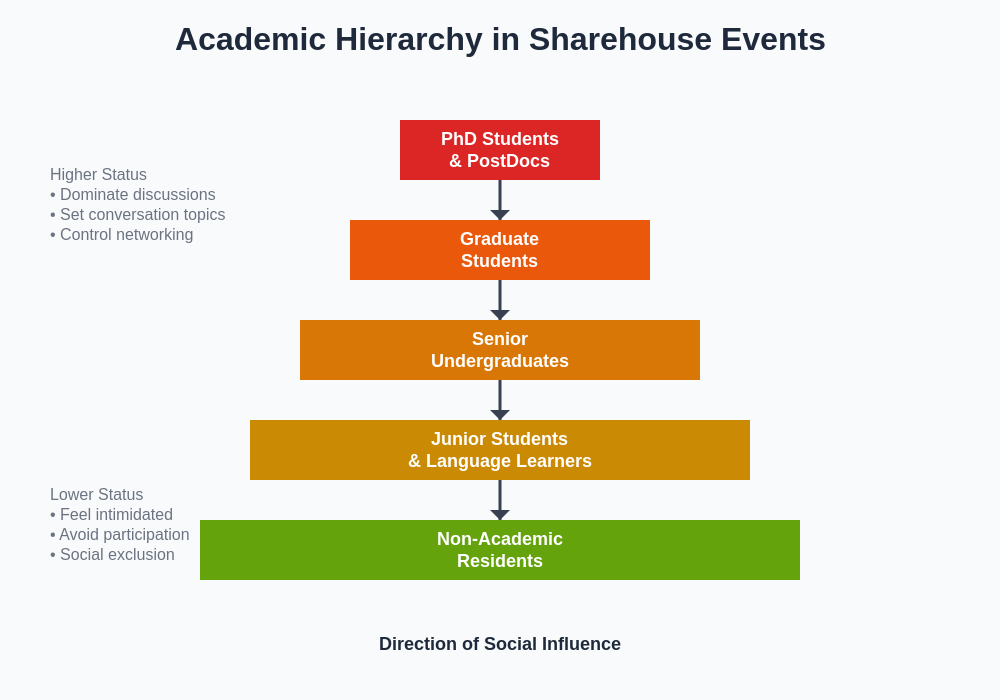
Academic social events in Tokyo sharehouses naturally gravitate toward creating informal hierarchies based on educational credentials, research achievements, and institutional affiliations that residents bring from their diverse academic backgrounds. Student sharehouses near top Tokyo universities often witness the most pronounced manifestations of these dynamics, where proximity to prestigious institutions amplifies competitive undertones during intellectual discussions and academic networking opportunities.
The subtle but persistent ranking system that emerges during these gatherings reflects Japan’s deeply ingrained academic culture, where university prestige and scholarly achievement carry significant social weight that extends into personal relationships and daily interactions. International residents frequently find themselves navigating unfamiliar academic status markers while simultaneously dealing with language barriers that can make participation in intellectual discussions particularly challenging and emotionally fraught.
These hierarchies become most visible during events such as research presentation evenings, study group formations, or academic networking mixers where residents naturally segregate based on their comfort levels with academic discourse, their confidence in their intellectual contributions, and their familiarity with Japanese academic customs and expectations.
Language Barriers and Intellectual Participation
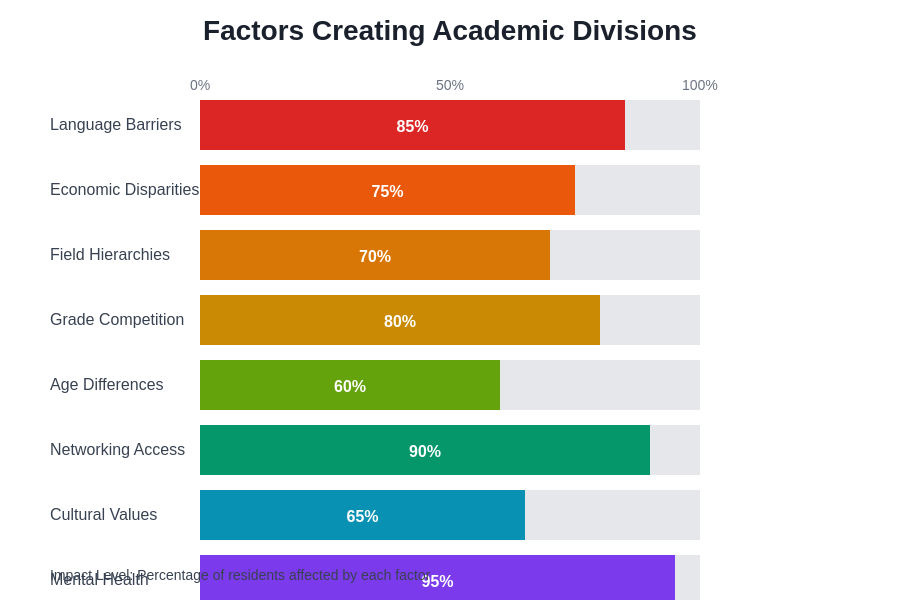
The linguistic demands of academic social events create particularly pronounced divisions among sharehouse residents with varying levels of Japanese proficiency and academic vocabulary mastery. English-speaking sharehouses in Tokyo for foreigners may seem to mitigate these challenges, but even within primarily English-speaking environments, academic discussions often require specialized terminology and cultural references that can exclude participants with different educational backgrounds or non-native speaker status.
Native Japanese speakers frequently dominate academic discussions not through intentional exclusion but through their natural comfort with complex vocabulary, cultural references, and communication styles that characterize Japanese academic discourse. International residents may find themselves relegated to passive observation roles during intellectual exchanges, contributing to feelings of inadequacy and social isolation that persist beyond the specific events themselves.
The expectation for articulate, sophisticated participation in academic discussions creates anxiety among residents who may possess valuable insights but lack the linguistic confidence to express them effectively in a second or third language. This dynamic is particularly challenging for residents whose academic backgrounds involve practical rather than theoretical knowledge, as their expertise may not translate easily into the discussion formats typical of academic social events.
Cultural Differences in Academic Achievement Values
Different cultural approaches to academic achievement and intellectual competition create fundamental tensions during sharehouse academic events, particularly when residents from various educational systems attempt to engage in collaborative intellectual activities. Living with Japanese roommates in Tokyo sharehouses often exposes international residents to the intense pressure and competitive nature that characterizes Japanese academic culture, where individual achievement and institutional prestige carry enormous social significance.
Western residents may approach academic discussions with collaborative mindsets that emphasize question-asking and exploratory dialogue, while residents from more hierarchical educational systems may expect formal presentations and respectful deference to expertise and credentials. These conflicting expectations create uncomfortable dynamics during events intended to foster intellectual community and shared learning experiences.
The varying emphasis placed on grades, research productivity, and academic recognition across different cultures means that what some residents view as healthy intellectual competition, others may experience as unnecessarily stressful or exclusionary behavior that undermines the supportive community atmosphere they seek in shared living environments.
Economic Disparities and Access to Academic Resources
Academic social events inadvertently highlight economic inequalities among sharehouse residents through discussions of research funding, conference attendance, study abroad opportunities, and access to academic resources that require significant financial investment. How to budget realistically for sharehouse living becomes particularly relevant when academic activities require additional expenses that not all residents can afford, creating exclusions based on economic rather than intellectual factors.
Conversations about expensive textbooks, paid research databases, international academic conferences, and study materials reveal disparities in educational funding and family financial support that can make some residents feel excluded from academic opportunities and discussions. Students working multiple part-time jobs to fund their education may lack the time and energy to participate in academic social events, further reinforcing divisions between economically privileged and struggling residents.
The assumption that all residents can afford to participate in academic outings, purchase shared reference materials, or contribute to group research projects creates subtle but persistent barriers that divide the sharehouse community along economic lines that intersect with academic engagement and intellectual participation.
Research Field Hierarchies and Interdisciplinary Tensions
Academic social events often reveal underlying hierarchies between different fields of study, with STEM disciplines frequently receiving more attention and perceived prestige than humanities or social sciences during intellectual discussions and collaborative activities. How academic networking happens in sharehouses demonstrates how these field-based divisions can influence friendship formation and professional networking opportunities within shared living environments.
Residents pursuing theoretical research may dominate conversations during academic events, while those engaged in practical or applied studies may feel their work receives less recognition or interest from their housemates. This dynamic particularly affects international students whose research areas may be less familiar to Japanese academic culture or whose work addresses issues specific to their home countries rather than universal academic concerns.
The tendency for certain academic disciplines to generate more engaging discussion topics or receive more social validation creates an informal ranking system that influences how residents perceive their own intellectual worth and their place within the sharehouse’s academic community.
Grade Competition and Performance Pressure
Academic social events frequently evolve into subtle competitions over grades, research achievements, and academic recognition that can poison the supportive atmosphere many residents seek in their living environment. Why academic pressure varies by nationality explores how different cultural approaches to academic achievement create varying levels of stress and competitive behavior during these social gatherings.
Conversations about exam results, paper grades, and research progress can inadvertently become opportunities for residents to establish their intellectual superiority or academic worthiness relative to their housemates. The pressure to demonstrate academic success during social interactions transforms what should be relaxing community time into additional sources of academic stress and social anxiety.
Residents who struggle academically may begin avoiding these events entirely, leading to social isolation that compounds their academic difficulties and creates lasting divisions within the sharehouse community based on perceived intellectual capability and academic performance.
Age and Academic Stage Disparities
The mixing of undergraduate students, graduate researchers, postdoctoral fellows, and visiting scholars in sharehouse academic events creates generational and experiential divisions that can make meaningful intellectual exchange challenging and socially uncomfortable. How age differences impact sharehouse compatibility becomes particularly relevant when academic events highlight these disparities in educational experience and scholarly maturity.
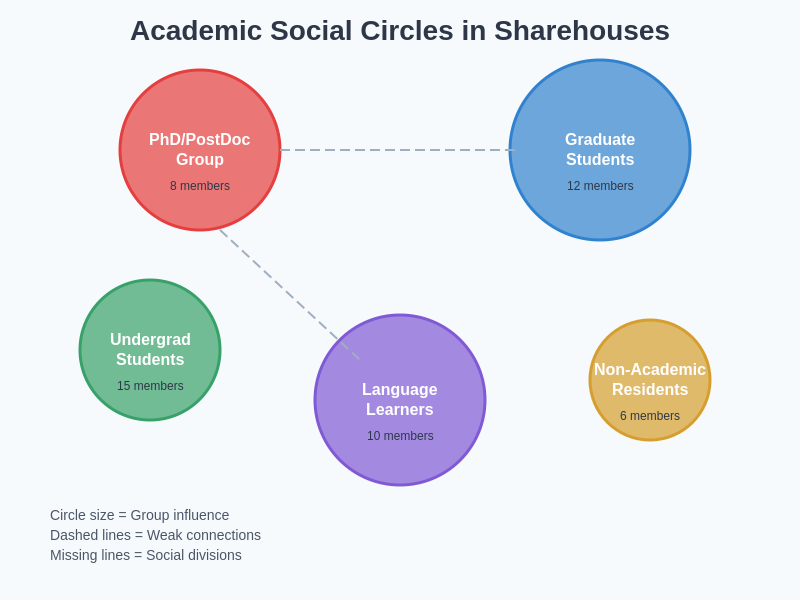
Younger residents may feel intimidated by the advanced research and professional experience of older housemates, while more experienced academics may find undergraduate-level discussions unstimulating or beneath their intellectual needs. These age-related academic divisions create separate social circles within sharehouses that rarely intersect meaningfully during academic events.
The different life stages represented in mixed-age academic sharehouses mean that residents have varying priorities, stress levels, and available time for intellectual engagement, making it difficult to design academic social events that appeal equally to all residents regardless of their academic stage or life circumstances.
Networking Exclusions and Professional Connections
Academic social events become platforms for professional networking that inadvertently exclude residents based on their research fields, career stages, or institutional affiliations, creating lasting social divisions that extend beyond the immediate academic discussions. How business travel affects long-term community building illustrates how professional networking activities can fragment sharehouse communities when some residents gain access to valuable opportunities while others remain excluded.
The tendency for academic networking to favor residents with established research programs, prestigious institutional affiliations, or advanced career positions means that newer students or residents from less prominent universities may find themselves systematically excluded from valuable professional connections and collaboration opportunities that emerge from sharehouse academic events.
These networking inequalities create resentment and social tension when residents realize that their living situation provides differential access to professional advancement opportunities based on factors beyond their control, such as their university’s reputation or their advisor’s professional connections.
Language School versus University Student Divisions
Tokyo sharehouses often house both university students and language school attendees, creating distinct social groups with different academic goals, social needs, and intellectual interests that rarely intersect meaningfully during academic social events. How language learning affects career opportunities demonstrates how these different educational paths create separate social spheres within shared living environments.
University students may view language school students as less academically serious or intellectually engaged, while language learners may feel intimidated by the advanced academic discussions and research-focused conversations that dominate sharehouse intellectual events. These perceptions create mutual exclusion patterns that prevent meaningful cross-pollination between different types of academic residents.
The different time commitments, stress levels, and social priorities between university research and language learning create scheduling conflicts and interest mismatches that make inclusive academic programming nearly impossible to achieve effectively.
Mental Health Impacts of Academic Social Pressure
The pressure to perform intellectually during sharehouse academic events can exacerbate mental health challenges among residents who already struggle with academic stress, imposter syndrome, or social anxiety in their formal educational environments. Why exam periods create stress for everyone explores how academic pressure within living spaces eliminates crucial recovery time and safe spaces that residents need for psychological well-being.
Residents experiencing academic difficulties may find that sharehouse intellectual events compound their stress by creating additional contexts where their struggles become visible to their living community. The inability to escape academic pressure even within their home environment can lead to social withdrawal, depression, and deteriorating academic performance that creates vicious cycles of isolation and failure.
The expectation for constant intellectual engagement and academic discussion during social events prevents residents from developing non-academic aspects of their personalities and relationships, leading to one-dimensional social connections that lack the depth and support needed for healthy community living.
Creating More Inclusive Academic Communities
Addressing the divisive nature of academic social events requires intentional programming that celebrates intellectual diversity while minimizing competitive and exclusionary dynamics that undermine community cohesion. Successful approaches focus on collaborative learning experiences that emphasize mutual support rather than individual achievement and create opportunities for residents to share their expertise in non-threatening, accessible formats.
Implementing structured discussion formats that ensure equal participation opportunities, providing translation support for non-native speakers, and rotating discussion topics to include practical knowledge alongside theoretical research can help create more inclusive academic programming. Making friends through Tokyo sharehouse communities provides additional strategies for building supportive social environments that transcend academic divisions.
The key lies in recognizing that true intellectual community emerges from mutual respect and collaborative learning rather than competitive achievement, requiring conscious effort to design academic social events that bring residents together rather than driving them apart based on educational background, academic performance, or research field prestige.
Understanding these dynamics allows residents and sharehouse operators to create more thoughtful approaches to academic programming that enhance rather than undermine the social fabric of shared living communities, ensuring that intellectual engagement serves to build bridges rather than create barriers between residents from diverse educational backgrounds and academic experiences.
Disclaimer
This article is for informational purposes only and reflects observations about social dynamics in academic sharehouse environments. Individual experiences may vary significantly based on specific house cultures, resident backgrounds, and management approaches. Readers should consider their own social needs and academic priorities when choosing sharehouse communities and participating in academic social events.