Living in a Tokyo sharehouse transforms adaptability from a desirable personality trait into an absolutely essential survival skill that determines whether your international living experience becomes a transformative journey of growth or a series of frustrating challenges that ultimately drive you away. The dynamic nature of shared living spaces, combined with the cultural complexity of Japan and the constant flux of international residents, creates an environment where your ability to adjust, evolve, and respond flexibly to unexpected situations directly correlates with your long-term success and happiness.
The sharehouse environment operates as a microcosm of Tokyo’s broader international community, where traditional Japanese customs intersect with global perspectives, creating unique challenges that require constant recalibration of expectations, behaviors, and communication strategies. Understanding how cultural adaptation happens gradually reveals the progressive nature of this essential skill development, while the immediate demands of daily coexistence accelerate the learning process in ways that few other living arrangements can match.
The Fundamental Nature of Sharehouse Adaptability
Adaptability in sharehouse living extends far beyond simple tolerance or patience, encompassing a comprehensive skill set that includes emotional flexibility, cultural intelligence, problem-solving creativity, and social navigation abilities that must be deployed simultaneously across multiple dimensions of daily life. The unpredictable nature of shared living means that residents must constantly adjust their expectations, routines, and responses to accommodate changing household dynamics, cultural differences, and unexpected circumstances that arise from living with diverse groups of people.
The complexity of adaptability requirements in Tokyo sharehouses stems from the intersection of multiple challenging factors including language barriers, cultural communication styles, different cleanliness standards, varying social expectations, and the constant turnover of residents that regularly reshuffles house dynamics and social hierarchies. How cultural differences affect friendship building demonstrates how these challenges create opportunities for personal growth when approached with genuine flexibility and openness to change.
Modern sharehouse living demands adaptability across practical, social, and emotional dimensions simultaneously, requiring residents to navigate everything from learning new household technologies and Japanese appliances to understanding subtle social cues and unspoken cultural expectations that govern daily interactions. The ability to quickly assess new situations, identify appropriate responses, and modify behavior accordingly becomes a daily necessity rather than an occasional requirement.
Cultural Navigation and Cross-Cultural Intelligence
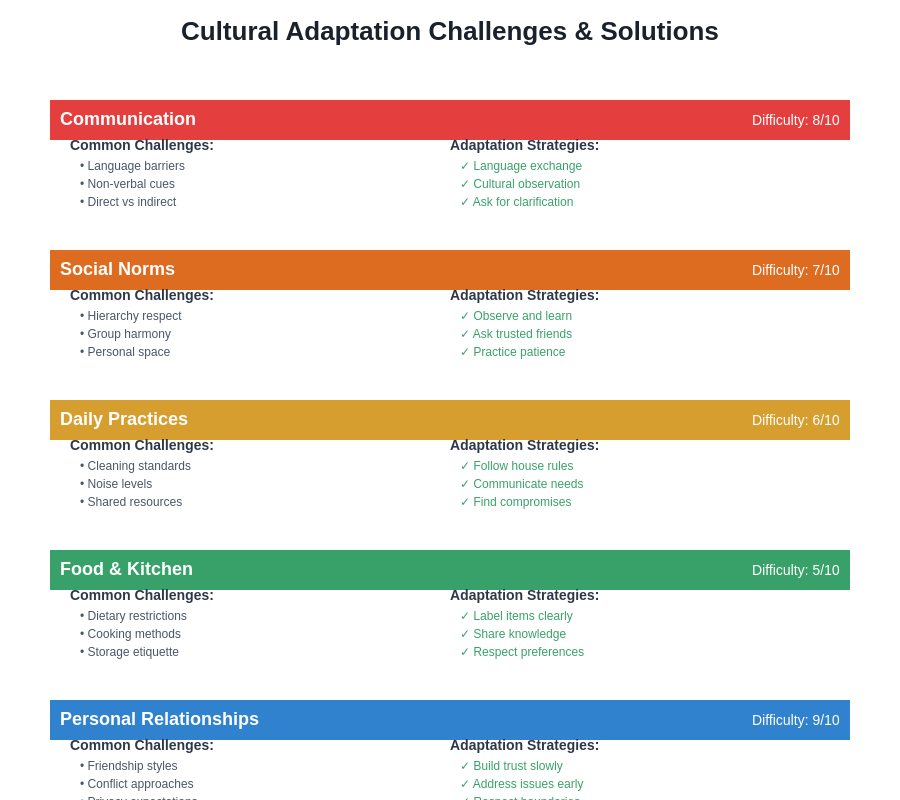
The development of cultural intelligence through sharehouse living requires constant adaptation to communication styles, social norms, and behavioral expectations that vary dramatically between different cultural backgrounds represented within the house community. Japanese cultural concepts such as reading the atmosphere, maintaining harmony, and understanding hierarchical relationships must be balanced with direct communication preferences from Western cultures and relationship-building approaches from various other international backgrounds.
Why cultural sensitivity develops through daily interaction illustrates how repeated exposure to different perspectives forces residents to develop nuanced understanding of cultural differences while simultaneously learning to modify their own behavior to maintain positive relationships. This process demands continuous adaptation as new residents arrive with different cultural backgrounds and established residents evolve their own understanding of cross-cultural dynamics.
The challenge of cultural navigation in sharehouses extends beyond obvious differences in language and customs to include subtle variations in concepts of personal space, time management, conflict resolution approaches, and social reciprocity that can significantly impact daily interactions and long-term relationship building. Successful adaptation requires developing sensitivity to these nuanced differences while maintaining authenticity and personal boundaries that preserve individual identity within the collective living environment.
Food culture represents one of the most immediate and ongoing areas requiring cultural adaptation, as shared kitchen spaces become testing grounds for accommodating different dietary restrictions, cooking methods, ingredient preferences, and meal timing expectations that reflect diverse cultural backgrounds and personal choices. How dietary restrictions complicate shared cooking explores how residents must continuously adapt their cooking habits, storage practices, and social eating customs to maintain harmony while meeting individual needs.
Social Dynamics and Relationship Flexibility
The constantly shifting social landscape of sharehouse living demands extraordinary flexibility in relationship building, communication approaches, and social participation as house demographics change with resident turnover and evolving group dynamics that can dramatically alter the social atmosphere within short periods. Adaptability in social situations requires learning to read group moods, understand individual personalities, and modify interaction styles to maintain positive relationships with diverse personalities and cultural backgrounds.
How friend groups form and exclude others reveals the complex social hierarchies and alliance patterns that naturally develop in shared living situations, requiring residents to adapt their social strategies and relationship approaches as these dynamics evolve over time. The ability to remain socially flexible while maintaining personal authenticity becomes crucial for long-term success and emotional well-being.
Conflict resolution in sharehouses demands adaptive communication skills that can bridge cultural differences in directness, authority respect, and problem-solving approaches while maintaining relationships and house harmony. How to handle roommate conflicts without moving out provides strategies for adapting conflict resolution approaches to different cultural communication styles and personality types encountered in international living situations.
The social adaptation process includes learning to navigate different concepts of friendship, privacy, reciprocity, and social obligation that vary significantly between cultures while developing sensitivity to individual personality differences that transcend cultural backgrounds. Successful social adaptation requires balancing cultural respect with personal authenticity while remaining flexible enough to adjust interaction styles based on specific relationships and situations.
Practical Life Skills and Daily Adaptation
Living in Tokyo sharehouses requires continuous adaptation to practical challenges including learning new technologies, understanding different household systems, and developing problem-solving skills for unique situations that arise from combining diverse living habits with Japanese infrastructure and cultural practices. The constant need to adapt practical approaches to daily tasks creates a learning environment that accelerates personal development and self-reliance.
How smart home features change daily routines demonstrates how residents must continuously adapt to evolving household technologies and systems while accommodating different comfort levels and technical abilities among housemates. This adaptation extends beyond learning to use new devices to include developing patience for others’ learning processes and finding ways to share knowledge effectively across language and cultural barriers.
The practical adaptation process encompasses everything from learning Japanese laundry systems and garbage separation rules to understanding complex utility billing arrangements and developing strategies for sharing limited storage and living spaces effectively. Understanding utility bills in Japanese sharehouses illustrates how residents must adapt their understanding of financial responsibilities and resource management to accommodate different systems and shared accountability structures.
Daily routine adaptation becomes essential as residents learn to coordinate bathroom schedules, kitchen usage times, and quiet hours while accommodating different work schedules, sleep patterns, and lifestyle preferences that reflect diverse cultural backgrounds and personal circumstances. The ability to remain flexible with personal routines while maintaining individual needs and preferences requires sophisticated adaptation skills that develop through consistent practice and conscious effort.
Financial Adaptation and Resource Management
The economic realities of sharehouse living demand constant adaptation to shared financial responsibilities, group purchasing decisions, and resource allocation strategies that balance individual needs with collective benefits while accommodating different economic backgrounds and spending philosophies. How much Tokyo sharehouses really cost per month reveals the complex financial landscape that requires adaptive budgeting and spending strategies.
Financial adaptation includes learning to navigate group purchasing decisions, shared expense calculations, and collective resource management while respecting different economic circumstances and spending priorities among residents. The ability to adapt financial approaches to accommodate group dynamics while maintaining individual financial responsibility becomes crucial for long-term success and relationship harmony.
Currency fluctuations, visa status changes, and employment transitions require adaptive financial planning that can accommodate uncertainty while maintaining shared living commitments and responsibilities. How exchange rate fluctuations impact budgets demonstrates how international residents must develop flexible financial strategies that can adapt to changing economic circumstances while maintaining household stability.
Environmental and Physical Adaptation
The physical environment of Tokyo sharehouses demands continuous adaptation to space constraints, climate control challenges, and infrastructure limitations that require creative solutions and flexible approaches to personal comfort and daily functionality. Seasonal changes in Japan create additional adaptation challenges as residents learn to manage temperature, humidity, and weather-related issues within shared living spaces.
How climate control preferences create conflicts explores how residents must adapt their comfort expectations and develop compromise strategies for managing shared environmental controls while accommodating different cultural and individual preferences for temperature, humidity, and air circulation.
Space adaptation requires learning to maximize functionality within limited personal areas while respecting shared spaces and accommodating the storage and living needs of multiple residents with different organizational styles and space utilization approaches. The ability to adapt spatial usage patterns and storage strategies becomes essential for maintaining personal comfort while contributing to overall house functionality.
Noise adaptation presents ongoing challenges as residents learn to balance personal lifestyle preferences with shared living considerations, requiring sensitivity to different work schedules, social patterns, and cultural norms around appropriate noise levels and timing. How noise control becomes critical for career success demonstrates how environmental adaptation affects professional and personal success in shared living situations.
Communication and Language Adaptation
Language adaptation in Tokyo sharehouses extends beyond basic Japanese learning to include developing multilingual communication strategies, understanding cultural communication styles, and creating effective information sharing systems that accommodate different language abilities and communication preferences among residents. The constant exposure to multiple languages and communication styles accelerates adaptation skills while creating ongoing challenges for clear and effective interaction.
How language barriers complicate legal documents illustrates how residents must adapt their communication strategies to navigate complex administrative and legal requirements while building support systems within the house community. This adaptation includes developing strategies for seeking help, sharing information, and building understanding across language barriers.
Non-verbal communication adaptation becomes equally important as residents learn to interpret and respond appropriately to different cultural expressions, personal space preferences, and social cues that vary significantly between cultural backgrounds and individual personalities. The ability to adapt communication approaches based on specific relationships and situations while maintaining clear and respectful interaction becomes a daily necessity.
Digital communication adaptation includes learning to use various platforms and technologies preferred by different residents while developing strategies for sharing important house information across multiple communication channels and formats. How translation apps help daily interactions demonstrates how technology adaptation supports broader communication flexibility in multilingual living environments.
Emergency Preparedness and Crisis Adaptation
Living in Tokyo sharehouses requires adaptation to emergency preparedness protocols, natural disaster procedures, and crisis management approaches that accommodate both Japanese safety standards and the needs of international residents who may be unfamiliar with local emergency systems and cultural responses to crisis situations.
How earthquake drills expose building weaknesses reveals how residents must adapt their emergency preparedness strategies while learning to coordinate safety procedures with housemates from different cultural backgrounds who may have varying levels of familiarity with Japanese emergency protocols and natural disaster preparedness.
Health emergency adaptation includes understanding Japanese medical systems, developing support networks within the house community, and creating communication strategies for medical emergencies that can accommodate language barriers and cultural differences in medical decision-making approaches. The ability to adapt quickly to health crises while maintaining appropriate support and communication becomes crucial for individual and community safety.
Financial emergency adaptation requires developing flexible strategies for managing unexpected expenses, loss of income, or currency fluctuations while maintaining shared living commitments and accessing appropriate support resources within the house community and broader Tokyo international support networks.
Long-term Adaptation and Personal Growth
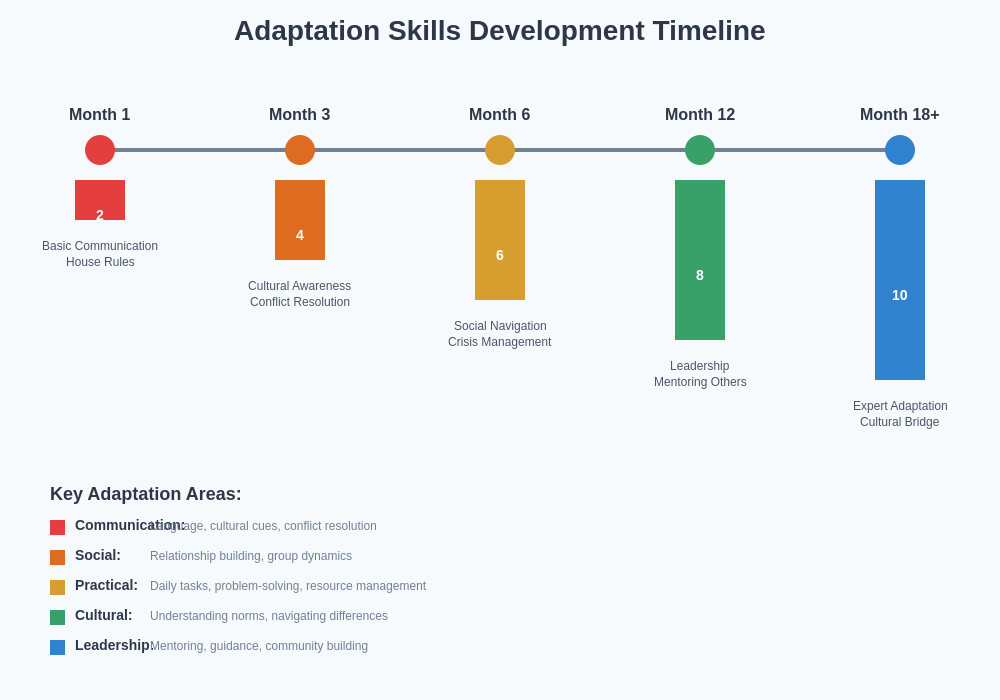
The continuous adaptation required for successful sharehouse living creates accelerated personal development opportunities that extend far beyond the immediate living situation to influence career development, relationship skills, cultural competency, and life perspective in ways that provide lasting benefits for future international and multicultural experiences.
How sharehouse living prepares you for future challenges demonstrates how the adaptation skills developed through shared living create transferable competencies that enhance professional flexibility, relationship building abilities, and cultural intelligence in diverse future contexts.
The adaptation process includes developing self-awareness about personal flexibility, cultural biases, communication patterns, and stress responses while building confidence in navigating complex social and cultural situations that require quick assessment and appropriate response strategies. This self-knowledge becomes valuable for future international experiences and multicultural professional environments.
Career adaptation benefits include developing networking skills, cultural competency, language abilities, and problem-solving creativity that enhance professional opportunities while building resilience and flexibility that support career transitions and international work experiences. The adaptive skills developed through sharehouse living often translate directly into valuable professional competencies that distinguish international candidates in competitive job markets.
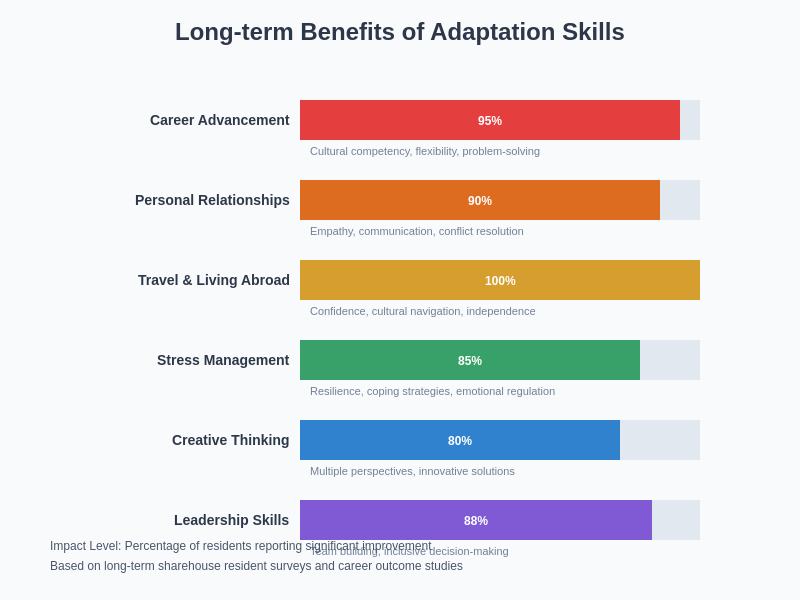
The journey of developing adaptability as an essential survival skill through Tokyo sharehouse living represents an investment in personal resilience, cultural intelligence, and social flexibility that provides lasting benefits extending far beyond the immediate living experience. While the constant need for adaptation can initially feel overwhelming, the development of these skills creates a foundation for success in increasingly globalized personal and professional environments where cultural flexibility and adaptive thinking become essential competitive advantages.
The transformation of adaptability from a helpful trait into a survival skill reflects the reality of modern international living, where success depends not on maintaining familiar patterns but on developing the confidence and capability to thrive within constantly changing circumstances. Through consistent practice and conscious development, sharehouse residents can master adaptation skills that serve them throughout their international journey and beyond.
Disclaimer
This article is for informational purposes only and reflects general observations about sharehouse living experiences. Individual experiences may vary significantly based on specific circumstances, cultural backgrounds, and personal adaptability. The development of adaptation skills is a personal process that requires time, patience, and conscious effort. Readers should consider their own circumstances and seek appropriate support when facing significant adaptation challenges.