Living as an international resident in Tokyo requires constant consideration of factors that domestic residents rarely contemplate, and among these considerations, proximity to airports emerges as a surprisingly crucial element that can significantly impact your quality of life, financial well-being, and overall experience in Japan. The strategic importance of airport accessibility extends far beyond occasional vacation planning, influencing everything from emergency travel situations to career opportunities and family relationships that span continents.
The complexity of Tokyo’s airport system, featuring both Haneda and Narita as major international gateways, creates unique challenges and opportunities for international residents who must navigate not only the physical distances involved but also the intricate transportation networks, cost implications, and time management strategies that determine whether airport access becomes a convenience or a persistent source of stress and expense.
Understanding Tokyo’s Dual Airport System
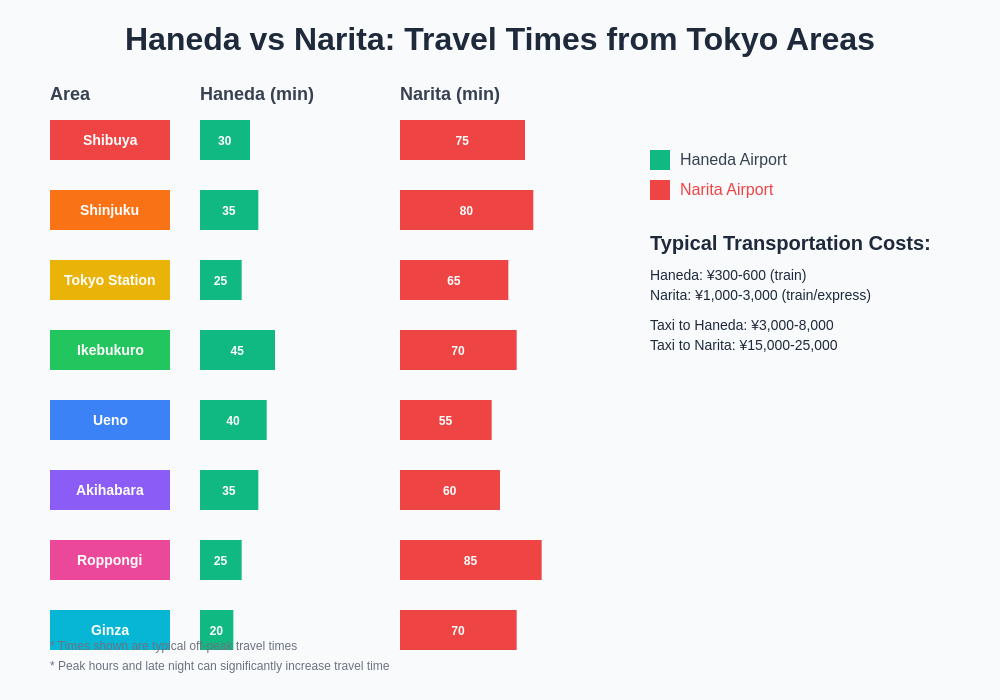
Tokyo’s aviation infrastructure centers around two major international airports that serve distinctly different purposes and passenger demographics, creating a complex decision matrix for international residents who must understand the characteristics and accessibility of each facility. Haneda Airport, located closer to central Tokyo, primarily handles domestic flights and select international routes, while Narita International Airport, situated further from the city center, serves as the primary gateway for long-haul international travel to destinations across Asia, Europe, and the Americas.
The geographical positioning of these airports creates significant variations in travel time and cost depending on your residential location within the greater Tokyo metropolitan area. Living costs in Tokyo sharehouses explained becomes particularly relevant when evaluating the hidden transportation expenses associated with different neighborhood choices and their proximity to airport access points.
The operational schedules of both airports present additional considerations for international residents, with last train times, overnight transportation options, and early morning departure accommodations varying significantly between different residential areas. Understanding these logistical constraints helps inform housing decisions that can prevent missed flights, expensive taxi rides, and the stress associated with inadequate airport connectivity.
The airline distribution between Haneda and Narita affects international residents differently depending on their travel patterns, home country connections, and preferred carriers, making airport proximity a personalized calculation rather than a universal consideration. Budget airlines, full-service carriers, and alliance partnerships create distinct advantages for residents with strategic proximity to their preferred departure point.
Emergency Travel and Family Obligations
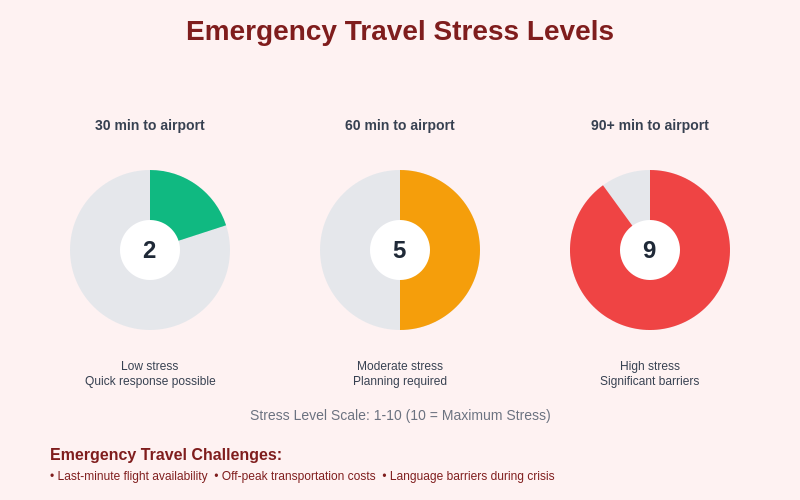
International residents face unique pressures regarding emergency travel situations that domestic residents rarely encounter, making airport accessibility a critical factor in managing family crises, medical emergencies, and urgent business obligations that require immediate international travel. The difference between a two-hour journey to the airport versus a four-hour odyssey can determine whether you catch the last available flight during emergency situations or face potentially devastating delays.
Family obligations across time zones create recurring scenarios where international residents must balance the emotional stress of distant emergencies with the practical challenges of rapid airport access. How to handle roommate conflicts without moving out becomes relevant when emergency departures disrupt sharehouse responsibilities and community obligations that require sensitive communication and advance planning.
The financial implications of emergency travel extend beyond ticket prices to include premium transportation costs during off-peak hours, overnight accommodations near airports when early morning flights are involved, and the potential need for express transportation services that can multiply travel expenses during crisis situations. Building airport accessibility into housing decisions provides insurance against these unexpected financial burdens.
Medical emergencies involving family members create particularly acute stress when combined with complex airport access requirements, language barriers during crisis communication, and the emotional burden of coordinating international travel while managing personal distress. Strategic residential positioning near reliable airport transportation can provide crucial peace of mind for international residents maintaining close family relationships across continents.
Career and Professional Travel Requirements
Professional obligations increasingly require international travel for career advancement, client relationships, and business development opportunities that can significantly impact long-term earning potential and professional growth trajectories. Business district sharehouses near Tokyo Station offers insights into balancing professional convenience with airport accessibility for career-focused international residents.
Frequent business travelers develop sophisticated understanding of travel time calculations, backup transportation options, and optimal scheduling strategies that minimize the stress and expense associated with regular airport access. The cumulative time savings achieved through strategic residential positioning can amount to dozens of hours annually, representing significant value beyond simple transportation cost considerations.
Client relationship management often involves last-minute travel adjustments, schedule changes, and time-sensitive departure requirements that demand reliable and efficient airport connectivity. International residents whose careers depend on maintaining relationships across multiple countries benefit substantially from residential locations that provide consistent and predictable airport access under various circumstances.
The emergence of remote work opportunities and international consulting arrangements has created new categories of professional travel requirements that blend business necessity with lifestyle flexibility. How to find perfect sharehouse tokyo becomes essential reading for professionals who must balance multiple location factors including airport convenience within their housing selection criteria.
Financial Impact of Transportation Costs
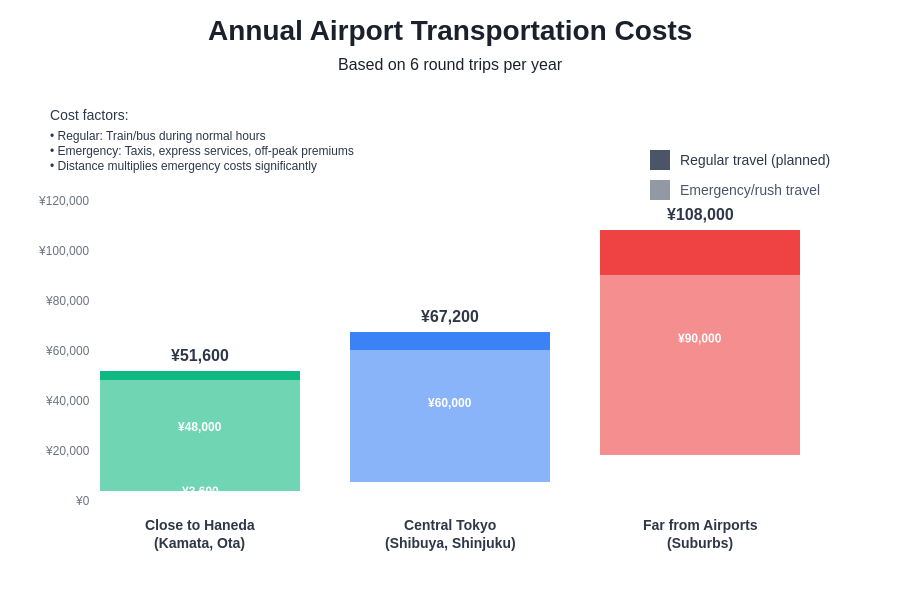
The mathematical reality of transportation expenses to and from airports creates significant budget implications for international residents who travel regularly, with distance-related costs accumulating into substantial annual expenses that can influence overall living affordability. Regular travelers often discover that apparent housing savings in distant neighborhoods disappear when transportation costs are calculated over time.
Premium transportation services during early morning or late evening hours can cost three to five times normal rates, transforming occasional inconvenience into major expense categories for residents whose travel patterns require off-peak airport access. How much tokyo sharehouses really cost per month should include airport transportation calculations for accurate budget planning.
Group transportation sharing among sharehouse residents can provide cost mitigation strategies, but requires coordination complexity and schedule alignment that may not always prove practical during individual travel situations. Building relationships with fellow residents who share similar travel patterns creates opportunities for expense sharing while reducing individual transportation burdens.
The opportunity cost of extended travel time to airports extends beyond direct transportation expenses to include lost productivity, increased stress levels, and reduced flexibility for travel planning and schedule management. International residents must evaluate these hidden costs alongside direct financial implications when making housing decisions.
Social and Cultural Connections
Maintaining meaningful relationships with family and friends across international boundaries requires regular travel that becomes significantly more manageable when airport access is convenient and predictable. Making friends through tokyo sharehouse communities takes on additional importance for international residents who rely on local social networks to balance the emotional challenges of distance from home communities.
Cultural celebration participation, family milestone events, and friendship maintenance across continents create recurring travel requirements that benefit substantially from efficient airport connectivity. The emotional and social costs of missing important events due to transportation complications can outweigh the financial benefits of distant housing arrangements.
International visitors from home countries require coordination and planning that becomes significantly easier when airport pickup and dropoff logistics are manageable from your residential location. Dating while living in tokyo sharehouses and other social activities can be enhanced when international friends and family can visit without creating major logistical challenges.
The psychological comfort of knowing that home is accessible through convenient airport connections provides emotional stability that contributes to overall mental health and cultural adaptation success. This psychological benefit often proves more valuable than quantifiable financial considerations when evaluating residential location decisions.
Emergency Preparedness and Evacuation Planning
Natural disasters, political instability, and other emergency situations can create sudden requirements for international evacuation that transform airport accessibility from convenience into survival necessity. International residents face unique vulnerabilities during emergency situations that domestic residents do not encounter, making evacuation planning a serious consideration in housing selection.
Embassy communications and evacuation procedures typically assume reasonable access to international departure points, with emergency transportation assistance often limited to major airports rather than comprehensive door-to-door service. Japanese sharehouse rules every foreigner should know includes understanding emergency procedures and communication protocols that may affect evacuation planning.
Insurance coverage and emergency assistance programs vary significantly in their scope and effectiveness, with many policies assuming standard transportation access that may not account for emergency conditions, transportation disruptions, or special circumstances that affect airport connectivity during crisis situations.
Building emergency preparedness into residential planning includes considering multiple transportation routes, backup communication methods, and essential document storage strategies that facilitate rapid departure when necessary. The peace of mind provided by thorough emergency planning contributes to overall quality of life and stress management for international residents.
Visa and Immigration Considerations
Visa renewal requirements, immigration appointments, and consular services often necessitate international travel that can create time-sensitive scheduling demands requiring reliable airport access. What documents you need for tokyo sharehouse applications connects to broader documentation management that includes passport renewal and visa processing that may require travel.
Immigration status changes, work permit renewals, and other bureaucratic requirements can create sudden travel needs with limited flexibility for scheduling and timing. International residents must maintain readiness for potentially urgent travel related to legal status maintenance and compliance requirements.
Third-country visa applications and consular appointments sometimes require travel to specific locations for processing, creating additional layers of travel complexity that benefit from efficient airport connectivity. These requirements often involve precise timing and schedule coordination that becomes significantly more manageable with convenient airport access.
The administrative complexity of maintaining legal residence status while managing international obligations requires careful coordination that becomes substantially easier when airport transportation logistics are predictable and manageable.
Technology and Remote Work Implications
Digital nomad lifestyles and remote work arrangements increasingly require international residents to balance location flexibility with practical considerations including reliable airport access for periodic travel requirements. How to budget realistically for sharehouse living must account for technology needs and travel requirements that support remote work arrangements.
Internet connectivity requirements for international video conferences and remote work coordination can be affected by travel schedules and airport access patterns that disrupt normal work routines. Coordinating professional obligations with travel logistics requires strategic planning that benefits from predictable transportation options.
Equipment transportation for remote work setups, technical conferences, and client meetings creates additional complexity for international travel that requires consideration of luggage handling, security procedures, and transportation logistics that connect residential location to airport access points.
The flexibility to take advantage of last-minute work opportunities, conference invitations, and professional development occasions depends substantially on the ability to reach airports efficiently and reliably when unexpected opportunities arise.
Health and Medical Considerations
Medical emergency evacuation coverage and international health insurance often assume reasonable access to international medical facilities and evacuation points, making airport connectivity a health security consideration beyond convenience. Why some residents feel unsafe at night connects to broader safety considerations that include emergency medical access and evacuation planning.
Prescription medication management across international boundaries requires careful planning and coordination that can be affected by travel disruptions, schedule changes, and transportation complications that interfere with medical treatment continuity and medication access.
Specialized medical treatment availability in home countries creates scenarios where international residents must balance local healthcare options with the possibility of returning home for specific medical procedures, treatments, or consultations that require efficient airport connectivity.
Mental health considerations include the psychological comfort of knowing that family support, familiar medical providers, and home country resources remain accessible through convenient travel options that reduce feelings of isolation and disconnection from support systems.
Long-term Residence Planning
Career development opportunities increasingly span multiple countries and regions, requiring international residents to maintain flexibility for potential relocations, extended assignments, and career transitions that benefit substantially from experience with efficient airport connectivity and international travel logistics.
Family planning considerations for international residents include evaluating long-term accessibility to home countries for child education, eldercare responsibilities, and extended family relationships that may require periodic extended visits or potential permanent relocation scenarios.
Investment and financial planning across international boundaries often requires periodic travel for banking, investment management, property oversight, and other financial obligations that benefit from efficient airport access and reliable transportation logistics.
Student sharehouses near top tokyo universities becomes relevant for international students who must balance academic obligations with periodic travel for family visits, academic conferences, and post-graduation planning that may involve international relocations.
The strategic value of developing expertise in international travel logistics, transportation planning, and airport connectivity extends beyond immediate convenience to create long-term advantages for career mobility, relationship maintenance, and lifestyle flexibility that support international living success.
Understanding the multifaceted importance of airport distance in residential planning empowers international residents to make informed decisions that support their complex needs while avoiding common oversights that can create ongoing frustration, expense, and limitation throughout their Tokyo living experience.
Disclaimer
This article provides general information about airport accessibility considerations for international residents in Tokyo. Transportation costs, schedules, and services are subject to change. Readers should verify current information and evaluate their specific circumstances when making housing decisions. Emergency planning should be discussed with relevant authorities and insurance providers. Individual travel patterns and requirements may significantly affect the importance of airport proximity.