Alcohol consumption rules in Japanese sharehouses represent a complex intersection of legal requirements, cultural sensitivities, and practical community management considerations that significantly influence daily life and social dynamics within shared living environments. These policies, while sometimes appearing restrictive to international residents accustomed to different drinking cultures, serve essential functions in maintaining harmonious coexistence, ensuring legal compliance, and protecting both individual residents and property management companies from various risks and liabilities.
The implementation of alcohol-related regulations in sharehouses extends far beyond simple preference or arbitrary management decisions, encompassing fundamental aspects of Japanese law, social expectations, and the unique challenges that arise when diverse groups of people share intimate living spaces. Understanding these underlying reasons provides valuable insight into Japanese society and helps international residents navigate cultural differences while building respectful relationships with housemates and property managers.
Legal Framework and Regulatory Compliance
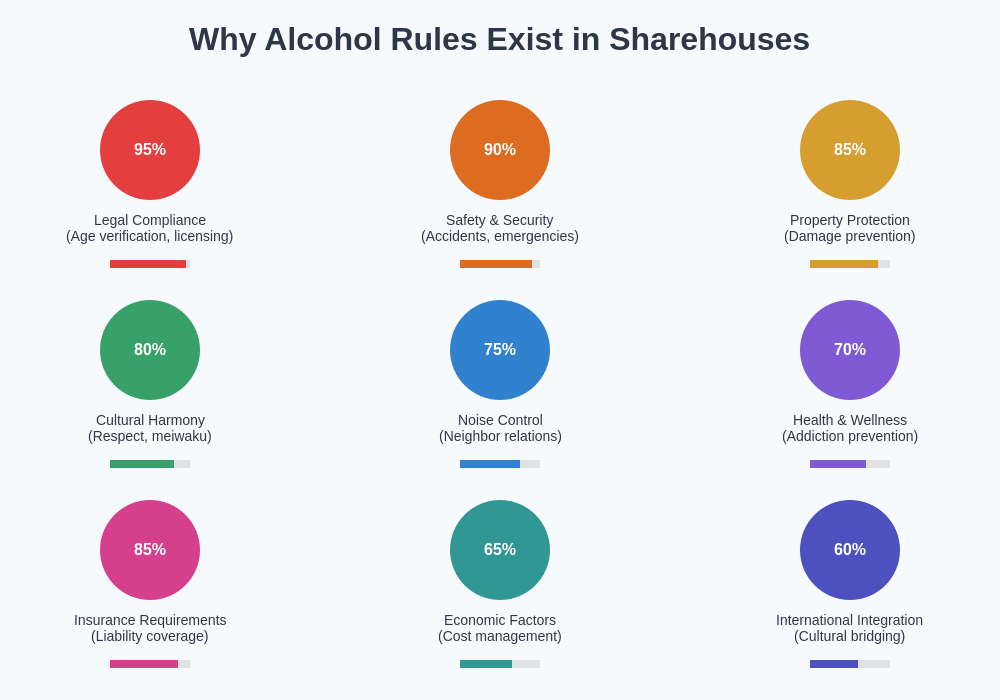
Japanese alcohol regulations create strict legal frameworks that directly impact how sharehouses establish and enforce consumption policies within their properties. The legal drinking age of twenty years old applies universally across Japan, making age verification and compliance monitoring essential responsibilities for property managers who must ensure their facilities do not enable underage drinking or face potential legal consequences.
Building licensing requirements often include specific clauses regarding alcohol consumption on premises, particularly in mixed-use or commercially-zoned buildings where sharehouses operate under special residential permits. Japanese sharehouse rules every foreigner should know provides essential context for understanding how legal requirements translate into daily house policies that affect resident behavior and social activities.
Insurance policies covering sharehouse properties frequently contain exclusions or limitations related to alcohol-related incidents, creating financial incentives for management companies to implement comprehensive policies that reduce liability exposure. Property damage, personal injury claims, and noise complaints involving alcohol consumption can result in substantial costs that ultimately affect rental pricing and availability for all residents.
Local municipal ordinances add additional layers of complexity, as different Tokyo wards maintain varying approaches to noise control, public safety, and residential building management that influence how sharehouses structure their alcohol-related policies. Some areas have particularly strict enforcement during certain hours or seasons, requiring houses to adapt their rules accordingly.
Cultural Context and Social Harmony
Japanese cultural attitudes toward alcohol consumption emphasize moderation, respect for others, and maintaining social harmony within group settings, principles that become magnified in the close quarters of sharehouse living. The concept of “meiwaku” (causing trouble for others) plays a central role in how alcohol policies are structured to prevent disruption of community peace and individual comfort levels.
Traditional Japanese drinking customs include specific etiquette around serving others, appropriate settings for consumption, and recognition of personal limits that may conflict with international drinking cultures focused on individual choice and personal freedom. Living with Japanese roommates in Tokyo sharehouses explores how these cultural differences create need for explicit policies that bridge varying expectations and behavioral norms.
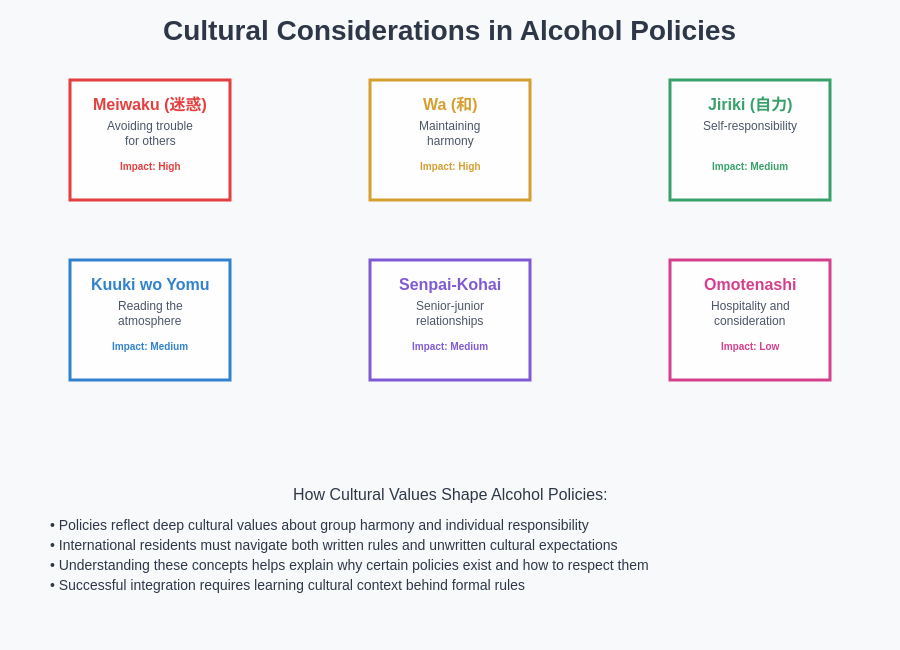
The hierarchical nature of Japanese social relationships extends to alcohol consumption, where age, professional status, and cultural background influence appropriate behavior and decision-making authority within house communities. Establishing clear rules eliminates ambiguity and prevents cultural misunderstandings that could escalate into serious conflicts or create lasting tension between residents.
Seasonal considerations in Japanese culture, such as year-end parties, cherry blossom viewing, and summer festivals, create periods of increased alcohol consumption that require specific management approaches to balance cultural participation with community responsibility. Houses must accommodate these important social traditions while maintaining consistent standards throughout the year.
Safety and Security Considerations
Alcohol-related safety concerns in sharehouses encompass both immediate physical risks and longer-term security implications that affect all residents regardless of their personal drinking habits. Impaired judgment can lead to accidents involving cooking equipment, bathing facilities, and stairways that pose dangers in shared living environments where emergency response may be delayed.
Personal security becomes compromised when residents under the influence of alcohol fail to properly secure common areas, forget to lock doors, or inadvertently provide building access to unauthorized individuals. How security deposits dont cover theft losses highlights how alcohol-related security breaches can result in property theft or damage that affects entire house communities.
Fire safety represents a particularly serious concern, as alcohol consumption increases risks of cooking accidents, improper disposal of cigarettes, and failure to follow emergency procedures that could endanger multiple residents. Japanese building codes and insurance requirements often mandate specific safety protocols that become more difficult to maintain when residents are under the influence.
Medical emergencies involving alcohol require immediate response capabilities that may be compromised in sharehouses where language barriers, cultural differences, and unfamiliarity with local emergency services create additional complications. Clear policies help ensure appropriate responses and prevent situations from escalating beyond manageable levels.
Property Protection and Damage Prevention
Alcohol consumption significantly increases risks of property damage through spills, accidents, and poor decision-making that can result in costly repairs and maintenance issues affecting all residents. Common areas with shared furniture, electronics, and appliances become particularly vulnerable when residents lack full control over their actions and judgment.
Staining and odor issues from alcohol spills create long-term problems that require professional cleaning or replacement of carpets, furniture, and wall surfaces, costs that often exceed security deposits and impact future residents’ living conditions. What security deposits actually cover in sharehouses explains how these damages typically fall outside standard coverage, making prevention essential.
Kitchen and bathroom facilities suffer increased wear and damage when used by intoxicated residents who may forget to clean up spills, properly operate appliances, or notice potential problems before they become serious issues. The shared nature of these spaces means that damage affects everyone’s daily routines and comfort levels.
Long-term property value preservation requires maintaining standards that attract quality residents and justify rental pricing, goals that become compromised when alcohol-related incidents create negative reputations or recurring maintenance problems that deter potential applicants.
Noise Control and Neighbor Relations
Alcohol consumption often leads to increased noise levels through louder conversations, music, and social activities that disturb other residents and potentially violate local noise ordinances that could result in complaints or legal action against the property. Why noise complaints happen even in quiet sharehouses demonstrates how alcohol-related noise issues can escalate quickly in dense urban environments.
Community relationships with neighboring properties become strained when sharehouses develop reputations for disruptive behavior, potentially affecting future rental applications and property management relationships that impact all residents. Maintaining positive neighborhood relations requires consistent enforcement of policies that prevent problems before they develop.
Time-based restrictions on alcohol consumption align with Japanese cultural expectations and local regulations regarding appropriate hours for social activities, helping houses maintain harmony with surrounding residential areas while allowing reasonable social interaction among residents.
The multicultural nature of many sharehouses creates additional complexity as different cultural backgrounds bring varying concepts of appropriate noise levels and social behavior that require clear guidelines to prevent misunderstandings and conflicts.
Health and Wellness Protection
Mental health considerations play important roles in alcohol policy development, as excessive drinking can exacerbate stress, depression, and anxiety issues that affect individual residents and overall house dynamics. Why mental health support varies in sharehouses explores how houses attempt to create supportive environments that promote positive coping mechanisms and healthy lifestyle choices.
Physical health protection involves preventing alcohol poisoning, reducing risks of accidents and injuries, and maintaining sanitary conditions in shared living spaces where illness transmission becomes amplified through close contact and shared facilities. Clear policies help identify concerning behavior patterns and enable appropriate intervention when necessary.
Addiction and dependency issues require sensitive handling that balances individual privacy with community safety, often necessitating policies that provide clear boundaries while connecting residents with appropriate professional support resources when problems develop beyond house management capabilities.
Sleep quality protection for all residents becomes essential in sharehouses where thin walls and shared spaces mean that late-night drinking activities can disturb others’ rest and affect work or study performance, creating ripple effects throughout the community.
International Resident Integration
Cultural bridge-building through alcohol policies helps international residents understand Japanese social norms while providing frameworks for respectful participation in local customs and traditions. How cultural adaptation happens gradually shows how clear guidelines facilitate positive cultural exchange and mutual understanding.
Language barriers can complicate alcohol-related communications and emergency situations, making clear written policies essential for ensuring all residents understand expectations and procedures regardless of their Japanese language proficiency levels. Visual aids and multilingual documentation help bridge these gaps effectively.
Legal status considerations affect international residents differently based on visa types, with student visas, work permits, and tourist statuses carrying varying implications for alcohol-related legal issues that could impact immigration status and future applications.
Professional reputation protection becomes crucial for international residents whose career prospects and visa renewals may be affected by any legal issues or incidents involving alcohol consumption, making compliance with house policies important for long-term success in Japan.
Economic Impact and Cost Management
Insurance cost management drives many alcohol policy decisions as property managers seek to minimize premium increases and claim risks that ultimately affect rental pricing for all residents. Living costs in Tokyo sharehouses explained includes insurance considerations that influence overall housing affordability.
Maintenance and cleaning costs increase significantly when houses experience regular alcohol-related incidents, expenses that often translate into higher fees, reduced amenities, or stricter policies that affect all residents regardless of their drinking habits. Prevention through clear rules proves more cost-effective than reactive management approaches.
Vacancy rates and resident turnover can increase when houses develop negative reputations for alcohol-related problems, affecting occupancy stability and requiring higher marketing costs and more frequent move-in procedures that strain management resources and impact community continuity.
Property value preservation requires maintaining standards that attract quality residents and justify rental rates, goals that become compromised when alcohol policies are inadequate or poorly enforced, leading to declining conditions and reduced market competitiveness.
Enforcement Mechanisms and Consequences
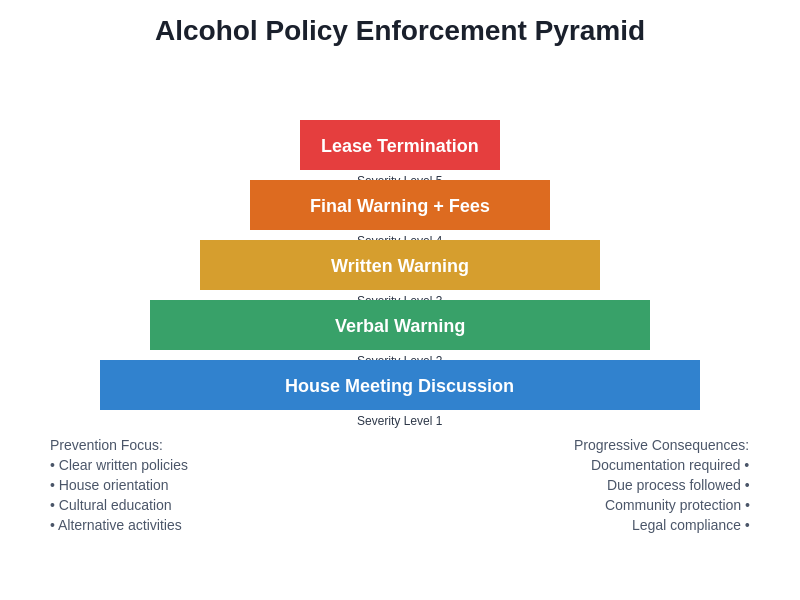
Warning systems typically provide graduated responses to alcohol policy violations, allowing residents opportunities to modify behavior before facing serious consequences while maintaining clear documentation of incidents for future reference. How to handle roommate conflicts without moving out offers strategies for addressing policy violations constructively.
Lease termination procedures for serious or repeated violations protect community welfare while ensuring due process and fair treatment of all residents involved in alcohol-related incidents. Clear documentation and consistent application of policies help prevent discrimination claims and maintain legal compliance.
Financial penalties such as cleaning fees, damage deposits, and fines provide economic incentives for policy compliance while compensating houses for additional costs incurred through alcohol-related incidents that affect shared spaces and community resources.
Community mediation processes help resolve conflicts arising from alcohol policy violations through facilitated discussions that promote understanding and prevent escalation while maintaining focus on community harmony and individual responsibility.
Alternative Social Frameworks
Alcohol-free social activities provide alternative frameworks for community building that accommodate residents who choose not to drink while creating inclusive environments that strengthen house relationships through shared interests and cultural exchange. Making friends through Tokyo sharehouse communities explores various approaches to building connections without relying on alcohol-centered activities.
Cultural celebration accommodation allows houses to participate in important Japanese traditions and international holidays while maintaining alcohol policies through designated events, controlled environments, and clear guidelines that balance cultural participation with community responsibility.
Professional networking opportunities within sharehouses often exclude alcohol to maintain focus on career development and skill building while creating comfortable environments for residents from diverse cultural and religious backgrounds who may not participate in drinking activities.
Wellness-focused alternatives such as fitness groups, cooking classes, and educational workshops provide meaningful social interaction opportunities that support personal development goals while building stronger community bonds through shared learning and achievement.
The complexity of alcohol consumption rules in Japanese sharehouses reflects broader societal values, legal requirements, and practical necessities that extend far beyond simple preference or arbitrary restriction. Understanding these underlying factors helps international residents appreciate the thoughtful consideration behind policies that initially may seem restrictive but ultimately serve to create safer, more harmonious, and legally compliant living environments that benefit all community members. Successful navigation of these rules requires respect for cultural differences, commitment to community welfare, and recognition that shared living involves mutual responsibility for creating positive experiences for everyone involved.
Disclaimer
This article is for informational purposes only and does not constitute legal advice. Alcohol policies in sharehouses may vary significantly between properties and operators. Residents should carefully review their specific house rules and consult with property managers or legal professionals for guidance on alcohol-related policies and their implications. Local laws and regulations regarding alcohol consumption may change, and individual circumstances may affect how policies apply to specific situations.