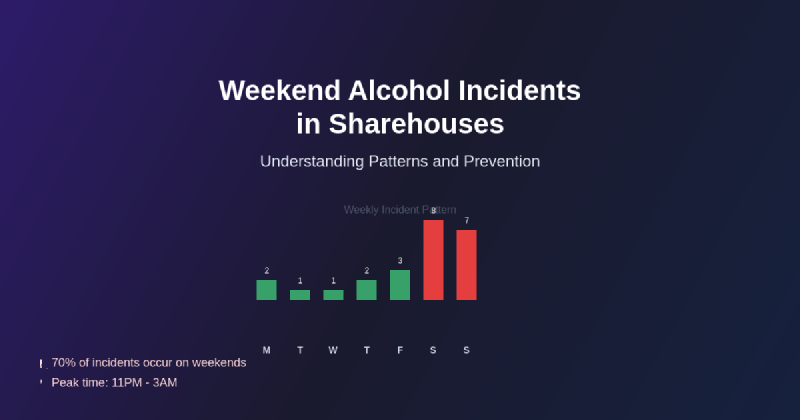
Weekend alcohol-related incidents in Tokyo sharehouses represent a significant challenge that affects community harmony, resident safety, and overall living quality across shared accommodation facilities throughout the city. The correlation between weekend social activities and increased alcohol consumption creates predictable patterns of behavior that can escalate into serious conflicts, property damage, and safety concerns if not properly understood and managed by both residents and house management teams.
The cultural intersection of Japanese drinking customs, international social expectations, and the unique dynamics of shared living environments creates complex situations where seemingly innocent social gatherings can quickly transform into problematic incidents that impact entire sharehouse communities. Understanding these patterns enables residents to make informed decisions about their living situations while helping house operators develop more effective policies and intervention strategies.
The Psychology of Weekend Social Behavior
Weekend periods naturally trigger psychological shifts in behavior patterns as residents transition from work or study responsibilities to leisure time activities. The anticipation of extended recovery time and reduced accountability creates psychological permission for increased risk-taking behaviors, including excessive alcohol consumption that would typically be moderated during weekdays by professional or academic obligations.
The social dynamics within sharehouses amplify these weekend behavioral changes as residents seek connection and entertainment within their immediate living environment. Making friends through Tokyo sharehouse communities often involves social drinking, which can escalate beyond comfortable limits when combined with cultural pressure, peer influence, and the convenience of consuming alcohol within one’s own living space.
International residents may experience additional psychological factors including homesickness, cultural adjustment stress, and social isolation that manifest more acutely during weekend periods when work or study distractions diminish. Alcohol becomes a readily available coping mechanism that can quickly progress from social lubricant to problematic dependency, particularly in environments where drinking culture is normalized and easily accessible.
The phenomenon of “weekend warrior” mentality encourages compressed social activities and celebration that attempts to maximize enjoyment within limited time frames. This intensity-focused approach to leisure time often leads to poor judgment regarding alcohol limits, personal boundaries, and consideration for other residents who may not participate in or appreciate disruptive social activities.
Cultural Factors and International Mixing
Tokyo sharehouses typically house residents from diverse cultural backgrounds with varying relationships to alcohol consumption, social drinking norms, and weekend recreation expectations. These cultural differences create friction points where misunderstandings and conflicts can escalate rapidly when combined with alcohol impairment and reduced inhibition levels among participants and observers alike.
Japanese drinking culture emphasizes group harmony and shared consumption experiences, but also includes expectations for responsible behavior and consideration of others that may not translate effectively to international residents unfamiliar with these subtle social contracts. Living with Japanese roommates in Tokyo sharehouses requires understanding these nuanced cultural expectations around alcohol use and social behavior.
Western drinking cultures often emphasize individual freedom and personal choice regarding alcohol consumption, potentially conflicting with communal living expectations and shared responsibility for maintaining peaceful environments. These cultural clashes become particularly pronounced during weekend periods when residents feel entitled to relaxation and entertainment that may disrupt others’ rest or study needs.
Religious and cultural prohibitions against alcohol consumption create additional complexity within sharehouse communities where some residents abstain entirely while others engage in regular social drinking. Weekend periods intensify these divisions as non-drinking residents may feel excluded, judged, or uncomfortable with the increased presence and influence of alcohol within their living environment.
The normalization of excessive drinking within certain cultural contexts can create peer pressure situations where residents feel compelled to participate beyond their comfort levels or risk social isolation within their immediate living community. This pressure becomes particularly acute during weekend gatherings where alcohol consumption often serves as a social bonding mechanism and participation indicator.
Practical Factors Contributing to Weekend Incidents
The practical reality of sharehouse living creates multiple environmental factors that contribute to increased alcohol-related incidents during weekend periods. Shared kitchen spaces, limited storage areas, and communal refrigeration systems make alcohol easily accessible and visible, reducing barriers to consumption and creating opportunities for spontaneous drinking sessions that can quickly escalate beyond planned moderation.
Weekend schedules eliminate weekday restrictions on noise levels, guest policies, and social activities, creating perceived permission for behavior that would be unacceptable during working periods. Japanese sharehouse rules every foreigner should know often address these weekend-specific concerns, but enforcement becomes challenging when multiple residents participate in or tolerate disruptive activities.
The proximity of convenience stores, vending machines, and affordable alcohol retailers near most Tokyo sharehouses makes impulse alcohol purchases extremely convenient during weekend periods when residents have more disposable time and reduced inhibition regarding spending decisions. This accessibility removes natural barriers that might otherwise moderate consumption levels or provide cooling-off periods for emotional decision-making.
Group purchasing and bulk alcohol buying for social events creates situations where large quantities of alcohol remain available after initial consumption periods, leading to extended drinking sessions that continue beyond original plans or participant comfort levels. Group buying power reduces individual costs but can inadvertently encourage overconsumption when applied to alcohol purchases.
Limited privacy and personal space within sharehouses can drive residents to seek escape through alcohol consumption, particularly during weekend periods when the constant presence of roommates becomes more noticeable and potentially overwhelming. The lack of private retreat spaces means that alcohol becomes one of the few readily available methods for mental and emotional distancing from communal living stresses.
Social Pressure and Group Dynamics
Weekend social activities within sharehouses often develop informal hierarchies and inclusion patterns that use alcohol consumption as a social currency and participation marker. Residents who abstain or limit their drinking may find themselves gradually excluded from social circles, creating pressure to conform to group drinking norms that may conflict with personal values, health considerations, or financial constraints.
The formation of drinking cliques within sharehouse communities can create divisive social dynamics where non-participants feel marginalized and participants develop increasingly insular behaviors that prioritize group loyalty over broader community consideration. These divisions become particularly pronounced during weekend periods when social activities intensify and group boundaries become more clearly defined through participation levels.
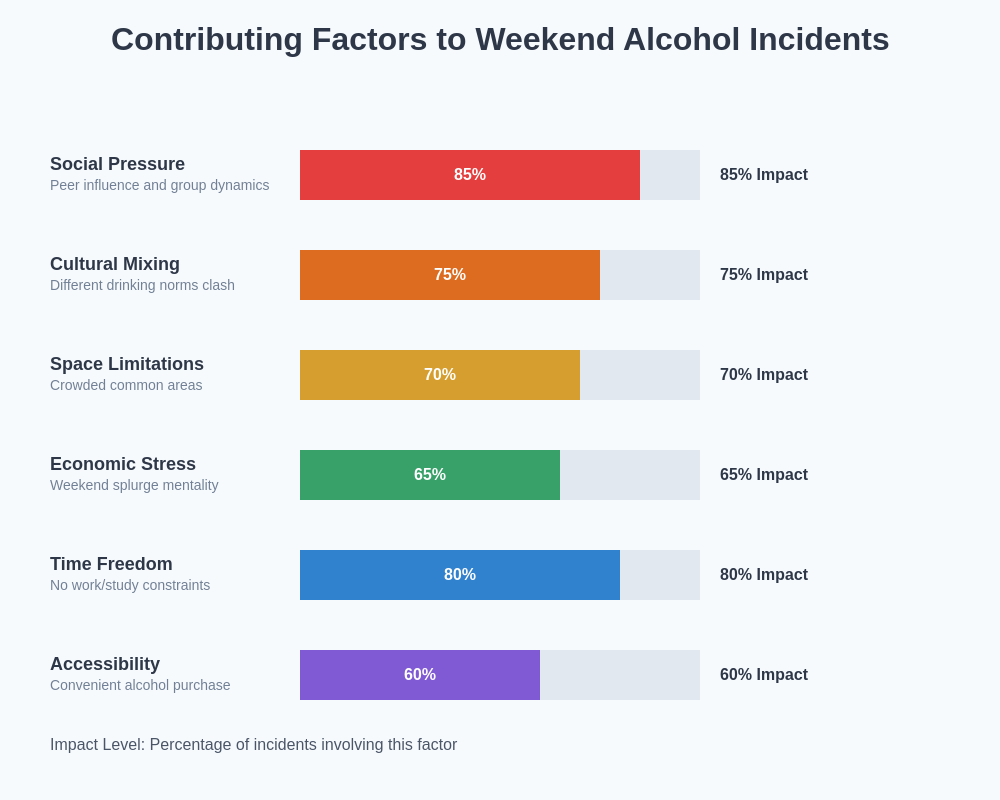
The interconnected nature of these contributing factors means that addressing weekend alcohol incidents requires comprehensive approaches that acknowledge the multiple psychological, social, and environmental elements that combine to create problematic situations within sharehouse communities.
Peer pressure mechanisms within drinking groups often escalate consumption beyond individual comfort zones as participants compete for social status, attempt to prove cultural adaptability, or simply maintain inclusion within their primary social network. How age differences impact sharehouse compatibility includes varying tolerance levels and social drinking expectations that can create additional pressure points during group consumption events.
The phenomenon of social facilitation causes individuals to consume more alcohol in group settings than they would independently, as the presence of others reduces personal accountability and creates shared responsibility for decision-making. Weekend group activities amplify this effect by extending social interaction periods and reducing external monitoring or intervention opportunities.
Leadership dynamics within drinking groups can become problematic when influential residents normalize excessive consumption or dismiss concerns about safety, noise levels, or consideration for other community members. These informal leaders often set consumption standards and behavioral expectations that other participants feel pressured to match or exceed, leading to escalating incidents and conflicts.
Economic Stress and Weekend Spending
Financial pressure represents a significant underlying factor in weekend alcohol-related incidents as residents attempt to maximize entertainment value from limited disposable income through concentrated spending on alcohol and social activities. How to budget realistically for sharehouse living becomes complicated when social pressure drives spending beyond planned limits during weekend recreation periods.
The relative affordability of alcohol compared to other entertainment options in Tokyo makes drinking an attractive social activity for budget-conscious residents seeking weekend entertainment. However, this cost-effectiveness can lead to overconsumption as participants attempt to extend social experiences and maximize perceived value from their entertainment investments.
Binge consumption patterns develop when residents restrict alcohol spending during weekdays and then compensate through intensive weekend consumption that attempts to satisfy accumulated social and recreational desires within compressed timeframes. This feast-or-famine approach to alcohol consumption creates dangerous consumption spikes that increase incident probability and severity.
Competition over alcohol costs and contribution expectations within group purchases can create tension and conflict before consumption even begins, establishing negative emotional foundations that alcohol consumption then amplifies into more serious conflicts and confrontations. Fair sharing of alcohol costs becomes complicated when participants have different consumption rates, preferences, and financial capabilities.
The economic vulnerability of many international sharehouse residents makes them susceptible to social pressure around alcohol spending that conflicts with their financial reality, leading to stress, resentment, and poor decision-making that contributes to weekend incident escalation and community conflict.
Physical Environment and Space Limitations
The physical constraints of sharehouse living create environmental conditions that amplify alcohol-related incidents during weekend periods when social activities concentrate within limited common areas. Noise transmission through shared walls, floors, and ceilings means that weekend drinking activities can disturb non-participating residents regardless of their location within the building, creating involuntary involvement in alcohol-related disruptions.
Kitchen and common area capacity limitations force social drinking activities into closer proximity than participants might prefer, reducing personal space and increasing interaction intensity that can quickly escalate from friendly socialization to uncomfortable confrontation when alcohol impairs judgment and emotional regulation. Morning bathroom queues are inevitable in sharehouses become even more problematic when weekend alcohol consumption creates extended occupancy periods and cleanup requirements.
Shared refrigeration and storage spaces create conflicts over alcohol storage, temperature preferences, and space allocation that become more contentious during weekend periods when alcohol consumption increases and storage competition intensifies. These seemingly minor practical issues can trigger broader conflicts when participants are impaired and less capable of rational problem-solving or compromise.
Limited bathroom facilities become particularly problematic during weekend drinking activities as alcohol increases frequency of use while simultaneously impairing coordination and cleanliness standards. The resulting conflicts over bathroom access, cleanliness, and appropriate behavior create additional friction points that can escalate into serious incidents when combined with alcohol-impaired emotional responses.
Outdoor space restrictions in Tokyo sharehouses mean that smoking, phone conversations, and cooling-off activities must occur within the building or in very limited external areas, preventing natural de-escalation opportunities that might otherwise reduce incident severity and frequency during social drinking events.
Time Management and Sleep Disruption
Weekend alcohol activities typically extend well beyond normal social hours as participants lack weekday responsibilities and time constraints. Sleep quality suffers in shared environments becomes significantly worse when weekend drinking activities extend into early morning hours, creating cumulative sleep disruption that affects entire communities rather than just participating residents.
The extension of drinking activities beyond normal social hours increases the probability of incidents as participants become more impaired, emotionally volatile, and less capable of appropriate decision-making regarding noise levels, behavior standards, and consideration for others. Late-night incidents also become more serious because intervention and support resources are typically less available during overnight hours.
Sleep disruption from weekend alcohol activities creates cascading effects throughout the following week as affected residents experience reduced work or study performance, increased stress levels, and accumulated resentment toward participating community members. These secondary effects often generate more serious conflicts than the original incidents themselves.
Recovery time requirements after weekend drinking incidents mean that community disruption extends beyond the immediate event period, as participants may require extended rest periods, cleanup activities, and conflict resolution discussions that continue affecting normal house operations for several days following the original incident.
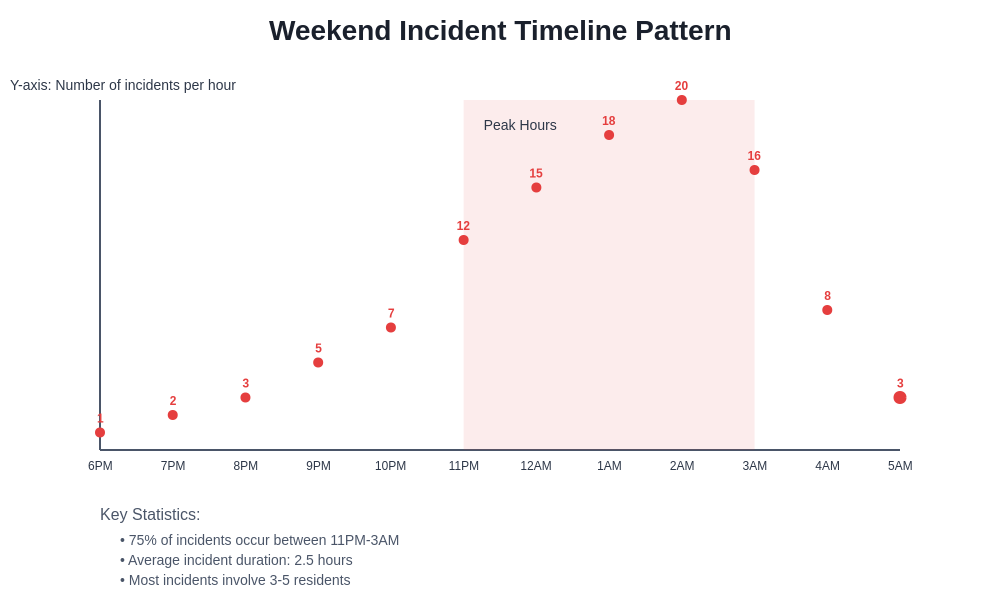
The predictable pattern of weekend alcohol incidents allows both residents and house management to anticipate peak risk periods and implement targeted prevention strategies during the most vulnerable timeframes.
The cyclical nature of weekend drinking patterns creates predictable stress and anxiety for non-participating residents who must repeatedly manage disruption, cleanup, and conflict resolution without receiving corresponding social benefits or entertainment value from the activities causing these problems.
Prevention Strategies and Community Solutions
Effective prevention of weekend alcohol-related incidents requires proactive community planning that acknowledges the inevitability of social drinking while establishing clear boundaries, expectations, and intervention mechanisms that protect all residents’ rights and safety. How to handle roommate conflicts without moving out becomes essential knowledge when weekend drinking creates recurring community problems.
House meetings and community discussions about alcohol policies, weekend expectations, and incident response procedures create shared understanding and accountability that can prevent minor issues from escalating into serious problems. These conversations should occur during sober periods when participants can engage rationally and commit to reasonable behavioral standards.
Designated social spaces and time restrictions for alcohol consumption help contain potential disruption while acknowledging residents’ legitimate desires for weekend recreation and social connection. Clear policies about guest limitations, noise restrictions, and cleanup responsibilities create structure that supports social activities while protecting broader community interests.
Alternative social activities and community events that don’t center around alcohol consumption provide inclusive options for residents who prefer different recreation styles while reducing the centrality of drinking within house social dynamics. These alternatives can help diversify social options and reduce pressure on residents who wish to limit their alcohol consumption.
Emergency response procedures and intervention protocols ensure that serious incidents receive appropriate attention and resolution while protecting all residents’ safety and wellbeing. How emergency contact systems work in practice becomes crucial when alcohol impairment creates safety concerns that require external intervention or support.
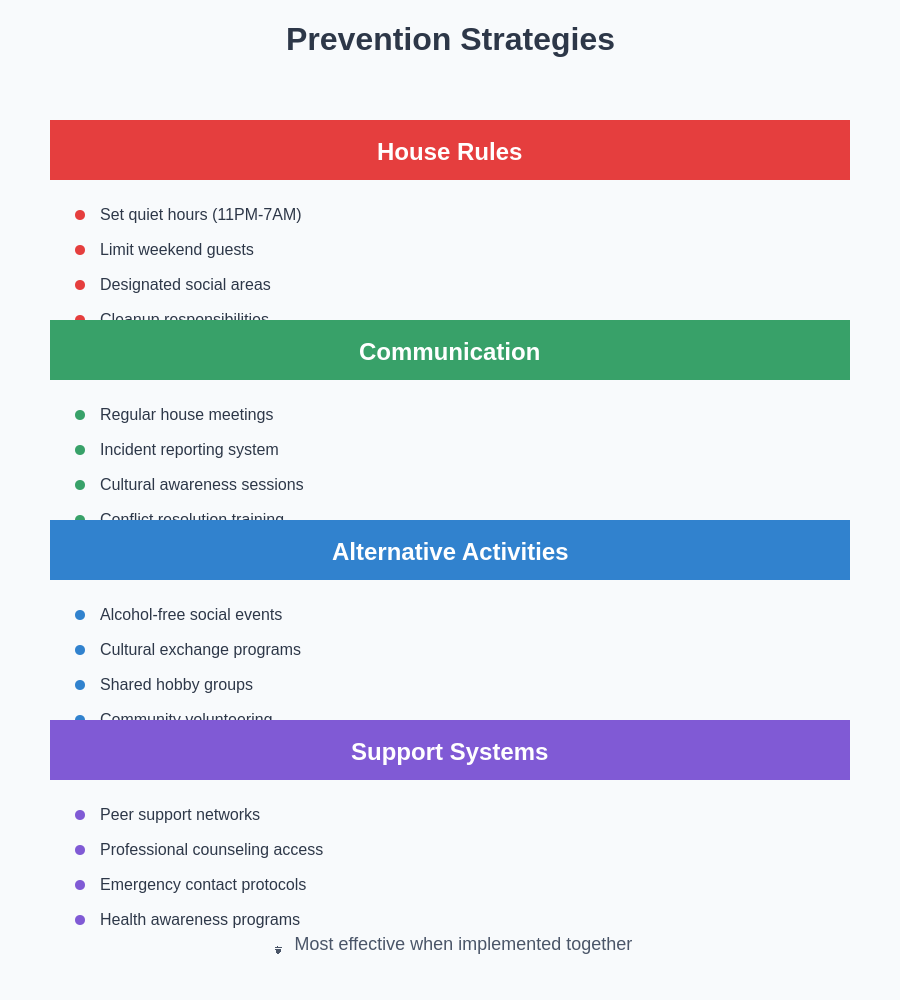
Implementing these prevention strategies requires sustained commitment from all community members and consistent enforcement by house management to create lasting improvements in weekend alcohol incident frequency and severity.
Long-term Community Impact and Resolution
Weekend alcohol-related incidents create lasting effects on sharehouse communities that extend far beyond immediate cleanup and apology requirements. Trust between residents becomes damaged when alcohol-related behavior violates shared living agreements, and rebuilding community harmony requires sustained effort and genuine behavior modification from all participants.
Resident turnover often increases following serious alcohol-related incidents as affected community members seek more compatible living situations where their safety, rest, and lifestyle preferences receive better protection and respect. Why some residents always feel like outsiders often traces back to alcohol-related social divisions and conflicts that create permanent community fractures.
House reputation and operator policies frequently change following repeated weekend alcohol incidents as management companies implement stricter screening procedures, behavioral requirements, and monitoring systems that affect all future residents regardless of their individual drinking habits or social behavior patterns.
The development of healthy community norms around alcohol consumption requires ongoing education, communication, and adjustment as resident populations change and cultural dynamics evolve. Successful sharehouses typically develop informal social contracts that balance individual freedom with community responsibility through continuous dialogue and mutual respect rather than rigid rule enforcement.
Recognition of alcohol-related problem patterns within sharehouse communities can serve as early warning systems for individual residents who may need support addressing developing dependency issues or social pressures that conflict with their personal values and wellbeing goals.
Understanding the complex factors that contribute to weekend alcohol-related incidents in Tokyo sharehouses enables both residents and operators to develop more effective prevention strategies, intervention responses, and community guidelines that support safe, enjoyable shared living experiences for all community members regardless of their individual relationships with alcohol consumption and social drinking activities.
Disclaimer
This article is for informational purposes only and does not constitute professional medical, legal, or psychological advice. The patterns and behaviors described represent general observations and should not be used to diagnose individual alcohol-related problems or community issues. Readers experiencing serious alcohol-related conflicts or safety concerns should consult with appropriate professionals and consider their specific circumstances when making living situation decisions.