
Living in a Tokyo sharehouse presents unique challenges for individuals with allergies, transforming what might be manageable conditions in private accommodation into daily struggles that significantly impact quality of life and overall health. The combination of shared living spaces, diverse cleaning standards, and Tokyo’s urban environmental factors creates a perfect storm of allergen exposure that can worsen existing sensitivities and trigger new allergic reactions in previously unaffected residents.
The confined nature of sharehouse living amplifies allergen concentration through reduced air circulation, increased occupancy density, and the accumulation of various personal items and cleaning products that residents bring from different cultural backgrounds. Understanding these factors becomes crucial for both allergy sufferers and those who develop sensitivities after moving into shared accommodation, as proper management strategies can mean the difference between comfortable living and constant discomfort.
The Multiplied Allergen Environment
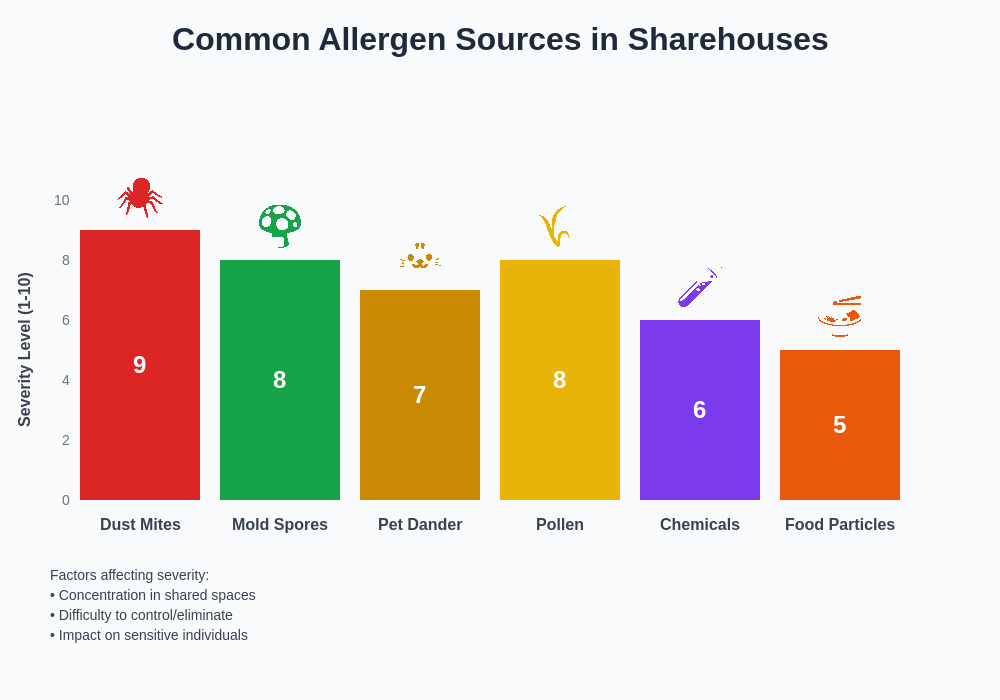
Sharehouses inherently concentrate allergens through the simple mathematics of multiple occupants sharing limited space, with each resident potentially introducing different types of allergens, cleaning chemicals, personal care products, and lifestyle habits that collectively create a complex allergenic environment. Understanding how air quality problems develop in crowded spaces becomes essential for recognizing why allergic reactions intensify in shared living situations.
The diversity of personal belongings, clothing fabrics, and individual cleanliness standards creates multiple sources of dust mites, fabric allergens, and chemical sensitivities that would not exist in single-occupancy accommodations. Each resident’s bedding, clothing, books, and personal items contribute to the overall allergen load, while varying laundering frequencies and detergent choices add additional chemical triggers to the environment.
Common areas such as kitchens, bathrooms, and living rooms become particular hotspots for allergen accumulation due to high usage, moisture generation, and the difficulty of maintaining consistent cleaning standards across multiple users with different schedules and priorities. How cleaning responsibilities create house drama illustrates how inadequate maintenance directly impacts air quality and allergen control.
The heating and cooling systems in many Tokyo sharehouses circulate unfiltered air throughout the building, distributing allergens from individual rooms into common areas and other private spaces, creating cross-contamination that makes it impossible to maintain allergen-free zones even within personal living areas.
Seasonal Allergies Amplified by Urban Living
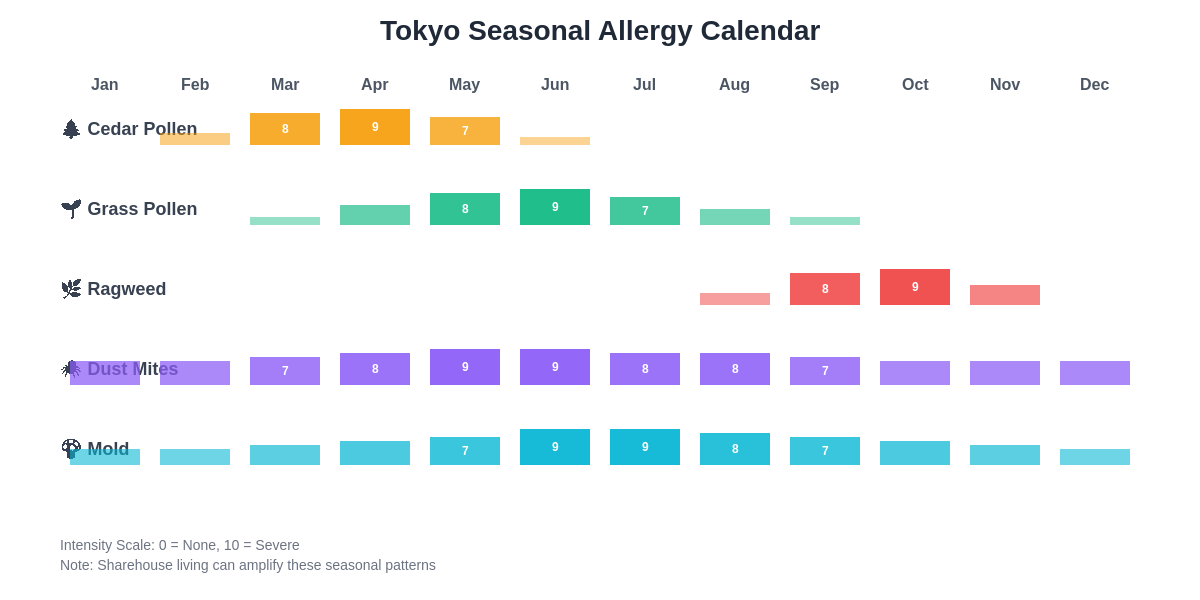
Tokyo’s intense pollen seasons, particularly the infamous cedar pollen period from February through May, create extraordinary challenges for sharehouse residents who cannot control building-wide air filtration systems or window opening policies that other residents might implement. How seasonal allergies worsen in crowded spaces explains how shared decision-making about ventilation and air purification affects individual health outcomes.
The urban heat island effect in Tokyo intensifies pollen production and extends allergy seasons beyond their traditional timeframes, while air pollution particles act as carriers that help allergens penetrate deeper into respiratory systems and trigger more severe reactions. Sharehouse residents often lack individual control over air purification systems, leaving them vulnerable to both outdoor allergens and indoor air quality decisions made by housemates.
Window opening policies become sources of conflict when some residents prefer fresh air circulation while allergy sufferers need sealed environments with filtered air, creating impossible compromises that typically favor the majority rather than those with medical needs. The shared nature of common areas means that even residents who manage air quality in their private rooms must still spend significant time in spaces where allergen control is inconsistent.
Building orientation, surrounding vegetation, and proximity to major roads affect the types and concentrations of outdoor allergens that enter the sharehouse, with residents having no control over these environmental factors that significantly impact their daily comfort and health. How air quality concerns affect daily decisions explores how these external factors influence living choices and daily routines.
Food Allergens and Cross-Contamination
Shared kitchen facilities create particularly dangerous situations for residents with food allergies, as cross-contamination becomes inevitable when multiple people prepare meals using the same surfaces, utensils, and storage areas without consistent allergen awareness or cleaning protocols. How dietary restrictions complicate meal planning demonstrates how food allergies become more challenging to manage in communal cooking environments.
The cultural diversity common in Tokyo sharehouses means exposure to unfamiliar ingredients, cooking methods, and food preparation techniques that may introduce new allergens or increase exposure to known triggers through cooking aromas, steam, and airborne particles. Residents often discover new food sensitivities through inadvertent exposure to cuisines and ingredients they would not typically encounter in their home countries.
Refrigerator and pantry sharing creates ongoing contamination risks when allergen-containing foods come into contact with safe items, while varying cleanliness standards among housemates mean that thorough cleaning between different food preparations cannot be guaranteed. The social pressure to participate in communal meals and house cooking events can put allergy sufferers in difficult positions where they must choose between social integration and health safety.
Storage limitations often force residents to keep allergen-containing and allergen-free foods in close proximity, increasing contamination risks, while shared cooking equipment may retain traces of allergens despite cleaning efforts that seem adequate to non-allergic residents but are insufficient for those with severe sensitivities.
Chemical Sensitivities and Cleaning Products
The diversity of cleaning products, air fresheners, laundry detergents, and personal care items brought by different residents creates a complex chemical environment that can trigger sensitivities and worsen existing allergic conditions. How cultural differences impact holiday celebrations touches on how different cultural preferences for scents and cleaning products affect shared living environments.
Each resident’s choice of personal care products, from shampoos and soaps to perfumes and deodorants, contributes to the overall chemical load in shared bathrooms and common areas, creating cumulative exposure that can overwhelm sensitive individuals even when individual products might be tolerable in isolation. The mixing of different chemical products can create new compounds and reactions that produce unexpected allergic responses.
Laundry facilities become particularly problematic when residents use heavily scented detergents, fabric softeners, and dryer sheets that leave residues on machines and create lingering chemical odors that affect subsequent users. How moisture control prevents mold growth explains how inadequate ventilation in laundry areas concentrates chemical vapors and creates additional health hazards.
The inability to control or predict what chemicals will be introduced to the environment makes it nearly impossible for chemically sensitive residents to maintain safe living conditions, as new products and scents can appear at any time through new residents or changing preferences among existing housemates.
Mold and Moisture-Related Issues
Tokyo’s high humidity, combined with the increased moisture generation from multiple residents showering, cooking, and doing laundry in limited spaces, creates ideal conditions for mold growth that can trigger severe allergic reactions and respiratory problems. How mold problems develop in humid sharehouses details how structural and behavioral factors contribute to persistent moisture issues.
Inadequate ventilation systems in many older Tokyo buildings cannot handle the moisture load generated by multiple occupants, leading to condensation, mold growth, and the proliferation of dust mites that thrive in humid environments. Shared bathrooms with poor ventilation become particular problem areas where mold can grow rapidly and spread throughout the building’s air circulation system.
The difficulty of maintaining consistent dehumidification across shared spaces means that even residents who manage humidity in their private rooms must contend with mold exposure in common areas, hallways, and building systems. Different comfort preferences for humidity levels among residents create conflicts over dehumidifier use and ventilation practices that often compromise allergen control.
Drying laundry indoors due to space limitations or weather conditions significantly increases indoor humidity levels, creating favorable conditions for mold growth and dust mite proliferation that affect all residents regardless of their individual moisture control efforts.
Dust and Maintenance Challenges
The high traffic and multiple occupancy in sharehouses generate significantly more dust, debris, and particulate matter than single-occupancy accommodations, while inconsistent cleaning schedules and varying cleanliness standards among residents allow allergens to accumulate to problematic levels. How individual environmental choices affect groups explores how personal maintenance habits impact the entire living environment.
Carpet and fabric furnishings in common areas harbor dust mites, dead skin cells, and other allergens that become airborne with normal movement and activity, creating constant exposure for sensitive residents who cannot control the cleaning frequency or methods used in shared spaces. The accumulation of personal belongings in common areas adds additional dust-collecting surfaces that complicate thorough cleaning efforts.
Heating and cooling systems often lack proper filtration and regular maintenance, circulating dusty air throughout the building and spreading allergens from one area to another. The inability to ensure regular HVAC maintenance or filter replacement means that mechanical systems may actually worsen air quality rather than improving it.
Different standards for acceptable cleanliness levels mean that what seems clean to one resident may still contain significant allergen loads that trigger reactions in sensitive individuals, creating ongoing conflicts over cleaning frequency and thoroughness that rarely resolve in favor of the most sensitive residents.
Pet Allergies and Animal Dander
Even in sharehouses with no-pet policies, animal dander can be introduced through residents’ clothing, visitors who own pets, or through building systems that may have previously housed animals, creating unexpected allergen exposure for residents with pet allergies. How guest policies affect your social life discusses how visitor policies can inadvertently introduce allergens through guests with pets.
Residents who visit friends with pets or work in environments with animal exposure can carry dander on their clothing and belongings, introducing allergens to supposedly pet-free environments where sensitive residents may not expect exposure. The persistent nature of animal dander means that even small amounts can accumulate over time and create significant problems for highly sensitive individuals.
Building ventilation systems may carry dander from neighboring units or common areas where animals may have been present, making it impossible to maintain truly allergen-free environments even in buildings with strict pet restrictions. The microscopic size of dander particles allows them to remain airborne for extended periods and penetrate into areas that appear clean and pet-free.
Sleep Quality and Nighttime Exposure
Allergic reactions often worsen at night when individuals are lying down and breathing air from lower room levels where heavier allergens settle, while the close proximity to bedding, pillows, and fabric furnishings concentrates dust mite exposure during the most vulnerable sleeping hours. How sleep quality suffers in shared environments explains how allergies compound other sleep disruptions common in sharehouse living.
The inability to control air circulation and filtration during nighttime hours means that allergens can accumulate in bedrooms while residents sleep, leading to morning symptoms and disrupted sleep patterns that affect overall health and daily functioning. Different sleep schedules among housemates can create conflicts over air purifier noise and other allergen control measures that might disturb light sleepers.
Shared laundry facilities often mean that bedding and clothing may retain traces of allergens from other residents’ washing loads, while drying clothes in bedrooms increases humidity and creates favorable conditions for dust mite proliferation. The close quarters of many sharehouse rooms mean that bedding is often stored near windows or in areas with poor air circulation that allow allergen accumulation.
Management and Resolution Challenges
Addressing allergy problems in sharehouses requires coordination and cooperation among all residents, making it extremely difficult to implement effective allergen control measures when individual comfort preferences conflict with medical needs. How to handle roommate conflicts without moving out provides strategies for addressing health-related conflicts in shared living situations.
The cost of air purification systems, hypoallergenic bedding, and specialized cleaning products often exceeds individual budgets, while the shared nature of common areas makes it difficult to justify personal investments in improvements that benefit everyone. Property management companies may be reluctant to invest in expensive air filtration or allergen control systems when the majority of residents do not complain about air quality issues.
Cultural differences in understanding and recognizing allergies can create additional challenges when some residents dismiss or minimize the severity of allergic reactions, treating them as minor inconveniences rather than legitimate medical concerns that require accommodation and lifestyle adjustments. How cultural sensitivity develops through daily interaction addresses how different cultural perspectives on health issues affect community dynamics.
The temporary nature of many sharehouse residencies means that long-term improvements and allergen control systems may not seem worthwhile to residents who plan to move within a year or two, creating resistance to investments that could significantly improve living conditions for allergy sufferers.
Prevention and Mitigation Strategies
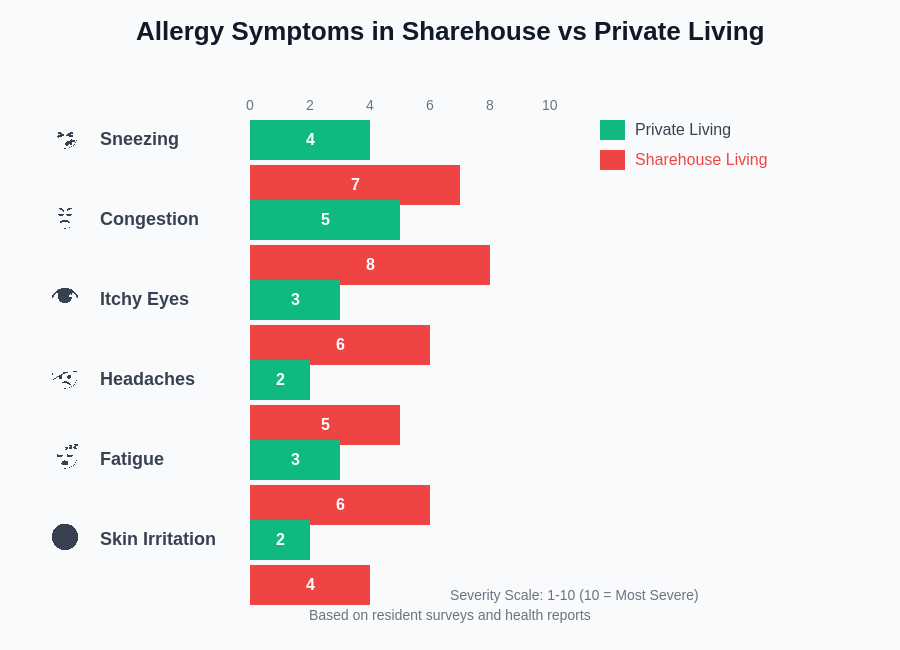
Despite the challenges, several practical strategies can help allergy sufferers minimize exposure and manage symptoms while living in sharehouses, though success requires careful planning, clear communication, and often additional financial investment in personal protection measures. How empathy grows through cultural exposure explores how building understanding among housemates can lead to more accommodating living arrangements.
Investing in high-quality air purifiers for personal rooms, using allergen-proof bedding covers, and maintaining strict separation between personal and shared items can create safer micro-environments within the larger allergenic space. Regular communication with housemates about allergen concerns and specific triggers can help build awareness and encourage more considerate behaviors around cleaning product choices and food preparation.
Choosing sharehouses with better ventilation systems, newer buildings with improved air filtration, and management companies that are responsive to health concerns can significantly reduce allergen exposure, though these options often come with higher rental costs. How to find perfect sharehouse tokyo includes guidance on evaluating properties for health and air quality factors.
Working with healthcare providers to develop comprehensive allergy management plans that account for the unique challenges of shared living can help minimize symptoms and prevent severe reactions, while building relationships with understanding housemates who are willing to accommodate medical needs can create more supportive living environments.
The reality of allergy management in Tokyo sharehouses requires accepting that perfect control is impossible while focusing on practical measures that can meaningfully reduce exposure and improve daily comfort. Success depends largely on finding compatible housemates, choosing properties with good ventilation and maintenance, and maintaining open communication about health needs while respecting the shared nature of the living arrangement.
Disclaimer
This article is for informational purposes only and does not constitute medical advice. Individuals with allergies should consult healthcare professionals for proper diagnosis and treatment plans. Allergy severity and triggers vary significantly between individuals, and what works for one person may not be suitable for another. The information provided reflects general challenges and strategies but should not replace professional medical guidance or individual assessment of specific living situations.