
The significance of bathroom etiquette in Tokyo sharehouses extends far beyond basic cleanliness considerations, fundamentally shaping the social dynamics, stress levels, and overall harmony within shared living communities. What many international residents initially dismiss as minor courtesies quickly reveals itself as one of the most critical factors determining successful long-term relationships with housemates and personal satisfaction with sharehouse living experiences.
The cultural importance of bathroom practices in Japan intersects with the practical realities of shared living to create situations where seemingly small oversights can escalate into major conflicts that affect entire house communities. Understanding these dynamics and implementing respectful practices from the beginning establishes a foundation for positive relationships and stress-free daily routines that benefit everyone in the shared living environment.
The Foundation of Sharehouse Harmony
Bathroom etiquette serves as a microcosm of broader respect and consideration patterns that define successful sharehouse communities throughout Tokyo. Japanese sharehouse rules every foreigner should know encompasses these essential practices that international residents must understand to integrate successfully into shared living environments.
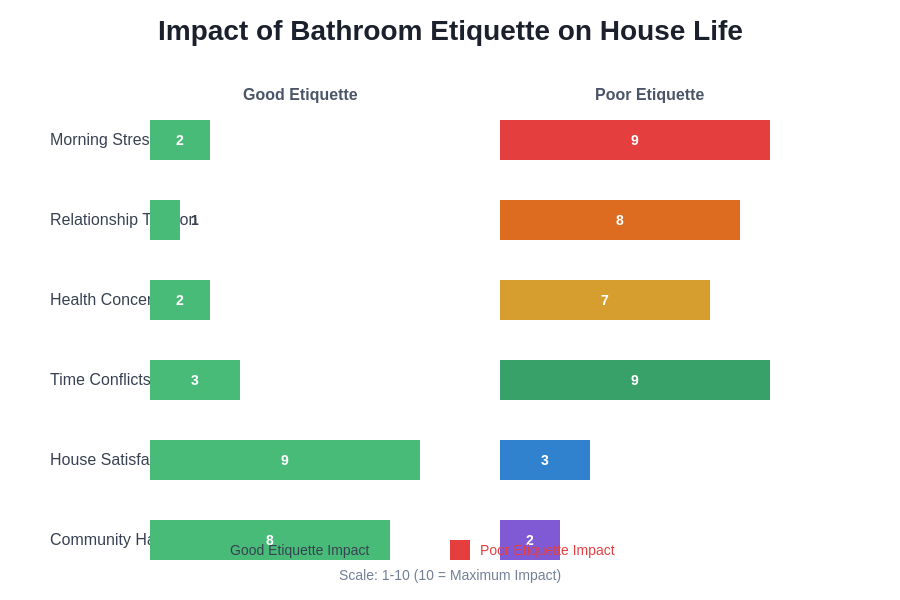
The psychological impact of bathroom conditions affects daily stress levels, morning routines, and evening relaxation periods in ways that compound over time to significantly influence overall quality of life. When residents consistently encounter clean, well-maintained bathroom facilities, their daily routines flow smoothly and contribute to positive associations with their living environment and housemates.
Conversely, poor bathroom etiquette creates cumulative stress that manifests in various aspects of house life, from strained conversations during morning routines to underlying tensions that surface during house meetings or social gatherings. The bathroom becomes a symbol of mutual respect or lack thereof, influencing how residents perceive each other’s consideration and reliability in other shared responsibilities.
The ripple effects of bathroom etiquette extend into professional and academic performance when poor conditions disrupt essential morning preparations or create anxiety about returning home to unpleasant living conditions. Living with Japanese roommates in Tokyo sharehouses often involves heightened expectations around cleanliness and consideration that reflect deeply ingrained cultural values.
Cultural Context and Expectations
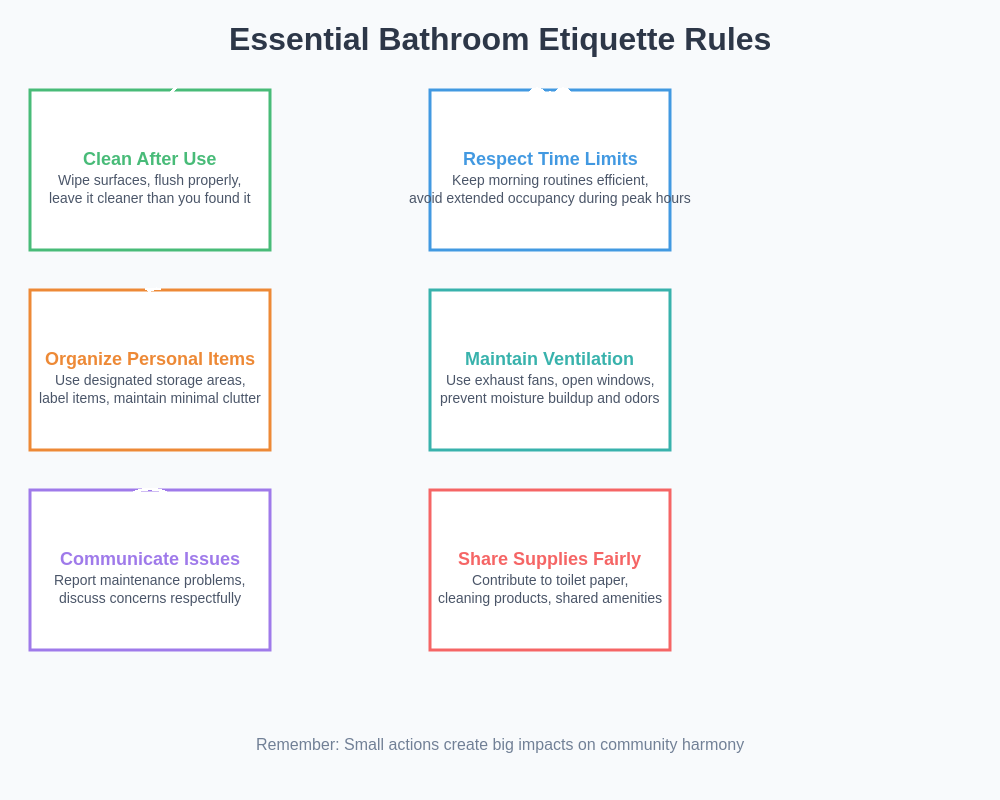
Japanese bathroom culture emphasizes cleanliness, efficiency, and minimal disruption to others, principles that become exponentially more important in shared living situations where multiple people depend on the same facilities for essential daily routines. The concept of “meiwaku” or avoiding inconvenience to others permeates every aspect of bathroom usage, from timing and duration to cleanliness and resource management.
Traditional Japanese bathing practices separate washing and soaking activities, reflecting cultural values around cleanliness that influence expectations even in modern sharehouse settings with Western-style facilities. Understanding these underlying cultural frameworks helps international residents appreciate why certain practices matter deeply to Japanese housemates and why violations can feel particularly disrespectful.
The social hierarchy and group harmony principles that characterize Japanese society extend naturally into bathroom etiquette, where individual actions directly impact the collective well-being of the household community. How cultural differences affect friendship building often begins with these fundamental daily interactions that demonstrate respect for shared spaces and community needs.
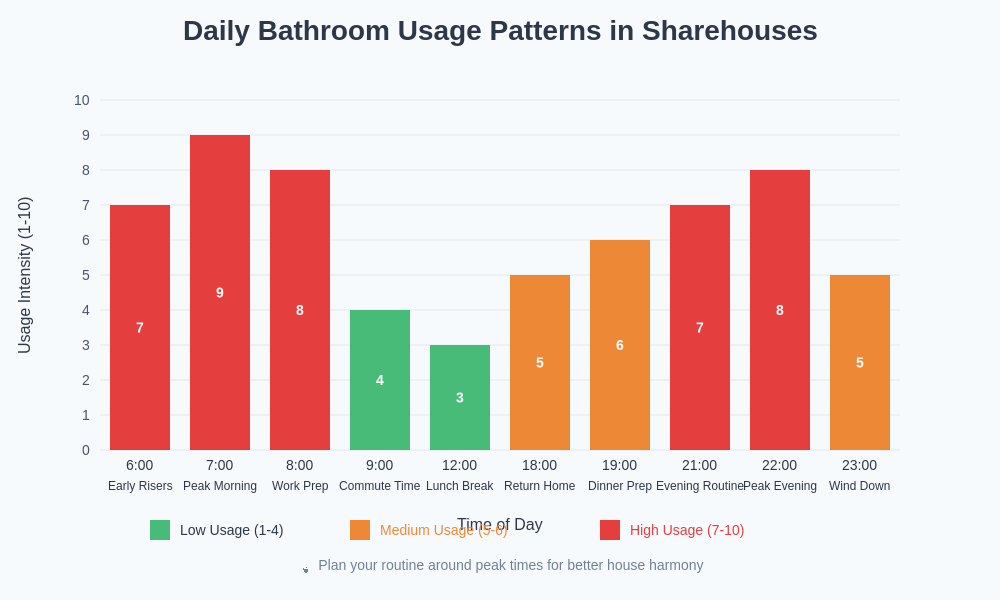
Time consciousness in Japanese culture affects bathroom usage expectations, with efficiency and punctuality valued highly during peak morning and evening periods when multiple residents need access to facilities. Understanding and respecting these timing considerations prevents conflicts and demonstrates cultural sensitivity that enhances integration into the broader community.
Daily Impact on House Dynamics
Morning bathroom routines represent critical transition periods that set the tone for entire days, making efficient and considerate usage essential for maintaining positive house dynamics and individual stress management. The cascading effects of bathroom conflicts during morning preparations can influence work performance, academic focus, and social interactions throughout the day.
Evening bathroom routines provide opportunities for relaxation and stress relief that become compromised when facilities are unavailable, unclean, or uncomfortable due to inconsiderate usage by other residents. How stress management techniques become necessary often includes developing coping strategies for bathroom-related frustrations that could be prevented through proper etiquette.
The psychological concept of “bathroom anxiety” develops when residents cannot rely on clean, available facilities when needed, creating underlying stress that affects sleep quality, daily planning, and overall satisfaction with living arrangements. This anxiety compounds over time and can influence decisions about lease renewals, house satisfaction, and recommendations to other potential residents.
Weekend and holiday periods intensify bathroom usage patterns, requiring enhanced coordination and consideration as residents have more flexible schedules and potentially longer preparation routines. Understanding how to navigate these peak periods while maintaining respect for others’ needs demonstrates advanced cultural competency and community awareness.
Health and Hygiene Considerations
Shared bathroom facilities create unique health challenges that require proactive prevention strategies and collective responsibility for maintaining sanitary conditions that protect all residents from illness and infection. How illness spreads faster in sharehouses emphasizes the critical role that bathroom hygiene plays in community health management.
Proper ventilation, surface cleaning, and moisture control become shared responsibilities that require consistent attention from all residents to prevent mold growth, bacterial contamination, and unpleasant odors that can affect the entire living environment. The humid climate of Tokyo exacerbates these challenges, making diligent maintenance essential for long-term facility quality.
Personal hygiene product storage and organization systems must balance individual needs with limited space and shared access requirements, creating opportunities for conflict when systems break down or residents fail to maintain agreed-upon organizational standards. How personal space needs vary dramatically includes bathroom storage as a significant source of tension in crowded living situations.
Water conservation and utility management practices reflect environmental consciousness and financial responsibility that benefit the entire household community through reduced bills and sustainable resource usage. Understanding how individual bathroom habits contribute to collective utility costs helps residents make informed decisions about usage patterns and conservation efforts.
Communication and Conflict Resolution
Bathroom-related conflicts require delicate communication approaches that address hygiene and consideration issues without creating personal offense or cultural misunderstandings that can escalate into larger relationship problems. How to handle roommate conflicts without moving out often begins with bathroom etiquette discussions that establish clear expectations and accountability systems.
Proactive communication about bathroom schedules, cleaning responsibilities, and personal preferences prevents many conflicts from developing while creating opportunities for cultural exchange and mutual understanding between residents from different backgrounds. Regular house meetings that include bathroom etiquette discussions normalize these conversations and provide structured forums for addressing concerns.
Anonymous feedback systems and gentle reminder strategies help address bathroom etiquette violations without creating confrontational situations that can damage relationships or create hostile living environments. The goal remains maintaining community harmony while ensuring that all residents can enjoy clean, comfortable bathroom facilities.
Cultural mediation approaches acknowledge that bathroom etiquette expectations vary significantly between cultures and countries, requiring patience and education rather than judgment when addressing differences in practices and standards. Building bridges of understanding through respectful dialogue creates stronger, more cohesive house communities.
Practical Implementation Strategies
Establishing clear bathroom schedules during peak usage periods prevents conflicts and ensures all residents can complete essential routines without stress or rushed preparations that compromise personal care quality. How morning bathroom queues are inevitable in sharehouses provides insights into managing these scheduling challenges effectively.
Personal item organization systems that maximize limited storage space while maintaining cleanliness and accessibility require creative solutions and ongoing maintenance that benefit from collective planning and agreement among all residents. Investing in appropriate storage solutions and labeling systems prevents confusion and maintains organized, efficient bathroom environments.
Cleaning rotation schedules and responsibility assignments ensure that maintenance tasks are distributed fairly among residents while maintaining consistent cleanliness standards that meet everyone’s needs and cultural expectations. Clear documentation of cleaning procedures and expectations prevents misunderstandings and provides accountability frameworks.
Supply management systems for shared items like toilet paper, cleaning products, and basic amenities require coordination and financial planning that involves all residents in maintaining adequate stocks while managing costs effectively. How shared expense apps create new problems includes bathroom supply management as a common source of financial friction.
Long-term Relationship Building
Consistent demonstration of bathroom etiquette builds trust and respect among housemates that extends into other areas of shared living and creates foundations for lasting friendships that can survive typical sharehouse conflicts and transitions. Making friends through Tokyo sharehouse communities often begins with these daily demonstrations of mutual respect and consideration.
Leading by example in bathroom etiquette creates positive peer pressure that elevates overall house standards and encourages other residents to maintain similar levels of consideration and cleanliness. This positive cycle improves living conditions for everyone while establishing cultural norms that new residents can easily understand and adopt.
Mentoring newcomers in bathroom etiquette expectations helps them integrate successfully into established house communities while preventing conflicts that can arise from cultural misunderstandings or lack of awareness about Japanese cleanliness standards. This educational approach benefits both new and existing residents by maintaining harmony and preventing disruptions.
The reputation benefits of maintaining excellent bathroom etiquette extend beyond individual houses to influence recommendations, lease renewals, and opportunities within broader sharehouse networks where property managers and operators value residents who contribute positively to community dynamics and facility maintenance.
Technology and Modern Solutions
Smart technology integration in sharehouse bathrooms includes scheduling apps, occupancy indicators, and automated cleaning reminders that help residents coordinate usage and maintain cleanliness standards more effectively than traditional manual systems. How smart home features change daily routines encompasses these technological solutions that improve bathroom management.
Digital communication platforms facilitate bathroom-related announcements, maintenance requests, and schedule coordination without requiring face-to-face conversations that some residents may find awkward or uncomfortable. These systems enable more efficient communication while maintaining privacy and reducing potential for misunderstandings.
Automated supply ordering and delivery systems help maintain adequate stocks of essential bathroom items while distributing costs fairly among residents and preventing the frustration that arises when supplies run out unexpectedly. Integration with household management apps streamlines these processes and reduces administrative burdens.
Environmental monitoring devices that track humidity, air quality, and usage patterns provide data-driven insights into bathroom maintenance needs and optimization opportunities that benefit all residents through improved conditions and reduced utility costs.
Emergency Preparedness and Safety
Bathroom safety protocols become critically important in sharehouse environments where multiple residents depend on shared facilities and emergency situations can affect everyone’s access to essential amenities. Understanding evacuation procedures, water shut-off locations, and emergency contact information helps residents respond appropriately to various crisis scenarios.
First aid accessibility and basic medical supply storage in bathroom areas provides immediate response capabilities for minor injuries and health issues that commonly occur in bathroom environments. Why first aid knowledge becomes more important includes bathroom safety as a key consideration for sharehouse residents.
Ventilation system maintenance and mold prevention strategies protect both individual and community health while preserving building integrity and preventing costly damage that can affect all residents through increased fees or facility restrictions. Regular inspection and reporting of maintenance issues demonstrates responsible stewardship of shared facilities.
Emergency supply storage including backup toiletries, cleaning materials, and basic tools ensures that residents can maintain bathroom functionality during supply disruptions, natural disasters, or other unexpected situations that may affect normal resource availability.
The mastery of bathroom etiquette in Tokyo sharehouses represents far more than simple cleanliness maintenance, encompassing cultural sensitivity, community building, health protection, and relationship development that defines successful shared living experiences. By understanding and implementing these principles consistently, residents create positive living environments that benefit everyone while building skills and awareness that enhance their broader cultural integration and personal development throughout their time in Japan.
Disclaimer
This article is for informational purposes only and does not constitute professional advice. Bathroom etiquette expectations may vary between different sharehouses and cultural backgrounds. Readers should observe specific house rules and communicate openly with housemates about expectations and preferences. The strategies mentioned may require adaptation based on individual circumstances and house dynamics.