
Living in a Japanese sharehouse creates a unique laboratory for observing how cultural background profoundly influences brand loyalty and consumer behavior patterns. When residents from diverse cultural backgrounds share common spaces and make collective purchasing decisions, the fascinating differences in brand preferences, shopping priorities, and value systems become immediately apparent and sometimes lead to unexpected conflicts or surprising harmonies.
The intersection of cultural identity and consumer choice extends far beyond simple product preferences to encompass deeply rooted psychological patterns, family traditions, and societal values that have been shaped by decades of cultural conditioning. Understanding these differences becomes essential not only for harmonious sharehouse living but also for appreciating the complex ways that culture shapes our daily decision-making processes in ways we often don’t consciously recognize.
Understanding Cultural Programming in Consumer Choices
Cultural programming begins in early childhood through family shopping experiences, advertisements, social values, and economic conditions that create lasting impressions about which brands represent quality, status, or value. These early experiences form the foundation of brand loyalty that persists even when individuals move to completely different cultural and economic environments, such as when international residents relocate to Japanese sharehouses.
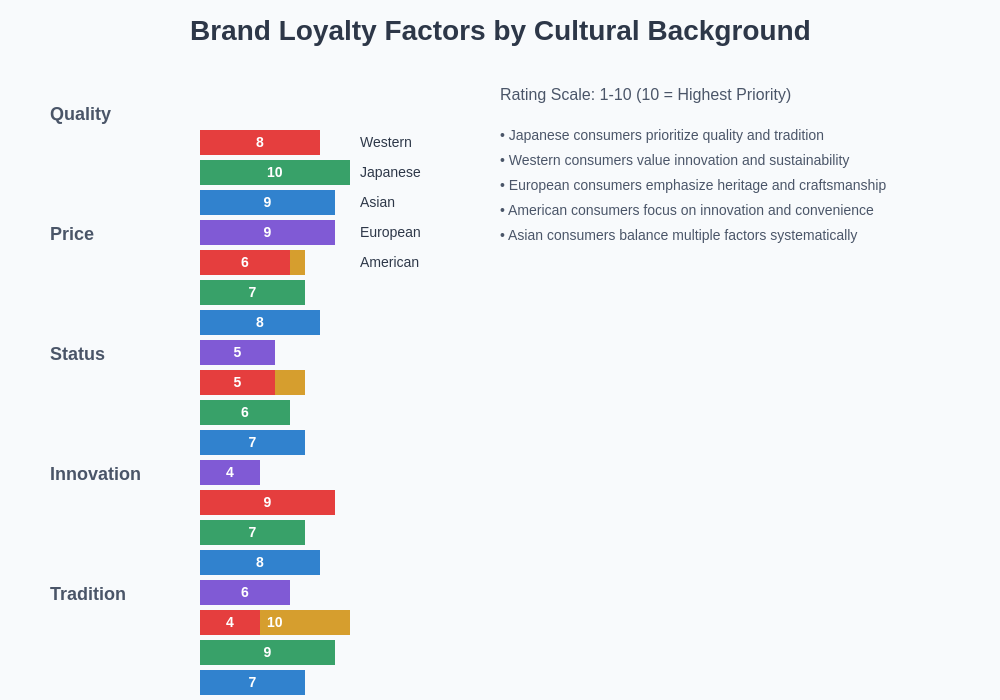
Japanese residents typically demonstrate strong loyalty to domestic brands that have earned trust through generations of consistent quality and cultural alignment, while simultaneously showing openness to foreign products that offer perceived superior functionality or status. Living with Japanese roommates in Tokyo sharehouses reveals how these preferences influence daily purchasing decisions and house dynamics.
Western residents often prioritize brands that align with personal values such as environmental sustainability, ethical manufacturing, or innovative technology, sometimes willing to pay premium prices for products that reflect their identity and beliefs. These differences become particularly pronounced when making shared purchases for common areas where diverse value systems must find compromise solutions.
The complexity of cultural brand loyalty extends beyond national boundaries to include regional, generational, and socioeconomic factors that create unique individual preferences even within the same cultural group. Understanding these nuances helps explain why seemingly similar residents from the same country may have completely different brand preferences and shopping behaviors.
Economic Influences on Brand Preference Formation
Economic conditions during formative years significantly influence brand loyalty patterns, with individuals who experienced economic uncertainty often developing strong preferences for value-oriented brands that offer reliable quality at reasonable prices. Conversely, those from more affluent backgrounds may prioritize premium brands that signal social status or superior performance regardless of price considerations.
Living costs in Tokyo sharehouses explained demonstrates how economic realities in Tokyo force many international residents to reconsider their brand preferences and adapt to local pricing structures that may not align with their home country experiences.
The concept of value varies dramatically across cultures, with some prioritizing durability and longevity while others focus on immediate functionality or aesthetic appeal. These different value definitions create interesting dynamics in sharehouses where residents must collectively decide on purchases for shared items such as kitchen appliances, cleaning products, or entertainment systems.
Exchange rate fluctuations and income differences between home countries and Japan further complicate brand loyalty decisions, as products that were affordable luxuries in one’s home country may become prohibitively expensive or conversely, surprisingly accessible in the Japanese market. This economic reality often forces residents to explore new brands and develop preferences they never would have considered in their home countries.
Japanese Brand Culture and Consumer Expectations
Japanese consumer culture places exceptional emphasis on quality, attention to detail, and customer service that influences both domestic brand development and consumer expectations in ways that can surprise international residents. The concept of “monozukuri” or craftsmanship extends beyond manufacturing to encompass service delivery, packaging presentation, and long-term customer relationship building.
Japanese brands often invest heavily in continuous improvement and customer feedback integration, creating products that may appear more expensive initially but offer superior durability, functionality, and support services. This approach appeals to consumers who value long-term relationships with trusted brands over frequent brand switching based on promotional pricing or trendy features.
The Japanese market’s preference for seasonal variations, limited editions, and collaborative products between brands creates a dynamic consumer environment that encourages brand exploration while maintaining core loyalties. Japanese sharehouse rules every foreigner should know often reflect these cultural preferences in house purchasing guidelines and shared product policies.
International residents frequently discover Japanese brands that don’t exist in their home markets but offer superior solutions for specific needs, leading to brand loyalty development that continues even after returning to their home countries. This cross-cultural brand discovery process enriches the sharehouse experience while creating new consumer preferences that bridge cultural boundaries.
Regional Variations in Brand Trust and Loyalty
European residents often demonstrate strong brand loyalty based on heritage, tradition, and artisanal quality, particularly for products related to food, fashion, and home goods where centuries-old brands maintain market leadership through consistent quality and cultural significance. This approach to brand evaluation emphasizes history and authenticity over innovation or marketing appeal.
American residents frequently show loyalty to brands that represent innovation, convenience, and performance efficiency, often willing to switch brands quickly when superior alternatives emerge or when lifestyle needs change. The American consumer culture’s emphasis on individual choice and market competition creates more fluid brand relationships compared to tradition-focused cultures.
Best Tokyo neighborhoods for sharehouse living reveals how neighborhood demographics influence local brand availability and create micro-cultures where certain brand preferences become dominant through social influence and practical accessibility.
Asian residents from countries other than Japan often navigate complex relationships with both Japanese brands and familiar brands from their home regions, creating purchasing decisions that balance cultural comfort with local adaptation needs. These choices frequently influence house-wide brand preferences as residents share positive experiences with products from their cultural backgrounds.
Technology and Digital Brand Loyalty Patterns
Technology adoption patterns reveal significant cultural differences in brand loyalty, with some cultures embracing new platforms and services quickly while others maintain strong preferences for established technology brands with proven track records. These differences become particularly apparent in sharehouses where residents need to coordinate on shared technology purchases and digital service subscriptions.
Smartphone ecosystems create particularly strong brand loyalties that extend beyond hardware to encompass apps, services, and digital payment systems that become integrated into daily life patterns. How digital entertainment replaces social interaction explores how these technology choices influence social dynamics within sharehouses.
Social media platform preferences often correlate with cultural backgrounds and create communication challenges when residents prefer different platforms for house coordination, event planning, and information sharing. Understanding these digital brand loyalties helps explain communication patterns and social relationship development within diverse sharehouse communities.
The integration of technology brands with daily life activities such as shopping, entertainment, and communication creates ecosystem lock-in effects that make brand switching costly and complicated, reinforcing existing loyalties even when superior alternatives might be available in the local market.
Food and Beverage Brand Cultural Connections
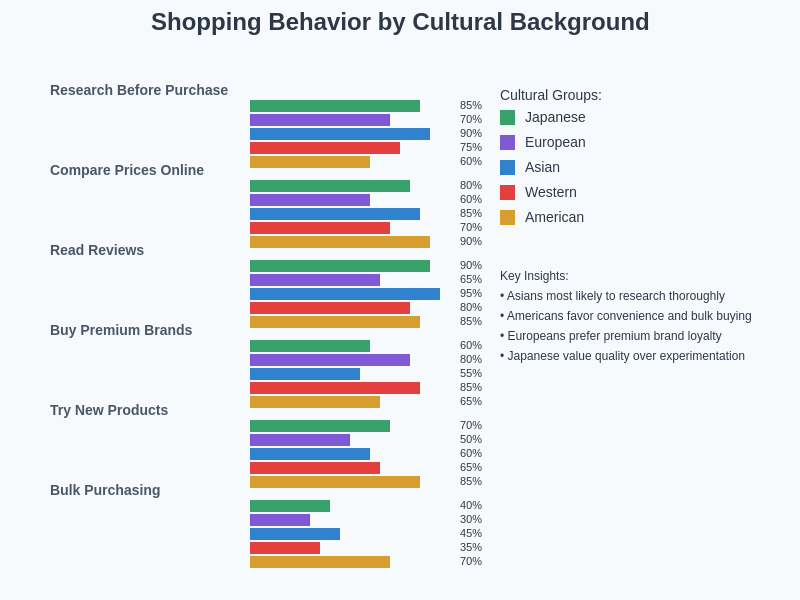
Food and beverage preferences represent some of the strongest cultural brand loyalties, connecting residents to childhood memories, family traditions, and cultural identity in ways that transcend rational consumer decision-making. These emotional connections often persist regardless of price differences, availability challenges, or local alternative options.
Japanese residents may show strong preferences for specific tea brands, rice varieties, or seasoning manufacturers that have been family choices for generations, while international residents often seek familiar brands from their home countries even when local alternatives offer better value or availability. How dietary restrictions complicate meal planning examines how these preferences affect shared kitchen dynamics.
The availability of international food brands in Tokyo varies significantly by neighborhood and store type, creating situations where residents must choose between convenience and brand loyalty. These decisions often lead to interesting cultural exchanges as residents introduce each other to alternative brands and products that serve similar functions.
Beverage preferences particularly reflect cultural conditioning, with coffee cultures, tea traditions, and alcoholic beverage choices showing strong national and regional patterns that influence social activities and shared purchasing decisions within sharehouses.
Personal Care and Household Product Loyalties
Personal care product loyalties often reflect cultural beauty standards, skin type considerations, and ingredient preferences that vary significantly across different cultural backgrounds. These differences become apparent in sharehouses where residents share bathrooms and may discover each other’s product choices through daily proximity.
Household cleaning product preferences reveal cultural attitudes toward cleanliness standards, environmental concerns, and scent preferences that can create conflicts when residents have different expectations about appropriate products for shared spaces. How cleaning responsibilities create house drama explores how these differences affect house harmony.
Cultural attitudes toward generic versus brand-name products vary significantly, with some cultures viewing generic products as acceptable alternatives while others consider brand names essential for quality assurance or social acceptability. These differences influence shared purchasing decisions and budget allocation discussions.
The willingness to try new personal care brands varies by cultural background, with some residents eager to experiment with Japanese products while others maintain strict loyalty to familiar brands from their home countries, even when requiring special ordering or higher costs.
Environmental and Ethical Brand Considerations
Environmental consciousness and ethical consumption patterns show significant variation across cultural backgrounds, with some residents prioritizing sustainable brands regardless of cost while others focus primarily on functionality and price. These different values create interesting dynamics when making shared purchases for house supplies and equipment.
How sustainable living practices clash with convenience examines how environmental brand preferences affect daily life decisions and create both conflicts and learning opportunities within diverse sharehouse communities.
The definition of ethical consumption varies across cultures, with some focusing on labor practices, others on environmental impact, and still others on local economic support. These different priorities influence brand choices and can create educational opportunities for cross-cultural understanding of global consumption issues.
Fair trade, organic, and locally-sourced product preferences often correlate with cultural background and economic status, creating situations where residents must negotiate between different values systems when making collective purchasing decisions for shared household items.
Social Status and Brand Signaling Differences
Cultural attitudes toward brand signaling and social status vary dramatically, with some cultures using brand choices to communicate social position while others prioritize functionality over appearance. These differences become apparent in sharehouses through clothing choices, technology purchases, and lifestyle product selections.
The importance of brand names for social acceptance varies significantly across cultures, creating situations where residents may not understand each other’s brand choices or may misinterpret the social messages intended through product selection. How cultural differences affect friendship building explores how these misunderstandings can impact social relationships.
Luxury brand attitudes range from aspirational to suspicious across different cultural backgrounds, with some residents viewing expensive brands as quality indicators while others see them as wasteful or pretentious. These different perspectives influence shared space decoration decisions and social activity planning.
The concept of “appropriate” brands for different situations varies culturally, with some residents maintaining separate brand preferences for work, social, and home environments while others maintain consistent brand choices across all life areas.
Adaptation and Brand Discovery in Cross-Cultural Environments
Living in sharehouses creates unique opportunities for brand discovery through cultural exchange, as residents share positive experiences with products from their home countries and introduce each other to local Japanese brands that may not be familiar to international residents. This organic brand education process often leads to adoption of new preferences that residents maintain long-term.
Making friends through Tokyo sharehouse communities highlights how shared brand discovery experiences contribute to friendship building and cultural understanding within diverse living environments.
The process of brand adaptation involves balancing cultural comfort with local practicality, leading residents to develop hybrid consumption patterns that combine familiar brands for emotional connection with local brands for convenience and cost effectiveness. This adaptation process reflects broader cultural integration patterns.
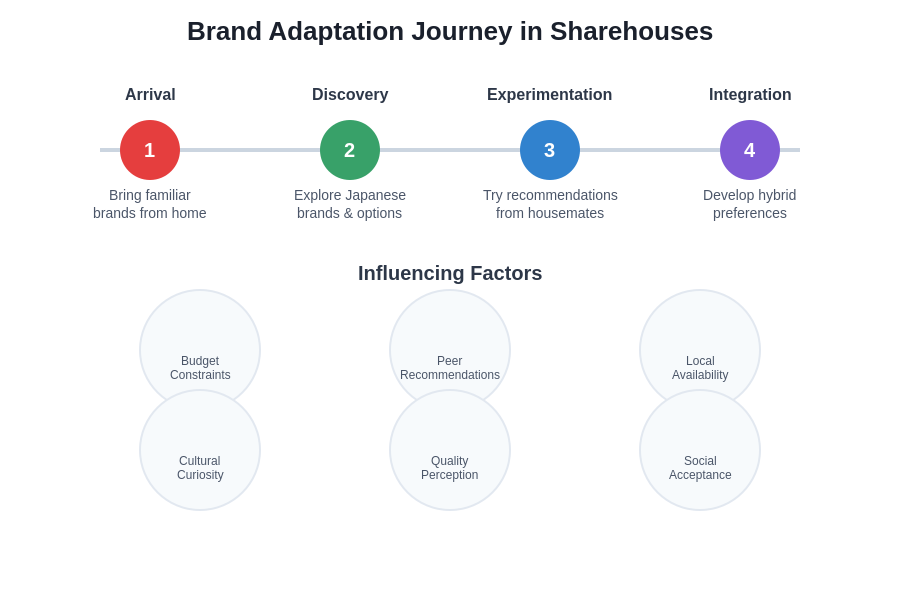
This systematic progression demonstrates how cultural brand preferences evolve through sharehouse experiences, creating opportunities for both personal growth and cross-cultural understanding through shared consumer experiences.
Seasonal brand preferences and promotional culture in Japan often influence international residents to experiment with new products during specific times of year, creating temporary brand loyalties that may or may not persist beyond the promotional period depending on satisfaction levels and cultural fit.
Economic Impact of Cultural Brand Preferences
The economic implications of maintaining cultural brand preferences in Tokyo can be significant, with imported products often carrying premium prices that strain student and early-career budgets. How to budget realistically for sharehouse living addresses how brand loyalty decisions affect overall living costs.
Group purchasing power in sharehouses can help offset some brand preference costs through bulk buying and shared subscriptions, but requires negotiation and compromise among residents with different brand priorities. These negotiations often reveal the strength of cultural brand attachments and create opportunities for value system discussions.
The trade-offs between brand loyalty and budget constraints force many residents to prioritize which product categories maintain premium brand preferences and which categories accept local alternatives or generic options. These decisions often reflect core values and cultural priorities.
Long-term financial planning considerations include whether brand preferences developed in Tokyo will be maintainable upon returning to home countries, particularly for residents who develop strong preferences for Japanese brands that may not be available internationally.
Communication and Conflict Resolution Around Brand Differences
Brand preference conflicts in sharehouses often serve as proxies for deeper cultural value differences, requiring diplomatic communication skills and cultural sensitivity to resolve effectively. How to handle roommate conflicts without moving out provides strategies for navigating these sensitive discussions.
Successful brand compromise solutions often involve rotation systems, separate purchasing responsibilities, or educational exchanges where residents try each other’s preferred products before making collective decisions. These processes build cultural understanding while addressing practical needs.
The importance of explaining cultural reasoning behind brand preferences helps other residents understand the emotional and practical factors that influence seemingly arbitrary product choices. This educational approach transforms potential conflicts into cultural learning opportunities.
Developing house policies around brand preferences for shared items requires balancing individual cultural needs with collective budget constraints and practical considerations, creating frameworks that respect diversity while maintaining functional household operations.
Understanding why brand loyalty varies by cultural background enriches the sharehouse living experience by providing insight into the deep connections between cultural identity and consumer behavior. These differences, when approached with curiosity and respect rather than judgment, create opportunities for personal growth, cultural education, and the development of more nuanced perspectives on global consumer culture. The sharehouse environment serves as a microcosm for broader cross-cultural interactions, demonstrating how seemingly simple purchasing decisions reflect complex cultural programming that shapes our daily lives in profound and often unconscious ways.
Disclaimer
This article is for informational purposes only and does not constitute professional advice on consumer behavior or cultural psychology. Brand preferences are highly individual and can vary significantly within cultural groups based on personal experience, socioeconomic factors, and individual values. Readers should approach cultural generalizations with awareness of individual diversity and avoid stereotyping based on cultural background. The observations discussed reflect common patterns rather than universal truths about any particular culture or nationality.