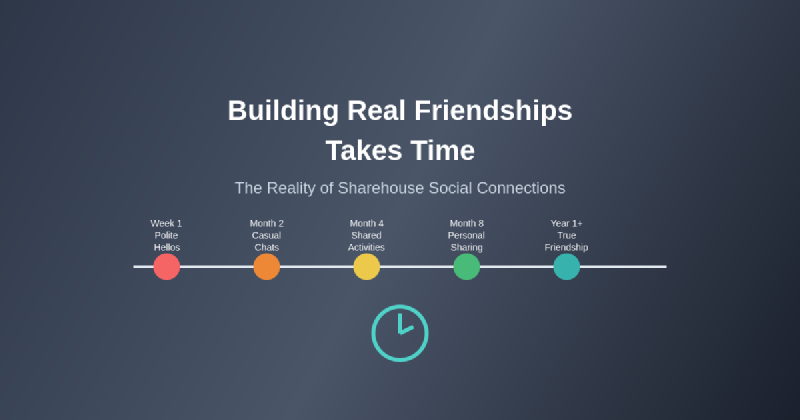
The romanticized vision of moving into a Tokyo sharehouse and instantly forming lifelong friendships within the first few weeks represents one of the most pervasive misconceptions about shared living experiences. The reality of building meaningful, authentic relationships in these multicultural environments involves complex layers of cultural adaptation, personality compatibility, and time investment that far exceed most newcomers’ expectations. Understanding why genuine friendship formation takes considerably longer than anticipated can help residents adjust their expectations and develop more realistic strategies for creating lasting social connections.
The journey from polite cohabitation to authentic friendship in Tokyo sharehouses involves navigating numerous psychological, cultural, and practical barriers that are rarely discussed in promotional materials or online testimonials. These challenges become particularly pronounced when residents from vastly different cultural backgrounds attempt to bridge not only language gaps but fundamental differences in communication styles, social expectations, and relationship-building approaches that have been shaped by entirely different societal norms.
The Myth of Instant Connections
Popular media and marketing materials often perpetuate the fantasy that sharehouse living automatically generates immediate, deep friendships simply through proximity and shared experiences. This oversimplified narrative ignores the complex psychological processes involved in trust building, vulnerability sharing, and emotional intimacy development that characterize genuine friendships regardless of living arrangements. Making friends through Tokyo sharehouse communities reveals how meaningful connections require sustained effort and mutual investment over extended periods.
The initial excitement of meeting international residents and participating in welcome parties creates an artificial sense of closeness that many mistake for actual friendship development. These surface-level interactions, while pleasant and socially satisfying, represent only the preliminary stages of relationship building and often lack the depth, mutual understanding, and emotional support that characterize authentic friendships.
Cultural conditioning around friendship formation varies dramatically between societies, with some cultures emphasizing immediate warmth and openness while others prioritize gradual trust building through consistent demonstration of reliability and compatibility. Living with Japanese roommates in Tokyo sharehouses illustrates how these different approaches can create misunderstandings and unrealistic timeline expectations among international residents.
Cultural Barriers and Communication Challenges
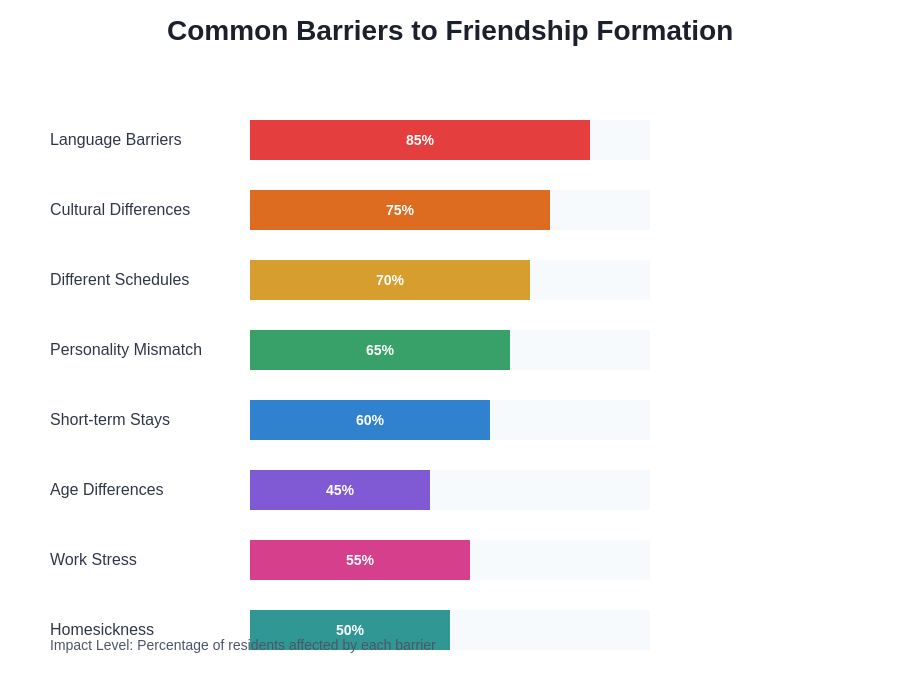
Language proficiency levels among sharehouse residents create subtle but significant barriers to deep friendship formation, even when basic communication appears functional for daily interactions. The ability to express humor, share personal vulnerabilities, discuss complex emotions, and engage in nuanced conversations about values and life experiences requires advanced language skills that many international residents have not yet developed during their early months in Japan.
Non-verbal communication patterns, personal space preferences, and social interaction rhythms differ substantially between cultures, creating ongoing friction and misunderstandings that must be navigated before authentic comfort and friendship can develop. How cultural differences affect friendship building explores how these seemingly minor differences accumulate to create significant relationship obstacles.
The tendency for residents to default to their native languages when discussing personal or emotional topics creates natural exclusion dynamics that prevent deeper relationship development with housemates who do not share the same linguistic background. This pattern reinforces existing social clusters and limits cross-cultural friendship formation despite living in supposedly integrated environments.
Different cultural approaches to conflict resolution, direct communication, and emotional expression can create situations where residents misinterpret each other’s intentions, emotional states, and friendship signals. These misunderstandings accumulate over time and require careful navigation and explicit discussion to overcome, processes that naturally extend the friendship development timeline.
The Reality of Personality Compatibility
Living in close proximity does not guarantee personality compatibility, and the initial novelty of international cohabitation often masks fundamental differences in lifestyle preferences, social needs, and personal values that become apparent only after extended interaction periods. How age differences impact sharehouse compatibility demonstrates how various demographic factors influence relationship development beyond simple cultural considerations.
Professional obligations, academic schedules, and personal routine preferences create natural limits on the time and energy available for relationship building, particularly during the demanding adjustment period when newcomers are simultaneously managing work or study responsibilities, cultural adaptation stress, and basic life logistics in a foreign environment.
Individual social batteries and introversion-extroversion preferences significantly impact how quickly residents feel comfortable engaging in deeper personal sharing and vulnerability that characterize friendship progression. Some individuals require extensive observation periods before feeling safe to reveal authentic personality aspects, while others may overwhelm housemates with premature intimacy attempts.
The diversity of life experiences, educational backgrounds, and future goals among international residents can create situations where individuals struggle to find common ground beyond their shared experience of living in Japan. Building friendships requires discovering mutual interests, compatible conversation styles, and shared values that extend beyond circumstantial proximity.
Trust Building and Vulnerability Timeline
Authentic friendship formation requires progressive vulnerability sharing and trust building that occurs through consistent positive interactions over extended periods. How to handle roommate conflicts without moving out reveals how successfully navigating disagreements and tensions actually strengthens relationships when handled constructively, but these situations require time to arise and resolve.
The process of observing housemates through various emotional states, stress situations, and personal challenges provides essential information about character, reliability, and compatibility that cannot be assessed through casual social interactions alone. These observations naturally require several months of cohabitation to accumulate sufficient data for informed friendship decisions.
Personal boundary establishment and respect patterns develop gradually as residents learn each other’s comfort zones, privacy needs, and social preferences through trial and error processes that inevitably involve some awkwardness and adjustment periods before natural rhythms emerge.
Many residents experience initial disappointment when surface-level connections do not immediately deepen into meaningful friendships, leading to social withdrawal or friendship-seeking behavior that can actually impede natural relationship development by creating pressure and artificial expectations.
Seasonal and Temporal Factors
The academic and professional calendar cycles in Japan create natural fluctuations in sharehouse populations that disrupt relationship continuity and require residents to repeatedly restart friendship-building processes with new housemates. How seasonal employment affects resident turnover explains how these patterns impact community stability and relationship investment.
Holiday periods, exam seasons, and work intensity cycles affect residents’ emotional availability and social energy, creating periods where friendship development naturally slows or stalls despite living in close proximity. Understanding these temporal patterns helps residents maintain realistic expectations about relationship progression.
The adjustment phases that international residents experience during their first six to twelve months in Japan often coincide with homesickness periods, cultural shock episodes, and identity questioning that can make individuals less emotionally available for friendship formation despite their desire for social connections.
Weather patterns and seasonal mood changes significantly impact social dynamics within sharehouses, with winter isolation periods and summer social energy fluctuations creating natural rhythms that affect when and how friendships develop most readily.
The Role of Shared Experiences and Conflict Resolution
Meaningful friendships often develop through successfully navigating challenges together rather than simply sharing positive experiences, but these relationship-strengthening conflicts and problem-solving opportunities require time to arise naturally within sharehouse environments. Why some residents feel constantly judged explores how initial social tensions can either strengthen or weaken developing relationships depending on how they are handled.
The process of establishing house rules, resolving utility disputes, managing cleaning responsibilities, and addressing noise complaints provides opportunities for residents to observe each other’s problem-solving approaches, fairness principles, and communication styles under stress conditions that reveal authentic character traits.
Group decision-making processes around social events, house improvements, and policy changes create situations where residents must negotiate differing preferences and priorities, experiences that either build trust and respect or reveal incompatibilities that affect friendship potential.
Emergency situations, unexpected challenges, and crisis management scenarios often catalyze rapid relationship development by requiring residents to depend on each other and demonstrate mutual support, but these bonding opportunities cannot be artificially created or rushed.
Individual Growth and Identity Development
Many international residents undergo significant personal growth and identity shifts during their first year in Japan, processes that affect their social needs, friendship priorities, and relationship capacity in ways that can either enhance or complicate friendship formation with housemates who knew them during earlier developmental phases.
The experience of living independently in a foreign culture often reveals previously unknown aspects of personality and social preferences that require time to understand and integrate, making it difficult to form authentic friendships until residents develop clearer self-awareness and communication about their evolving needs.
Professional development, language learning progress, and cultural adaptation success create changing confidence levels and social comfort that affect how residents engage with friendship opportunities and their capacity for vulnerability and emotional openness with housemates.
Career changes, relationship developments, and future planning processes naturally affect residents’ emotional availability and investment in local friendship formation, particularly when individuals are uncertain about their long-term commitment to remaining in Japan or specific locations within Tokyo.
Setting Realistic Expectations and Strategies
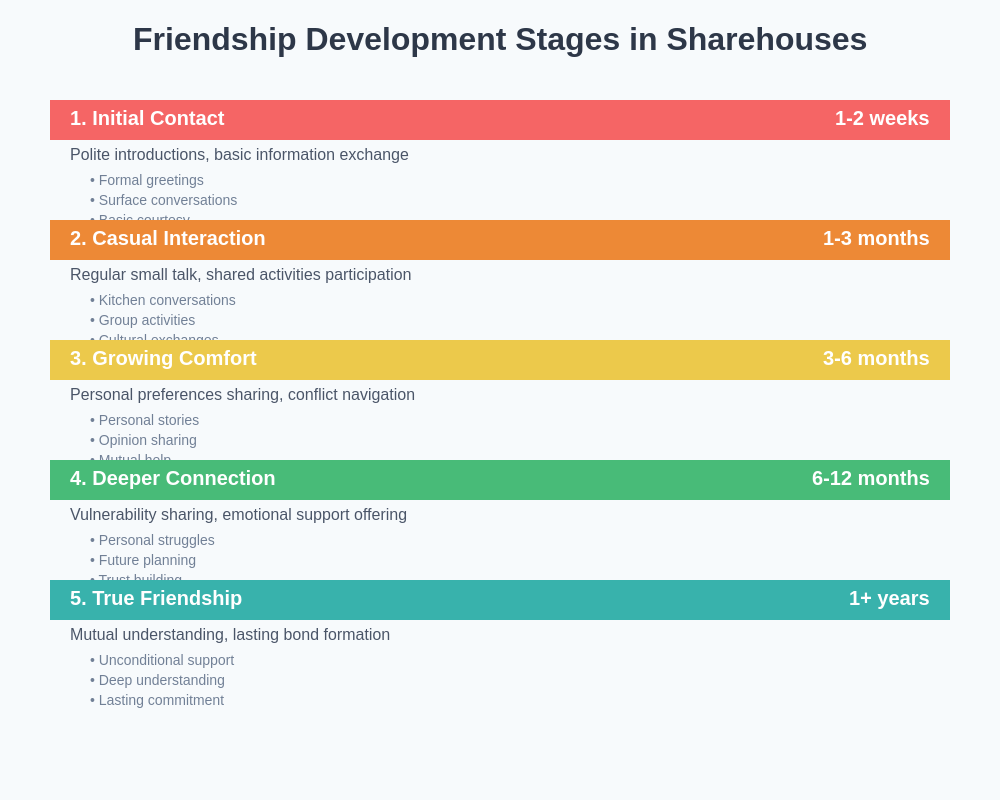
Understanding that authentic friendship development typically requires six months to two years of consistent interaction helps residents avoid disappointment and premature social judgments while maintaining openness to relationship opportunities that may develop more slowly than anticipated. Real stories from Tokyo sharehouse residents provides realistic timelines and examples of how meaningful friendships actually develop in practice.
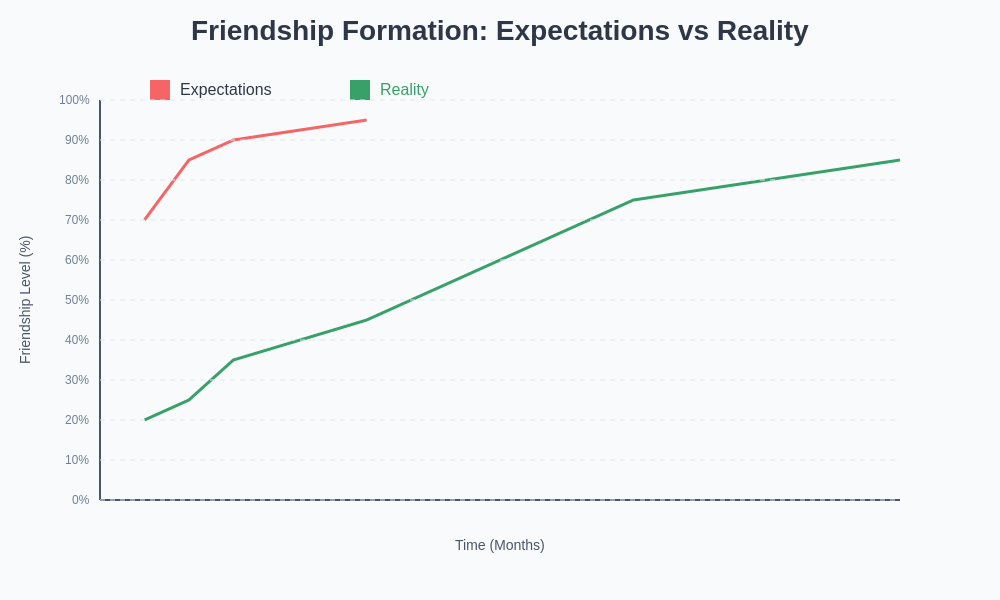
Focusing on building comfortable cohabitation relationships and mutual respect rather than forcing friendship development creates healthier social environments where authentic connections can develop naturally without pressure or artificial expectations that often backfire.
Participating in house activities and community events while maintaining realistic expectations about immediate outcomes allows residents to enjoy social interactions for their intrinsic value rather than evaluating every encounter for friendship potential, which often creates anxiety and social performance pressure.
Developing friendships outside the sharehouse through work, hobbies, language exchanges, and community involvement provides social fulfillment that reduces pressure on housemate relationships while potentially introducing compatible individuals who may become lasting friends through natural affinity rather than circumstantial proximity.
The Value of Patience and Gradual Investment
Recognizing that some of the most meaningful sharehouse friendships develop after initial neutral or even slightly negative impressions helps residents remain open to relationship possibilities that may not be immediately apparent during first encounters or early cohabitation periods.
Investment in small, consistent positive interactions and mutual consideration often proves more effective for friendship development than grand gestures or forced bonding activities that can create awkwardness and artificial expectations among residents who prefer more gradual relationship building.
Understanding that friendship formation involves mutual choice and cannot be unilaterally created helps residents maintain appropriate boundaries and self-respect while remaining genuinely open to connections that develop through mutual interest and compatibility rather than proximity alone.
The recognition that not all housemates will become close friends, and that pleasant, respectful cohabitation represents a successful relationship outcome in itself, helps residents appreciate the social benefits of sharehouse living without unrealistic expectations about universal friendship formation.
Building real friendships in Tokyo sharehouses requires patience, cultural sensitivity, realistic expectations, and genuine investment in understanding and appreciating the complex individuals who share these unique living environments. While the timeline may be longer than initially hoped, the friendships that do develop through this gradual, authentic process often prove more meaningful and enduring than relationships formed through artificial proximity or forced social interactions.
Disclaimer
This article is for informational purposes only and reflects general observations about social dynamics in shared living environments. Individual experiences may vary significantly based on personal factors, cultural backgrounds, and specific sharehouse communities. The timeline and challenges described may not apply to all residents or situations, and readers should approach friendship formation with openness while maintaining realistic expectations about relationship development.