The allure of bulk buying in Tokyo sharehouses appears deceptively simple and economically attractive, promising significant cost savings on everything from rice and toilet paper to cleaning supplies and personal care items. However, the reality of implementing bulk purchasing strategies in shared living environments reveals a complex web of storage challenges, interpersonal conflicts, and practical limitations that can transform potential savings into sources of daily frustration and community tension.
The fundamental disconnect between bulk buying economics and sharehouse storage realities creates persistent problems that affect not only individual residents but entire house communities. Understanding these challenges becomes essential for anyone considering shared living arrangements in Tokyo, where space constraints and cultural expectations around organization and cleanliness significantly impact daily life quality and interpersonal relationships.
The Economics vs Reality Gap in Sharehouse Bulk Buying
The mathematical appeal of bulk purchasing creates compelling financial arguments that initially attract many sharehouse residents seeking to minimize their monthly living expenses in expensive Tokyo. Understanding how much Tokyo sharehouses really cost per month reveals how residents constantly seek strategies to reduce their financial burden, making bulk buying appear as an obvious solution for controlling variable costs.
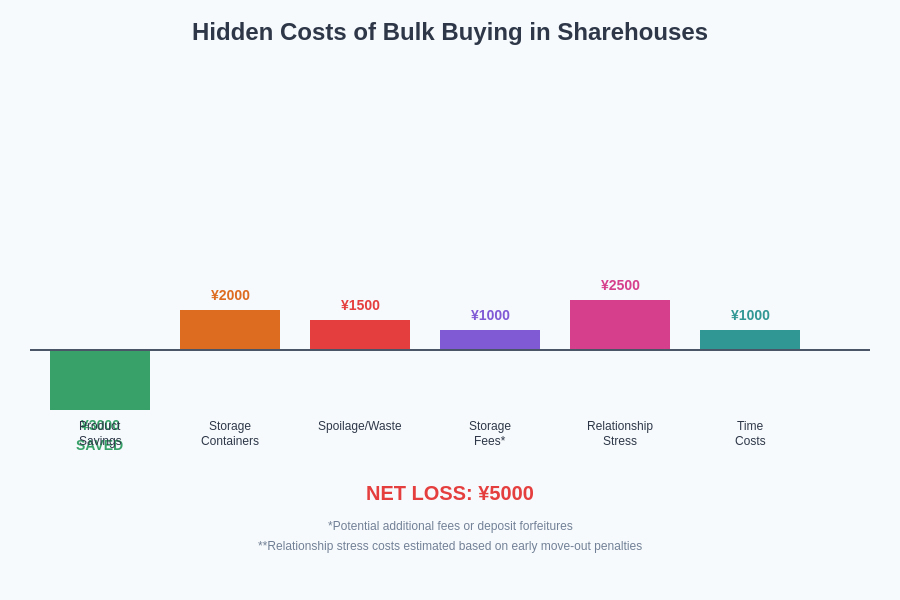
The typical bulk buying calculation focuses exclusively on per-unit cost savings while completely overlooking the hidden costs associated with storage requirements, spoilage risks, and the social friction that emerges when multiple residents attempt to implement individual bulk purchasing strategies simultaneously. These overlooked factors frequently transform apparent savings into net losses when calculated across the entire living experience.
Tokyo’s retail environment, with its abundance of convenience stores and competitive pricing on smaller quantities, often negates the traditional advantages of bulk purchasing that exist in suburban or rural environments. The convenience factor of purchasing items as needed, combined with limited storage capacity, frequently makes just-in-time purchasing more practical and economical than bulk buying strategies.
Physical Space Limitations in Tokyo Sharehouses
Tokyo sharehouse architecture reflects the city’s premium on space efficiency, with storage areas designed for minimal personal belongings rather than bulk commodity storage. Best Tokyo neighborhoods for sharehouse living demonstrates how even well-located properties prioritize bedroom and common area space over storage facilities, creating fundamental constraints on bulk purchasing feasibility.
Individual room storage typically consists of a single closet designed for clothing and personal items, with no additional space allocated for bulk food storage, cleaning supplies, or household commodities. The assumption that residents will purchase items as needed reflects Japanese retail culture and urban living patterns that emphasize convenience and minimal inventory maintenance.
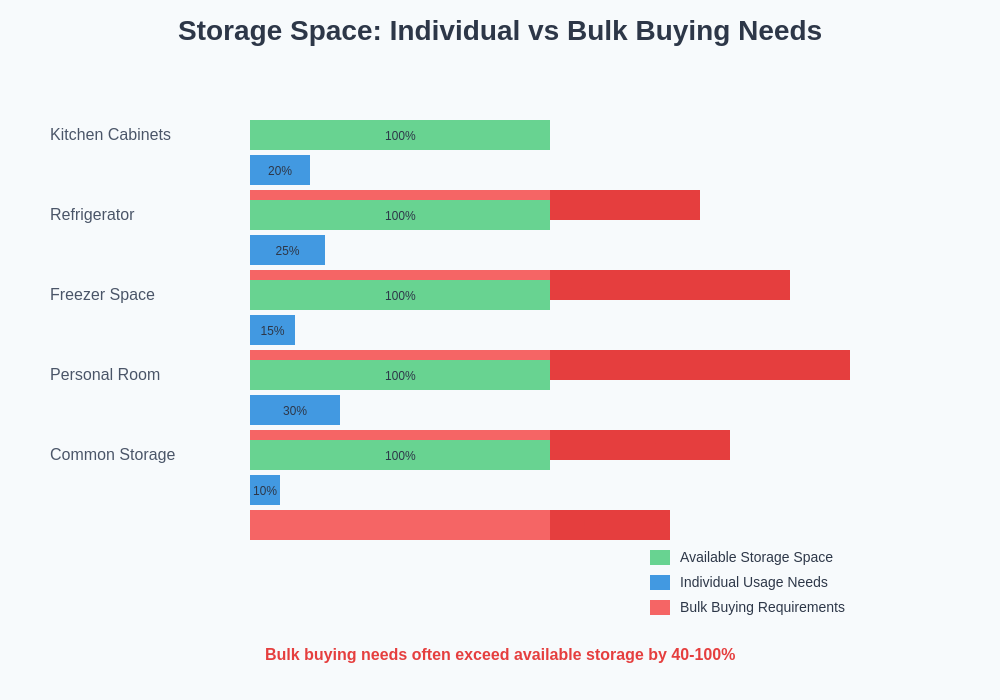
Common area storage, including kitchen cabinets and refrigerator space, operates on principles of shared usage and rapid turnover rather than long-term bulk storage. These areas become battlegrounds when residents attempt to claim disproportionate storage space for their bulk purchases, creating ongoing tension and conflict over resource allocation that affects overall house harmony.
The physical impossibility of accommodating multiple residents’ bulk buying ambitions in limited storage spaces creates zero-sum situations where one person’s storage needs directly conflict with another’s basic daily requirements. Japanese sharehouse rules every foreigner should know often includes storage limitations that explicitly prohibit excessive personal item accumulation in common areas.
Refrigerator and Food Storage Conflicts
Refrigerator space represents the most contentious storage battleground in sharehouses attempting to accommodate bulk buying strategies. Standard sharehouse refrigerators, designed for immediate consumption needs of multiple residents, lack the capacity to store significant bulk food purchases alongside regular daily food storage requirements of all house members.
The shelf-life limitations of bulk perishable items create additional pressure on refrigerator space, as residents attempt to store large quantities of items that require consistent temperature control but have limited consumption timelines. This creates cascading problems where bulk buyers monopolize refrigerator space with items they cannot consume quickly enough, while other residents struggle to find space for their daily food needs.
Freezer space constraints become particularly problematic for bulk meat, bread, and prepared food purchases that require frozen storage to maintain quality and safety. The typical sharehouse freezer compartment cannot accommodate serious bulk frozen food storage while maintaining space for other residents’ legitimate freezing needs, creating ongoing allocation disputes and resource management challenges.
Living costs in Tokyo sharehouses explained reveals how food costs represent a significant portion of monthly expenses, intensifying residents’ motivation to pursue bulk buying strategies that ultimately create storage conflicts exceeding any potential financial benefits.
Pantry and Dry Goods Storage Challenges
Dry goods storage in sharehouses faces unique challenges that stem from both space limitations and the practical realities of shared living environments. Cabinet space designed for dishes, cookware, and basic pantry items cannot accommodate the volume requirements of serious bulk purchasing without displacing essential kitchen functionality and other residents’ storage needs.
The vertical storage solutions common in Tokyo housing create additional complications for bulk dry goods storage, as heavy items stored in upper cabinets pose safety risks and accessibility challenges for shorter residents or those with mobility limitations. The weight distribution of bulk items can exceed cabinet design specifications, leading to structural damage and safety hazards.
Pest control becomes significantly more challenging when bulk dry goods create numerous storage locations for potential infestations. Rice, flour, and other bulk staples require proper sealed storage to prevent insect problems, but sharehouses typically lack the specialized storage containers and dedicated space necessary for maintaining pest-free bulk food storage across multiple residents’ purchases.
Temperature and humidity control for bulk dry goods storage requires environmental conditions that sharehouses cannot always maintain consistently. Fluctuating temperatures and moisture levels can compromise the quality and safety of bulk stored items, creating waste that negates any initial cost savings while potentially creating health hazards for all residents.
Personal Item and Supply Storage Issues
Non-food bulk purchases create equally problematic storage challenges in sharehouses, particularly for cleaning supplies, toiletries, and household consumables that residents frequently purchase in bulk quantities. Bathroom storage limitations cannot accommodate bulk toilet paper, shampoo, and personal care items without creating access problems and aesthetic issues that affect all residents’ daily experiences.
Cleaning supply storage raises safety concerns when bulk quantities of potentially hazardous chemicals are stored inappropriately in shared spaces. Limited secure storage options for cleaning products create risks of accidental exposure, improper mixing, and access by unauthorized users who may not understand proper handling procedures for concentrated or bulk cleaning supplies.
The seasonal nature of many bulk purchases creates cyclical storage problems that compound throughout the year. Winter clothing storage, holiday decorations, and seasonal items purchased in bulk require long-term storage solutions that simply do not exist in typical sharehouse configurations, forcing residents to choose between maintaining their bulk purchases and respecting shared space limitations.
How to find the perfect sharehouse in Tokyo emphasizes the importance of understanding storage limitations before committing to shared living arrangements, particularly for residents who anticipate significant bulk purchasing needs.
Social Dynamics and Fairness Concerns
Bulk buying in sharehouses creates inherent fairness issues that extend beyond simple storage space allocation to fundamental questions about resource sharing and community equity. When one resident claims disproportionate storage space for their bulk purchases, it raises questions about whether they should pay additional fees or provide compensation to other residents whose storage access becomes limited.
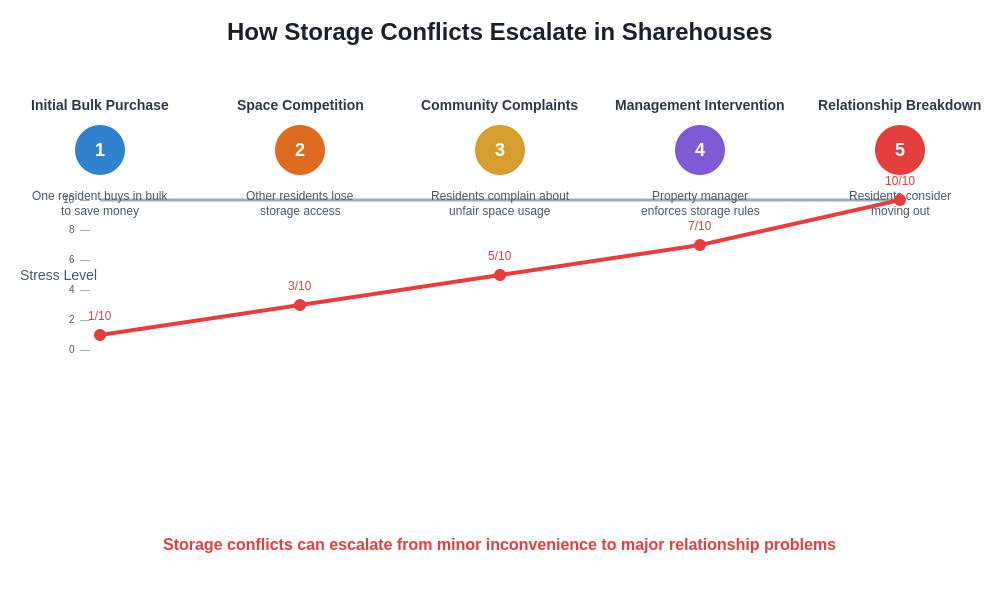
The temporal nature of bulk buying creates ongoing negotiation requirements between residents about storage priority, rotation schedules, and fair usage policies that many houses are unprepared to manage effectively. These discussions often become contentious as residents balance their economic interests against community harmony and fair resource distribution principles.
Cultural differences in bulk buying attitudes and storage expectations can create additional friction in international sharehouses. Residents from cultures where bulk buying represents normal household management may conflict with those who prefer minimal inventory approaches, creating ongoing tension about appropriate storage usage and community standards.
Living with Japanese roommates in Tokyo sharehouses reveals how storage conflicts can quickly escalate into broader cultural misunderstandings and interpersonal problems that affect overall house harmony and resident satisfaction.
Property Management and Rule Enforcement
Sharehouse operators face significant challenges in developing and enforcing storage policies that balance individual residents’ bulk buying desires with community needs and property limitations. Contract terms that are more important than advertised prices often includes storage restrictions that residents discover only after moving in and attempting to implement bulk buying strategies.
Property managers must mediate storage disputes between residents while maintaining fair and consistent policies that do not discriminate against particular cultural practices or economic strategies. The subjective nature of “excessive” storage usage creates enforcement challenges that require careful documentation and clear communication to avoid legal and interpersonal complications.
Insurance and liability concerns around bulk storage create additional complications for property managers who must consider fire safety, structural load limits, and potential damage from improperly stored bulk items. These considerations often result in storage restrictions that limit residents’ bulk buying capabilities regardless of their willingness to pay additional fees or accept additional responsibilities.
The ongoing nature of storage conflicts requires property management resources that many operators prefer to avoid, leading to increasingly restrictive storage policies that may not be clearly communicated during the initial rental process but become apparent only when residents attempt to implement bulk buying strategies.
Health and Safety Implications
Bulk storage in inappropriate conditions creates health risks that extend beyond individual residents to affect entire house communities. Improper food storage can lead to contamination, spoilage, and pest problems that compromise the health and safety of all residents while creating cleaning and remediation costs that exceed any bulk buying savings.
Fire safety becomes compromised when bulk items block emergency exits, obstruct ventilation systems, or create fuel loads that exceed building safety specifications. The accumulated volume of bulk purchases can transform minor safety hazards into major risks that threaten resident safety and property integrity.
Hygiene standards suffer when bulk storage overwhelms available cleaning and maintenance capabilities. Crowded storage areas become difficult to clean properly, creating conditions that promote bacterial growth, mold development, and other health hazards that affect air quality and overall living conditions for all residents.
Making friends through Tokyo sharehouse communities becomes significantly more difficult when storage conflicts and health concerns create ongoing tension and dissatisfaction that undermines the social benefits of shared living arrangements.
Alternative Strategies and Solutions
Smart shopping strategies that avoid bulk buying can provide many of the same economic benefits without creating storage problems in sharehouses. Understanding Tokyo’s retail landscape, including discount stores, seasonal sales, and loyalty programs, enables residents to achieve cost savings through strategic purchasing without requiring significant storage capacity.
Cooperative buying arrangements between residents can capture bulk pricing benefits while distributing storage requirements across multiple people. These arrangements require coordination and trust but can provide economic advantages while respecting storage limitations and maintaining fair resource distribution among house members.
Digital storage and delivery services offer alternatives to physical bulk storage that can provide convenience and cost savings without requiring physical space. Subscription services, automated delivery, and just-in-time purchasing can optimize costs while eliminating storage conflicts and space management challenges.
How to handle roommate conflicts without moving out provides strategies for addressing storage-related disputes when they arise, emphasizing communication and compromise approaches that can preserve community harmony while addressing individual needs.
Long-term Impact on Sharehouse Living
The cumulative effect of ongoing storage conflicts and bulk buying problems can significantly degrade the sharehouse living experience for all residents. What begins as simple economic optimization attempts can evolve into chronic sources of stress, interpersonal conflict, and community breakdown that ultimately make shared living arrangements unsustainable.
Property turnover rates increase when storage conflicts create ongoing dissatisfaction among residents who feel their needs are not being met or their rights are not being respected. This turnover disrupts community building and increases costs for both residents and property operators while making it difficult to establish stable, harmonious living environments.
The reputation damage from storage-related conflicts can affect sharehouses’ ability to attract quality residents who seek peaceful, well-managed living environments. Word-of-mouth reports about storage problems and interpersonal conflicts can significantly impact a property’s desirability and long-term viability in Tokyo’s competitive rental market.
Real stories from Tokyo sharehouse residents frequently include accounts of how storage conflicts and bulk buying problems contributed to decisions to move out or avoid particular properties, demonstrating the significant impact these issues can have on resident satisfaction and retention.
The fundamental mismatch between bulk buying economics and sharehouse storage realities represents a persistent challenge that requires realistic expectations, creative solutions, and ongoing community cooperation to manage effectively. Understanding these limitations before committing to shared living arrangements enables residents to make informed decisions about their shopping strategies and storage needs while maintaining positive relationships with their housemates and contributing to harmonious community environments that benefit everyone involved.
Disclaimer
This article is for informational purposes only and does not constitute professional advice. Storage policies and regulations may vary between different sharehouses and property management companies. Readers should review their specific rental agreements and house rules regarding storage limitations and bulk purchasing restrictions. Individual experiences may vary depending on property characteristics, community dynamics, and local regulations.