Business travel creates a labyrinth of financial complications for Tokyo sharehouse residents that extends far beyond simple absence from home, transforming routine monthly payments into complex logistical challenges that threaten housing stability and create unexpected financial burdens. The intersection of international banking systems, Japanese payment requirements, and unpredictable travel schedules generates perfect storm conditions where even well-organized professionals find themselves struggling to maintain basic financial obligations while fulfilling career responsibilities that demand extensive travel.
The cultural and systematic differences between Japanese financial expectations and international business travel realities create fundamental incompatibilities that force residents into impossible choices between career advancement and housing security. Understanding these complications requires examining not only the technical aspects of payment processing but also the cultural framework within which Japanese housing operates, where consistency and predictability take precedence over flexibility and accommodation for individual circumstances.
Banking System Incompatibilities During Travel
Japanese banking systems operate within rigid frameworks that prioritize security and domestic stability over international accessibility, creating fundamental barriers for residents who need to manage monthly sharehouse payments while traveling abroad for business purposes. How currency exchange affects monthly payments demonstrates baseline complexity, but business travel amplifies these challenges through time zone differences, international banking restrictions, and limited access to Japanese financial services from foreign locations.
International banking relationships that residents maintain for business travel often conflict with Japanese payment requirements that demand specific domestic transaction types, creating situations where residents cannot fulfill payment obligations despite having adequate funds in accessible accounts. The segregation between domestic and international banking systems in Japan means that residents cannot simply transfer funds from their home country accounts to cover sharehouse expenses during extended business trips.
Time zone differences between business travel destinations and Japan create narrow windows for financial transactions that often conflict with banking hours in both locations, particularly for residents traveling to Western countries where business hours occur during Japanese nighttime periods when domestic banking services remain unavailable. The synchronization requirements for international wire transfers often exceed the time windows available between travel schedules and Japanese payment deadlines.
Currency conversion delays and international transfer processing times frequently extend beyond monthly payment deadlines, particularly when business trips coincide with banking holidays or weekend periods that suspend international transfer services for extended periods. The unpredictable nature of business travel scheduling makes it impossible to plan around these system limitations consistently.
Automatic Payment System Failures
Japanese sharehouse payment systems typically rely on domestic automatic withdrawal services that fail when residents travel internationally for extended periods, particularly when primary bank accounts lack sufficient funds due to travel expense advances or international transaction holds that freeze account access. Understanding utility bills in Japanese sharehouses explains standard payment systems, but these systems prove inadequate when residents face international travel complications.
Bank account freezing mechanisms designed to prevent fraud often trigger during international business travel when unusual transaction patterns or foreign location access attempts activate security protocols that lock residents out of their own accounts during critical payment periods. The protective measures that banks implement to safeguard accounts become obstacles that prevent legitimate payment attempts while residents travel for business purposes.
Automatic payment setup requirements often demand physical presence at Japanese bank branches for authorization changes or problem resolution, creating impossible situations when residents need to modify payment arrangements while abroad for business purposes that may extend for weeks or months. The inflexibility of Japanese banking bureaucracy makes remote problem resolution nearly impossible for international travelers.
Credit card backup payment systems frequently fail during international travel due to foreign transaction restrictions, daily spending limits, or security holds that prevent large monthly rent payments from processing when primary payment methods fail. The interconnected nature of sharehouse payment systems means that failure in one payment method often cascades into complete payment system breakdown.
Cash Flow Management During Extended Travel
Business travel expense structures create temporary cash flow disruptions that affect residents’ ability to maintain consistent monthly payment schedules, particularly when companies reimburse travel expenses weeks or months after initial payment deadlines have passed. How to calculate your true living costs provides baseline budgeting guidance, but business travel introduces variables that destabilize carefully planned financial management systems.
Corporate credit card policies often restrict personal expense payments that include housing costs, forcing residents to advance personal funds for monthly sharehouse payments while simultaneously covering substantial business travel expenses that may not receive immediate reimbursement. The timing mismatch between payment obligations and expense reimbursements creates liquidity crises that threaten housing payment consistency.
Per diem allowances and travel expense budgets rarely account for ongoing home country obligations like sharehouse rent payments, creating situations where residents must choose between maintaining adequate travel funds for business purposes and ensuring sufficient account balances for monthly payment obligations. The separation between business travel budgets and personal living expenses creates artificial constraints that complicate financial management.
International ATM access limitations and daily withdrawal restrictions often prevent residents from accessing sufficient cash amounts to cover monthly sharehouse payments through alternative payment methods when primary systems fail during business travel periods. The fragmented nature of international banking access makes it difficult to maintain adequate liquidity across multiple financial systems simultaneously.
Communication and Authorization Challenges
Language barriers between residents and sharehouse management become critically problematic when payment issues arise during business travel, particularly when residents need to explain complex international banking situations or request payment extensions through limited Japanese language capabilities while managing demanding work schedules in foreign locations. How language barriers prevent deep friendships demonstrates communication complexity, but financial communications require precision that casual language skills cannot provide.
Time zone coordination between residents abroad and sharehouse management in Japan creates narrow communication windows that often conflict with business travel schedules, meetings, and professional obligations that prevent timely resolution of payment issues before they escalate into serious housing consequences. The synchronization requirements between different time zones and business schedules often make real-time problem resolution impossible.
Email and digital communication systems that residents rely upon during business travel often prove inadequate for complex financial problem resolution that Japanese management companies prefer to handle through direct telephone conversations or in-person meetings that traveling residents cannot accommodate. The cultural preference for direct verbal communication in Japanese business contexts conflicts with the remote communication necessities of international business travel.
Authorization requirements for payment modifications or emergency payment arrangements often demand physical documentation or in-person verification that traveling residents cannot provide from international locations, creating bureaucratic deadlocks that prevent reasonable problem resolution while residents fulfill necessary business obligations abroad. The inflexibility of Japanese administrative procedures makes remote financial management nearly impossible during extended travel periods.
Property Management Inflexibility
Sharehouse management companies typically operate under rigid monthly payment schedules that make no accommodation for residents’ business travel obligations, treating payment delays resulting from legitimate international banking complications as standard rental violations subject to late fees and potential lease termination procedures. Japanese sharehouse rules every foreigner should know outlines standard policies, but these policies rarely address the realities of international business travel.
Cultural expectations around punctuality and reliability in Japanese business contexts create zero-tolerance approaches to payment timing that conflict with the inherent unpredictability of international business travel schedules and banking system limitations that residents cannot control despite advance planning and preparation efforts. The cultural emphasis on consistency over flexibility makes accommodation for travel-related payment complications unlikely.
Emergency contact and payment resolution procedures offered by most sharehouse management companies prove inadequate for residents traveling in different time zones with limited communication capabilities and restricted access to Japanese banking services that management companies expect residents to utilize for problem resolution. The domestic focus of sharehouse management systems creates barriers for residents dealing with international complications.
Late payment penalties and potential lease termination threats create additional stress and financial pressure for residents who face payment complications due to business travel obligations that they cannot refuse without jeopardizing their career advancement and long-term earning potential. The inflexibility of housing consequences conflicts with the professional necessities that drive business travel requirements.
Technology and Digital Banking Limitations
Japanese digital banking systems often restrict international access through IP address filtering and location-based security measures that prevent residents from accessing their accounts while traveling abroad for business purposes, even when they possess legitimate credentials and authorization to conduct transactions. How digital contracts are still uncommon demonstrates technology limitations, but banking restrictions create more severe obstacles for traveling residents.
Mobile banking applications frequently fail to function properly when used from international locations due to security protocols, network compatibility issues, or regional software restrictions that prevent residents from completing necessary financial transactions while abroad for business travel. The domestic design of Japanese banking technology creates barriers for legitimate international usage by residents.
Two-factor authentication systems that rely on Japanese phone numbers or domestic SMS services often fail when residents travel internationally with foreign SIM cards or roaming services that cannot receive authentication codes necessary for online banking access. The security measures designed to protect accounts become obstacles that prevent legitimate access during international travel periods.
VPN restrictions and international access limitations imposed by Japanese financial institutions often prevent residents from circumventing geographical restrictions through technical solutions, leaving them without viable options for remote account access during extended business travel periods that may span weeks or months. The security-focused approach of Japanese banking creates technological barriers that cannot be easily overcome through standard international travel solutions.
Expense Reimbursement and Cash Flow Mismatches
Corporate expense reimbursement schedules rarely align with monthly sharehouse payment deadlines, creating cash flow gaps that force residents to advance personal funds for housing expenses while awaiting reimbursement for business travel costs that may total thousands or tens of thousands of yen per trip. Living costs in Tokyo sharehouses explained provides baseline expense understanding, but business travel creates additional complexity layers.
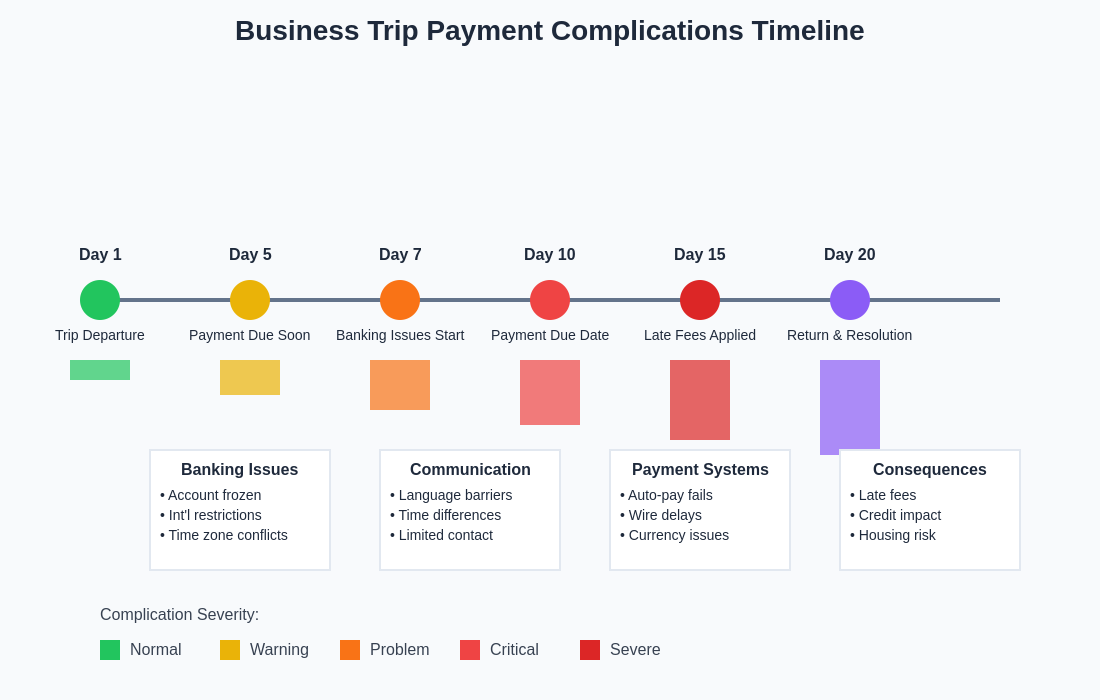
International business travel expenses often consume available credit limits and bank account balances that residents planned to use for monthly sharehouse payments, particularly when companies require employees to advance travel costs through personal financial resources before providing reimbursement through lengthy corporate procedures. The front-loading of business expenses creates temporary liquidity crises that affect housing payment capabilities.
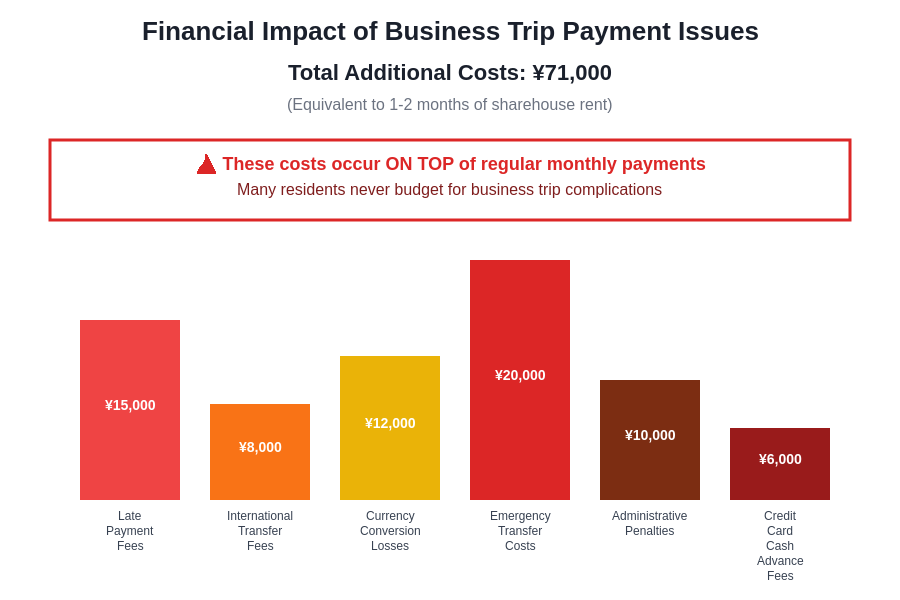
Currency conversion costs and international transaction fees associated with business travel compound the financial impact of payment complications by reducing available funds while simultaneously creating additional expense categories that residents must manage alongside regular sharehouse obligations. The cumulative effect of travel-related financial costs often exceeds residents’ emergency financial reserves.
Delayed reimbursement processing during international business travel often results in residents facing multiple monthly payment cycles with reduced available funds while awaiting corporate expense resolution that may take weeks or months to complete. The extended timeline for expense reimbursement creates prolonged financial strain that affects multiple payment periods rather than isolated incidents.
Emergency Payment and Backup System Failures
International money transfer services that residents attempt to use as backup payment methods during business travel often fail due to regulatory restrictions, processing delays, or verification requirements that cannot be satisfied while traveling abroad with limited documentation access. How international money transfers cost more explains baseline complications, but business travel creates additional verification and timing challenges.
Emergency payment options offered by most sharehouse operators prove inadequate for residents facing international travel complications because these options typically require domestic banking access, Japanese language communication, or in-person arrangements that traveling residents cannot accommodate. The domestic focus of emergency payment systems creates gaps in coverage for international travel situations.
Family and friend assistance options for emergency payment coverage often prove problematic when residents travel internationally because potential helpers lack access to Japanese banking systems or understanding of sharehouse payment requirements and procedures. The cultural and systematic barriers to payment assistance create isolation for traveling residents facing financial complications.
Credit card cash advance options frequently fail during international business travel due to foreign transaction restrictions, daily limits, or security holds that prevent residents from accessing emergency funds needed to cover monthly sharehouse payments when primary payment methods fail. The international restrictions on emergency financial access compound payment complications during critical periods.
Legal and Contractual Implications
Lease agreement terms typically make no provision for payment complications resulting from legitimate business travel obligations, treating all payment delays as contract violations regardless of the underlying causes or the residents’ efforts to resolve international banking complications through available channels. Contract terms are more important than advertised prices explains baseline contract complexity, but business travel creates additional legal vulnerabilities.
Documentation requirements for payment delay explanations often exceed what traveling residents can provide from international locations, particularly when management companies demand specific banking documentation or verification that residents cannot obtain while abroad for business purposes. The documentary requirements for problem resolution create bureaucratic barriers that traveling residents cannot overcome.
Legal consequences of payment delays during business travel can affect residents’ credit history, rental references, and future housing applications in Japan even when payment complications result from legitimate international banking limitations rather than financial irresponsibility or intentional contract violation. The inflexibility of legal consequences conflicts with the professional necessities that drive business travel requirements.
Dispute resolution procedures for payment complications typically require physical presence or domestic legal representation that traveling residents cannot arrange while fulfilling international business obligations, creating situations where residents cannot effectively defend themselves against housing consequences resulting from travel-related payment complications. The domestic focus of legal procedures creates disadvantages for residents dealing with international complications.
Strategic Financial Management for Business Travelers
Developing effective financial management strategies for business travel requires maintaining multiple redundant payment systems that operate independently of international banking complications, including domestic proxy payment arrangements, automatic transfer systems, and emergency credit facilities that function during extended travel periods. How to budget realistically for sharehouse living provides foundational guidance, but business travelers need additional complexity management.

Building relationships with reliable domestic contacts who can facilitate emergency payment processing provides crucial backup options when residents face international banking complications that prevent direct payment completion during business travel periods. The investment in local support networks pays dividends during travel-related financial emergencies.
Advance payment strategies that involve pre-funding sharehouse accounts for multiple months create buffer periods that accommodate business travel complications while reducing the immediate financial pressure of monthly payment deadlines during international travel periods. The front-loading of housing payments provides financial security that accommodates travel unpredictability.
Technology solutions including VPN services, international banking relationships, and digital payment platforms can provide alternative channels for payment processing during business travel, though residents must carefully evaluate the legal and security implications of circumventing Japanese banking restrictions through technical means. The balance between payment accessibility and regulatory compliance requires careful consideration and professional guidance.
Understanding and preparing for the inevitable complications that business travel creates for sharehouse payment management enables residents to develop comprehensive strategies that protect housing stability while fulfilling career obligations that demand international travel. The integration of travel considerations into housing financial planning prevents crisis situations that threaten both professional and personal stability in Japan’s demanding urban environment.
Disclaimer
This article is for informational purposes only and does not constitute professional financial or legal advice. Business travel complications and payment solutions vary significantly based on individual circumstances, company policies, and specific banking relationships. Readers should consult with qualified financial and legal professionals regarding their specific situations and develop appropriate contingency planning strategies. The experiences described may not reflect all possible scenarios or outcomes related to business travel and sharehouse payment management.