The rapid adoption of contactless payment systems across Japan has fundamentally transformed how sharehouses manage financial transactions, creating unprecedented levels of convenience, transparency, and efficiency in shared living environments. This technological revolution extends far beyond simple rent collection, encompassing every aspect of communal financial management from utility bill splitting to group purchases and emergency expense handling. The shift represents a broader societal movement toward digital-first living that has become particularly pronounced in Tokyo’s international sharehouse communities.
Understanding the implications of this transition becomes essential for anyone considering sharehouse living in Japan, as contactless systems now influence everything from application processes to daily expense management. The integration of these technologies has created new opportunities for financial transparency while simultaneously introducing challenges that residents must navigate to maintain healthy house dynamics and personal financial security.
The Digital Payment Revolution in Japanese Sharehouses
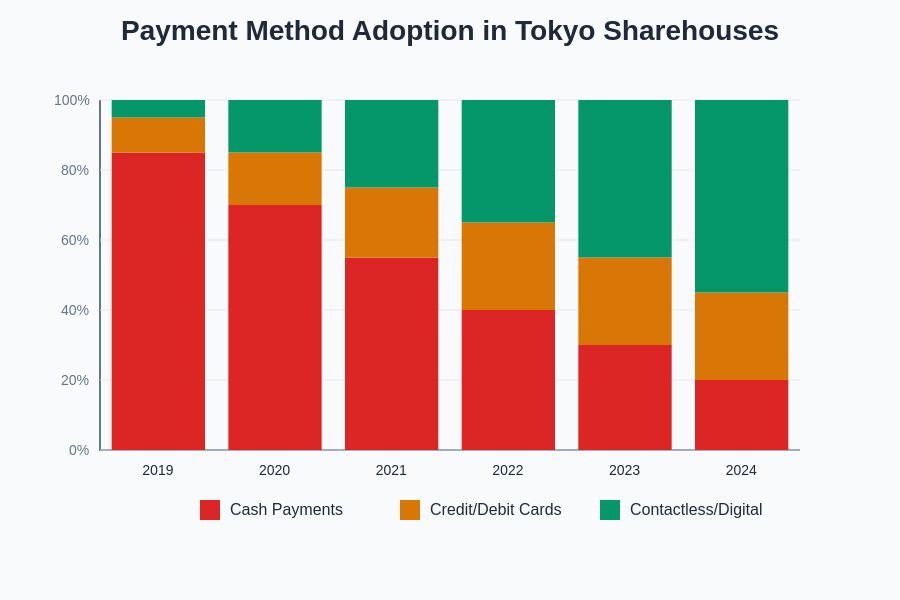
Japan’s transformation from a predominantly cash-based society to one embracing digital transactions has occurred with remarkable speed, particularly accelerated by pandemic-related safety concerns and the growing international resident population in sharehouses. Living costs in Tokyo sharehouses explained demonstrates how digital payment integration affects overall expense management and budgeting strategies for international residents.
Modern sharehouse operators have embraced contactless payment systems as essential tools for streamlining operations, reducing administrative overhead, and providing residents with real-time visibility into their financial obligations. The elimination of cash handling has significantly reduced disputes over payment timing, amount accuracy, and transaction documentation that previously created tension in shared living environments.
The technological infrastructure supporting these systems has matured rapidly, with platforms like PayPay, Line Pay, and Rakuten Pay becoming standard features in sharehouse financial ecosystems. These applications seamlessly integrate with existing banking systems while providing additional functionality such as expense tracking, automatic bill splitting, and group payment coordination that enhances the overall living experience.
Property management companies have recognized that contactless payment adoption significantly improves resident satisfaction scores while reducing operational costs associated with manual payment processing, cash handling security, and financial record maintenance. This efficiency gain allows managers to focus resources on property maintenance and community building rather than administrative payment processing.
Transforming Rent Collection and Monthly Obligations
Traditional rent collection methods in sharehouses often involved complex cash handling procedures, bank transfer coordination, and manual reconciliation processes that created opportunities for errors and delays. Understanding utility bills in Japanese sharehouses illustrates how digital systems have simplified these traditionally complicated financial arrangements.
Contactless payment systems have eliminated many common pain points associated with monthly financial obligations by providing automated payment scheduling, instant confirmation receipts, and transparent transaction histories that residents can access independently. The reduction in manual processes has significantly decreased the likelihood of payment disputes and improved overall house financial management.
Automated payment reminders and scheduling features ensure that residents never miss payment deadlines, protecting both individual credit standing and house financial stability. The systems typically provide multiple notification methods including push notifications, email alerts, and SMS reminders that accommodate different communication preferences and time zone considerations for international residents.
The integration of contactless payments with expense tracking applications allows residents to maintain detailed records of their housing-related expenses for tax purposes, visa applications, and personal budgeting without requiring additional administrative effort. This automatic documentation proves particularly valuable for international residents who must demonstrate financial stability for visa renewals or status changes.
Revolutionizing Shared Expense Management
Group purchases, utility bill splitting, and communal expense coordination have historically represented some of the most challenging aspects of sharehouse financial management, often leading to misunderstandings and conflicts over fairness and transparency. How shared expense apps create new problems explores both benefits and potential complications of digital expense management systems.
Contactless payment platforms have introduced sophisticated bill-splitting algorithms that automatically calculate individual obligations based on usage patterns, room sizes, income levels, or other predetermined criteria that houses establish collectively. These automated calculations eliminate manual computation errors and reduce perception of bias in expense allocation decisions.
Real-time expense tracking capabilities allow residents to monitor shared purchases, utility consumption, and communal project costs as they occur rather than discovering unexpected charges at month-end. This transparency has significantly improved trust levels within sharehouse communities while encouraging more responsible consumption behaviors among residents.
The ability to process micro-transactions efficiently has enabled more granular cost sharing for items previously considered too small to divide fairly, such as cleaning supplies, seasonings, or maintenance materials. This detailed tracking capability has reduced the accumulation of small financial grievances that could escalate into larger interpersonal conflicts.
Enhancing Security and Fraud Prevention
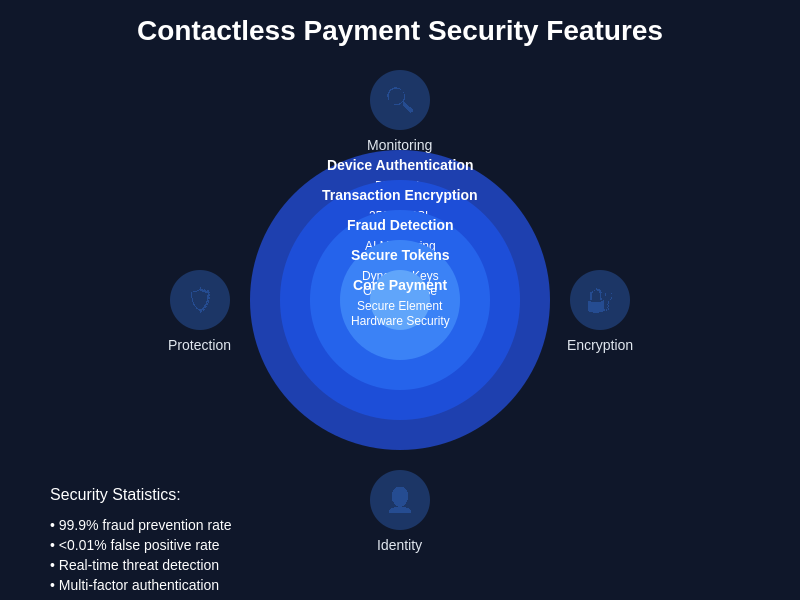
Digital payment systems incorporate multiple layers of security protection that surpass traditional cash handling methods, providing residents with enhanced protection against theft, fraud, and financial disputes. How personal information gets compromised addresses privacy concerns while highlighting security improvements that contactless systems provide.
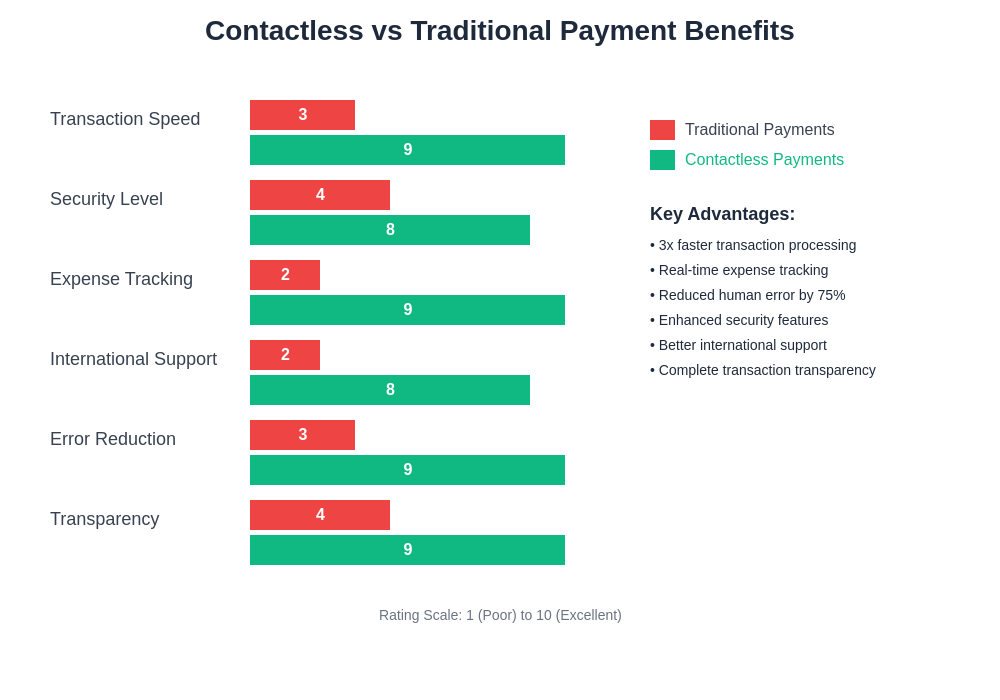
Biometric authentication, device-specific tokens, and transaction encryption ensure that unauthorized access to resident financial accounts remains extremely difficult even if physical devices are compromised. The systems typically require multiple authentication factors including fingerprints, facial recognition, or PIN codes that provide significantly stronger security than traditional payment methods.
Transaction logging and audit trails create comprehensive records of all financial activities that can be reviewed independently by residents or property managers when questions arise about payment timing, amounts, or allocation accuracy. These digital records eliminate disputes based on memory differences or missing physical documentation.
Fraud detection algorithms continuously monitor transaction patterns to identify suspicious activities such as unusual payment amounts, irregular timing, or geographic anomalies that might indicate unauthorized access attempts. Automatic alerts notify both residents and property managers when potentially fraudulent activities are detected.
Facilitating International Transaction Management
International residents often face significant challenges managing currency exchange, international transfer fees, and banking compatibility issues that complicate traditional payment methods. How currency exchange affects monthly payments explains how digital systems address many of these international banking complications.
Contactless payment platforms increasingly offer built-in currency conversion services with competitive exchange rates that reduce the cost and complexity of international money management for foreign residents. These integrated services eliminate the need for separate currency exchange transactions and provide transparent rate information for budgeting purposes.
Multi-currency wallet functionality allows residents to maintain balances in their home currencies while making payments in Japanese yen, providing natural hedging against exchange rate fluctuations and reducing the frequency of international transfers. This capability proves particularly valuable for residents whose income originates outside Japan.
Integration with international banking networks enables direct connections to foreign bank accounts, reducing dependency on Japanese banking relationships that can be difficult to establish for new residents. These connections often provide more favorable terms than traditional international wire transfer services while offering faster transaction processing.
Streamlining Emergency and Unexpected Expenses
Sharehouse living inevitably involves unexpected expenses such as emergency repairs, equipment replacements, or urgent maintenance that require rapid financial coordination among residents. How emergency expenses are never budgeted demonstrates how contactless systems improve emergency financial response capabilities.
Instant payment processing capabilities enable immediate response to urgent situations without waiting for bank transfer clearance periods or coordinating cash collection from multiple residents. This rapid response capability has prevented minor maintenance issues from escalating into major problems that affect entire house comfort and safety.
Emergency expense notifications can be distributed immediately to all residents with payment requests that specify individual obligations, payment deadlines, and detailed explanations of the necessity and costs involved. This transparency helps maintain community trust during stressful situations that might otherwise create suspicion or resentment.
Automatic expense approval systems can be configured to handle routine emergency expenses below predetermined thresholds without requiring individual resident confirmation, enabling property managers to address urgent issues immediately while maintaining resident oversight of significant expenditures.
Improving Financial Transparency and Accountability
Traditional sharehouse financial management often suffered from opacity regarding expense allocation, payment status, and fund utilization that created suspicion and conflicts among residents. How to budget realistically for sharehouse living shows how digital transparency tools help residents better understand and manage their housing-related expenses.
Real-time dashboard interfaces provide residents with complete visibility into house financial status including current balances, pending payments, recent transactions, and projected expenses. This transparency eliminates speculation and rumors about financial management while encouraging more active resident participation in budget discussions.
Detailed transaction categorization and reporting capabilities enable residents to understand exactly how their payments are allocated across different expense categories such as utilities, maintenance, supplies, and administrative costs. This granular visibility helps residents make informed decisions about optional expenses and lifestyle choices.
Automated financial reporting generates monthly summaries that highlight spending patterns, budget variances, and cost trends that help residents understand seasonal variations and plan accordingly. These reports often reveal optimization opportunities that benefit the entire house community through reduced per-person costs.
Addressing Privacy and Data Security Concerns
The adoption of digital payment systems inevitably raises concerns about personal financial privacy and data security that residents must carefully consider when choosing sharehouses that rely heavily on contactless technologies. Why personal space boundaries are constantly tested explores privacy considerations in various aspects of sharehouse living including financial transactions.
Data encryption standards and privacy controls built into modern payment platforms provide residents with granular control over information sharing while maintaining the transparency necessary for effective shared expense management. Most systems allow residents to limit visibility of personal transaction details while participating in group financial activities.
Regulatory compliance requirements in Japan mandate specific data protection measures that payment platforms must implement, providing residents with legal recourse and standardized protection levels regardless of which specific system their sharehouse utilizes. These regulations continue evolving to address emerging privacy concerns and technological capabilities.
Regular security audits and penetration testing conducted by payment platform providers help identify vulnerabilities before they can be exploited, while transparency reports provide residents with information about security incident handling and response procedures.
Impact on Sharehouse Community Dynamics
The implementation of contactless payment systems has subtle but significant effects on interpersonal relationships and community dynamics within sharehouses that extend beyond purely financial considerations. Making friends through Tokyo sharehouse communities examines how technological changes affect social interactions and relationship building among residents.
Reduced financial friction and improved transparency have eliminated many sources of interpersonal tension that previously disrupted house harmony, allowing residents to focus energy on positive community building activities rather than financial dispute resolution. The systems have particularly benefited houses with diverse international populations where cultural differences in financial communication styles previously created misunderstandings.
Digital payment adoption has enabled more sophisticated group activities and shared experiences that require complex financial coordination, such as group travel, large equipment purchases, or community events. The ease of expense coordination has encouraged more ambitious collaborative projects that enhance overall living experiences.
Some residents express concern that increased digital mediation of financial relationships reduces personal interaction and accountability that helps build trust and mutual understanding within house communities. Balancing technological efficiency with personal relationship building remains an ongoing challenge for many sharehouses.
Future Developments and Emerging Trends
The continued evolution of contactless payment technology promises additional capabilities that will further transform sharehouse financial management, including artificial intelligence-powered expense optimization, blockchain-based transaction verification, and integration with smart home systems for automated usage-based billing.
Integration with emerging financial technologies such as cryptocurrency payments, automated investment platforms, and income-smoothing services may provide residents with additional tools for managing the financial complexities of shared living arrangements. These capabilities could particularly benefit international residents dealing with irregular income patterns or complex tax obligations.
The development of sharehouse-specific financial platforms that integrate payment processing with community management, maintenance coordination, and social networking features may create more comprehensive solutions than current general-purpose payment applications provide.
Government initiatives to promote cashless society adoption continue expanding the infrastructure and incentives supporting contactless payment usage, suggesting that digital-first financial management will become increasingly standard across all aspects of Japanese society including residential arrangements.
The transformation of sharehouse financial management through contactless payment adoption represents more than simple technological advancement; it demonstrates how digital tools can address longstanding challenges in shared living while creating new opportunities for enhanced community experiences. As these systems continue evolving, they will likely become even more integral to the sharehouse living experience, making financial literacy and digital payment familiarity essential skills for anyone considering shared housing in Japan’s increasingly connected society.
Disclaimer
This article is for informational purposes only and does not constitute financial or technological advice. Payment system features, security measures, and availability may vary between different platforms and sharehouse operators. Readers should research current options and consider their specific financial needs and privacy preferences when choosing payment methods. The effectiveness of digital payment systems may depend on individual technological literacy, banking relationships, and regulatory changes affecting financial services in Japan.