The variation in contract renewal terms across Tokyo’s sharehouse market represents one of the most significant yet poorly understood aspects of shared living arrangements that can dramatically impact residents’ long-term housing stability and financial planning. Unlike traditional apartment leases that follow relatively standardized legal frameworks, sharehouse contracts operate within a complex ecosystem of property management strategies, market dynamics, and regulatory interpretations that create vast differences in renewal conditions between operators and individual properties.
Understanding these variations becomes crucial for international residents who often sign initial contracts without fully comprehending the long-term implications of renewal clauses that may affect their ability to maintain stable housing throughout their stay in Japan. The complexity of these arrangements reflects broader tensions between tenant protection laws, property investment strategies, and the unique characteristics of shared living business models that have evolved rapidly over the past decade.
Market Segmentation and Business Model Differences
The sharehouse industry in Tokyo encompasses diverse business models that fundamentally influence how renewal terms are structured and implemented across different market segments. Large-scale corporate operators such as established companies with hundreds of properties typically develop standardized renewal frameworks designed to maximize occupancy rates while minimizing administrative complexity, resulting in relatively predictable renewal conditions that favor operational efficiency over individual flexibility.
Independent operators and smaller sharehouse companies often implement more personalized renewal approaches that reflect direct relationships with tenants and property-specific considerations, but this individualized approach creates significant variation in terms and conditions that can be difficult for prospective residents to anticipate or compare effectively. How to find the perfect sharehouse in Tokyo becomes particularly challenging when renewal terms vary so dramatically between operators and individual properties.
Premium and luxury sharehouse operators frequently incorporate renewal incentives and flexible terms as competitive advantages to attract and retain high-value residents, while budget-focused operators may prioritize strict renewal conditions that minimize administrative costs and maintain rapid tenant turnover to accommodate fluctuating demand patterns. These market positioning strategies create distinct renewal environments that reflect broader business priorities rather than standardized industry practices.
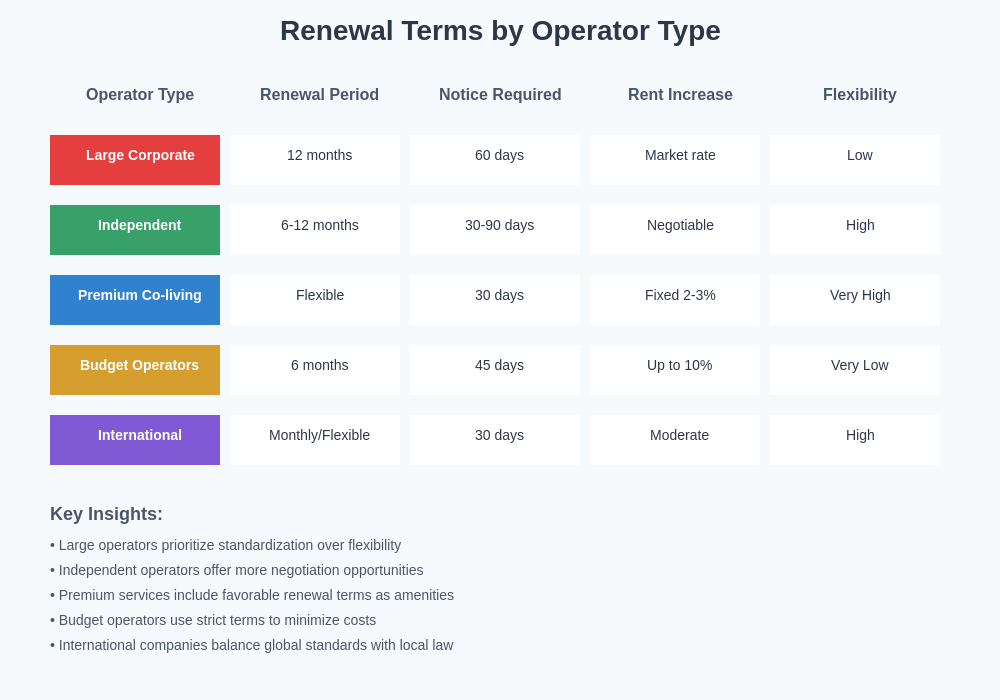
The emergence of international co-living companies has introduced additional complexity through the implementation of global operational standards that may not align perfectly with Japanese housing regulations, creating hybrid renewal systems that attempt to balance international resident expectations with local legal requirements and cultural norms.
Legal Framework and Regulatory Interpretation
Japanese housing law provides a foundation for tenant protection through the Rental Housing Act and related regulations, but the application of these protections to sharehouse arrangements involves complex legal interpretations that vary significantly between different contract structures and property classifications. Traditional apartment leases benefit from extensive legal precedents and standardized practices, while sharehouse contracts often operate in regulatory gray areas that allow for greater variation in terms and enforcement approaches.
The classification of sharehouse agreements as either residential leases or lodging arrangements fundamentally affects the legal protections available to residents and the renewal obligations imposed on operators, with many contracts deliberately structured to minimize operator obligations while maximizing flexibility for property management decisions. Japanese sharehouse rules every foreigner should know include understanding these legal distinctions that can significantly impact renewal rights and tenant protections.
Regional variations in local housing regulations and enforcement practices create additional complexity, as different Tokyo wards may interpret and apply housing protection laws differently, resulting in varying standards for renewal notice periods, rent increase limitations, and termination procedures across geographic areas. Property owners and management companies often develop renewal strategies that reflect their interpretation of applicable regulations rather than following universally standardized practices.
The evolving nature of shared living regulations means that renewal terms may change over time as legal frameworks adapt to address the growing sharehouse market, with newer properties potentially operating under different regulatory interpretations than established buildings that may benefit from grandfathered provisions or alternative compliance approaches.
Property Investment Strategies and Financial Considerations
Real estate investment objectives significantly influence renewal term structures as property owners balance long-term stability against flexibility for asset optimization and market adaptation. Investment properties purchased specifically for sharehouse conversion often incorporate renewal terms designed to maximize rental income through strategic tenant management and market-responsive pricing adjustments that may not prioritize resident stability.
Properties owned by institutional investors typically implement renewal frameworks aligned with broader portfolio management strategies that emphasize predictable cash flows and standardized operational procedures, while individual property owners may develop more flexible renewal approaches based on personal financial objectives and direct tenant relationships. Understanding utility bills in Japanese sharehouses becomes more complex when renewal terms affect utility arrangements and cost-sharing structures.
The financing structure of sharehouse properties affects renewal term flexibility, as properties with variable-rate mortgages or refinancing requirements may incorporate rent adjustment mechanisms that provide operators with greater pricing flexibility during renewal periods. Properties purchased with fixed financing arrangements may offer more stable renewal terms that reflect predictable operational costs and long-term investment strategies.
Market timing considerations influence renewal strategies as operators adjust terms to respond to seasonal demand fluctuations, economic conditions, and competitive pressures that vary throughout the year and across different market cycles. Living costs in Tokyo sharehouses explained demonstrates how these market factors ultimately impact resident expenses through renewal adjustments.
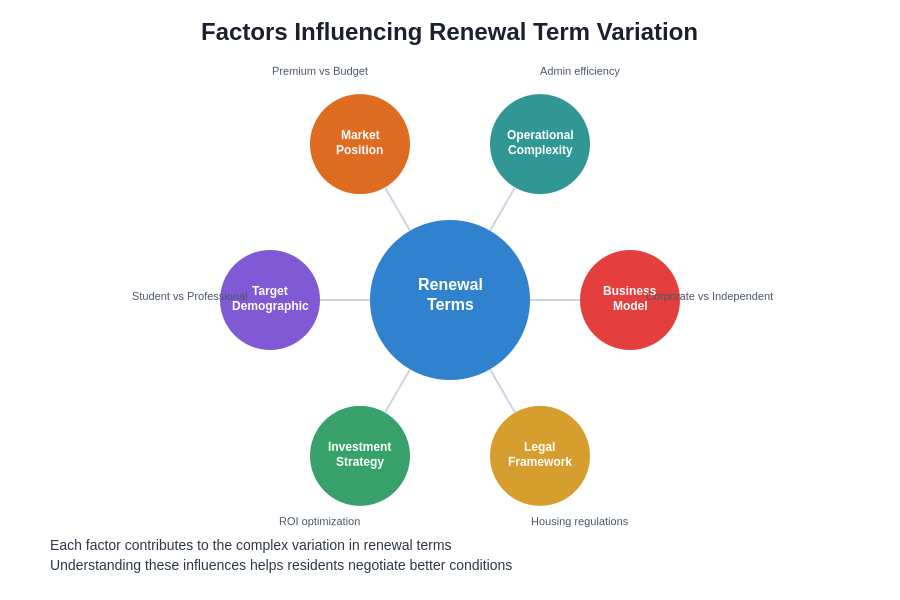
Resident Demographics and Target Market Positioning
Sharehouse operators develop renewal strategies tailored to their target demographic profiles, with student-focused properties typically implementing academic calendar-aligned renewal terms that accommodate educational scheduling and budget constraints, while professional-oriented sharehouses may offer more flexible renewal options designed to attract career-focused residents with stable incomes and longer-term housing needs.
International resident concentrations influence renewal term development as operators balance cultural expectations with operational requirements, creating variations in notice periods, documentation requirements, and communication approaches that reflect different cultural norms around housing stability and contract negotiations. Living with Japanese roommates in Tokyo sharehouses involves understanding how cultural differences affect renewal expectations and negotiations.
Age-specific sharehouses often implement renewal terms that reflect the life stage characteristics of their target residents, with younger resident communities typically experiencing more flexible short-term renewal options, while properties targeting older professionals may offer longer-term stability through extended renewal periods and predictable pricing structures.
Gender-specific properties may develop renewal approaches that address safety, community stability, and social dynamics considerations unique to single-gender living environments, resulting in specialized renewal terms that prioritize community continuity and resident screening processes that differ from mixed-gender properties.
Competitive Positioning and Market Differentiation
Sharehouse operators use renewal terms as competitive tools to differentiate their properties in crowded markets, with some companies offering guaranteed renewal rights, fixed pricing commitments, or flexible termination options as marketing advantages designed to attract quality residents and reduce vacancy rates during competitive periods.
Premium positioning strategies often incorporate generous renewal terms such as early renewal discounts, lease extension flexibility, and priority room transfer options that create added value for residents willing to pay higher base rents for enhanced housing security and flexibility. Best sharehouses in Tokyo often feature superior renewal terms as part of their competitive advantage.
Budget-oriented operators may implement strict renewal conditions that minimize administrative costs and maintain operational simplicity, but these approaches can create resident instability that ultimately affects property reputation and long-term profitability through increased turnover and negative reviews.
Location-specific competitive dynamics influence renewal strategies as operators in high-demand areas may implement more restrictive terms due to strong market position, while properties in competitive neighborhoods often offer more favorable renewal conditions to maintain occupancy rates and resident satisfaction levels.
Operational Complexity and Administrative Considerations
The administrative burden of managing diverse renewal terms creates operational challenges that influence how companies structure their renewal frameworks, with larger operators often standardizing terms to reduce complexity while smaller companies may offer personalized approaches that require more intensive management but provide competitive advantages through individualized service.
Seasonal demand fluctuations affect renewal timing strategies as operators balance resident retention against opportunities to adjust pricing and terms during peak demand periods, creating renewal patterns that may not align with individual resident preferences but reflect broader market optimization strategies. Student sharehouses near top Tokyo universities experience particularly complex seasonal renewal dynamics.
Technology systems and property management software capabilities influence renewal term complexity as operators with sophisticated systems can manage more nuanced renewal options, while companies with limited technological infrastructure may implement simpler renewal frameworks that reduce administrative burden but limit flexibility for both operators and residents.
Staffing levels and expertise affect renewal management quality as companies with dedicated leasing specialists can provide more comprehensive renewal services and flexible terms, while operators with limited staff may implement automated renewal processes that prioritize efficiency over personalized attention to individual resident needs.
Building Characteristics and Property-Specific Factors
Physical building conditions and maintenance requirements influence renewal strategies as properties requiring significant ongoing investments may implement terms that provide operators with greater flexibility to adjust pricing or modify lease conditions based on capital improvement needs and operational cost fluctuations.
Building age and infrastructure limitations affect renewal term development as older properties may face higher maintenance costs and regulatory compliance requirements that necessitate more flexible pricing structures and term adjustments to maintain financial viability while meeting safety and comfort standards.
Neighborhood characteristics and local market conditions create property-specific renewal considerations as buildings in rapidly gentrifying areas may implement terms that allow for market-rate adjustments, while properties in stable neighborhoods may offer more predictable renewal conditions that reflect consistent demand and operational costs.
Property ownership structure affects renewal flexibility as buildings owned by individual investors may offer more personalized renewal negotiations, while properties managed by large real estate companies typically implement standardized corporate policies that limit individual flexibility but provide clearer expectations for residents.
Technology Integration and Modern Management Approaches
Digital property management platforms enable more sophisticated renewal term management through automated notifications, online renewal processing, and data-driven pricing adjustments that allow operators to optimize renewal strategies based on market analytics and resident behavior patterns rather than relying solely on traditional manual processes.
Mobile applications and resident portals provide platforms for more dynamic renewal interactions as residents can access real-time information about renewal options, submit requests for term modifications, and receive immediate feedback about availability and pricing that enhances transparency while reducing administrative burden for property management teams.
Data analytics capabilities allow operators to develop more nuanced renewal strategies based on resident satisfaction metrics, market demand patterns, and financial performance indicators that enable proactive adjustments to renewal terms before problems develop or opportunities are missed.
Artificial intelligence and machine learning technologies increasingly influence renewal pricing and term optimization as sophisticated algorithms analyze multiple variables to recommend optimal renewal conditions that balance resident retention with revenue maximization and operational efficiency across large property portfolios.
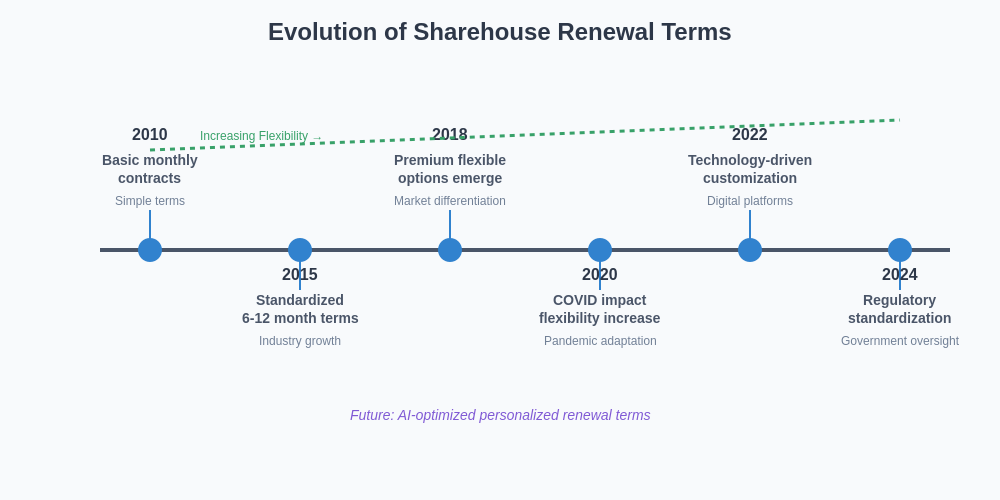
The trajectory of renewal term development shows a clear progression from simple monthly arrangements to sophisticated, technology-driven customization that responds to individual resident needs while maintaining operational efficiency.
Economic Factors and Market Volatility
Economic uncertainty and inflation concerns significantly impact renewal term development as operators attempt to balance predictable operations with flexibility to respond to changing cost structures, currency fluctuations, and market demand shifts that affect both operational expenses and resident ability to pay increased rents.
Interest rate fluctuations affect property financing costs and renewal pricing strategies as operators with variable-rate financing may implement more flexible renewal terms that allow for adjustments based on changing capital costs, while properties with fixed financing can offer more stable renewal conditions.
Employment market conditions influence renewal strategy development as areas with high job turnover may implement shorter renewal terms that accommodate resident mobility, while neighborhoods with stable employment opportunities may offer longer renewal periods that provide security for both residents and operators. Business district sharehouses near Tokyo Station reflect these employment-driven renewal considerations.
Currency exchange rate volatility particularly affects international resident communities as operators may implement renewal terms that provide protection against dramatic currency fluctuations while maintaining predictable revenue streams in yen-denominated operational costs and financing obligations.
Cultural Expectations and Communication Differences
Cross-cultural communication challenges significantly influence renewal term development and implementation as operators serving international communities must balance Japanese business practices with diverse cultural expectations around housing stability, contract negotiations, and landlord-tenant relationships that vary dramatically between different national backgrounds.
Language barriers affect renewal process clarity and resident understanding of available options, with some operators developing multilingual renewal systems and support services while others maintain Japanese-only processes that may disadvantage international residents during renewal negotiations and decision-making periods.
Different cultural approaches to long-term planning and housing stability create varying resident expectations around renewal terms, with some cultures prioritizing housing security through long-term commitments while others prefer flexibility that accommodates changing life circumstances and career opportunities.
Business relationship styles and negotiation customs affect renewal interactions as operators adapt their approaches to accommodate different cultural preferences for direct communication versus indirect discussion, individual decision-making versus group consultation, and formal contract procedures versus relationship-based agreements.
Regulatory Evolution and Future Trends
Ongoing regulatory development in the shared living sector suggests that renewal term variation may decrease over time as government agencies develop more specific guidelines for sharehouse operations, tenant protections, and contract standardization that could reduce current disparities between operators and individual properties.
International best practices and global co-living industry standards increasingly influence Japanese sharehouse operations as multinational operators introduce standardized approaches that balance local compliance requirements with international resident expectations and global operational efficiency standards.
Technology advancement and digital contract management systems enable more sophisticated renewal term customization while maintaining compliance with evolving regulations, suggesting that future variation may reflect individual resident preferences rather than operational limitations or regulatory uncertainties.
Market maturation and industry consolidation trends may lead to greater standardization of renewal terms as larger operators acquire smaller companies and implement unified policies across expanded property portfolios, potentially reducing variation while improving transparency and resident protection.
The complex interplay of market forces, regulatory frameworks, and operational strategies that drive renewal term variation reflects the dynamic nature of Tokyo’s sharehouse industry and the ongoing evolution of shared living as a mainstream housing option. Understanding these factors empowers residents to make informed decisions about initial contract selection and renewal negotiations while advocating for fair terms that balance operator flexibility with resident security and transparency.
Disclaimer
This article is for informational purposes only and does not constitute legal advice. Sharehouse contract terms and renewal conditions vary significantly between operators and individual properties. Readers should carefully review specific contract language and consult with legal professionals when necessary to understand their rights and obligations. The information provided reflects general market observations and may not apply to specific situations or future regulatory changes.