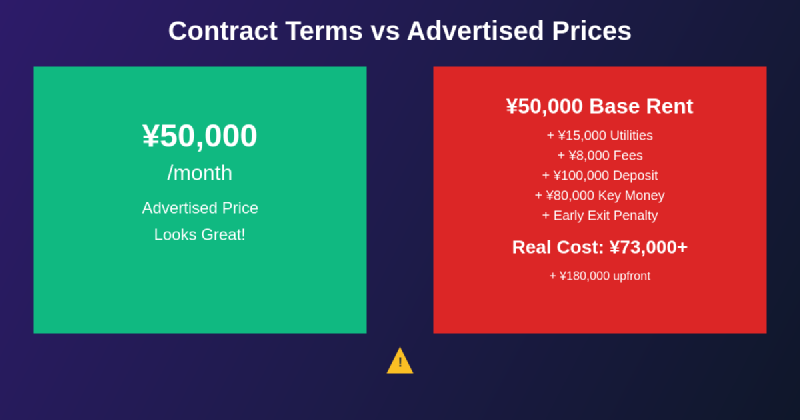
The allure of attractive advertised prices often blinds prospective sharehouse residents to the critical importance of contract terms and conditions that can fundamentally alter the true cost and experience of their housing arrangement. While a monthly rent figure might initially seem competitive and budget-friendly, the underlying contractual obligations, hidden fees, termination clauses, and penalty structures frequently transform what appears to be an economical choice into a financially burdensome and legally restrictive commitment that far exceeds initial expectations.
Understanding the intricate relationship between advertised pricing and contractual realities represents perhaps the most crucial skill for navigating Tokyo’s sharehouse market successfully. The gap between marketing promises and legal obligations has trapped countless international residents in situations where their actual monthly costs, flexibility limitations, and exit penalties created financial stress and housing instability that could have been avoided through careful contract analysis and informed decision-making processes.
The Psychology Behind Misleading Price Advertising
Sharehouse operators and property management companies deliberately employ pricing strategies that emphasize attractive headline rates while obscuring the complete financial picture through complex fee structures and contractual obligations. This marketing approach exploits natural human tendencies to focus on the most prominent numerical information while overlooking detailed terms and conditions that significantly impact the total cost of residency and the practical implications of the housing arrangement.
The practice of advertising artificially low base rents serves multiple strategic purposes for operators seeking to maximize occupancy rates and profitability. How much Tokyo sharehouses really cost per month reveals the substantial differences between advertised rates and actual monthly expenses that residents experience after accounting for all mandatory fees and charges that emerge only during the application and move-in processes.
International residents, particularly those unfamiliar with Japanese rental customs and legal frameworks, become especially vulnerable to these marketing tactics due to language barriers, cultural differences in contract interpretation, and urgent housing needs that pressure them into accepting terms without adequate analysis. The combination of time constraints, limited housing options, and complex documentation creates conditions where careful contract review becomes secondary to securing immediate accommodation.
Property managers understand that most prospective residents will prioritize speed and convenience over thorough contract analysis, especially when facing visa deadlines, job start dates, or current housing expiration pressures. This knowledge allows them to structure agreements that appear favorable initially but contain provisions that benefit the operator significantly throughout the tenancy period and particularly during termination processes.
Hidden Fee Structures That Multiply Real Costs
The systematic inclusion of undisclosed or inadequately explained fees represents one of the most financially damaging aspects of poorly structured sharehouse contracts. These additional charges often emerge only after residents have committed to the property and begun the move-in process, creating situations where backing out becomes financially or practically impossible despite the substantially increased cost burden that these fees impose on monthly budgets.
Administrative fees, key money, guarantee deposits, cleaning charges, maintenance fees, and utility connection costs frequently add hundreds of dollars to the actual monthly expense while remaining absent from initial price quotes and marketing materials. Understanding utility bills in Japanese sharehouses provides insights into how utility arrangements can significantly impact monthly costs beyond the basic rent structure.
Insurance requirements, furniture rental fees, internet connection charges, and community facility usage fees represent additional cost categories that operators may present as optional during initial discussions but reveal as mandatory requirements during contract signing. The cumulative impact of these charges often increases the effective monthly cost by twenty to forty percent above the advertised rate, fundamentally altering the affordability calculation that influenced the original housing decision.
Seasonal adjustments, utility surcharges during peak usage periods, and variable fee structures tied to occupancy levels create ongoing financial uncertainty that makes budgeting difficult and can result in unexpected expense spikes during certain months. Living costs in Tokyo sharehouses explained explores how these variable costs affect long-term financial planning for sharehouse residents.
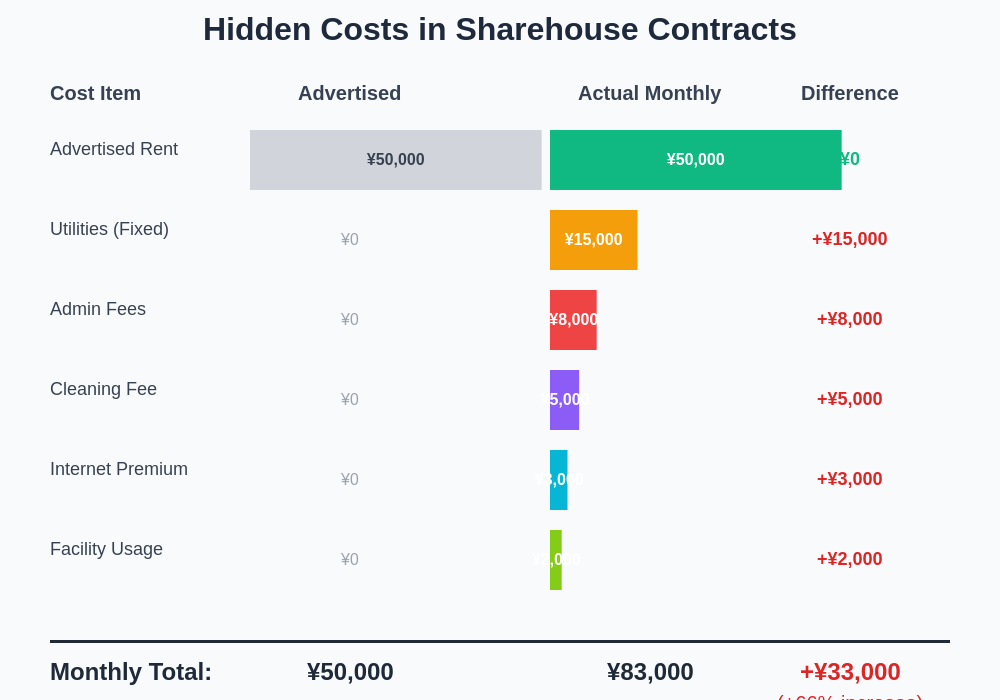
This comprehensive breakdown reveals how advertised prices can be misleading, with actual monthly costs often exceeding initial expectations by significant margins due to mandatory fees and charges that emerge during the contracting process.
Deposit and Key Money Complications
Security deposit policies and key money requirements in Tokyo sharehouses often involve complex calculation methods, return conditions, and penalty structures that can result in substantial financial losses for residents who fail to understand these terms thoroughly before signing their contracts. The relationship between advertised pricing and actual deposit requirements frequently involves significant discrepancies that can strain budgets and create unexpected financial obligations during the move-in process.
Traditional Japanese rental practices include key money payments that provide no direct benefit to tenants but represent non-refundable payments to landlords or operators as gratitude for providing housing. What security deposits actually cover in sharehouses examines how these payments differ from refundable security deposits and how operators use complex terminology to obscure the true nature of these financial obligations.
Deposit return procedures often include detailed damage assessment processes, cleaning fee deductions, and administrative charges that can consume substantial portions of the original deposit regardless of the property’s condition at departure. The criteria for damage evaluation, normal wear definitions, and cleaning standard requirements frequently favor operators while providing residents with limited recourse for challenging unreasonable deductions or excessive charges.
Multiple deposit categories including security deposits, damage deposits, cleaning deposits, and utility deposits create confusion about total upfront costs and complicate the understanding of which amounts might be recoverable upon departure. How to actually get your deposit back provides strategies for protecting these financial interests throughout the tenancy period.
Early Termination Penalties and Flexibility Restrictions
Contract termination clauses represent perhaps the most financially dangerous aspects of sharehouse agreements, with penalty structures that can result in costs equivalent to several months of rent for residents who need to leave before completing their full lease terms. These provisions often receive minimal attention during the initial selection process but can create substantial financial burdens when life circumstances require housing changes due to job relocations, relationship developments, or family emergencies.
Minimum stay requirements, advance notice periods, and penalty calculations frequently combine to create termination costs that far exceed the apparent savings from choosing lower advertised rental rates. What moving out really costs in Tokyo sharehouses reveals how these contractual obligations can transform seemingly affordable housing into expensive mistakes when flexibility becomes necessary.
The structure of early termination penalties often includes forfeit of security deposits, payment of remaining lease obligations, administrative processing fees, and replacement tenant search costs that collectively create financial obligations that can reach thousands of dollars even for residents who provide reasonable advance notice and leave properties in excellent condition.
Subletting restrictions, lease transfer limitations, and roommate replacement policies further reduce residents’ ability to minimize termination costs through alternative arrangements. These contractual provisions ensure that operators maintain maximum control over tenancy changes while eliminating most options for residents to reduce their financial exposure during early departure situations.
Utility and Service Charge Manipulations
Utility billing arrangements in sharehouses frequently involve complex allocation methods, service charges, and administrative fees that can result in monthly costs significantly higher than residents might expect based on actual usage patterns and market rates for comparable services. The opacity of these billing systems makes it difficult for residents to verify charges or understand how their payments relate to actual consumption and service provision.
Fixed utility charges, regardless of actual usage, often exceed what residents would pay for similar services in independent apartments while providing them with no control over consumption or cost management. Operators may justify these arrangements as simplifying billing processes, but they frequently result in cross-subsidization where conservation-minded residents pay for the excessive consumption of less careful housemates.
Service charges for internet, cleaning, maintenance, and facility management often include substantial profit margins for operators while providing residents with limited visibility into actual service costs or quality standards. Japanese sharehouse rules every foreigner should know explains how utility arrangements often include hidden obligations and restrictions that affect daily living patterns.
Seasonal surcharges, peak usage penalties, and consumption-based additional fees create variable monthly costs that make budgeting difficult and can result in surprise bills during certain periods. The lack of individual metering and transparent billing makes it impossible for residents to verify these charges or implement effective cost control measures.
Maintenance and Damage Assessment Issues
Property maintenance responsibilities and damage assessment procedures in sharehouse contracts often place unreasonable financial burdens on residents while providing operators with broad discretion in determining repair costs and responsibility allocation. The definition of normal wear versus tenant damage frequently favors operators, creating situations where residents face unexpected charges for issues that should reasonably be considered routine maintenance.
Shared facility damage policies can result in individual residents bearing costs for damage caused by other housemates or general usage patterns that exceed normal wear expectations. The difficulty in identifying specific responsibility for shared area damage often leads to blanket charges against all residents, creating unfair financial burdens for careful tenants who maintain their spaces properly.
Professional cleaning requirements upon departure often include standards and service providers specified by operators at rates significantly above market alternatives. How to budget realistically for sharehouse living addresses how these mandatory services can impact overall housing costs and departure expenses.
Emergency repair responsibilities, routine maintenance contributions, and facility upgrade assessments can create ongoing financial obligations that extend beyond basic rent and utility payments. The lack of resident input in maintenance decision-making often results in expensive repair choices that prioritize operator convenience over cost-effectiveness for the resident community.
Legal Protection and Dispute Resolution Limitations
Sharehouse contracts frequently include dispute resolution clauses that limit residents’ legal options and favor operators in conflicts over charges, damage assessments, or contract interpretation issues. These provisions can eliminate access to standard tenant protection mechanisms and force residents into arbitration processes that may not provide fair hearings or reasonable outcomes for legitimate grievances.
Language barriers and cultural differences in legal interpretation create additional disadvantages for international residents who may not understand their rights or the implications of specific contractual language. How to spot financial red flags in sharehouse contracts provides guidance for identifying problematic clauses that could create legal vulnerabilities.
Liability limitations, insurance requirement shifts, and responsibility allocation clauses often place disproportionate risk on residents while protecting operators from financial exposure related to property issues, security problems, or other resident disputes. The complexity of these provisions makes it difficult for residents to understand their exposure or take appropriate protective measures.
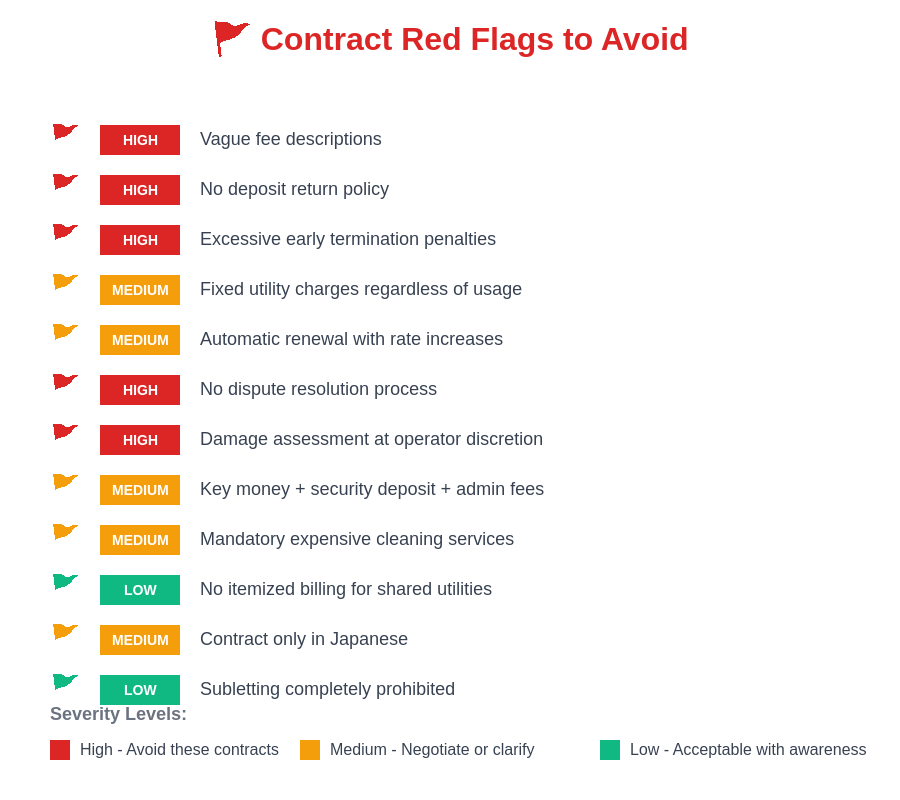
Jurisdiction selection, governing law specification, and procedural requirement clauses can further complicate dispute resolution processes and increase costs for residents seeking to challenge unfair charges or contract violations. The practical barriers to legal action often discourage residents from pursuing legitimate claims against operators who violate contract terms or engage in unreasonable charging practices.
Contract Renewal and Rate Adjustment Mechanisms
Lease renewal processes in sharehouses often include provisions for substantial rent increases, fee structure changes, and contract term modifications that can dramatically alter the housing cost and living conditions after the initial lease period expires. These adjustment mechanisms frequently provide operators with broad discretion while limiting residents’ ability to negotiate or maintain stable housing costs over time.
Automatic renewal clauses, notice requirements for termination, and penalty structures for choosing not to renew can create situations where residents face difficult choices between accepting unfavorable rate increases or paying substantial termination costs. Living costs in Tokyo sharehouses explained examines how these renewal dynamics affect long-term housing stability and budget planning.
Market rate adjustment provisions often lack clear definition or reasonable limitation, allowing operators to implement increases that may exceed general market trends or reflect factors unrelated to actual property improvements or service enhancements. The absence of rent control mechanisms in sharehouse arrangements leaves residents vulnerable to arbitrary increases that can force relocation despite satisfactory living situations.
Contract modification procedures during renewal periods may allow operators to introduce new fees, alter service arrangements, or change house rules without meaningful resident input or negotiation opportunities. These unilateral modification rights can fundamentally change the housing experience and costs in ways that residents could not anticipate when entering their original agreements.
Comparative Analysis of True Housing Costs
Evaluating sharehouses based on total cost of occupancy rather than advertised rental rates reveals dramatic differences in actual affordability and value proposition across different operators and properties. This comprehensive analysis approach includes all mandatory fees, likely additional charges, deposit requirements, and termination cost risks to provide accurate comparison frameworks for housing decisions.
The calculation of effective monthly costs should include prorated deposit amounts, average utility charges, mandatory service fees, and estimated termination penalty exposure to create realistic budget projections. How to calculate your true living costs provides methodologies for comprehensive cost analysis that accounts for all contractual obligations and likely additional expenses.
Properties with higher advertised rates but transparent fee structures and reasonable contract terms often provide better overall value than alternatives with attractive pricing but extensive hidden charges and restrictive contractual obligations. The importance of flexibility, fair dispute resolution processes, and reasonable termination options frequently outweighs modest differences in base rental rates.
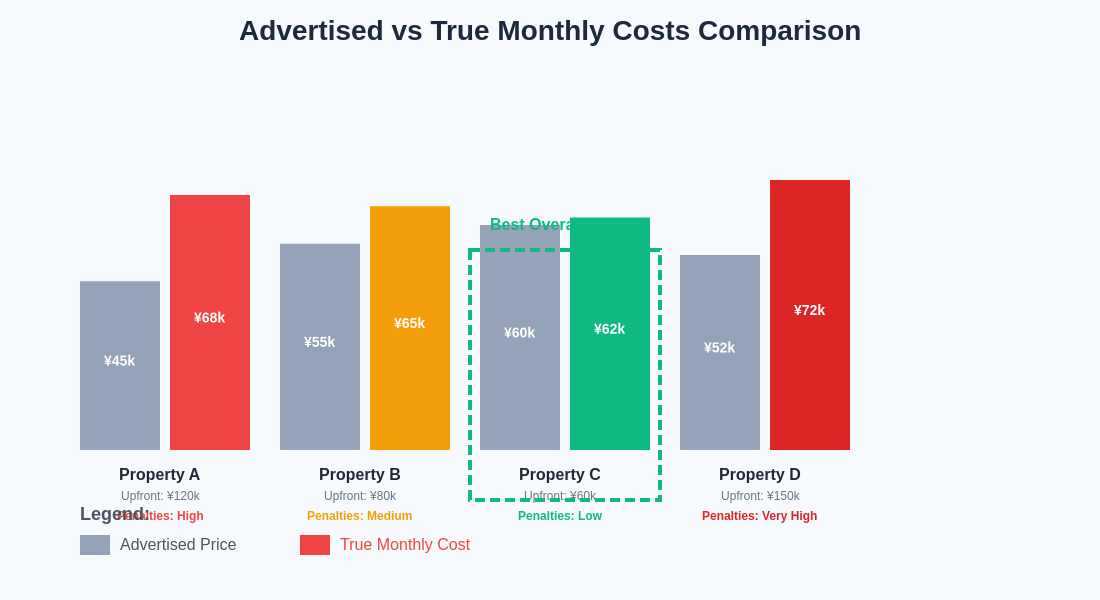
Long-term cost projections should account for likely rent increases, potential penalty exposure, and the costs associated with limited flexibility during the tenancy period. The financial impact of contract restrictions often exceeds the apparent savings from choosing properties with lower advertised rates but unfavorable terms and conditions.
Strategies for Contract Analysis and Protection
Effective contract evaluation requires systematic analysis of all financial obligations, penalty structures, and termination provisions before making housing commitments. This process should include detailed questioning about fee calculations, deposit return procedures, and specific examples of how charges are applied in practice rather than relying solely on general contract language.
Professional translation services or legal consultation may provide valuable protection for international residents facing complex contracts with significant financial implications. What documents you need for Tokyo sharehouse applications includes guidance on preparing for thorough contract review processes.
Documentation of property conditions, communication with operators, and understanding of resident rights can provide important protection during disputes or departure processes. Creating clear records of interactions and agreements helps residents protect their interests when conflicts arise over charges or contract interpretation issues.
Negotiation opportunities may exist for certain contract terms, particularly for longer-term residents or during periods of lower occupancy demand. Understanding which provisions might be flexible versus non-negotiable can help residents secure more favorable arrangements without compromising their housing options.
Making Informed Housing Decisions
The process of selecting sharehouses should prioritize contract terms and total cost analysis over advertised pricing to ensure that housing choices align with both financial capabilities and lifestyle flexibility requirements. This approach requires more time and effort during the search process but provides substantial protection against unexpected costs and contractual complications that can create long-term housing instability.
Building relationships with current residents, seeking referrals from trusted sources, and researching operator reputations can provide valuable insights into how contracts are implemented in practice versus their written terms. Real stories from Tokyo sharehouse residents offers authentic perspectives on contract experiences and operator practices.
Maintaining emergency housing funds and understanding alternative accommodation options provides important flexibility for residents who discover that their housing situations become untenable due to contract disputes or unexpected cost increases. This financial preparation enables residents to make housing changes based on their actual needs rather than contract restrictions.
The long-term benefits of choosing sharehouses with fair contract terms and transparent pricing structures far outweigh the short-term appeal of properties with attractive advertised rates but problematic contractual obligations. Investing time in thorough contract analysis and choosing operators with reasonable terms creates foundation for positive housing experiences that support broader life goals and financial stability throughout the residency period.
Disclaimer
This article is for informational purposes only and does not constitute legal advice. Contract terms and rental regulations may vary significantly between properties and operators. Readers should carefully review all contractual documents and consider consulting with legal professionals when facing complex agreements or disputes. The information provided reflects general patterns in the sharehouse market but may not apply to specific situations or properties.