The frustrating reality of waiting months for security deposit returns has become one of the most persistent complaints among international residents leaving Japanese sharehouses. What should theoretically be a straightforward financial transaction transforms into a prolonged bureaucratic ordeal that tests patience, challenges financial planning, and often leaves former residents questioning the fairness of Japan’s rental system. Understanding the complex web of administrative procedures, legal requirements, and business practices behind these delays provides crucial insight for anyone navigating the Japanese housing market.
The deposit return process in Japan operates within a unique legal and cultural framework that prioritizes thorough documentation, extensive damage assessment, and multiple levels of administrative review. This systematic approach, while designed to ensure fairness and prevent disputes, creates lengthy processing timelines that can extend far beyond international residents’ expectations and immediate financial needs.
The Complex Administrative Chain of Deposit Processing
Japanese rental law requires landlords and property management companies to follow specific procedures when handling security deposits, creating a multi-layered bureaucratic process that inherently takes significant time to complete. Understanding what security deposits actually cover in sharehouses reveals the extensive scope of potential deductions that must be thoroughly evaluated before any return can be processed.
The initial phase involves comprehensive property inspection conducted by multiple parties, including property management staff, cleaning professionals, maintenance contractors, and often independent third-party assessors who document every aspect of the room and common areas. Each inspection generates detailed reports that must be reviewed, cross-referenced, and approved through hierarchical management structures that can involve several weeks of back-and-forth communication and documentation verification.
Property management companies typically maintain standardized assessment protocols that require systematic evaluation of wear-and-tear versus tenant-caused damage, a distinction that often requires consultation with specialized contractors, pricing research for repairs, and legal review to ensure compliance with tenant protection laws. This thorough approach, while protecting both parties from disputes, necessitates extended timelines that reflect the complexity of fair damage assessment.
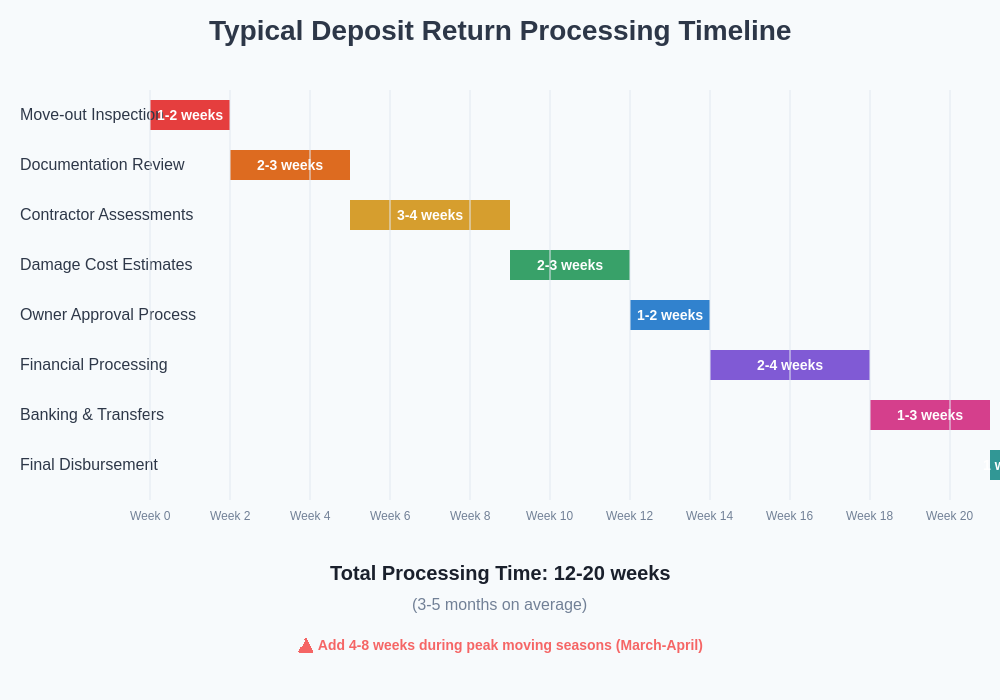
The financial processing component involves coordination between property management companies, landlords, banking institutions, and accounting departments that each maintain their own internal review and approval procedures. Large management companies often process hundreds of deposit returns simultaneously, creating processing queues that can extend for weeks during peak moving seasons when student semesters end and employment contracts expire.
Legal Requirements and Damage Assessment Procedures
Japanese rental law mandates specific timelines and procedures for deposit returns, but these legal requirements often work against tenants’ immediate needs for returned funds. How to actually get your deposit back provides strategies for navigating these legal frameworks, though the inherent complexity of the system creates unavoidable delays regardless of tenant preparedness.
The damage assessment process requires detailed photographic documentation, written descriptions, contractor estimates, and comparative analysis with move-in condition reports that may have been created months or years earlier. Property managers must distinguish between normal wear-and-tear, which cannot be charged to tenants under Japanese law, versus damage that exceeds reasonable usage expectations, a determination that often requires expert consultation and careful legal review.
Specialized cleaning and repair contractors must be scheduled for assessment visits, provide detailed estimates, and often complete actual work before final costs can be determined. The seasonal nature of moving in Japan creates bottlenecks during March and April when contractors face overwhelming demand, forcing property managers to wait weeks for appointments and estimates that directly impact deposit processing timelines.
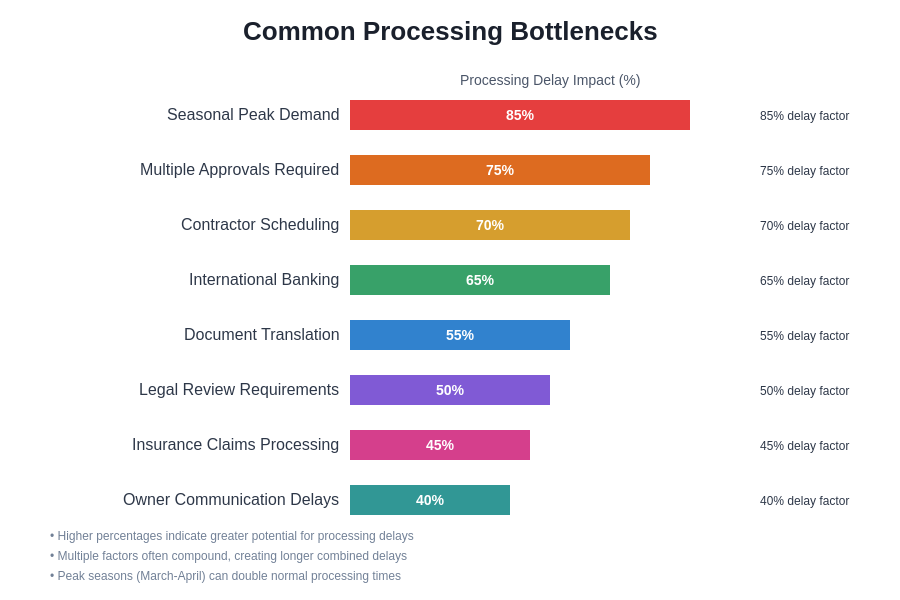
Insurance claims processing adds another layer of complexity when damage assessments exceed standard security deposit amounts or involve specialized repairs that require coverage verification. Insurance companies maintain their own investigation and approval procedures that can extend processing times by additional weeks, particularly for cases involving water damage, electrical issues, or structural repairs that require technical expertise.
Banking and International Transfer Complications
International residents face additional complications when deposit returns involve cross-border banking transactions, currency conversions, and compliance with international financial regulations. Living costs in Tokyo sharehouses explained touches on the broader financial challenges that affect deposit processing, though the banking complications often prove more complex than initial cost considerations.
Japanese banks maintain strict procedures for international transfers that require extensive documentation, beneficiary verification, and compliance with anti-money laundering regulations that can delay transactions by several weeks. Property management companies must provide detailed explanations for transfer purposes, recipient verification, and often wait for bank approval processes that involve manual review of international compliance requirements.
Currency exchange fluctuations create additional complications when deposits were paid in foreign currency but returns must be processed in Japanese yen, requiring calculation adjustments, rate determinations, and often multiple approval levels for exchange rate applications. Some management companies maintain policies requiring legal or accounting department approval for currency conversions, adding administrative layers that extend processing timelines.
The coordination between Japanese banking systems and international financial institutions often involves correspondence delays, verification requirements, and technical compatibility issues that can extend transfer processing by weeks beyond domestic transaction timelines. Smaller property management companies may lack experience with international transfers, requiring additional research, consultation, and procedural development that further delays processing.
Seasonal Processing Bottlenecks and Resource Constraints
The concentration of move-outs during specific periods creates systematic bottlenecks that affect deposit processing timelines regardless of individual circumstances or preparation. Seasonal employment affects resident turnover demonstrates how employment cycles create housing market patterns that directly impact administrative processing capacity.
March and April represent peak moving seasons when universities end academic years, employment contracts conclude, and international residents frequently return to their home countries, creating overwhelming volumes of deposit processing requests that exceed normal administrative capacity. Property management companies must handle months’ worth of normal processing volume within concentrated timeframes, inevitably creating delays and resource shortages.
Staff limitations during peak seasons compound processing delays when regular employees face vacation schedules, temporary staff lack experience with complex procedures, and management attention divides between new tenant processing and departure procedures. The simultaneous demands of marketing vacant rooms, processing new applications, and completing deposit returns create competing priorities that often result in deposit processing receiving lower priority attention.
Contractor availability during peak seasons creates additional bottlenecks when cleaning services, repair professionals, and inspection specialists face overwhelming demand that extends appointment availability by weeks. The interdependence between contractor assessments and deposit processing means that any delay in professional evaluations directly impacts final processing timelines, creating cascading delays throughout the system.
Third-Party Service Coordination and Dependencies
Modern sharehouse operations often involve multiple third-party service providers whose coordination requirements create additional complexity and potential delay points in deposit processing. What additional fees really mean in practice explores how service provider relationships affect costs, though the operational dependencies create more significant impacts on processing timelines.
Professional cleaning services must complete detailed assessments, provide cost estimates, and often complete actual cleaning before damage evaluations can be finalized. The scheduling coordination between property managers and cleaning contractors can involve weeks of back-and-forth communication, particularly during busy seasons when contractor availability becomes severely limited.
Maintenance and repair contractors require separate scheduling, assessment, and estimation processes for any damage that exceeds normal cleaning requirements. The complexity increases when multiple trades must be involved, such as plumbing, electrical, or carpentry work that requires specialized expertise and coordination between different contractor types.
Insurance claim processing involves separate timelines and requirements when damage assessments exceed security deposit amounts or involve coverage questions that require claims adjustment and investigation. The coordination between property management companies and insurance providers often involves extensive documentation, multiple site visits, and approval processes that can extend processing timelines by months.
Utility companies may require final meter readings, account closures, and outstanding balance calculations that must be completed before deposit processing can finalize. The coordination between property managers and utility providers often involves administrative delays, particularly when accounts have billing irregularities or disputed charges that require resolution.
Documentation Requirements and Verification Processes
The extensive documentation requirements for deposit processing reflect Japanese business culture’s emphasis on thorough record-keeping and legal compliance, creating comprehensive verification procedures that inherently require significant time investment. Japanese sharehouse rules every foreigner should know provides context for documentation expectations, though deposit processing involves additional complexity beyond standard rule compliance.
Move-in condition reports must be retrieved from filing systems, compared with move-out assessments, and verified for accuracy and completeness before damage determinations can be finalized. Property management companies often maintain extensive photographic records that require systematic review and comparison, a process that can involve hours of detailed examination for each unit.
Contractor estimates require verification against standard pricing databases, comparison with multiple service providers, and often approval from property owners who may not be immediately available for consultation. The verification process ensures fair pricing but creates additional approval layers that extend processing timelines, particularly when estimates exceed predetermined thresholds that trigger additional management review.
Legal compliance verification involves reviewing local tenant protection laws, ensuring proper deduction categories, and confirming that all procedures meet regulatory requirements for deposit handling. Property management companies often consult with legal departments or external counsel for complex cases, adding professional consultation delays to processing timelines.
Financial record reconciliation requires verification of payment histories, outstanding balance calculations, and accounting system updates that must be completed before final deposit calculations can be determined. The coordination between property management and accounting systems often involves manual verification processes that require careful attention and multiple approval levels.
Communication Barriers and Language Processing Delays
International residents face additional processing delays related to language barriers, cultural communication differences, and translation requirements that affect every aspect of deposit processing communication. How language barriers prevent deep friendships illustrates broader communication challenges that extend to financial and administrative interactions with significant practical consequences.
Document translation requirements create additional processing steps when inspection reports, damage assessments, or contractor estimates must be provided in multiple languages for international tenant understanding. Property management companies may lack in-house translation capabilities, requiring external translation services that add processing time and coordination complexity.
Cultural communication differences affect expectation management when international residents expect immediate responses while Japanese business practices emphasize careful consideration and consensus-building that inherently requires extended timelines. The mismatch between communication expectations often creates frustration and misunderstanding that can complicate processing procedures.
Technical language interpretation requires specialized knowledge of rental terminology, legal concepts, and construction vocabulary that may not be immediately accessible to general translation services. The accuracy requirements for financial and legal documents necessitate careful translation review that can extend communication timelines beyond simple language conversion.
Property Owner Approval and Decision-Making Hierarchies
The hierarchical nature of Japanese business decision-making creates additional approval layers that significantly impact deposit processing timelines, particularly when property ownership involves multiple parties or corporate structures. Why some sharehouses require Japanese guarantors demonstrates how ownership structures affect tenant interactions, though deposit processing involves more complex approval requirements.
Property owners often maintain final approval authority over damage assessments and deduction decisions, creating processing dependencies on owner availability and response timelines that may not align with tenant departure schedules. Individual property owners may lack immediate availability for consultation, while corporate owners often require internal approval processes that involve multiple management levels.
Investment property ownership structures frequently involve property management companies coordinating with separate ownership entities, legal representatives, and financial advisors whose consultation requirements extend decision-making timelines. The separation between day-to-day management and ownership authority creates communication delays and approval bottlenecks that directly impact processing efficiency.
Portfolio property management creates processing queues when management companies handle multiple properties simultaneously, requiring systematic processing approaches that prioritize efficiency over individual case urgency. The standardization of processing procedures, while ensuring consistency, often means that individual cases must wait for systematic processing cycles regardless of specific circumstances.
Financial Institution Processing and Approval Delays
Banking institution procedures create additional processing layers that affect deposit return timelines, particularly when transfers involve multiple financial institutions, regulatory compliance requirements, or specialized account types. How banking fees add up for foreign residents addresses broader banking challenges that compound deposit processing complications.
Bank verification procedures for large deposits returns often trigger additional security reviews, compliance checks, and approval processes that can extend processing by weeks beyond standard transaction timelines. Financial institutions maintain risk management protocols that require manual review of substantial transactions, creating delays that affect deposit processing regardless of property management efficiency.
Inter-bank transfer coordination involves multiple financial institutions whose internal processing procedures, security requirements, and technical systems must align for successful transaction completion. The coordination complexity increases when international banks participate in transfer chains, creating additional verification and compliance requirements.
Regulatory compliance requirements for financial transactions involve anti-money laundering checks, source verification, and documentation requirements that financial institutions must complete before processing large transfers. These compliance procedures often require manual review and approval that cannot be expedited regardless of transaction urgency.
Strategies for Managing Deposit Return Expectations
Understanding the systemic factors that create deposit processing delays enables international residents to develop realistic expectations and proactive strategies for managing the financial impact of extended processing timelines. How to budget realistically for sharehouse living provides broader financial planning context that becomes crucial when deposits remain tied up for months during transitions.
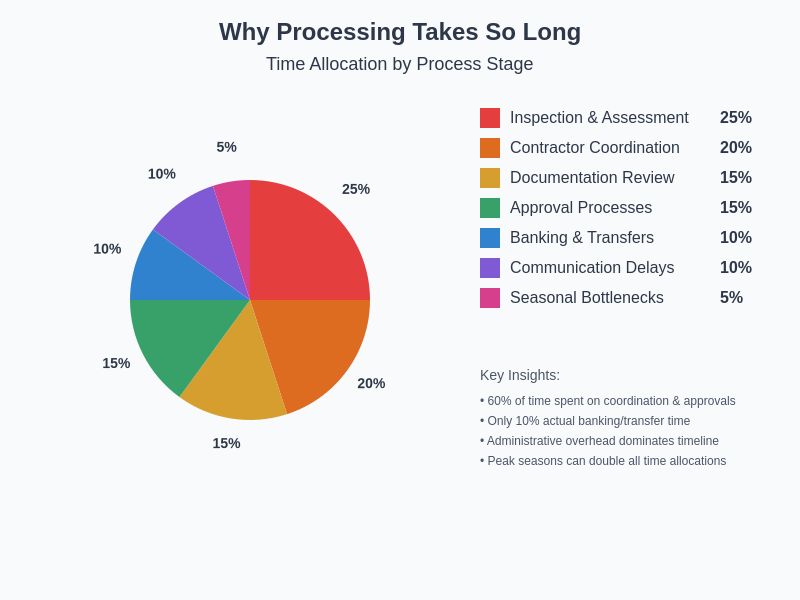
Financial planning should account for deposit processing delays by maintaining separate emergency funds that cover living expenses during transition periods without depending on returned deposits for immediate financial needs. The assumption that deposits will be unavailable for three to six months after move-out provides realistic planning parameters that prevent financial stress during processing delays.
Documentation preparation involves maintaining comprehensive records of move-in conditions, room maintenance, and any damage incidents that occur during tenancy, creating evidence that can expedite damage assessment processes and reduce dispute potential. Proactive documentation demonstrates tenant responsibility and can support faster processing when assessment questions arise.
Communication strategies involve establishing regular contact schedules with property management companies, requesting processing timeline estimates, and maintaining patient but persistent follow-up that demonstrates engagement without creating adversarial relationships that might complicate processing procedures.
The complexity and duration of deposit return processing in Japanese sharehouses reflects deep-seated cultural, legal, and administrative factors that prioritize thoroughness and legal compliance over processing speed. While frustrating for international residents accustomed to faster financial transactions, understanding these systemic factors enables better preparation and realistic expectation management during housing transitions in Japan.
Disclaimer
This article is for informational purposes only and does not constitute legal or financial advice. Deposit processing procedures may vary between different property management companies and individual circumstances. Readers should consult with relevant professionals and review specific contract terms when dealing with deposit return issues. The timelines and procedures described reflect general patterns but individual experiences may vary significantly based on specific circumstances and property management practices.