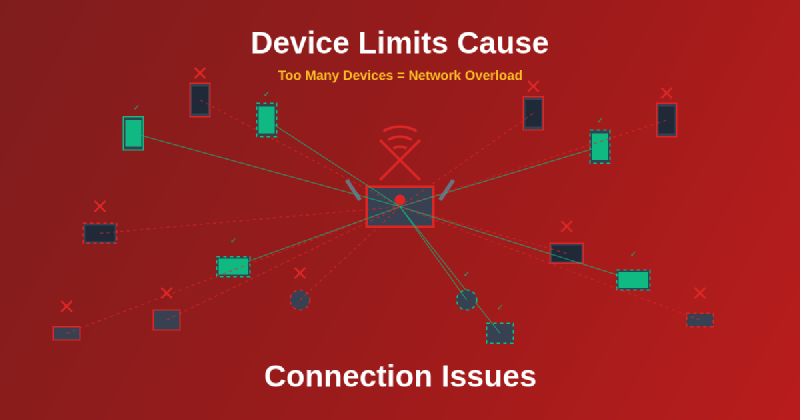
Device connection limits in Japanese sharehouses create significant internet connectivity challenges when multiple residents attempt to connect numerous personal devices to shared network infrastructure that lacks the capacity to handle the aggregate demand from smartphones, laptops, tablets, gaming consoles, streaming devices, and smart home equipment that modern residents routinely use for daily activities. These limitations manifest as slow connection speeds, frequent disconnections, inability to connect new devices, and degraded performance that affects work productivity, entertainment access, and communication capabilities.
The proliferation of internet-connected devices in modern life has fundamentally changed residential network requirements, with each resident potentially bringing five to ten devices that require simultaneous internet access for various functions including work, entertainment, communication, and smart home automation. Traditional residential internet infrastructure was not designed to accommodate the device density common in contemporary sharehouses where international residents rely heavily on digital connectivity for maintaining relationships, accessing services, and managing daily life activities.
Understanding Router and Network Hardware Limitations
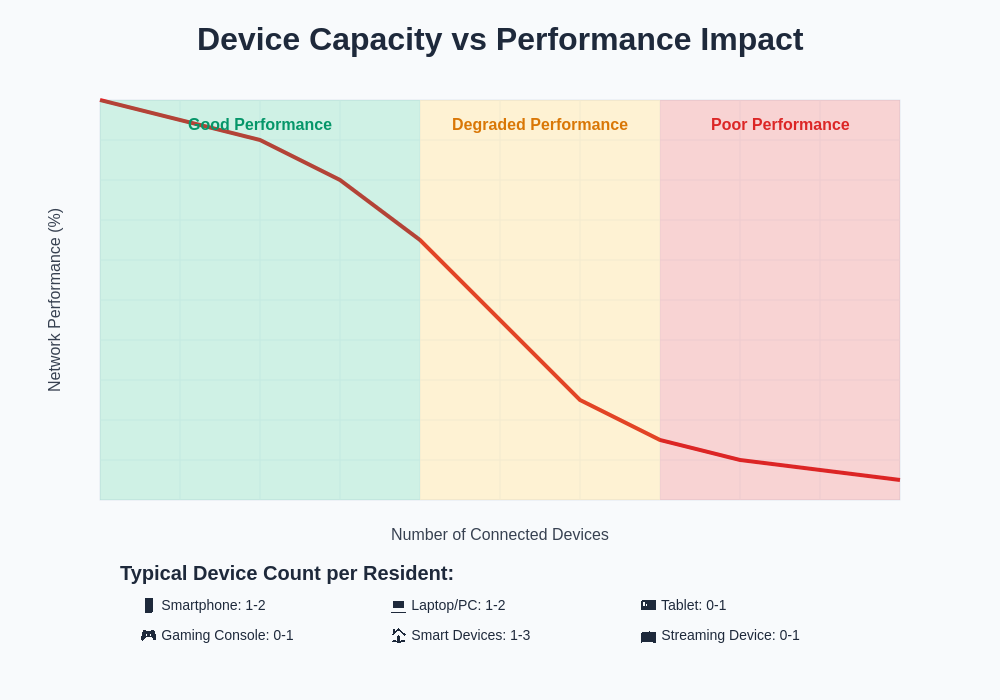
Consumer-grade wireless routers commonly installed in sharehouses typically support between twenty to fifty simultaneous device connections, though practical performance often degrades significantly before reaching theoretical maximum capacity due to processing limitations, memory constraints, and bandwidth allocation algorithms that struggle with high device density scenarios common in shared living environments.
Network address translation and DHCP pool limitations create artificial constraints on device connectivity when routers exhaust available IP addresses or encounter processing bottlenecks during device authentication and connection management, leading to connection failures that prevent new devices from joining the network even when bandwidth capacity appears sufficient for additional users.
WiFi band congestion occurs when multiple devices compete for limited frequency spectrum within 2.4GHz and 5GHz bands, with older devices often defaulting to more congested 2.4GHz frequencies that experience interference from neighboring networks, household appliances, and other electronic devices that operate on similar frequency ranges.
Processing power limitations in budget wireless routers create performance bottlenecks when handling multiple simultaneous connections, particularly during high-bandwidth activities like video streaming, file downloads, or video conferencing that require significant computational resources for traffic management and quality of service prioritization.
Bandwidth Distribution and Quality of Service Issues
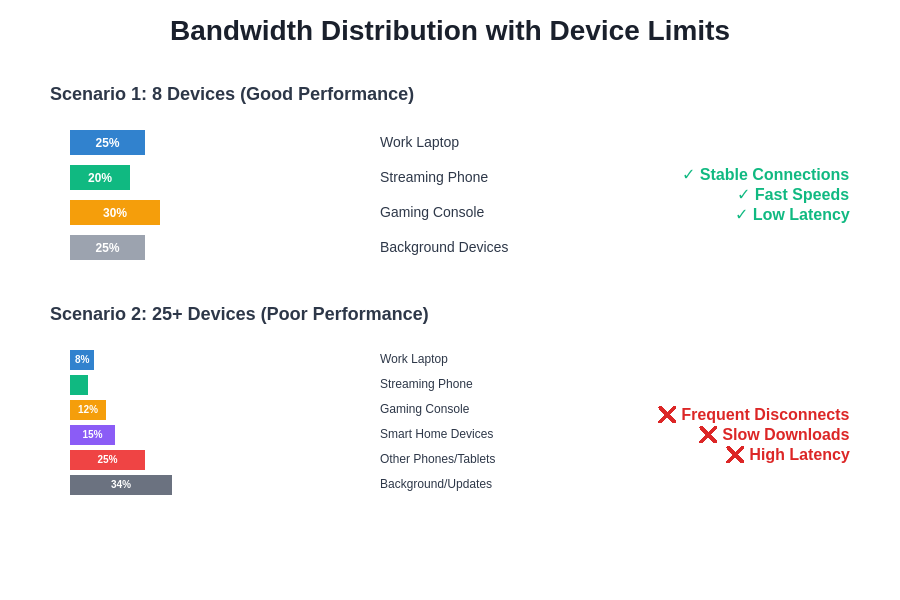
Bandwidth allocation becomes increasingly problematic as device counts increase, with available internet capacity divided among more users and applications, resulting in reduced per-device throughput that affects performance for bandwidth-intensive activities like streaming video, downloading large files, or participating in video conferences that require sustained high-speed connections.
Quality of service prioritization fails when routers lack sophisticated traffic management capabilities to distinguish between critical applications and background activities, leading to situations where automatic software updates, cloud backups, or streaming services consume bandwidth needed for work-related video calls or time-sensitive communications.
Upstream bandwidth limitations particularly affect sharehouses when multiple residents attempt simultaneous upload activities including video calls, file sharing, cloud storage synchronization, or content streaming that requires significant upload capacity often limited by residential internet service plans designed for primarily download-focused usage patterns.
Background data consumption from connected devices performing automatic updates, cloud synchronization, streaming services, and other continuous internet activities creates persistent bandwidth utilization that reduces available capacity for active user applications even when devices appear idle or unused by their owners.
Device Authentication and Connection Management Problems
WiFi authentication bottlenecks occur when multiple devices attempt to connect simultaneously, overwhelming router processing capabilities and causing connection timeouts, authentication failures, or extended connection establishment periods that prevent devices from successfully joining the network during peak usage periods or when residents return home simultaneously.
MAC address filtering complications arise when property managers attempt to control device access through hardware address restrictions, creating administrative overhead and connection difficulties when residents acquire new devices, replace equipment, or experience hardware changes that require manual network configuration updates.
Guest network capacity limitations prevent sharehouses from effectively segregating visitor device access when guest networks have lower device limits or reduced bandwidth allocation, forcing visitors to use primary networks and contributing to device limit problems that affect resident connectivity and network performance.
Security protocol overhead increases connection establishment time and processing requirements when routers implement advanced encryption and authentication mechanisms that provide necessary security but consume computational resources and create additional latency during device connection processes that become more problematic with higher device counts.
Impact on Different Device Types and Usage Patterns
Smart home devices including voice assistants, smart lights, thermostats, security cameras, and automated appliances contribute significantly to device count limitations while often providing minimal user-facing functionality, creating situations where utility devices consume network capacity that could otherwise support user devices for productive or entertainment purposes.
Gaming console connectivity issues become particularly problematic when multiple residents attempt to use gaming devices simultaneously, as these platforms often require dedicated bandwidth for online gaming, software updates, and digital content downloads that can overwhelm network capacity and create latency issues affecting gaming performance.
Streaming device conflicts emerge when multiple residents use separate streaming devices for personal entertainment, with each device requiring sustained bandwidth for video content delivery that can exhaust network capacity and create buffering or quality degradation issues affecting all users attempting to stream content simultaneously.
Work device prioritization becomes challenging when professional laptops, tablets, and smartphones compete with personal entertainment devices for network access, potentially affecting productivity and professional communication when business-critical applications experience reduced performance due to network congestion from recreational device usage.
Network Congestion and Performance Degradation
Peak usage periods create network congestion when multiple residents simultaneously engage in high-bandwidth activities during evening hours, weekends, or other times when most residents are present and actively using internet services for entertainment, communication, and personal activities that collectively exceed network capacity.
Interference from neighboring networks becomes more problematic as device density increases, with multiple WiFi networks in dense residential areas creating frequency conflicts that reduce available spectrum and degrade connection quality for all users attempting to maintain stable wireless connections in congested electromagnetic environments.
Physical network infrastructure limitations including ethernet port availability, cable capacity, and wireless coverage areas become apparent when device limits force residents to rely primarily on WiFi connections that may have limited range or penetration through building materials common in Japanese residential construction.
Living costs in Tokyo sharehouses explained often overlook internet connectivity quality issues that can affect work productivity and entertainment access when device limits create ongoing connectivity problems that impact daily life and professional activities.
Impact on Work and Professional Activities
Remote work productivity suffers significantly when device limits create unstable internet connections during business hours, affecting video conferencing quality, file transfer capabilities, and access to cloud-based work applications that require consistent high-speed internet access for professional effectiveness and career advancement opportunities.
Video conferencing reliability becomes compromised when network congestion from multiple connected devices creates latency, packet loss, or bandwidth limitations that degrade audio and video quality during important business meetings, client presentations, or professional development activities that require clear communication capabilities.
Cloud application performance degrades when multiple devices compete for bandwidth needed for accessing software-as-a-service platforms, file synchronization services, and other cloud-based tools essential for modern professional work that increasingly depends on reliable internet connectivity for basic functionality and productivity.
File transfer limitations affect residents who need to upload or download large work files, presentations, or project materials when network congestion from device limits reduces available bandwidth below levels required for efficient file management and professional collaboration activities.
Entertainment and Streaming Service Disruption
Streaming service quality deteriorates when multiple devices attempt simultaneous video streaming, creating buffering issues, resolution reductions, and playback interruptions that diminish entertainment experiences and may violate service level expectations for premium streaming subscriptions that residents pay to access.
Gaming performance issues including high latency, connection drops, and reduced download speeds for game updates affect residents who rely on online gaming for entertainment and social interaction, particularly problematic for competitive gaming or multiplayer experiences that require stable, low-latency internet connections.
Content download limitations prevent residents from efficiently downloading entertainment content, software updates, or digital media when network congestion reduces available bandwidth below levels needed for reasonable download completion times, forcing residents to schedule downloads during off-peak hours.
How shared streaming accounts work in practice becomes more complicated when device limits create additional technical challenges for coordinating entertainment access and managing streaming service performance across multiple connected devices.
Social and Communication Connectivity Problems
Video calling quality degradation affects residents’ ability to maintain relationships with family and friends in other countries when network congestion creates audio delays, video freezing, or connection drops during personal communications that are essential for emotional well-being and social connection maintenance.
Social media and messaging application performance suffers when device limits create network instability that affects real-time communication, photo sharing, and social networking activities that form important components of daily social interaction and community building within sharehouses and broader social networks.
Online learning and educational access becomes problematic when residents pursuing language studies, professional development, or formal education require stable internet connections for accessing online courses, virtual classrooms, and educational resources that depend on reliable connectivity for effective learning experiences.
Emergency communication capabilities may be compromised when device limits create network instability during critical situations where residents need reliable internet access for emergency services, important notifications, or urgent communication with family, employers, or emergency contacts.
Technical Solutions and Mitigation Strategies
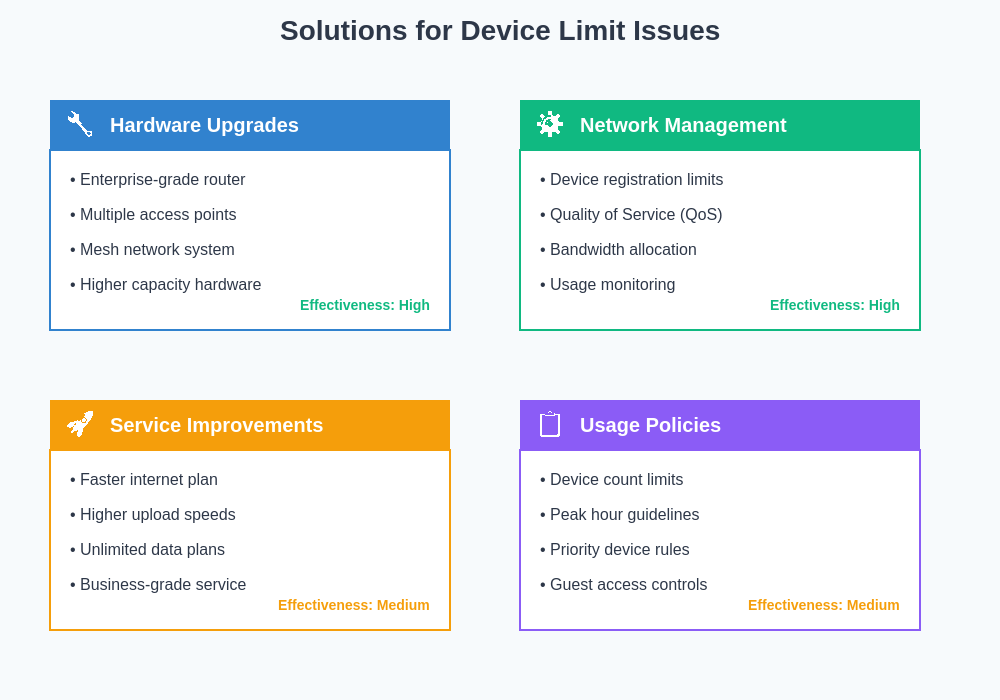
Router upgrades to enterprise-grade or high-capacity wireless access points can significantly increase device connection limits and improve network performance through better processing power, increased memory capacity, and advanced traffic management capabilities designed for high-density device environments common in commercial and multi-user residential settings.
Network segmentation through multiple access points, separate networks for different device types, or VLAN configuration can distribute device loads across multiple network segments and reduce congestion on individual wireless networks while providing better traffic management and security isolation for different user groups and device categories.
Bandwidth management tools including quality of service configuration, traffic shaping, and application prioritization can help optimize network performance by allocating bandwidth based on application importance and user needs rather than allowing unrestricted competition between devices and applications for available network capacity.
Internet service plan upgrades may provide additional bandwidth capacity that can accommodate higher device counts and more intensive usage patterns, though network hardware limitations may still create connectivity issues even when sufficient internet bandwidth is available from service providers.
Device Management and Usage Policies
Device registration systems allow sharehouses to track and manage connected devices while setting reasonable limits on per-resident device connections that balance individual needs with community network performance, requiring coordination between residents and property management to establish fair and enforceable device usage policies.
Usage scheduling and coordination can help distribute network demand across different time periods, with residents voluntarily scheduling bandwidth-intensive activities during off-peak hours to minimize conflicts and ensure adequate network performance for essential activities during busy periods when most residents are present.
Guest device policies establish clear guidelines for visitor network access while protecting primary network capacity for residents, potentially including separate guest networks with limited capacity or time-based access restrictions that prevent visitor device usage from overwhelming primary network infrastructure.
Priority device designation allows residents to identify critical devices for work, communication, or essential services that should receive preferential network access during congestion periods, ensuring that important activities can continue even when network capacity is constrained by high device counts.
Alternative Connectivity Solutions
Mobile hotspot usage provides backup internet access when shared network connectivity becomes unreliable due to device limits, though this solution creates additional costs for residents and may have data limitations that restrict its usefulness for high-bandwidth activities or extended usage periods.
Ethernet cable connections can bypass WiFi device limits and congestion for stationary devices like desktop computers or gaming consoles, providing more stable and faster connections that reduce WiFi network load while improving performance for devices that can utilize wired network connections.
Personal router deployment by individual residents can create dedicated network capacity for their devices, though this approach requires coordination to prevent WiFi interference and may complicate network management while potentially violating house rules about network equipment installation and configuration.
Japanese sharehouse rules every foreigner should know often include internet usage policies that address device limits and network sharing expectations that residents should understand before attempting alternative connectivity solutions that might conflict with established house policies.
Long-term Infrastructure Planning
Network infrastructure assessment should evaluate current and projected device requirements for sharehouses to identify appropriate internet service plans, wireless equipment, and network architecture needed to support resident connectivity needs without compromising performance during normal usage patterns.
Scalable network design principles enable sharehouses to accommodate changing resident demographics, increasing device counts, and evolving internet usage patterns through modular network architecture that can be expanded or upgraded without requiring complete infrastructure replacement when capacity requirements change.
Technology trend adaptation requires ongoing evaluation of emerging device types, connectivity standards, and internet usage patterns that may affect future network requirements, ensuring that sharehouse internet infrastructure remains adequate for resident needs as technology continues to evolve.
Cost-benefit analysis of network infrastructure investments should consider the relationship between improved connectivity quality and resident satisfaction, retention rates, and competitive positioning in the sharehouse market where internet quality increasingly influences housing selection decisions among technology-dependent international residents.
The resolution of device limit connectivity issues requires comprehensive understanding of network technology, resident usage patterns, and infrastructure planning that balances cost considerations with performance requirements. How to find the perfect sharehouse in Tokyo should include evaluation of internet infrastructure quality and device connectivity policies that significantly affect daily life satisfaction and productivity for technology-dependent international residents.
Disclaimer
This article provides general information about internet connectivity and device limitation issues for educational purposes and does not constitute technical advice. Network performance, device limits, and connectivity solutions vary significantly based on hardware specifications, internet service plans, building infrastructure, and usage patterns. Residents experiencing connectivity issues should consult with network professionals and internet service providers for specific technical guidance appropriate to their situation. The information provided reflects general technical principles and may not apply to all network configurations or environments.