The convergence of international students from diverse educational backgrounds in Tokyo sharehouses creates a complex web of misunderstandings that extends far beyond simple language barriers. Academic systems across the world operate on fundamentally different principles, timelines, and cultural expectations that profoundly influence how students approach their daily lives, social interactions, and living arrangements. These systemic differences manifest in countless ways within shared living environments, creating friction points that can escalate into serious conflicts if not properly understood and addressed.
The challenge becomes particularly acute in Tokyo, where students from American semester systems interact with European module-based programs, while Japanese academic calendars follow entirely different rhythms that seem incompatible with international norms. Student sharehouses near top Tokyo universities often become pressure cookers where these academic cultural differences collide, creating stress and misunderstandings that affect entire house communities and individual academic performance.
Fundamental Differences in Academic Calendar Systems
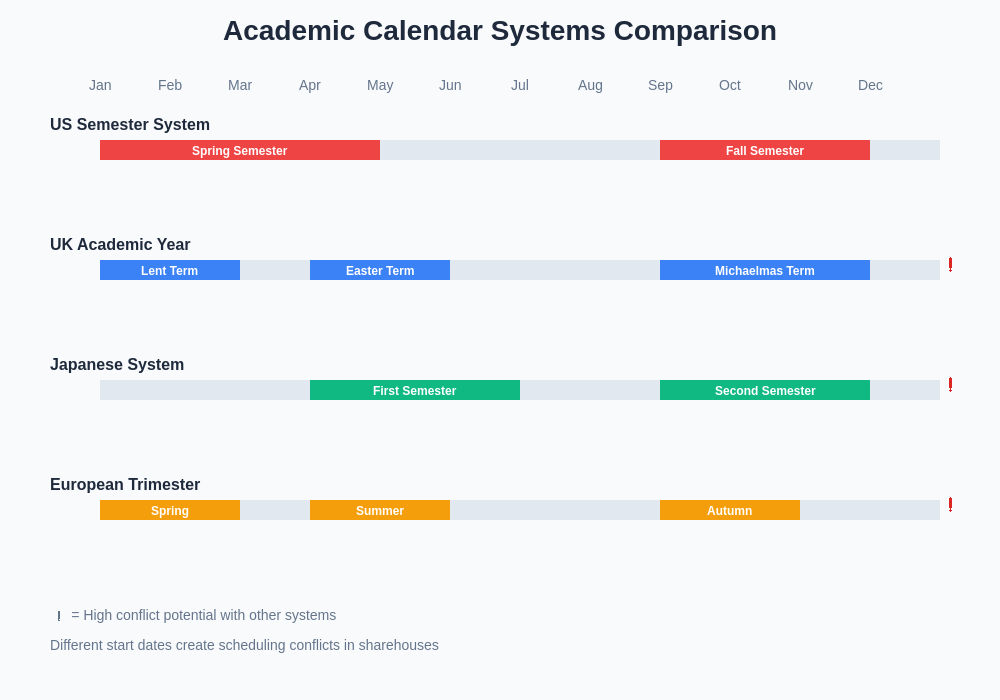
The most immediately visible source of confusion stems from the dramatic variations in academic calendars that govern student life across different educational systems. American universities typically operate on semester systems with fall and spring terms, while British and European institutions may follow trimester systems or modular programs with completely different timing structures. Japanese universities maintain their own unique calendar that begins in April and creates academic rhythms that align with seasonal employment cycles and cultural expectations rather than international academic norms.
These calendar differences create practical challenges that extend throughout sharehouse communities, affecting everything from rent payment schedules to social event planning and house maintenance responsibilities. How university schedules affect sharehouse rhythms demonstrates how these temporal misalignments create ongoing tension in shared living spaces, particularly during transition periods when some students are beginning intensive study periods while others are entering vacation times.
The complexity deepens when considering graduate programs, professional development courses, and exchange programs that may operate on entirely different academic schedules even within the same institution. Students pursuing research degrees may have flexible schedules that conflict with structured coursework demands of undergraduate programs, while exchange students often arrive with academic obligations that don’t align with local institutional expectations or sharehouse community rhythms.
Grading Systems and Academic Pressure Variations
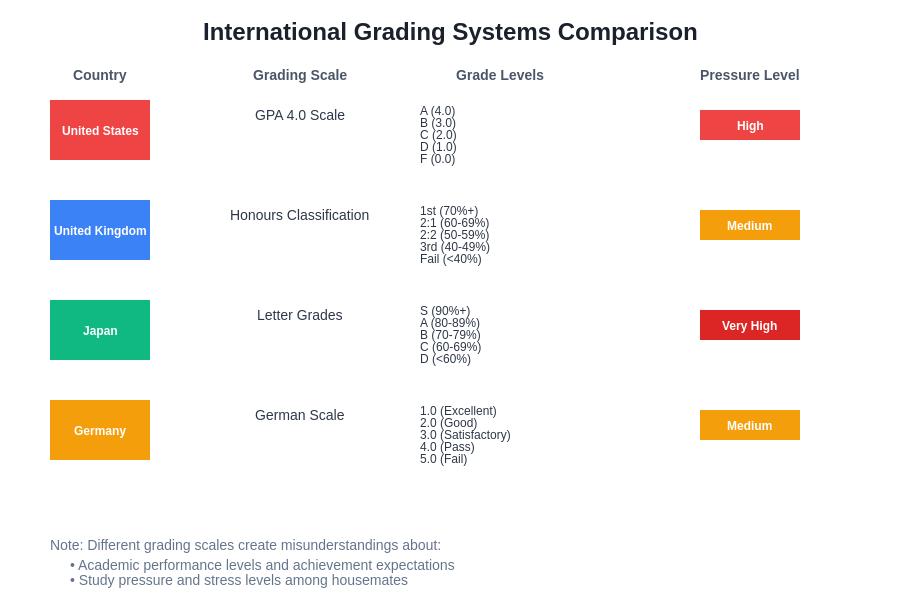
The diversity of grading systems and academic performance expectations creates profound misunderstandings about student stress levels, study requirements, and academic achievement standards that influence daily interactions and social dynamics within sharehouse environments. American GPA systems, British degree classifications, European ECTS credits, and Japanese grading methodologies represent entirely different approaches to measuring and rewarding academic performance, each carrying distinct cultural implications and pressure levels.
Students accustomed to continuous assessment models may struggle to understand the intense pressure experienced by peers whose entire academic standing depends on single comprehensive examinations, while those familiar with flexible credit systems may find it difficult to comprehend rigid course progression requirements that govern other educational frameworks. Why academic pressure varies by nationality explores how these systematic differences create unequal stress distributions that affect house harmony and individual well-being.
The implications extend beyond individual academic performance to influence social expectations, study group formations, and resource sharing patterns that can either enhance or undermine community cohesion. Students from high-pressure academic environments may exhibit behaviors that seem excessive or unhealthy to peers from more balanced educational systems, while those accustomed to collaborative learning models may struggle with competitive academic cultures that discourage information sharing and mutual support.
Language and Communication Barriers in Academic Contexts
Academic communication styles vary dramatically across educational systems, creating layers of misunderstanding that compound basic language barriers and affect every aspect of scholarly interaction within sharehouse communities. American academic culture emphasizes participation, debate, and individual expression, while many European systems prioritize formal analysis and structured argumentation, and Japanese academic traditions often emphasize hierarchical respect and consensus-building approaches that may seem passive or ineffective to international peers.
These communication differences become particularly problematic during study sessions, group projects, and academic discussions that naturally occur in shared living environments where students from different systems attempt to collaborate or provide mutual support. How different learning styles clash illustrates how these fundamental differences in academic communication create barriers to effective collaboration and mutual understanding.
The challenge intensifies when students attempt to explain their academic requirements, seek assistance with coursework, or participate in study groups where different methodological approaches and communication expectations create confusion and frustration. Students accustomed to questioning authority and challenging ideas may inadvertently offend peers from educational systems that emphasize deference and hierarchical learning structures, while those from formal academic traditions may seem rigid or unapproachable to peers expecting informal collaborative relationships.
Financial Systems and Payment Structures
The complexity of international academic financial systems creates ongoing confusion and conflict in sharehouse communities where students navigate vastly different funding mechanisms, payment schedules, and financial obligations that affect their ability to participate in shared expenses and long-term housing commitments. American students may receive financial aid disbursements on semester schedules that don’t align with monthly rent obligations, while European students might operate on quarterly funding cycles that create cash flow challenges during transition periods.
Scholarship requirements, work-study obligations, and family financial support structures vary dramatically across educational systems, creating situations where some students have flexible financial resources while others face rigid budget constraints that affect their participation in house activities and ability to contribute to shared expenses. How to budget realistically for sharehouse living provides insights into managing these diverse financial realities within shared living arrangements.
The variations extend to tax implications, visa-related financial requirements, and banking systems that create additional layers of complexity for international students attempting to manage their finances while meeting academic and housing obligations. Students from countries with integrated university banking systems may struggle with Japanese financial institutions, while those accustomed to cash-based economies may find digital payment systems challenging to navigate effectively.
Course Load and Time Management Expectations
Different academic systems impose vastly different expectations regarding course loads, study time allocation, and extracurricular involvement that create misunderstandings about availability, social participation, and house responsibility sharing among sharehouse residents. American liberal arts education typically requires broad course participation across multiple subjects, while European specialized degree programs may demand intensive focus on narrow subject areas that consume dramatically different amounts of time and mental energy.
Japanese academic systems often emphasize club activities, part-time employment, and social integration as essential components of university experience, creating obligations that may seem frivolous or distracting to international students focused solely on academic achievement. Why study abroad programs change house dynamics examines how these different priorities and time allocation patterns affect community relationships and shared responsibility distribution.
The challenge becomes acute during examination periods, project deadlines, and thesis preparation phases that occur at different times and with varying intensity levels across academic systems. Students experiencing intensive examination periods may become unavailable for house duties and social activities, creating resentment among peers whose academic calendars allow for more consistent participation in shared living responsibilities.
Research and Academic Methodology Differences
Graduate students and researchers in sharehouse communities often experience particular challenges related to different research methodologies, supervisor relationships, and academic independence expectations that vary dramatically across educational systems and cultural contexts. American graduate programs typically emphasize independent research and critical thinking, while European systems may provide more structured guidance and collaborative research opportunities, and Japanese academic hierarchies often require different forms of respect and deference that international students may find confusing or restrictive.
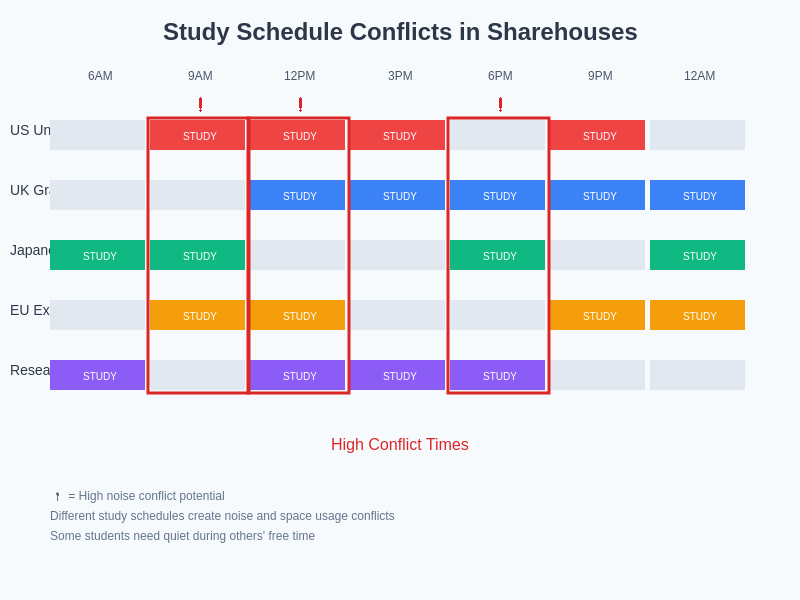
These methodological differences affect space usage patterns, social interaction expectations, and collaborative possibilities that influence entire sharehouse dynamics beyond the individuals directly involved in academic research. How research projects require quiet spaces explores how different research methodologies create competing demands for shared resources and environmental conditions.
The implications extend to networking expectations, conference participation requirements, and publication pressures that create different availability patterns and stress levels among residents pursuing advanced degrees. Students accustomed to collaborative research environments may struggle with independent research requirements, while those familiar with autonomous academic work may find collaborative expectations challenging or inefficient.
Assignment Structures and Deadline Patterns
The variety of assignment structures, assessment methods, and deadline patterns across academic systems creates ongoing scheduling conflicts and misunderstandings about workload distribution and availability for house activities and social engagement. Continuous assessment systems may create steady workload patterns that allow for consistent social participation, while examination-based systems may create periods of extreme intensity followed by extended breaks that seem unbalanced to peers from different academic backgrounds.
Project-based learning systems may require extended collaboration periods and resource sharing that conflicts with individual study requirements of students from examination-focused academic systems, while those accustomed to flexible deadline structures may struggle to understand the inflexibility of peers operating under rigid assignment schedules. How academic deadlines affect house mood demonstrates how these systematic differences in academic pressure create emotional and social challenges throughout sharehouse communities.
The complexity increases when students attempt to coordinate study schedules, share resources, or plan social activities around competing academic obligations that follow entirely different rhythmic patterns and intensity levels. Understanding and accommodating these differences requires explicit communication and cultural sensitivity that may not develop naturally without intentional effort and mutual education about different academic system requirements.
Technology and Learning Resource Expectations
Different academic systems rely on varying technology platforms, learning management systems, and resource access methods that create practical challenges for students sharing internet bandwidth, computer access, and study spaces within sharehouse environments. American universities may require specific software licenses and cloud-based platforms that consume significant bandwidth, while European systems might emphasize different technological tools and access requirements that create competing demands for shared technological resources.
The challenge extends to library access, database subscriptions, and research resource availability that may vary dramatically based on institutional affiliations and academic system structures. Students accustomed to comprehensive university technology support may struggle with limited sharehouse resources, while those from systems emphasizing individual responsibility for technology access may find sharing arrangements challenging to navigate effectively.
These technological differences also affect collaboration possibilities, group project coordination, and mutual academic support that could otherwise enhance sharehouse community relationships. How remote work equipment affects space usage examines how different technology requirements create competing demands for shared spaces and resources in sharehouse environments.
Cultural Attitudes Toward Academic Achievement
Fundamental cultural differences regarding the purpose and importance of academic achievement create ongoing tension and misunderstanding among sharehouse residents from different educational backgrounds and national contexts. Some cultures emphasize academic performance as paramount life priority that justifies significant personal and social sacrifices, while others view education as one component of balanced personal development that should not dominate all other life aspects.
These philosophical differences affect everything from noise tolerance during study periods to social activity participation expectations and resource allocation priorities within sharehouse communities. Why some residents feel academically isolated explores how these cultural differences in academic prioritization create social divisions and isolation within shared living environments.
The impact extends to career planning expectations, family pressure levels, and future goal orientation that influence daily decision-making patterns and social relationship development among residents from different academic and cultural backgrounds. Understanding these deeper cultural differences requires ongoing dialogue and mutual respect that may not develop naturally without intentional community-building efforts.
Strategies for Managing Academic System Differences
Successful navigation of academic system differences in sharehouse environments requires proactive communication, explicit expectation setting, and development of flexible community norms that accommodate diverse academic obligations and cultural approaches to education. Regular house meetings focused on academic calendar coordination, study space allocation, and mutual support systems can help prevent conflicts and build understanding among residents from different educational backgrounds.
Creating shared resources such as academic calendar displays, study schedule coordination systems, and cultural education opportunities helps residents understand and accommodate different academic system requirements while building community solidarity around shared educational goals. How to handle roommate conflicts without moving out provides practical strategies for addressing academic-related conflicts before they escalate into serious housing problems.
The development of mutual support networks that leverage different academic strengths and system advantages can transform potential conflicts into community assets that enhance everyone’s educational experience and cultural understanding. Making friends through Tokyo sharehouse communities demonstrates how academic diversity can become a source of strength and learning opportunity when properly managed and celebrated within sharehouse environments.
Long-term Implications for International Education
The challenges created by academic system differences in sharehouse environments reflect broader issues in international education mobility and cross-cultural academic collaboration that will continue to evolve as global higher education becomes increasingly interconnected. Understanding these dynamics helps students, educators, and housing providers develop more effective support systems and community structures that enhance rather than hinder international educational experiences.
The lessons learned from managing academic system differences in sharehouse communities provide valuable insights for universities, study abroad programs, and international education organizations seeking to improve support services and cultural preparation programs for students navigating cross-cultural educational environments. These experiences contribute to the development of more inclusive and effective international education practices that benefit all participants.
The ongoing evolution of academic system integration, digital learning platforms, and international collaboration models will likely reduce some current sources of confusion while potentially creating new challenges that require continued attention and adaptive community management strategies. How to find the perfect sharehouse in Tokyo includes considerations for academic compatibility that can help students make more informed housing decisions that support their educational goals and community integration objectives.
The complexity of academic system differences in sharehouse environments underscores the importance of cultural sensitivity, explicit communication, and flexible community management approaches that recognize and accommodate diverse educational backgrounds while building understanding and cooperation among residents from different academic traditions. Success requires ongoing effort from all community members to learn about, respect, and adapt to different academic system requirements while maintaining supportive and inclusive living environments that enhance everyone’s educational experience in Tokyo.
Disclaimer
This article is for informational purposes only and does not constitute academic or professional advice. Academic systems and requirements vary significantly by institution and program, and individual experiences may differ based on specific circumstances. Readers should consult with their respective educational institutions and housing providers for guidance on managing academic obligations within shared living arrangements. The strategies mentioned may vary in effectiveness depending on specific sharehouse dynamics and individual academic requirements.