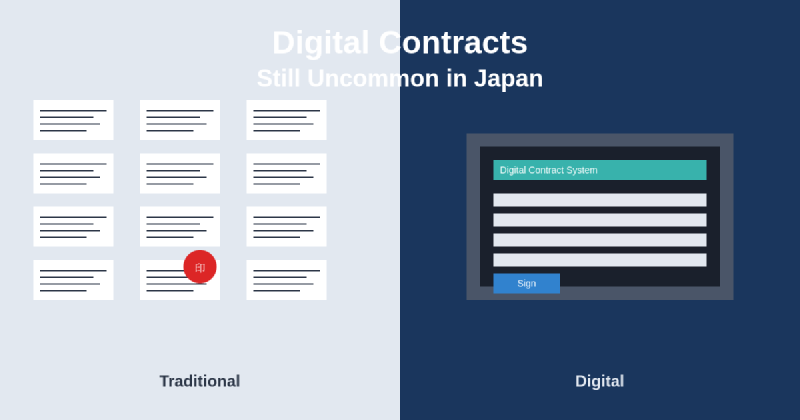
The persistence of paper-based contracts in Japan’s sharehouse industry represents one of the most striking examples of how deeply rooted cultural practices and institutional frameworks can resist technological modernization, even in a country renowned for its technological innovation and digital infrastructure. While many industries worldwide have embraced electronic signatures, digital documentation, and streamlined online processes, the Japanese rental housing market continues to operate largely through traditional paper-based systems that require physical presence, manual signatures, and extensive paperwork procedures.
This technological lag creates significant challenges for international residents seeking sharehouse accommodation, particularly those accustomed to the convenience and efficiency of digital rental processes in their home countries. Understanding the complex interplay of factors that maintain this traditional approach provides crucial insights into navigating Japan’s rental market and sets appropriate expectations for the documentation and approval processes involved in securing sharehouse accommodation.
Cultural Foundations of Document Authentication
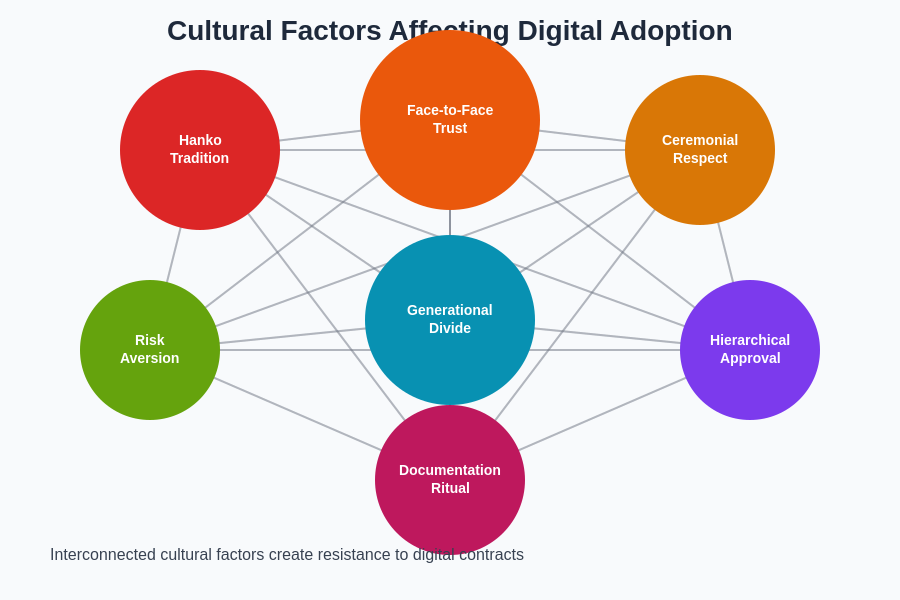
The Japanese concept of document authenticity extends far beyond simple signature verification, encompassing deeply embedded cultural values surrounding personal responsibility, ceremonial respect, and the gravity of contractual commitments. The physical act of signing documents with personal hanko stamps or handwritten signatures carries symbolic weight that digital alternatives struggle to replicate within traditional Japanese business culture.
Japanese sharehouse rules every foreigner should know often reflect these cultural expectations around formal documentation and proper procedures. The ritualistic aspects of contract signing, including the careful review of terms, physical presence of all parties, and ceremonial application of personal seals, reinforce the seriousness and binding nature of rental agreements in ways that electronic processes have not yet achieved cultural acceptance.
The concept of “ningensei” or human relationships plays a crucial role in Japanese business interactions, with face-to-face meetings and physical document exchanges serving as opportunities to build trust and assess character beyond the mere legal obligations outlined in contracts. Property managers and landlords often view the contract signing process as an essential evaluation period where they can gauge tenant reliability and cultural compatibility through direct interaction.
Personal accountability takes on heightened significance in Japanese society, where the physical act of affixing one’s hanko or signature represents a public commitment that carries social consequences beyond legal obligations. This cultural framework creates resistance to digital alternatives that may be perceived as impersonal or lacking the gravitas necessary for such important commitments.
Legal Infrastructure and Regulatory Frameworks
Japan’s legal system governing rental agreements evolved during an era when physical documentation represented the only viable method for creating legally binding contracts, resulting in regulatory structures that explicitly favor or require traditional paper-based processes. Contract terms that are more important than advertised prices often include specific clauses about documentation requirements that reflect these legal preferences.
The Civil Code and related housing regulations contain numerous provisions that reference physical signatures, witnessed signings, and original document retention requirements that create legal uncertainty around purely digital alternatives. While electronic signature legislation exists, its implementation in residential rental contexts remains limited due to conservative interpretation by legal professionals and property management companies who prefer established precedents.
Court precedents and dispute resolution mechanisms have developed around traditional documentation methods, creating institutional momentum that favors familiar processes over newer digital alternatives. Legal professionals often recommend paper-based contracts to minimize potential challenges to contract validity during dispute proceedings, even when digital alternatives might be technically permissible.
Notarization requirements for certain contract elements, particularly those involving significant financial commitments or guarantor arrangements, typically mandate physical presence and traditional authentication methods that cannot be easily replicated through digital means. What documents you need for Tokyo sharehouse applications reflects these complex documentation requirements that favor traditional approaches.
Technological Infrastructure Limitations
Despite Japan’s reputation for technological advancement, the specific infrastructure required for widespread digital contract adoption faces significant gaps, particularly in the integration between different systems used by property management companies, legal institutions, and government agencies. The fragmented nature of digital systems creates practical barriers that make traditional paper processes more reliable and universally compatible.
Banking systems and financial institutions that handle rental payments and deposit transfers often operate on legacy platforms that integrate more seamlessly with traditional documentation workflows than with newer digital contract platforms. Understanding utility bills in Japanese sharehouses demonstrates how even basic utility management systems rely heavily on traditional paper-based processes.
Identity verification systems for digital contracts require robust infrastructure that can accurately authenticate foreign residents’ documentation, including various visa types, foreign passports, and international banking information. The complexity of verifying international documents digitally often makes traditional in-person verification more practical and legally defensible for property managers.
Data security concerns around digital contract storage and transmission create additional technological hurdles, particularly for smaller property management companies that lack sophisticated cybersecurity infrastructure. The perceived risks of digital data breaches often outweigh the convenience benefits of electronic processing, especially when handling sensitive financial and personal information from international residents.
Generational and Corporate Resistance
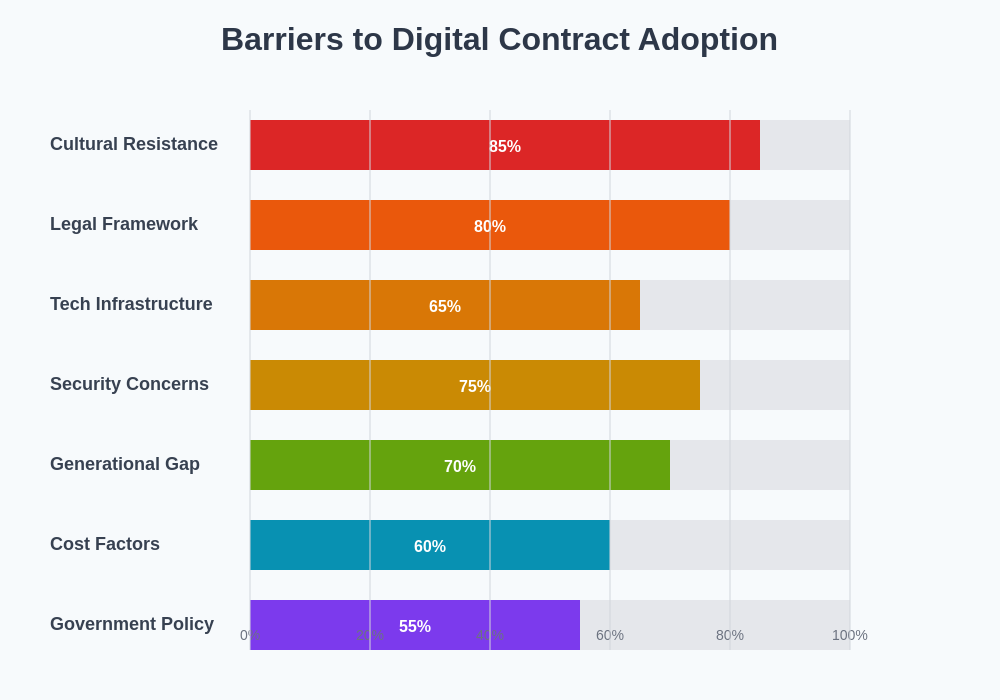
The demographic composition of Japan’s property management industry skews toward older professionals who built their careers around traditional business practices and may lack familiarity or comfort with digital contract technologies. How age differences impact sharehouse compatibility extends beyond resident interactions to include management approaches that reflect generational preferences for established procedures.
Corporate hierarchies within established property management companies often prioritize risk aversion and procedural consistency over operational efficiency, creating institutional resistance to adopting new technologies that might introduce unforeseen complications or legal uncertainties. The conservative nature of real estate businesses naturally favors proven methods over innovative approaches that lack extensive track records.
Training requirements for staff adoption of digital contract systems represent significant investments in time and resources that many companies view as unnecessary when existing paper-based systems function adequately for their current operations. The learning curve associated with new technologies often seems prohibitive compared to maintaining familiar workflows that staff can execute efficiently.
Client expectations, particularly among Japanese residents who themselves prefer traditional business interactions, create market pressure to maintain paper-based processes that align with customer comfort levels and cultural expectations. Property managers often report that attempting to implement digital-only processes results in customer complaints and lost business from traditionally-minded renters.
International Resident Challenges
Foreign residents entering Japan’s sharehouse market frequently experience culture shock when confronted with extensive paperwork requirements and traditional documentation processes that contrast sharply with digital rental systems in their home countries. Living with Japanese roommates in Tokyo sharehouses often involves navigating these cultural differences in business practices alongside daily living adjustments.
Language barriers compound the challenges of paper-based contract systems, as complex legal terminology and formal Japanese contract language require higher comprehension levels than might be necessary for straightforward digital interfaces with multilingual support options. The inability to easily translate or research unfamiliar terms during contract review creates additional stress and potential misunderstandings.
Time zone differences and international communication delays make coordination of in-person contract signings particularly challenging for residents who are applying for sharehouses while still overseas or who have limited availability due to work or study commitments. How to find the perfect sharehouse in Tokyo becomes significantly more complex when physical presence requirements limit application opportunities.
Banking and financial system integration issues often require international residents to establish Japanese bank accounts and complete additional paperwork before contracts can be finalized, creating chicken-and-egg situations where housing is needed to open bank accounts, but bank accounts are needed to secure housing. These systemic complications reinforce the preference for traditional processes that accommodate these complex requirements through established procedures.
Economic and Business Model Factors
The cost structure of implementing comprehensive digital contract systems often exceeds the immediate benefits for many sharehouse operators, particularly smaller companies that manage limited numbers of properties and lack economies of scale necessary to justify significant technology investments. How much Tokyo sharehouses really cost per month reflects operational cost considerations that influence these business decisions.
Liability concerns around digital contract security, data privacy, and potential system failures create financial risks that property management companies must weigh against the operational efficiencies offered by digital alternatives. Insurance coverage for digital contract-related incidents may be more expensive or less comprehensive than coverage for traditional business practices with established risk profiles.
Competitive differentiation in the sharehouse market often focuses on factors other than contract convenience, such as location, amenities, community atmosphere, and pricing, reducing the market pressure to innovate around documentation processes. Best Tokyo neighborhoods for sharehouse living demonstrates how location factors typically outweigh administrative convenience in resident decision-making.
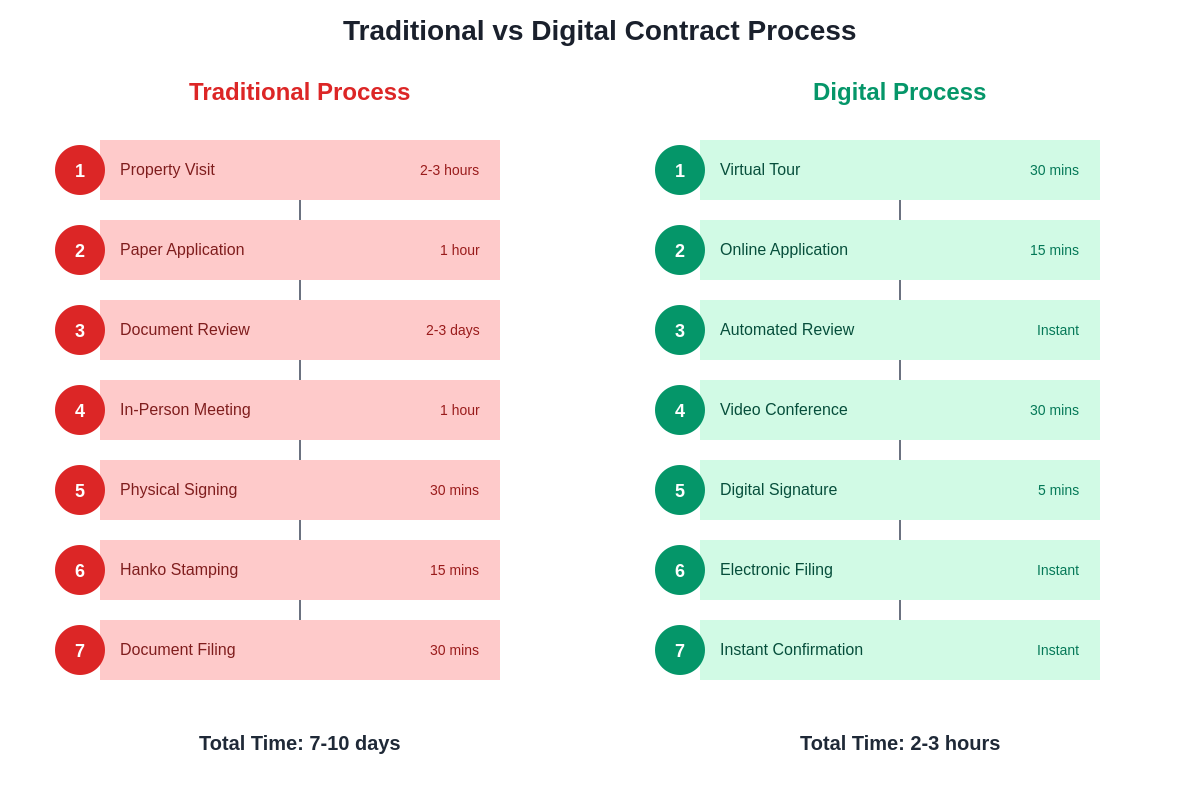
The stark difference between traditional and digital processes illustrates the potential time savings and efficiency gains that remain largely unrealized in Japan’s current sharehouse market.
Revenue models for sharehouse operations rarely include premium pricing for digital convenience, making it difficult to justify the investment in new systems when traditional approaches do not negatively impact occupancy rates or rental pricing. The lack of financial incentives for modernization perpetuates reliance on established practices that meet current business needs adequately.
Trust and Security Perceptions
Cultural attitudes toward digital security in Japan often emphasize caution and skepticism about online financial transactions and electronic document storage, particularly among older demographics who make up significant portions of both property management leadership and the broader rental market. How personal information gets compromised reflects ongoing concerns about digital privacy and security in shared living situations.
High-profile cybersecurity incidents affecting major Japanese corporations have reinforced public wariness about digital systems handling sensitive personal and financial information, creating cultural momentum that favors traditional paper-based processes perceived as more secure and controllable. The psychological comfort of physical document control often outweighs objective assessments of relative security risks.
Trust-building mechanisms in Japanese business culture rely heavily on personal relationships and face-to-face interactions that traditional contract processes facilitate more naturally than purely digital alternatives. The social aspects of contract signing provide opportunities for relationship development that property managers value beyond the mere efficiency of document execution.
Authentication concerns around digital signatures and electronic identity verification create practical challenges for international residents whose documentation may not integrate seamlessly with Japanese digital verification systems, making traditional approaches more reliable for ensuring contract validity and legal compliance.
Government and Regulatory Influences
Municipal and prefectural governments that oversee rental housing regulations have not prioritized digital transformation initiatives for residential contracts, leaving property managers without clear guidance or incentives to adopt electronic alternatives to traditional documentation methods. Living costs in Tokyo sharehouses explained includes various administrative fees that reflect these traditional regulatory approaches.
Tax reporting and official record-keeping requirements often specify document formats and retention methods that favor traditional paper systems over digital alternatives, creating compliance challenges for companies that might otherwise prefer electronic processes. The integration between rental contract systems and government reporting mechanisms remains limited, reducing incentives for digital adoption.
Building permit and zoning compliance procedures for sharehouse operations typically require traditional documentation submission and approval processes that make digital-only contract systems impractical when property managers need to coordinate between electronic tenant agreements and paper-based regulatory submissions.
International resident registration systems, visa status verification, and related immigration compliance requirements often involve government agencies that have not fully digitized their own processes, creating practical necessities for traditional documentation that can interface with official government systems and procedures.
Future Prospects and Gradual Change
Younger generations of property managers and tech-savvy sharehouse operators are beginning to experiment with hybrid approaches that combine digital convenience with traditional authentication methods, suggesting potential pathways for gradual modernization that respects cultural preferences while improving operational efficiency. Student sharehouses near top Tokyo universities often cater to digitally native demographics that may drive demand for more modern processes.
COVID-19 pandemic experiences demonstrated both the limitations of traditional in-person processes and the potential benefits of remote documentation alternatives, creating some momentum for digital adoption among property managers who previously saw no compelling reason to change established practices. The health and safety considerations introduced during the pandemic continue to influence business practice evaluations.
Government digitization initiatives, including the promotion of digital signatures for various business processes and the development of improved electronic identity verification systems, may gradually create infrastructure and regulatory frameworks that make digital contracts more practical and legally secure for residential rental applications.
Competitive pressure from international property management companies and tech-focused housing platforms may eventually force traditional operators to modernize their processes to attract younger residents and international tenants who expect digital convenience as a standard business practice rather than an optional enhancement.
The persistence of traditional paper-based contracts in Japan’s sharehouse industry reflects a complex interplay of cultural values, legal frameworks, technological limitations, and business considerations that resist simple technological solutions. Understanding these factors helps international residents navigate the current system effectively while appreciating the deeper cultural and institutional contexts that shape Japanese business practices. As gradual modernization occurs, the integration of digital convenience with traditional cultural values will likely define the future evolution of contract processes in Japan’s unique rental housing market.
Disclaimer
This article is for informational purposes only and does not constitute professional legal or business advice. Contract requirements and documentation procedures may vary by property management company, municipality, and individual circumstances. Readers should verify current requirements with relevant property managers and legal professionals when entering into rental agreements. The landscape of digital contract adoption in Japan continues to evolve, and specific practices may change over time.