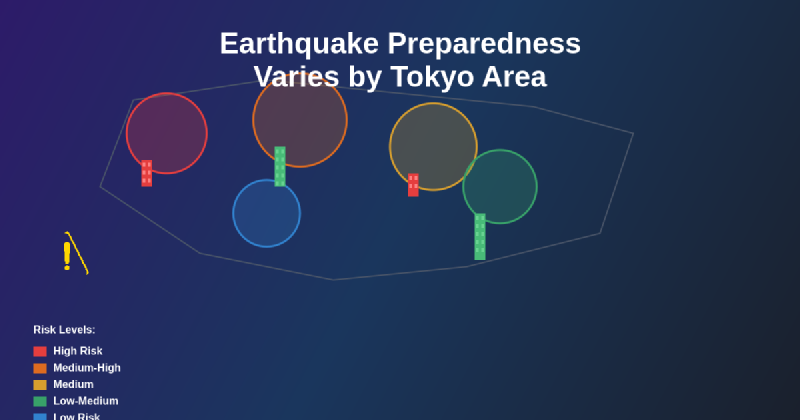
Tokyo’s earthquake preparedness landscape presents a complex mosaic of risk levels, safety standards, and emergency response capabilities that vary dramatically from one neighborhood to another. The metropolitan area’s geological diversity, combined with decades of urban development spanning different building code eras, creates distinct safety profiles that every resident should understand when choosing where to live and work in Japan’s capital city.
Understanding these variations becomes particularly crucial for international residents living in sharehouses, as the choice of location can significantly impact personal safety during seismic events. The differences extend beyond simple building age considerations to encompass soil composition, infrastructure resilience, evacuation route availability, and community emergency response systems that collectively determine survival outcomes during major earthquakes.
Geological Foundation Differences Across Tokyo
Tokyo’s earthquake preparedness challenges begin with the fundamental geological variations that exist beneath different areas of the metropolitan region. The city sits atop complex geological formations that include stable bedrock areas, reclaimed land zones, and alluvial deposits that respond differently to seismic activity, creating inherent variations in ground stability and earthquake amplification effects.
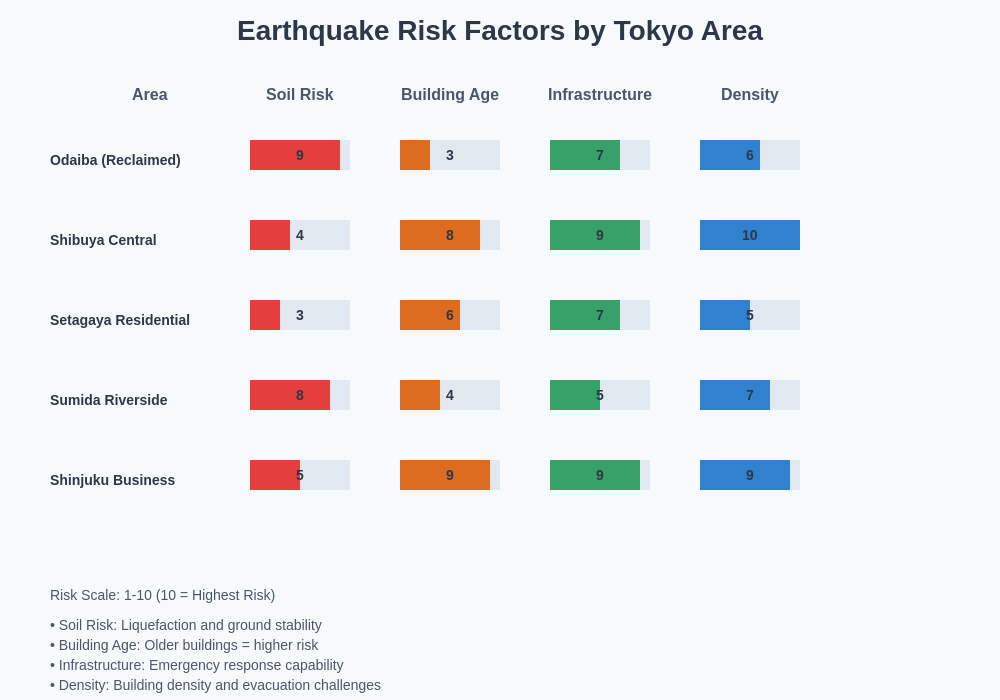
Eastern Tokyo areas, particularly those built on reclaimed land such as Odaiba, Toyosu, and parts of Koto Ward, face unique liquefaction risks that can cause buildings to sink or tilt during major earthquakes. Understanding natural disaster preparedness in Tokyo sharehouses becomes essential for residents in these areas, as traditional emergency procedures may prove inadequate in liquefaction-prone zones.
Western Tokyo regions generally benefit from more stable geological foundations, with areas like Setagaya, Suginami, and parts of Shibuya built on relatively solid ground that provides better earthquake resistance. However, these advantages can be offset by other factors such as building density, infrastructure age, and emergency response accessibility that create their own preparedness challenges.
The relationship between geological conditions and building performance during earthquakes creates cascading effects that influence everything from structural integrity to utility system reliability. Areas with unstable soil conditions often experience prolonged utility outages, compromised transportation systems, and delayed emergency response access that compound the initial earthquake damage.
Building Code Evolution and Area-Specific Implementation
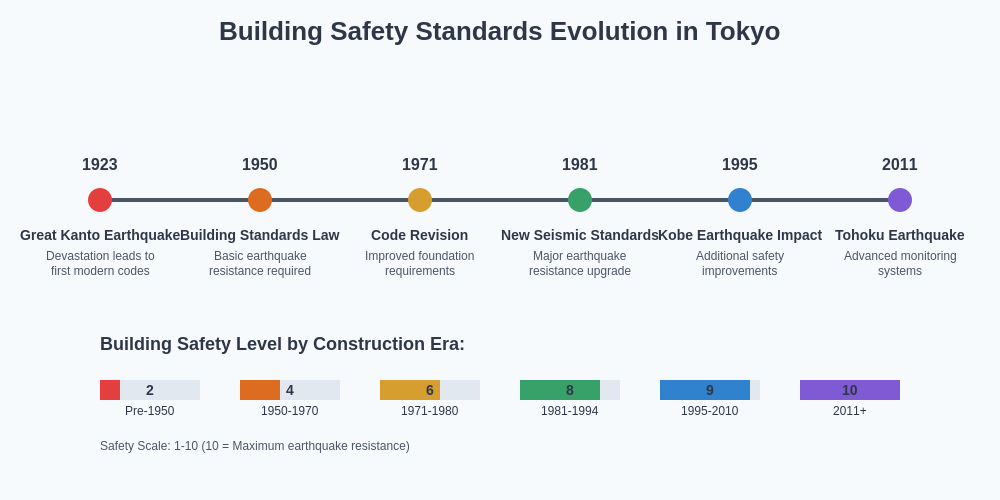
Japan’s earthquake building codes have undergone significant evolution since the devastating 1923 Great Kanto Earthquake, with major revisions in 1950, 1971, and 1981 that progressively improved seismic resistance standards. The implementation and enforcement of these codes, however, has varied across different Tokyo areas based on development timing, local government resources, and economic factors that influence construction quality.
Central Tokyo districts such as Chiyoda, Minato, and parts of Shinjuku benefit from extensive redevelopment projects that have replaced older structures with modern earthquake-resistant buildings designed to meet current safety standards. Business district sharehouses near major commercial areas often occupy these newer buildings that provide superior earthquake protection compared to older residential neighborhoods.
Older residential areas in Tokyo’s eastern and northern districts may still contain significant numbers of pre-1981 buildings that lack modern seismic resistance features, creating pockets of vulnerability within otherwise well-prepared neighborhoods. The economic challenges of comprehensive retrofitting mean that some areas maintain mixed building stock with varying levels of earthquake preparedness.
The enforcement of building codes also varies by local municipality, with some Tokyo wards implementing stricter standards and more rigorous inspection procedures than others. These variations in implementation create subtle but important differences in actual building safety levels that may not be immediately apparent to residents evaluating potential housing options.
Infrastructure Resilience and Emergency Response Capacity
Tokyo’s infrastructure systems exhibit significant variations in earthquake resilience based on installation timing, maintenance levels, and redundancy planning that directly affect post-earthquake recovery capabilities and resident safety. Modern utility systems in newly developed areas often incorporate advanced earthquake resistance features, while older neighborhoods may rely on infrastructure that predates current seismic safety standards.
Transportation infrastructure resilience varies dramatically across Tokyo, with newer subway lines and elevated highways designed to withstand major earthquakes while older systems may experience extended outages or structural damage. Understanding transportation accessibility during emergencies becomes crucial for residents who depend on public transit for daily mobility and emergency evacuation.
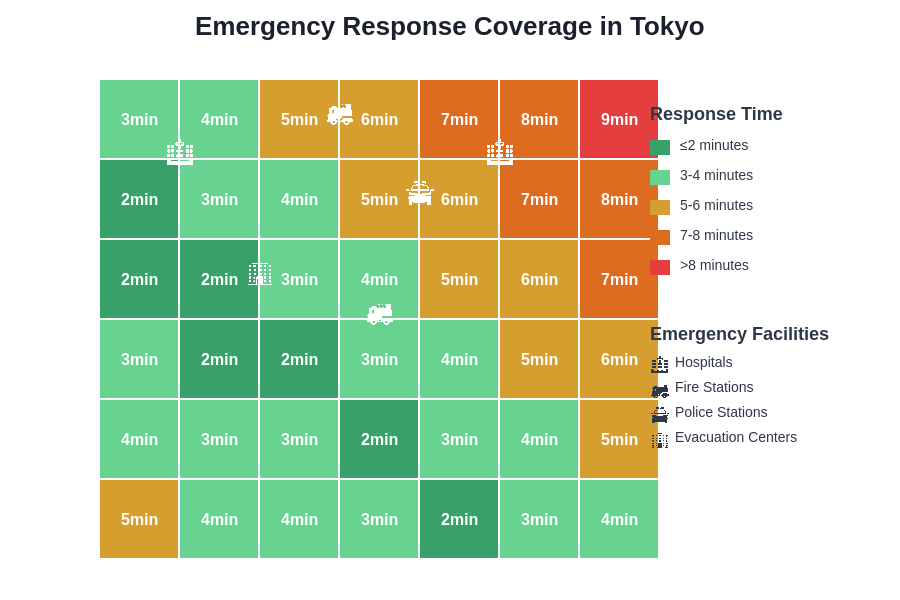
Emergency response capacity differs significantly between central Tokyo areas with concentrated resources and peripheral neighborhoods that may experience delayed response times during widespread disasters. Fire station density, medical facility accessibility, and emergency supply distribution systems create uneven emergency response capabilities that affect survival outcomes during major seismic events.
Communication infrastructure resilience also varies by area, with some neighborhoods benefiting from redundant communication systems and backup power supplies while others may experience prolonged communication blackouts that complicate emergency coordination and family contact efforts during disasters.
Evacuation Route Planning and Accessibility Challenges
Tokyo’s complex urban geography creates significant variations in evacuation route availability and effectiveness that directly impact resident safety during major earthquakes. Dense urban areas with narrow streets may experience severe congestion and blocked routes, while neighborhoods with planned evacuation corridors provide better emergency egress options for residents.
Coastal areas face unique evacuation challenges related to potential tsunami risks that require vertical evacuation strategies or rapid inland movement that may not be feasible during widespread earthquake damage. Understanding coastal area risks in Tokyo helps residents evaluate the comprehensive risk profile of waterfront neighborhoods beyond simple seismic considerations.
Elevated areas and neighborhoods with multiple evacuation route options generally provide better emergency mobility options, though accessibility can be compromised by building collapse, utility failures, or infrastructure damage that blocks traditional evacuation paths. The effectiveness of evacuation planning depends heavily on local topography, street layout, and community preparedness levels.
Public transportation evacuation capacity varies significantly across Tokyo areas, with some neighborhoods served by multiple transit lines that provide evacuation alternatives while others depend on single transportation corridors that become bottlenecks during emergency evacuations. Understanding these transportation dependencies helps residents develop realistic emergency evacuation plans.
Community Preparedness and Social Infrastructure
Neighborhood-level earthquake preparedness varies dramatically across Tokyo based on community organization, demographic characteristics, and local government initiative that create different levels of collective emergency response capability. Well-organized communities with active disaster preparedness committees often demonstrate superior emergency coordination compared to areas with limited community engagement.
International resident concentrations in certain Tokyo neighborhoods can create language barriers and cultural misunderstandings that complicate emergency response coordination during disasters. Living with diverse international communities requires understanding how cultural differences affect emergency preparedness and response effectiveness.
Age demographics significantly influence community preparedness levels, with neighborhoods containing high concentrations of elderly residents potentially facing mobility limitations and medical needs that strain local emergency resources during major earthquakes. Conversely, areas with younger populations may benefit from higher digital connectivity and physical mobility during emergency situations.
Local business district characteristics also affect community preparedness, with commercial areas often having better emergency supplies and communication systems during business hours but potentially limited resources during evenings and weekends when businesses are closed and fewer people are present to assist with emergency response efforts.
Economic Factors Influencing Preparedness Investment
Economic disparities across Tokyo neighborhoods create significant variations in earthquake preparedness investment that affect both public infrastructure and private building safety standards. Wealthy districts often benefit from superior building maintenance, advanced emergency systems, and better access to emergency supplies compared to economically disadvantaged areas.
Property values and local tax revenue directly influence municipal investment in earthquake preparedness infrastructure, creating a correlation between neighborhood affluence and emergency response capability that can affect survival outcomes during major disasters. Higher-income areas typically receive priority for infrastructure upgrades and emergency facility improvements.
Individual household preparedness also varies by economic status, with wealthier residents better able to afford emergency supplies, structural improvements, and evacuation resources that enhance personal safety during earthquakes. Understanding the true costs of Tokyo living includes considering emergency preparedness expenses that vary by neighborhood risk levels.
Insurance availability and coverage options differ across Tokyo areas based on assessed risk levels, with some neighborhoods facing higher premiums or limited coverage options that affect residents’ ability to recover from earthquake damage. These economic factors create long-term preparedness disparities that compound other risk variations.
Building Density and Urban Planning Considerations
Tokyo’s varying building density patterns create different earthquake risk profiles that affect both structural collapse potential and emergency response accessibility during major seismic events. High-density areas may face greater risks from cascading building failures, while low-density neighborhoods might experience isolation and delayed emergency response access.
Urban planning approaches differ significantly across Tokyo’s development timeline, with newer planned communities often incorporating earthquake-resistant design principles at the neighborhood level while older areas may lack comprehensive seismic safety integration. Modern urban planning considers evacuation routes, emergency gathering spaces, and infrastructure redundancy that older neighborhoods may not possess.
Building height restrictions and construction density regulations vary by Tokyo ward and neighborhood zoning, creating different structural risk profiles that affect earthquake preparedness requirements. Some areas permit high-rise construction that requires different emergency procedures compared to low-rise residential neighborhoods with traditional evacuation approaches.
Mixed-use development patterns also influence earthquake preparedness, with neighborhoods combining residential, commercial, and industrial uses potentially facing more complex emergency response challenges compared to areas with uniform land use that allows for standardized preparedness procedures and resource allocation.
Technology Integration and Modern Safety Systems
Advanced earthquake detection and warning systems are not uniformly distributed across Tokyo, with some areas benefiting from state-of-the-art seismic monitoring and automated safety responses while others rely on older detection methods that provide less precise warning and response capability during earthquake events.
Smart building systems with integrated earthquake response features are more common in newly developed Tokyo areas, providing automated utility shutoffs, emergency lighting, and communication systems that enhance resident safety during seismic events. Understanding modern sharehouse safety features helps residents evaluate technology-enhanced preparedness options.
Communication technology infrastructure varies across neighborhoods, with some areas offering multiple redundant communication options including cellular, internet, and emergency radio systems while others may depend on single communication methods that become unreliable during disasters.
Emergency alert system coverage and effectiveness also differ by area, with some neighborhoods receiving comprehensive multi-language emergency notifications while others may have limited alert capabilities that leave international residents uninformed about developing emergency situations or evacuation requirements.
Seasonal and Environmental Risk Variations
Tokyo’s earthquake preparedness challenges are compounded by seasonal weather conditions that affect different neighborhoods differently during seismic events. Winter earthquakes may create heating and shelter challenges that vary by building type and neighborhood infrastructure, while summer events might lead to heat-related health emergencies in areas with limited emergency cooling resources.
Flood risk areas face compound disaster scenarios where earthquake damage can exacerbate flooding problems or vice versa, creating unique preparedness requirements that standard earthquake planning may not address adequately. Understanding how weather affects daily life extends to emergency preparedness considerations during natural disasters.
Air quality considerations during post-earthquake periods vary by neighborhood based on industrial facilities, traffic patterns, and building materials that may release harmful substances during structural damage. Areas with better air quality monitoring and filtration capabilities provide superior protection during extended emergency periods.
Wind patterns and urban heat island effects create microclimates that influence post-earthquake survival conditions, with some neighborhoods offering better natural ventilation and temperature regulation while others may become dangerous during extended utility outages following major seismic events.
Legal and Regulatory Framework Differences
Building inspection requirements and enforcement standards vary across Tokyo’s different municipal jurisdictions, creating subtle but important differences in actual safety compliance that affect earthquake preparedness levels. Some wards implement more frequent inspections and stricter enforcement while others may have limited oversight resources.
Emergency response legal frameworks differ by local government, with some areas having comprehensive disaster response ordinances that clearly define responsibilities and procedures while others operate under less detailed emergency management systems that may create coordination challenges during actual disasters.
Insurance requirements and liability frameworks vary across Tokyo areas based on assessed risk levels and local regulations, affecting both building owner incentives for safety improvements and resident protection during earthquake-related damages. Understanding legal protections in rental situations becomes crucial during post-disaster recovery periods.
International resident legal protections and emergency assistance availability also differ by neighborhood, with some areas providing comprehensive multi-language legal support during emergencies while others may lack adequate resources for assisting foreign residents during disaster recovery processes.
Individual Preparedness Strategy Adaptation
Effective earthquake preparedness requires understanding how neighborhood-specific risks affect personal emergency planning, with residents needing to adapt their preparedness strategies based on local geological conditions, infrastructure limitations, and community resources available in their specific Tokyo area.
Emergency supply requirements vary by neighborhood risk level and infrastructure reliability, with some areas requiring more extensive food, water, and medical supplies due to anticipated longer emergency response times or utility restoration periods. Planning for emergency situations in shared living requires coordination with housemates and understanding building-specific procedures.
Communication planning must account for neighborhood-specific infrastructure vulnerabilities and available alternatives, with residents needing backup communication methods appropriate for their area’s likely emergency scenarios and available resources during extended disaster periods.
Evacuation planning requires detailed knowledge of neighborhood-specific routes, gathering points, and transportation options that may differ significantly from general Tokyo evacuation procedures. Understanding local topography, infrastructure vulnerabilities, and community resources enables more effective personal emergency response planning.
The variations in earthquake preparedness across Tokyo areas reflect the complex interplay of geological, economic, technological, and social factors that create unique risk profiles for different neighborhoods. Understanding these differences empowers residents to make informed housing decisions, develop appropriate personal preparedness strategies, and contribute to community resilience efforts that enhance overall earthquake safety throughout Japan’s capital city.
Disclaimer
This article provides general information about earthquake preparedness variations in Tokyo and should not be considered professional emergency planning advice. Earthquake risks and preparedness requirements can change based on new scientific understanding, infrastructure developments, and regulatory updates. Readers should consult local emergency management authorities and professional safety experts for current, location-specific preparedness guidance. Individual preparedness needs may vary based on personal circumstances, building characteristics, and local emergency response capabilities.