The stringent emergency contact requirements imposed by Tokyo sharehouses often perplex international residents who encounter these demands for the first time. These comprehensive verification processes, which can include multiple contacts, detailed documentation, and extensive background checks, represent far more than administrative formalities or bureaucratic obstacles designed to complicate the application process for foreign residents seeking accommodation in Japan’s capital city.
Understanding the multifaceted reasoning behind these strict requirements reveals a complex intersection of legal obligations, cultural values, risk management strategies, and practical safety considerations that collectively create a robust framework designed to protect both residents and property operators. Japanese sharehouse rules every foreigner should know provides broader context for understanding how these requirements fit within Japan’s comprehensive approach to shared living arrangements and resident accountability systems.
Legal Framework and Regulatory Compliance
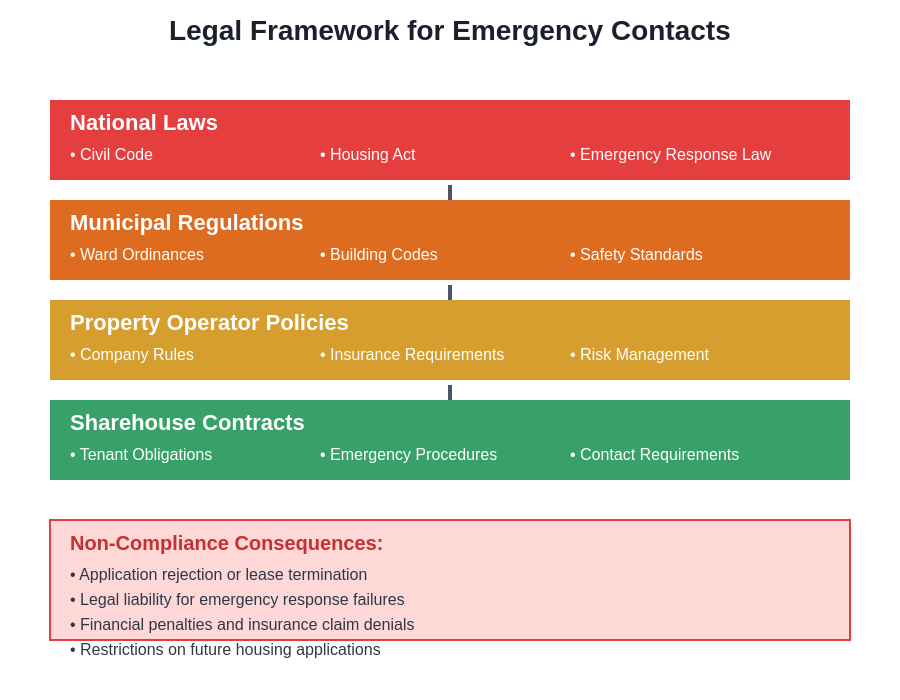
Japan’s legal system imposes specific obligations on residential property operators regarding tenant safety, emergency response protocols, and liability management that directly influence emergency contact requirements in sharehouses. These regulations, developed through decades of legislative refinement and judicial precedent, establish clear expectations for property managers to maintain comprehensive contact networks that enable rapid response during various emergency scenarios.
The Civil Code and related housing legislation create legal liability frameworks that hold property operators accountable for resident welfare during emergencies, natural disasters, and medical crises that may occur on their premises. How emergency contact systems work in practice demonstrates how these legal requirements translate into daily operational procedures that protect both residents and operators from potential liability issues.
Municipal regulations across Tokyo’s various wards impose additional requirements that may vary by location, building type, and resident demographics, creating layered compliance obligations that necessitate thorough documentation and verification processes. Property operators must navigate these complex regulatory environments while ensuring their emergency contact systems meet or exceed minimum legal standards for resident safety and communication protocols.
International residents often underestimate the legal implications of providing incomplete or inaccurate emergency contact information, which can result in lease violations, financial penalties, or termination of housing agreements under Japanese property law. Understanding these legal frameworks helps explain why property operators implement such thorough verification processes and why compliance with emergency contact requirements represents a fundamental aspect of successful sharehouse residency.
Cultural Values and Social Responsibility
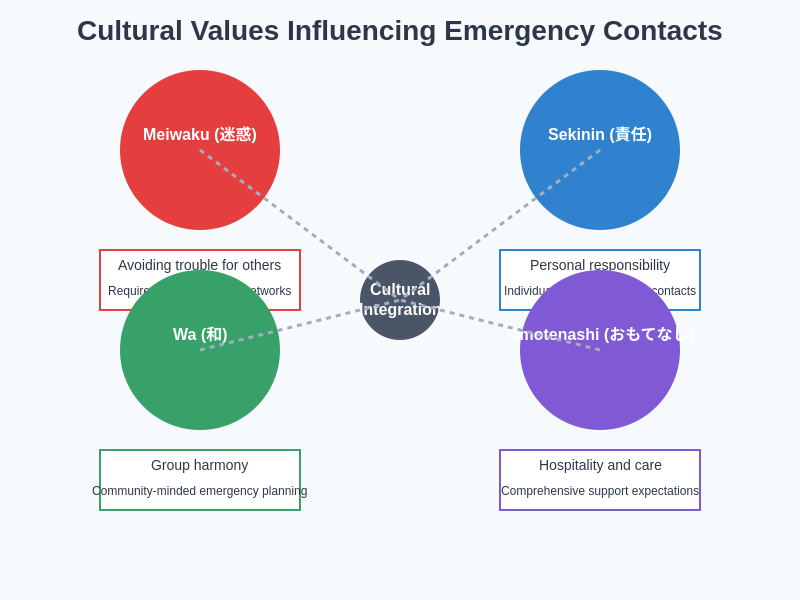
Japanese society’s emphasis on collective responsibility and mutual accountability creates cultural expectations that extend far beyond individual autonomy, influencing how emergency contact requirements are structured and enforced within sharehouse communities. The concept of meiwaku, or avoiding causing trouble for others, permeates residential arrangements and establishes social obligations that require residents to maintain reliable communication networks for emergency situations.
Traditional Japanese family structures and social hierarchies inform expectations about emergency contact relationships, with preferences for family members, long-term friends, or established professional connections over casual acquaintances or recently formed relationships. Living with Japanese roommates in Tokyo sharehouses explores how these cultural values influence daily interactions and long-term relationship building within international sharehouse communities.
The cultural concept of sekinin, or personal responsibility, extends to maintaining accurate and current emergency contact information as part of one’s broader social obligations within the community. Property operators and fellow residents expect individuals to take personal responsibility for ensuring their emergency contacts remain accessible, informed, and capable of responding appropriately during various crisis scenarios.
Group harmony and conflict avoidance principles influence how emergency contact systems are designed to minimize disruption to the broader community while ensuring individual safety and support. These cultural considerations help explain why property operators often require multiple contact options and prefer contacts who understand Japanese social customs and communication protocols.
Risk Management and Insurance Considerations
Property operators face significant financial and legal risks related to resident safety, medical emergencies, and crisis response that directly influence the strictness of emergency contact requirements. Insurance policies for sharehouse operations typically include specific clauses regarding emergency communication protocols, requiring documented contact systems that meet insurance company standards for risk mitigation and liability protection.
The international nature of many sharehouse residents creates additional risk factors related to visa status changes, family support networks, and cultural communication barriers that may complicate emergency response efforts. How visa status affects your sharehouse application explains how these factors influence application requirements and ongoing residency obligations for international residents.
Medical emergency scenarios represent particular challenges for property operators when dealing with international residents who may have complex insurance arrangements, limited Japanese language abilities, or unclear medical histories that complicate treatment decisions. Emergency contacts serve as crucial communication bridges during medical crises, helping healthcare providers and property operators navigate language barriers and insurance authorization processes.
Natural disaster preparedness requirements in Tokyo create additional layers of emergency contact obligations, as property operators must maintain communication systems that function during earthquakes, typhoons, and other crisis situations that may disrupt normal communication infrastructure. These disaster-related requirements influence the types of contacts preferred and the verification processes used to ensure contact reliability during extreme circumstances.
Communication Barriers and Language Challenges
Language barriers between international residents and Japanese emergency services, medical personnel, and property management staff create practical necessities for emergency contacts who can facilitate effective communication during crisis situations. These communication challenges extend beyond simple translation needs to include cultural interpretation, context explanation, and advocacy functions that require contacts with specific cultural competencies.
Emergency service protocols in Japan often require specific information formats, cultural context, and procedural understanding that may be difficult for non-Japanese speakers to navigate effectively during high-stress emergency situations. How language barriers complicate legal documents demonstrates how these communication challenges affect various aspects of sharehouse living and resident obligations.
Medical emergency communication presents particular challenges when dealing with complex terminology, insurance verification, and treatment authorization decisions that require rapid and accurate information exchange between multiple parties. Emergency contacts serve as essential communication facilitators who can bridge language gaps and ensure appropriate medical care decisions are made promptly and accurately.
Legal and administrative communication during emergencies may involve complex procedural requirements, documentation standards, and official protocols that require cultural knowledge and language fluency beyond basic conversational abilities. Property operators prefer emergency contacts who can navigate these systems effectively and represent residents’ interests appropriately during various administrative processes.
Financial Liability and Guarantor Functions
Emergency contacts in Japanese sharehouses often serve dual functions as communication facilitators and potential financial guarantors, creating additional screening requirements that extend beyond simple availability and willingness to help during emergencies. These financial responsibilities may include liability for property damage, unpaid rent, or emergency medical expenses that exceed residents’ insurance coverage or available resources.
The guarantor system deeply embedded in Japanese rental culture influences emergency contact requirements, as property operators seek contacts who can provide financial backing for various resident obligations and potential liabilities. How to spot financial red flags in sharehouse contracts explains how these financial obligations affect contract terms and resident responsibilities throughout the tenancy period.
International residents often struggle to identify contacts who meet both emergency communication needs and potential financial guarantor requirements, particularly when family members live overseas or lack familiarity with Japanese financial systems and legal obligations. This challenge contributes to the complexity and strictness of emergency contact verification processes implemented by property operators.
Credit verification and financial stability assessments for emergency contacts may involve detailed documentation requirements, employment verification, and income confirmation processes that mirror traditional rental application procedures. These comprehensive evaluations help ensure emergency contacts can fulfill both communication and potential financial obligations associated with their designated roles.
Verification Processes and Documentation Requirements
The verification procedures for emergency contacts involve multiple steps designed to confirm identity, accessibility, relationship authenticity, and capability to fulfill emergency response obligations during various crisis scenarios. These processes typically include document verification, direct communication confirmation, and ongoing update requirements that ensure contact information remains current and reliable throughout the residency period.
Identity verification for emergency contacts may require official documentation, employment confirmation, and residence verification that demonstrates the contact’s stability and accessibility within reasonable geographic proximity to provide effective emergency assistance. What documents you need for Tokyo sharehouse applications outlines the comprehensive documentation requirements that extend to emergency contact verification processes.
Relationship verification procedures aim to confirm the authentic nature of relationships between residents and their designated emergency contacts, preventing fraudulent applications or contacts who may not be genuinely committed to providing emergency assistance when needed. These verification steps may include reference checks, communication logs, and periodic confirmation processes throughout the residency period.
Ongoing update requirements ensure emergency contact information remains current and accessible, with regular verification processes that confirm contact details, availability, and continued willingness to serve in emergency situations. Property operators may implement periodic contact drills or verification calls to maintain system effectiveness and identify any changes that require documentation updates.
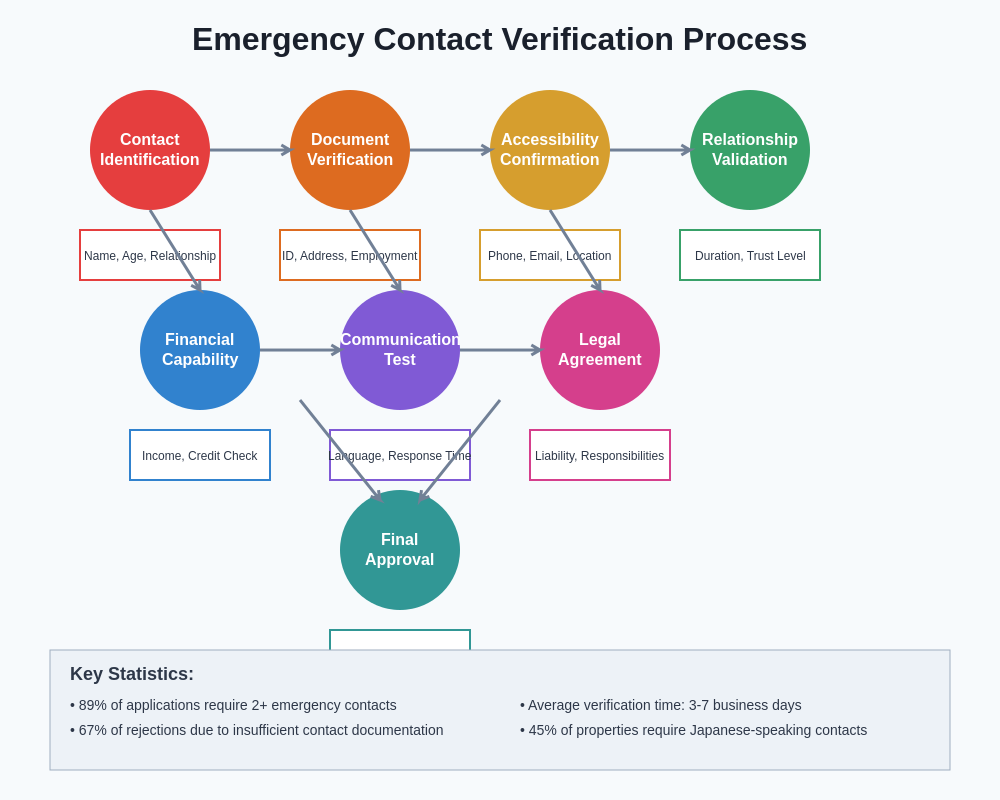
This comprehensive verification system ensures that emergency contacts can fulfill their responsibilities effectively while meeting all legal and practical requirements imposed by Japanese housing regulations and cultural expectations.
International Resident Challenges
Foreign residents face unique obstacles in meeting strict emergency contact requirements due to limited local social networks, geographic separation from family members, and unfamiliarity with Japanese systems and cultural expectations that influence contact selection and verification processes. These challenges often require creative solutions and extended timeline accommodations that add complexity to the application and approval processes.
Establishing local emergency contacts represents a particular challenge for newly arrived international residents who lack established relationships with individuals who meet property operators’ requirements for accessibility, cultural competency, and potential financial responsibility. Making friends through Tokyo sharehouse communities explores strategies for building local relationships that may eventually serve emergency contact functions.
Time zone differences and international communication logistics create practical challenges when emergency contacts reside overseas, requiring property operators to evaluate whether international contacts can provide adequate emergency response capabilities during crisis situations that require immediate local intervention. These geographic considerations influence the types of contacts preferred and the verification processes used to assess contact effectiveness.
Cultural competency requirements for emergency contacts may exclude well-intentioned family members or friends who lack understanding of Japanese systems, communication protocols, or cultural expectations that affect emergency response effectiveness. International residents must balance personal relationships with practical considerations when selecting contacts who can navigate Japanese emergency systems effectively.
Alternative Solutions and Support Systems
Professional emergency contact services have emerged to address the challenges faced by international residents who struggle to identify personal contacts meeting strict sharehouse requirements. These services provide trained professionals who understand Japanese emergency systems, cultural protocols, and communication requirements while maintaining 24-hour availability for crisis response situations.
Educational institutions and international organizations in Tokyo often provide emergency contact support systems for their students and members, creating institutional relationships that meet property operators’ requirements while providing appropriate cultural and linguistic support during emergency situations. Student sharehouses near top Tokyo universities discusses how academic institutions facilitate housing applications for international students.
Employer-sponsored emergency contact systems represent another alternative for working professionals, with companies providing institutional support that meets property operators’ requirements while ensuring appropriate emergency response capabilities through trained personnel familiar with both Japanese systems and international resident needs.
Community organizations and expatriate support groups may offer emergency contact services or facilitate connections between established residents and newcomers seeking to build local support networks that can serve emergency contact functions while fostering broader community integration and mutual support systems.
Long-term Benefits and System Effectiveness
Despite initial frustrations with strict emergency contact requirements, these systems provide significant long-term benefits for residents including enhanced safety, community support, cultural integration opportunities, and peace of mind during various life challenges that may arise during extended stays in Tokyo. Understanding these benefits helps international residents appreciate the value of investing time and effort in meeting comprehensive emergency contact requirements.
Effective emergency contact systems contribute to overall community safety and stability by ensuring rapid response capabilities during medical emergencies, natural disasters, and other crisis situations that may affect individual residents or entire sharehouse communities. Real stories from Tokyo sharehouse residents includes examples of how emergency contact systems have provided crucial support during actual emergency situations.
Cultural integration benefits emerge from the process of establishing local emergency contacts, as residents develop deeper relationships with individuals who understand Japanese systems and can provide ongoing cultural guidance beyond emergency situations. These relationships often evolve into lasting friendships and professional networks that enhance the overall international living experience in Tokyo.
Peace of mind benefits extend to both residents and their overseas family members, who gain confidence knowing that reliable local support systems exist to address various challenges and emergencies that may arise during international living experiences. This reassurance facilitates better focus on personal and professional goals while building confidence in navigating life in Japan.
The comprehensive nature of emergency contact requirements reflects Japan’s systematic approach to resident safety, community responsibility, and risk management that prioritizes collective welfare while ensuring individual accountability. While these requirements may initially seem burdensome, they represent essential components of a housing system designed to protect and support international residents throughout their Tokyo living experience. Understanding and embracing these requirements facilitates smoother application processes and contributes to safer, more supportive sharehouse communities that benefit all residents through enhanced emergency preparedness and community integration.
Disclaimer
This article is for informational purposes only and does not constitute legal advice. Emergency contact requirements may vary between different sharehouses and operators. Residents should carefully review specific requirements with their chosen property operators and consider consulting legal professionals for complex situations. The information provided reflects general practices and may not apply to all circumstances or future regulatory changes.