Emergency evacuation plans in Tokyo sharehouses present a disturbing pattern of confusion, inadequacy, and dangerous ambiguity that places thousands of international residents at unnecessary risk during critical moments when clear guidance becomes literally a matter of life and death. The complexity of Japan’s disaster preparedness culture, combined with language barriers, poor communication systems, and profit-driven property management practices, creates a perfect storm of circumstances that leaves residents woefully unprepared for emergencies ranging from earthquakes and fires to severe weather events and building-specific incidents.
The consequences of unclear evacuation procedures extend far beyond simple inconvenience, potentially resulting in panic, injury, or worse during actual emergency situations when seconds count and decisive action saves lives. Understanding why these critical safety systems fail so consistently provides essential insights for residents seeking to protect themselves and advocate for better safety measures within their living communities.
The Language Barrier Crisis in Emergency Communications
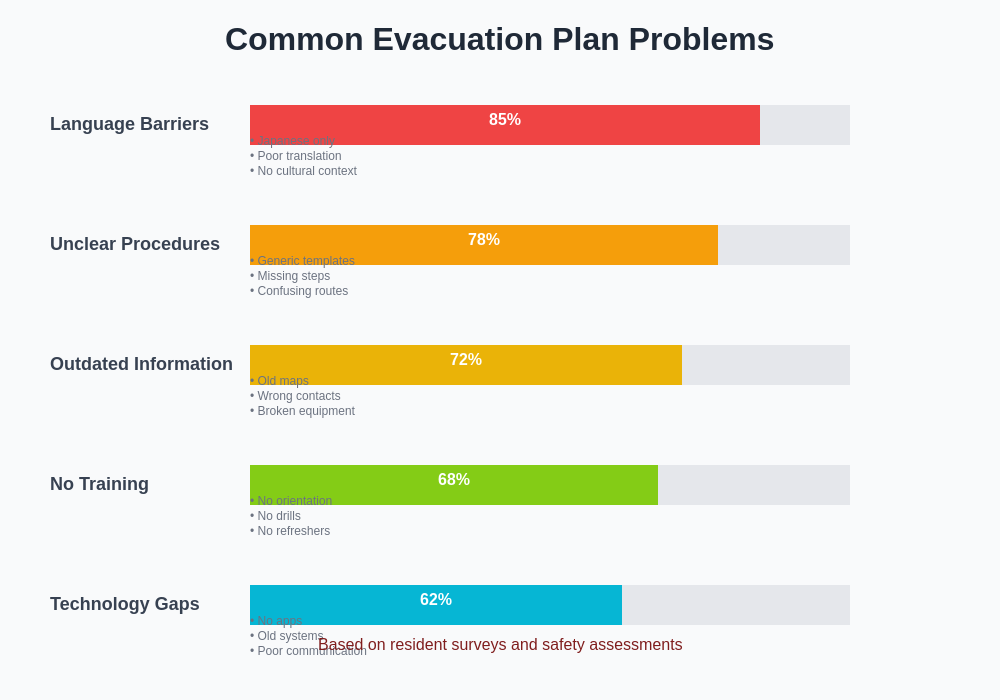
The fundamental challenge underlying most evacuation plan confusion stems from inadequate translation and cultural adaptation of emergency procedures for international residents who may not possess sufficient Japanese language skills to understand complex safety instructions during high-stress situations. Japanese sharehouse rules every foreigner should know highlights how language barriers affect daily operations, but these challenges become exponentially more dangerous during emergencies when confusion can prove fatal.
Emergency evacuation maps, procedure documents, and safety equipment instructions frequently exist only in Japanese, utilizing specialized terminology and kanji characters that even intermediate Japanese speakers struggle to comprehend quickly under pressure. The assumption that residents will somehow understand these critical instructions during actual emergencies represents a dangerous gap in safety planning that affects thousands of international residents across Tokyo’s sharehouse network.
Translation attempts, when they exist, often rely on automated systems or inadequately qualified translators who lack understanding of emergency management terminology, resulting in confusing or potentially dangerous mistranslations that could lead residents toward danger rather than safety. The cultural context of Japanese emergency procedures, including specific behavioral expectations and communication protocols, rarely receives adequate explanation for international residents unfamiliar with local emergency response customs.
Inadequate Building Assessment and Communication Systems
Most sharehouse operators fail to conduct comprehensive assessments of their buildings’ unique emergency characteristics, evacuation challenges, and resident-specific needs that would inform the development of clear, actionable evacuation procedures tailored to actual building conditions and resident demographics. Why building real friendships takes longer than expected reflects broader communication challenges that extend into critical safety areas where clear understanding becomes essential for survival.
Building age, structural modifications, room configurations, and accessibility features significantly impact evacuation procedures, yet standardized plans often ignore these crucial factors in favor of generic templates that may not apply to specific building conditions. Older buildings converted into sharehouses frequently retain complex layouts, narrow hallways, and multiple levels that create unique evacuation challenges requiring specialized planning and resident education.
Communication systems for emergency notifications typically rely on outdated or inadequate methods such as posted notices, verbal announcements, or basic alarm systems that may not effectively reach all residents, particularly those with hearing impairments, language barriers, or different sleep schedules. The absence of modern emergency communication technology, including smartphone apps, multilingual alert systems, or digital notification networks, leaves residents dependent on primitive communication methods that may fail during actual emergencies.
Management Negligence and Cost-Cutting Measures
Profit-focused sharehouse operators frequently prioritize cost reduction over comprehensive safety planning, viewing emergency preparedness as an unnecessary expense rather than an essential resident service that directly impacts lives and legal liability. How to spot financial red flags in sharehouse contracts reveals how financial priorities often override safety considerations in sharehouse operations, creating dangerous gaps in emergency preparedness.
Training costs for staff members who could explain evacuation procedures, translate safety materials, or conduct regular emergency drills represent expenses that many operators choose to avoid, leaving residents without proper guidance or preparation for emergency situations. The absence of qualified safety personnel or emergency coordinators within sharehouse management structures creates information vacuums where residents must navigate complex safety procedures without professional support or guidance.
Regular updates to evacuation plans, safety equipment maintenance, and procedure reviews require ongoing investment that many operators postpone or eliminate entirely, resulting in outdated information, non-functional safety equipment, and evacuation procedures that no longer match current building conditions or resident needs. The lack of accountability mechanisms for safety planning allows operators to provide minimal compliance efforts while avoiding comprehensive emergency preparedness investments.
Legal and Regulatory Compliance Failures
Japan’s building safety regulations and emergency preparedness requirements often receive minimal compliance efforts rather than comprehensive implementation, with operators focusing on meeting basic legal requirements while ignoring the spirit of safety regulations designed to protect residents. Understanding utility bills in Japanese sharehouses demonstrates how operators often provide minimal compliance in various areas, including safety procedures.
Enforcement mechanisms for emergency preparedness regulations frequently lack sufficient oversight or penalties to motivate operators toward comprehensive safety planning, allowing substandard evacuation procedures to persist without meaningful consequences. The complexity of regulatory requirements across different jurisdictions, building types, and occupancy levels creates confusion that operators exploit to avoid comprehensive safety investments.
International residents often lack knowledge of their legal rights regarding emergency preparedness and safety information, preventing them from advocating effectively for improved evacuation procedures or holding operators accountable for inadequate safety planning. The absence of clear legal recourse for residents affected by inadequate emergency procedures reduces pressure on operators to maintain high safety standards.
Cultural Misunderstandings and Assumption Problems
Japanese emergency response culture includes implicit behavioral expectations, communication patterns, and procedural assumptions that international residents may not understand without explicit instruction, creating dangerous gaps in emergency preparedness that could prove fatal during actual incidents. Living with Japanese roommates in Tokyo sharehouses touches on cultural integration challenges that extend into critical safety areas.
The concept of personal responsibility in emergency situations differs significantly between cultures, with Japanese emergency planning often assuming individual initiative and cultural knowledge that international residents may not possess, leading to evacuation procedures that appear clear to Japanese planners but remain confusing to foreign residents. Assumptions about resident familiarity with local geography, transportation systems, and community emergency resources create additional confusion during evacuations when residents need clear, specific guidance rather than general directions.
Group coordination expectations during emergencies, including leader designation, communication protocols, and decision-making processes, often remain unexplained to international residents who may come from cultures with different emergency response traditions and expectations. The absence of cultural orientation regarding emergency procedures leaves residents unprepared for Japanese-style emergency coordination and communication.
Technology Integration Failures and Modern Solutions
Most sharehouses continue relying on outdated emergency communication and coordination methods despite the availability of modern technologies that could dramatically improve evacuation procedure clarity and effectiveness for diverse resident populations. How smart locks change sharehouse security illustrates how technology adoption in sharehouses often lags behind available solutions.
Smartphone applications designed for emergency coordination, multilingual communication, and real-time updates could revolutionize evacuation procedure clarity but remain largely unutilized due to operator reluctance to invest in modern safety technologies. GPS-based evacuation guidance, automated translation services, and digital safety checklists represent readily available solutions that could eliminate much of the confusion surrounding current evacuation procedures.
Building-specific emergency apps could provide residents with customized evacuation routes, real-time safety information, and multilingual instructions tailored to their specific location and circumstances, yet few operators invest in these potentially life-saving technologies. The integration of modern communication platforms with traditional emergency procedures could bridge cultural and language gaps while providing clear, actionable guidance during actual emergencies.
Resident Education and Training Deficiencies
Comprehensive resident education regarding evacuation procedures requires ongoing investment in training programs, educational materials, and practice exercises that most sharehouse operators avoid due to cost considerations and organizational complexity. Making friends through Tokyo sharehouse communities demonstrates how community building requires investment, including safety education that builds resident preparedness.
New resident orientation programs rarely include comprehensive emergency procedure training, leaving newcomers to discover evacuation plans through independent research or word-of-mouth information that may be incomplete or inaccurate. The absence of regular emergency drills, safety refreshers, and procedure updates means that even residents who initially receive evacuation information may forget critical details over time.
Multilingual safety education requires specialized expertise and cultural sensitivity that most sharehouse operators lack, resulting in inadequate training programs that fail to address the specific needs and concerns of international residents from diverse backgrounds. The development of effective safety education programs demands understanding of different learning styles, cultural communication patterns, and language proficiency levels that exceed the capabilities of most sharehouse management teams.
Building-Specific Challenges and Unique Circumstances
Each sharehouse building presents unique evacuation challenges based on architectural features, location characteristics, and resident demographics that require customized safety planning rather than generic template procedures that may not address specific building conditions. Best Tokyo neighborhoods for sharehouse living highlights how location affects daily life, including emergency response considerations.
Converted buildings often retain original architectural features that complicate evacuation procedures, including narrow stairways, multiple levels, confusing layouts, and limited exit options that require specific guidance and alternative route planning. Purpose-built sharehouses may incorporate modern safety features but still require resident education regarding proper equipment usage, evacuation timing, and coordination procedures.
High-rise buildings present additional complexity with elevator usage restrictions during emergencies, stairwell capacity limitations, and extended evacuation times that require careful planning and resident education to prevent dangerous overcrowding or panic situations. Ground-floor accessibility, outdoor assembly areas, and neighborhood emergency resources vary significantly between locations and require building-specific emergency planning rather than standardized approaches.

Psychological and Social Factors in Emergency Response
Emergency situations create psychological stress that impairs decision-making abilities and comprehension skills, making clear, simple evacuation procedures even more critical for residents who may be operating under extreme stress while processing information in non-native languages. How to handle roommate conflicts without moving out addresses stress management in normal situations, but emergency stress requires specialized preparation.
Social dynamics within sharehouse communities can either support or hinder effective evacuation procedures, depending on resident relationships, leadership structures, and communication patterns that develop over time through daily interactions and community building activities. The presence of natural leaders, multilingual residents, or individuals with emergency response experience can significantly impact evacuation effectiveness, yet these resources rarely receive recognition or integration into formal emergency procedures.
Panic behavior, cultural differences in emergency response, and varying levels of physical ability among residents require evacuation procedures that account for diverse needs and capabilities while maintaining clarity and effectiveness for all community members. The development of mutual support systems and buddy partnerships could improve evacuation outcomes but requires intentional community building and safety education investments.
Accountability and Improvement Strategies
Residents possess more power than they typically realize to advocate for improved evacuation procedures through collective action, legal pressure, and market-based choices that prioritize operators demonstrating genuine commitment to comprehensive safety planning. Real stories from Tokyo sharehouse residents shows how resident experiences can drive improvements when properly communicated and organized.
Documentation of safety deficiencies, comparison shopping based on emergency preparedness quality, and community organizing around safety concerns create market pressures that can motivate operators toward better evacuation procedure development and implementation. Residents who understand their legal rights and available recourse options can more effectively advocate for improvements while protecting themselves from operators who prioritize profits over safety.
Professional safety assessments, emergency planning consultations, and resident safety committees represent approaches that communities can pursue to supplement inadequate operator-provided emergency procedures with resident-initiated safety improvements. The development of resident-led emergency response teams and communication networks can fill gaps left by inadequate official procedures while building community resilience and preparedness.

The persistent problems with evacuation plan clarity in Tokyo sharehouses reflect systemic issues that extend beyond simple oversight or minor communication problems, representing fundamental failures in safety planning, cultural sensitivity, and resident care that require comprehensive solutions addressing language barriers, management accountability, regulatory enforcement, and community empowerment. Understanding these underlying causes empowers residents to protect themselves while advocating for the comprehensive safety improvements that every sharehouse community deserves and requires.
Disclaimer
This article is for informational purposes only and does not constitute professional safety or legal advice. Emergency procedures and regulations vary by building, location, and jurisdiction. Readers should consult with relevant authorities, safety professionals, and legal experts regarding specific emergency preparedness concerns. Individual circumstances may require specialized safety planning beyond general guidelines discussed in this article.