The quality and availability of English practice opportunities in Tokyo sharehouses varies dramatically from property to property, creating vastly different language learning environments that can either accelerate or hinder your linguistic development during your stay in Japan. Understanding these variations before selecting your accommodation represents a crucial factor that many international residents overlook, yet it significantly impacts daily communication experiences, professional development, and social integration within Japan’s complex cultural landscape.
The disparities in English practice opportunities stem from complex interactions between resident demographics, house management policies, cultural dynamics, and the individual motivations of community members. These factors combine to create unique linguistic ecosystems within each sharehouse, ranging from environments where English flows naturally throughout daily interactions to spaces where language barriers create isolated communication islands that limit meaningful cross-cultural exchange and personal growth opportunities.
Demographic Composition and Native Speaker Density
The foundation of English practice opportunities in any sharehouse rests upon the demographic composition of its residents, particularly the ratio of native English speakers to non-native speakers and the overall diversity of represented nationalities. Living with Japanese roommates in Tokyo sharehouses demonstrates how cultural mixing affects communication patterns, while houses with higher concentrations of native English speakers naturally provide more abundant practice opportunities for non-native residents seeking to improve their conversational skills.
Properties that maintain balanced international communities typically offer optimal English practice environments, where native speakers from countries such as the United States, United Kingdom, Australia, and Canada interact regularly with residents from non-English speaking nations who are motivated to improve their language abilities. This demographic diversity creates organic learning situations during daily activities such as cooking, cleaning, social gatherings, and casual conversations that arise naturally in shared living spaces.
However, houses dominated by residents from specific linguistic backgrounds may inadvertently limit English practice opportunities, as residents often gravitate toward their native languages when communicating with compatriots. Making friends through Tokyo sharehouse communities explores how nationality clustering affects social dynamics and communication patterns within shared living environments.
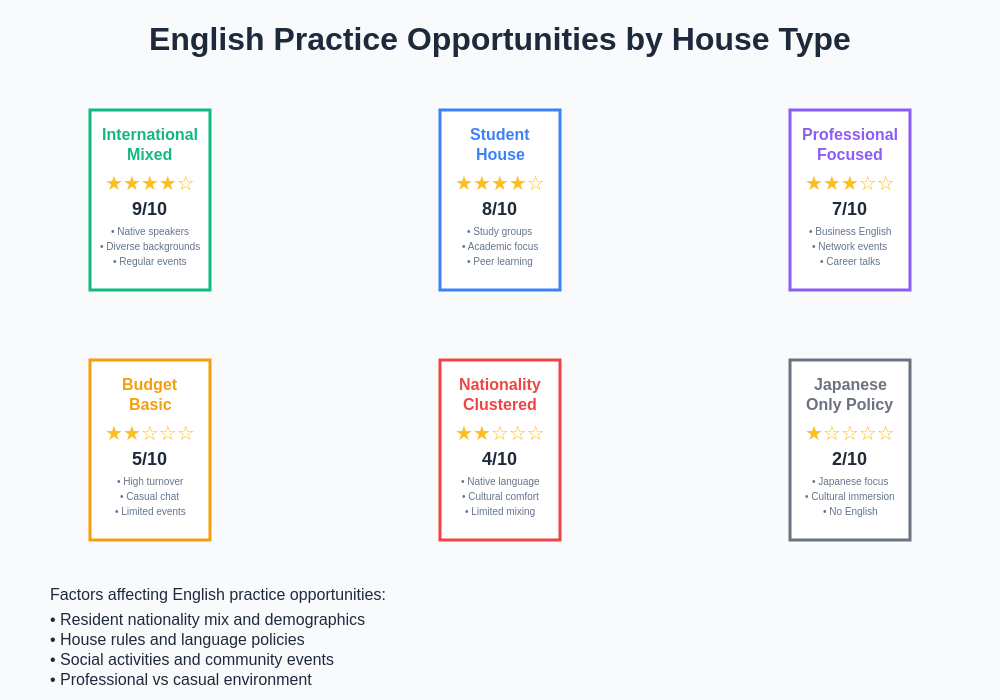
The presence of residents with varying English proficiency levels creates valuable teaching and learning opportunities that benefit both native and non-native speakers. Advanced learners often serve as informal tutors for beginners, while native speakers gain cultural insights and patience through these interactions, creating mutually beneficial relationships that extend beyond simple language exchange into deeper cross-cultural understanding and friendship development.
House Rules and Communication Policies
Management policies and house rules significantly influence the prevalence of English practice opportunities by establishing communication expectations, social interaction guidelines, and community engagement standards that either encourage or discourage multilingual conversations. Some sharehouses explicitly promote English as the primary common language, creating environments where residents are expected to communicate in English during house meetings, social events, and general interactions in shared spaces.
Houses with formal English-only policies in common areas typically provide more consistent practice opportunities, as residents cannot retreat into their native languages during group interactions. These policies, while sometimes controversial, create immersive environments that accelerate language learning through necessity and regular exposure to English conversations across various topics and social situations.
Conversely, properties without explicit language policies may develop organic communication patterns based on resident preferences and comfort levels, leading to inconsistent English usage that depends on individual personalities, confidence levels, and cultural backgrounds. Japanese sharehouse rules every foreigner should know outlines how different management approaches affect resident interactions and community dynamics.
The enforcement consistency of language policies also affects their effectiveness in creating English practice opportunities. Houses where management actively encourages English usage through organized activities, conversation circles, and cultural events tend to maintain more vibrant English-speaking communities compared to properties where policies exist only on paper without practical implementation or community buy-in from residents.
Cultural Attitudes Toward Language Learning
The cultural attitudes of residents toward language learning and cross-cultural communication create significant variations in English practice opportunities across different sharehouses. How cultural differences affect friendship building examines how varying perspectives on language exchange influence daily interactions and relationship development within international communities.
Houses populated by residents who view language learning as a mutual exchange opportunity typically foster more supportive and encouraging environments for English practice. These communities often develop informal tutoring relationships, language exchange partnerships, and group study sessions that create regular opportunities for meaningful English conversations across diverse topics and skill levels.
Some cultural backgrounds emphasize perfection and formal correctness in language usage, leading residents to avoid English conversations unless they feel completely confident in their abilities. This perfectionist mindset can significantly limit practice opportunities, as individuals may choose silence over potentially imperfect communication, missing valuable learning experiences that arise from natural conversation and mistake-making processes.
Other cultural perspectives embrace trial-and-error learning approaches, encouraging residents to practice English regularly regardless of their current proficiency levels. Houses with residents who adopt these growth mindsets typically experience more vibrant English-speaking communities where mistakes are viewed as learning opportunities rather than sources of embarrassment or social judgment.
Professional and Academic Backgrounds
The professional and academic backgrounds of sharehouse residents significantly influence both the demand for English practice and the quality of available opportunities. Student sharehouses near top Tokyo universities demonstrates how academic environments affect language learning priorities and community dynamics within shared living spaces.
Houses with high concentrations of international business professionals often provide sophisticated English practice opportunities involving industry-specific vocabulary, professional communication styles, and business-related discussions that prepare residents for workplace interactions. These environments naturally generate conversations about career development, industry trends, and professional networking that enhance both language skills and career prospects simultaneously.
Academic communities, particularly those associated with language programs or international universities, typically maintain more structured approaches to English practice through organized study groups, research discussions, and academic presentations that provide formal learning opportunities alongside casual conversation practice. These environments often attract residents specifically motivated by language improvement goals.
Technical and creative professional backgrounds contribute specialized vocabulary and communication styles that enrich English practice opportunities for residents interested in specific fields. Houses with diverse professional representation offer exposure to various English registers, from technical jargon to creative expressions, broadening residents’ linguistic capabilities across multiple domains and contexts.
Social Activity Programming and Community Events
The presence and quality of organized social activities significantly impact English practice opportunities by creating structured environments for language use beyond casual daily interactions. How social events become obligatory explores how community programming affects resident participation and language practice consistency within sharehouse environments.
Houses that organize regular English-focused activities such as movie nights with English films, book clubs, debate sessions, and cultural exchange presentations create consistent practice opportunities that accommodate various proficiency levels and interests. These structured activities often feel less intimidating than spontaneous conversations, encouraging participation from residents who might otherwise avoid English interactions due to confidence issues.
Game nights, cooking sessions, and collaborative projects provide natural contexts for English practice while engaging in enjoyable activities that reduce the pressure associated with formal language learning. These informal settings often produce the most effective practice opportunities, as residents focus on the activity rather than their language performance, leading to more natural and relaxed communication experiences.
Houses without organized programming rely entirely on organic interactions for English practice opportunities, which can be inconsistent and dependent on individual resident personalities and social initiatives. While some residents thrive in unstructured environments, others may struggle to find adequate practice opportunities without external encouragement and organized frameworks for interaction.
Technology Integration and Digital Communication
Modern sharehouses increasingly utilize digital platforms and communication technologies that influence English practice opportunities through group messaging systems, house management applications, and social media integration. How social media impacts real-life relationships examines how digital communication affects language use patterns within shared living communities.
Houses that establish English-language group chats, digital bulletin boards, and online community spaces create additional practice opportunities beyond face-to-face interactions. These platforms often encourage residents to practice written English skills while coordinating activities, sharing information, and maintaining community connections that supplement verbal communication practice.
Digital language learning resources, shared streaming accounts with English content, and collaborative online projects provide modern practice opportunities that didn’t exist in traditional shared living arrangements. Houses that embrace these technologies often attract tech-savvy residents who are comfortable integrating digital tools into their language learning strategies.
However, excessive reliance on digital communication can sometimes reduce face-to-face English practice opportunities, as residents may prefer the safety and editing capabilities of written communication over spontaneous verbal interactions. Finding balance between digital and verbal practice opportunities requires conscious community effort and awareness of these potential limitations.
Economic Factors and Resident Turnover
The economic positioning of sharehouses influences English practice opportunities through resident selection processes, community stability, and long-term relationship development potential. Living costs in Tokyo sharehouses explained demonstrates how pricing affects resident demographics and community characteristics that impact language learning environments.
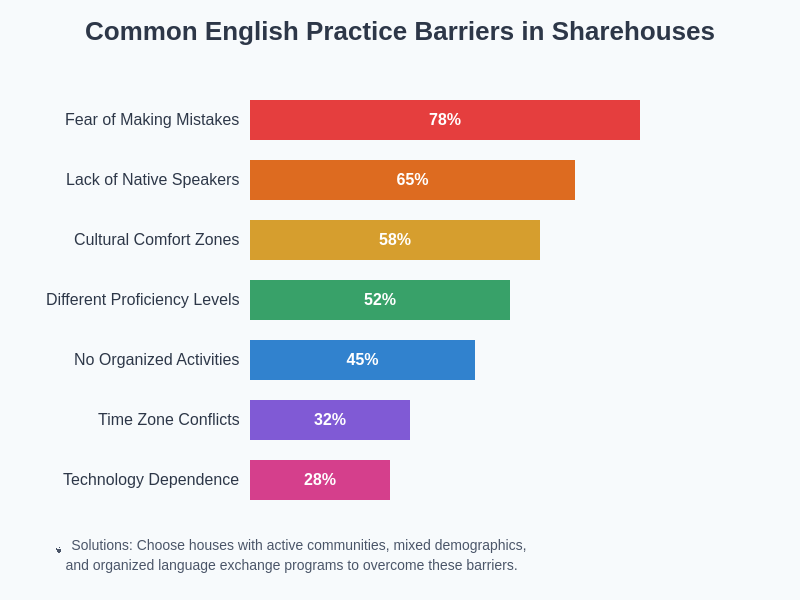
Budget-friendly houses often experience higher resident turnover rates, which can limit the development of consistent English practice partnerships but may provide exposure to diverse accents, communication styles, and cultural perspectives as new residents regularly join the community. This constant influx of new personalities can create dynamic learning environments with varying opportunities and challenges.
Premium sharehouses typically attract residents with longer-term housing commitments and stable income sources, leading to more consistent communities where residents have time to develop meaningful language exchange relationships and sustained practice partnerships. These environments often provide deeper cultural and linguistic learning opportunities through extended interactions and friendship development.
The correlation between housing costs and resident motivations affects English practice quality, as individuals making significant financial investments in sharehouse living often demonstrate stronger commitments to personal development goals, including language improvement, cultural integration, and international networking that enhance practice opportunities for all community members.
Geographic Location and Neighborhood Influence
The geographic location of sharehouses within Tokyo significantly affects English practice opportunities through neighborhood demographics, proximity to international communities, and access to English-speaking social networks. Best Tokyo neighborhoods for sharehouse living explores how location choices impact language learning and cultural integration opportunities for international residents.
Houses located in areas with high foreign resident populations often provide more extensive English practice opportunities through neighborhood interactions, local business communications, and social networks that extend beyond the immediate sharehouse community. These locations naturally attract residents who are comfortable with international environments and regular English usage.
Central Tokyo locations near business districts may attract more English-speaking professionals, creating communities with advanced language practice opportunities and professional networking benefits. Business district sharehouses near Tokyo Station examines how professional environments influence resident demographics and communication patterns.
Suburban locations may offer fewer external English practice opportunities but can create more intensive internal community experiences where residents rely more heavily on each other for language practice and cultural exchange. These environments sometimes produce stronger internal bonds and more dedicated practice partnerships among residents seeking language improvement.
Age Demographics and Generational Factors
Age distribution within sharehouses significantly influences English practice opportunities through varying learning approaches, technological comfort levels, and social interaction preferences that affect community dynamics. How age differences impact sharehouse compatibility explores how generational factors affect communication patterns and learning environments.
Younger residents often demonstrate greater willingness to engage in informal English practice through casual conversations, social media interactions, and peer-to-peer learning approaches that create relaxed and encouraging environments for language development. These age groups typically embrace mistake-making as part of the learning process and show less inhibition about practicing with imperfect skills.
Older residents may prefer more structured English practice opportunities through formal conversation partnerships, organized activities, and goal-oriented learning approaches that provide clear frameworks for improvement. These preferences can create excellent mentoring opportunities when combined with younger residents’ casual approaches to language exchange.
Mixed-age communities often provide the most diverse English practice opportunities, combining the enthusiasm and flexibility of younger residents with the experience and structured approaches preferred by older community members. These intergenerational environments create rich learning ecosystems that benefit all participants through varied perspectives and communication styles.
Individual Personality and Social Confidence
Personal characteristics of individual residents significantly impact the overall English practice environment within sharehouses, as outgoing and socially confident individuals often catalyze community interactions that benefit all residents regardless of their personal comfort levels. Why personality conflicts escalate quickly examines how individual traits affect group dynamics and communication patterns.
Houses with natural conversation initiators and community organizers typically provide more abundant English practice opportunities, as these individuals create social situations, facilitate group discussions, and encourage participation from quieter residents who might otherwise struggle to find practice opportunities in unstructured environments.
Shy or introverted residents may require more supportive and patient communities to develop confidence in English practice, highlighting the importance of community culture in creating inclusive environments where all personality types can benefit from language learning opportunities. Understanding these dynamics helps predict and optimize English practice potential within different sharehouse environments.
The presence of residents who actively seek to improve their English skills creates positive peer pressure and motivation that elevates the entire community’s commitment to language practice. These motivated individuals often inspire others to engage more actively in English conversations and cultural exchange activities.
Long-term Impact on Language Development
The cumulative effect of varying English practice opportunities across different sharehouses can significantly impact residents’ long-term language development, career prospects, and cultural integration success during their time in Japan. How to handle roommate conflicts without moving out demonstrates how communication skills developed through sharehouse living affect broader life outcomes and relationship management abilities.
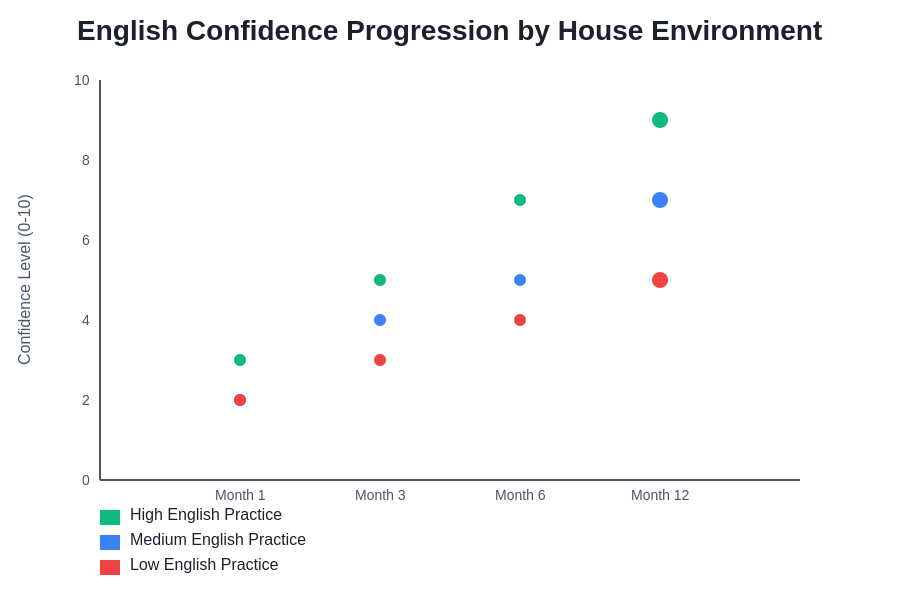
Residents who choose sharehouses with abundant English practice opportunities often experience accelerated language improvement, increased confidence in professional settings, and enhanced cultural understanding that benefits their careers and personal development long after leaving the shared living environment. These advantages compound over time, creating significant differences in outcomes between residents of different house types.
Understanding these variations before selecting accommodation allows prospective residents to align their housing choices with their language learning goals, ensuring that their living environment supports rather than hinders their linguistic and cultural development objectives during their Japanese experience.
The strategic selection of sharehouses based on English practice opportunities represents an investment in personal and professional development that extends far beyond simple accommodation needs, affecting career trajectories, international relationships, and cultural competency development that influence life outcomes for years following the sharehouse experience.
Disclaimer
This article is for informational purposes only and does not constitute professional advice regarding language learning or housing decisions. English practice opportunities in sharehouses can vary significantly based on numerous factors including resident turnover, management policies, and individual circumstances. Readers should visit properties and speak with current residents to assess actual language practice environments before making housing commitments. Language learning outcomes depend on individual effort, motivation, and compatibility with chosen learning environments.