Environmental activism within sharehouse communities presents a fascinating paradox where well-intentioned sustainability efforts often encounter unexpected resistance, cultural barriers, and practical limitations that can strain relationships and disrupt community harmony. The collision between individual environmental consciousness and collective living dynamics creates complex situations that challenge both activists and their housemates to navigate competing priorities, cultural differences, and varying levels of commitment to sustainable practices.
The reality of implementing environmental initiatives in shared living spaces reveals fundamental tensions between personal values and community consensus, highlighting how even the most beneficial changes can become sources of conflict when imposed without consideration for diverse backgrounds, financial constraints, and cultural perspectives that shape individual approaches to environmental responsibility.
The Cultural Complexity of Environmental Awareness
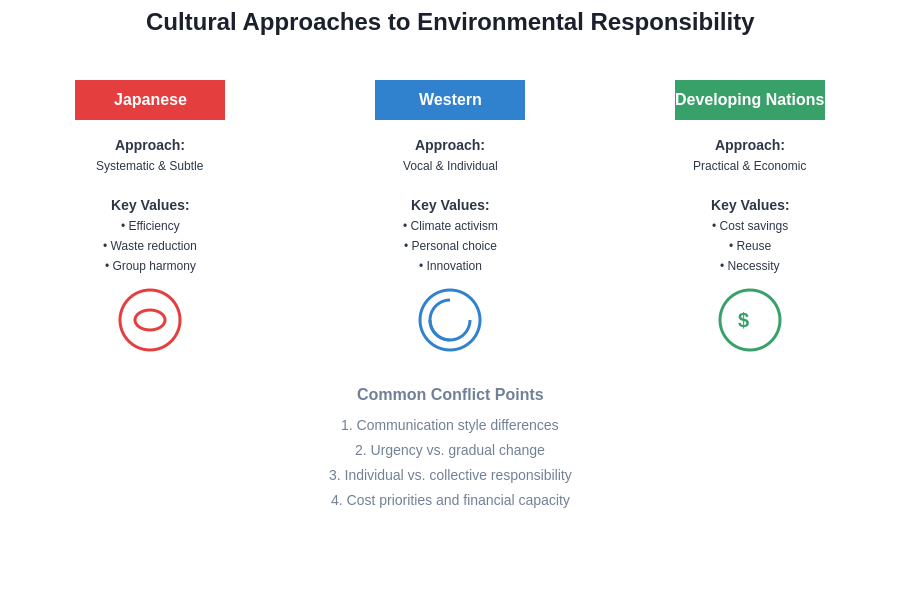
Japan’s relationship with environmental practices reflects deep-rooted cultural values that emphasize collective responsibility, resource conservation, and waste reduction, yet these traditional approaches often clash with Western-style environmental activism that prioritizes individual initiative and vocal advocacy. Understanding cultural differences in sharehouse environments becomes essential when environmental initiatives intersect with established community norms and expectations.
The generational divide in environmental attitudes creates additional complexity within sharehouse communities, where older residents may view aggressive sustainability measures as unnecessary disruption to established routines, while younger international residents often arrive with strong environmental convictions shaped by global climate movements and university sustainability programs.
Japanese residents frequently practice environmental consciousness through subtle, systematic approaches that emphasize efficiency and waste reduction rather than visible activism or dramatic lifestyle changes. This cultural preference for understated environmental responsibility can create misunderstandings when international residents introduce more prominent sustainability initiatives that may be perceived as performative or disruptive to community harmony.
The concept of environmental activism itself carries different connotations across cultures, with some viewing it as essential civic responsibility while others perceive it as political posturing or privileged behavior that ignores practical constraints faced by individuals with limited financial resources or time availability.
Economic Barriers and Financial Inequality
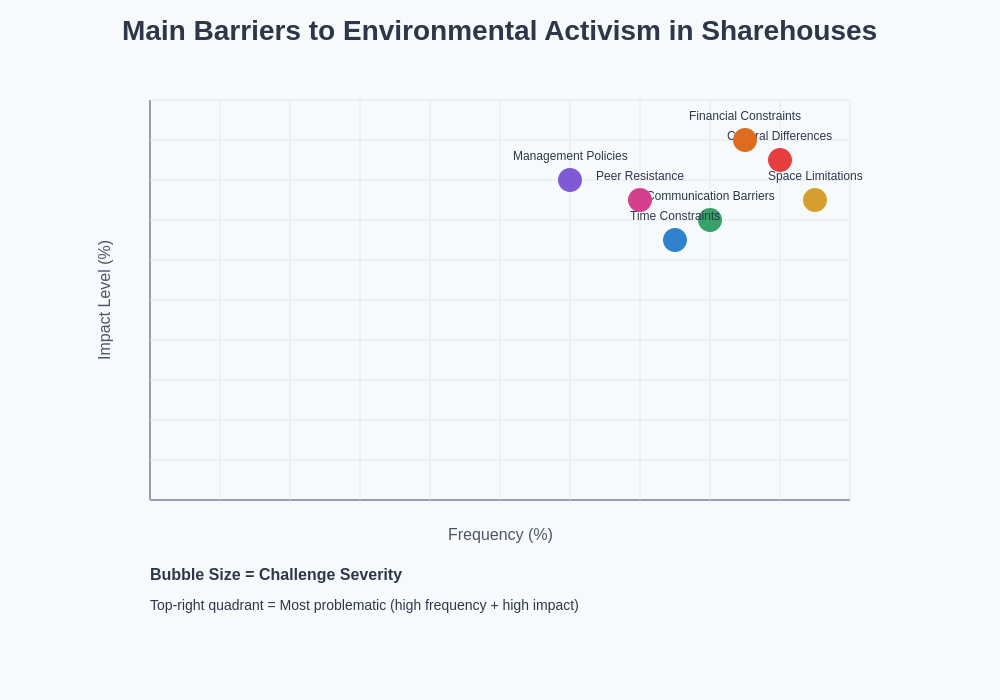
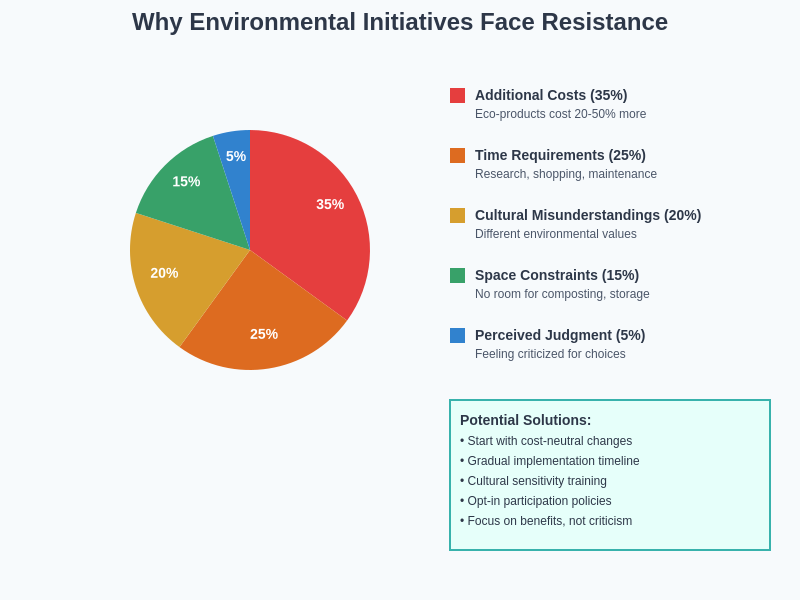
Environmental initiatives often require upfront investments in sustainable products, organic foods, and eco-friendly alternatives that create financial strain for residents operating on tight budgets typical of sharehouse living arrangements. The reality of living costs in sharehouses demonstrates how additional expenses for environmental products can significantly impact monthly budgets that are already stretched to accommodate Tokyo’s high cost of living.
The premium pricing of sustainable alternatives creates a two-tiered system within sharehouses where environmentally conscious residents with higher disposable incomes can afford organic foods, non-toxic cleaning products, and energy-efficient appliances, while budget-constrained housemates must rely on conventional, often less environmentally friendly options that fit their financial limitations.
Proposals for house-wide environmental upgrades such as solar panels, energy-efficient appliances, or comprehensive recycling systems require collective financial contributions that may be impossible for residents dealing with student loans, entry-level salaries, or temporary employment situations that characterize many international residents in Tokyo sharehouses.
The hidden costs of environmental living extend beyond product purchases to include time investments for research, shopping at specialized stores, and maintaining complex sustainable systems that may not be feasible for residents juggling multiple jobs, intensive study schedules, or demanding career responsibilities that limit their capacity for environmental activism.
Practical Implementation Challenges
The physical constraints of sharehouse living create inherent limitations for many environmental initiatives, as shared kitchens, limited storage space, and aging building infrastructure often cannot accommodate composting systems, bulk purchasing, or specialized equipment required for comprehensive sustainable living practices.
Kitchen dynamics and space limitations illustrate how environmental initiatives can exacerbate existing tensions around shared resource usage, cleanliness standards, and storage allocation when sustainability efforts require additional kitchen equipment, refrigerator space, or cleaning protocols that burden other residents.
Building management policies frequently prohibit modifications necessary for environmental improvements, including composting systems, gray water recycling, garden installations, or energy-saving modifications that would require structural changes or could potentially damage property or violate lease agreements with landlords who prioritize simplicity and standardization.
The coordination required for successful environmental initiatives demands consistent participation from all residents, yet sharehouse populations typically experience high turnover rates that make long-term environmental projects difficult to maintain when new residents arrive without environmental commitments or established sustainability knowledge.
Social Dynamics and Peer Pressure
Environmental activism within close-quarters living situations can create uncomfortable social dynamics where well-intentioned advocacy transforms into perceived judgment or moral superiority that generates resentment among housemates who feel criticized for their lifestyle choices or financial limitations that prevent participation in environmental initiatives.
The visibility of individual environmental choices in shared living spaces means that residents’ consumption patterns, waste production, and resource usage become subject to observation and potential criticism from environmentally conscious housemates, creating an atmosphere of surveillance that can damage trust and comfort levels within the community.
Managing conflicts and social tensions becomes particularly challenging when environmental disagreements intersect with cultural differences, economic disparities, and personality conflicts that transform sustainability discussions into broader disputes about respect, consideration, and community values.
The evangelical nature of some environmental activism can alienate residents who prefer gradual, voluntary adoption of sustainable practices rather than immediate, comprehensive lifestyle changes advocated by passionate environmental activists who may not recognize the impact of their advocacy on community relationships and individual autonomy.
Cultural Sensitivity and Communication Barriers
Language barriers significantly complicate environmental activism in international sharehouse communities, as technical vocabulary related to sustainability, waste management, and environmental science may not translate effectively across languages, leading to misunderstandings about proposed initiatives and their practical implications for daily living routines.
Cross-cultural communication challenges become amplified when environmental discussions involve complex topics such as carbon footprints, lifecycle assessments, and environmental justice concepts that require nuanced understanding of both scientific principles and cultural contexts that shape environmental attitudes.
The directness often associated with environmental advocacy can conflict with Japanese communication styles that emphasize indirect suggestion, consensus-building, and face-saving approaches to community decision-making, creating situations where environmental initiatives are perceived as culturally insensitive or inappropriately aggressive.
Different cultural backgrounds bring varying relationships with authority, collective decision-making, and individual responsibility that influence how residents respond to environmental initiatives, with some cultures emphasizing top-down environmental policies while others prioritize grassroots activism or individual choice in sustainability practices.
Generational and Educational Divides
Age differences within sharehouse communities often correlate with divergent environmental attitudes, as younger residents may have grown up with climate change education and environmental awareness programs that older residents did not experience, creating generational gaps in environmental urgency and commitment to sustainable living practices.
How age differences impact community dynamics extends to environmental issues where older residents may view climate activism as trendy rather than necessary, while younger residents may perceive environmental indifference as irresponsible or morally problematic.
Educational backgrounds significantly influence environmental knowledge and commitment levels, with residents who have studied environmental science, sustainability, or related fields often possessing technical knowledge that creates communication barriers with housemates whose educational experiences did not include comprehensive environmental education or scientific training.
The assumption that environmental awareness should be universal can create tension when residents with limited educational opportunities or different academic focuses struggle to understand or participate in environmental initiatives that require specialized knowledge or scientific literacy that may not have been part of their educational experience.
Lifestyle Compatibility and Personal Freedom
Environmental activism can conflict with individual lifestyle preferences and personal freedom expectations that attract many residents to sharehouse living, particularly when sustainability initiatives restrict food choices, transportation options, or recreational activities that residents view as essential components of their Tokyo experience.
Balancing individual needs with community expectations becomes particularly complex when environmental initiatives require behavior modifications that residents perceive as intrusive or incompatible with their personal values, cultural practices, or life circumstances.
The temporality of sharehouse living for many international residents creates resistance to long-term environmental commitments that may not align with short-term housing arrangements, travel plans, or career objectives that prioritize flexibility and mobility over sustained community engagement and environmental responsibility.
Recreational and social activities that form important aspects of sharehouse community building may conflict with environmental principles, creating tension between sustainability goals and community bonding experiences that involve travel, consumption, or activities with significant environmental impacts.
Institutional and Systemic Limitations
The rental nature of sharehouse accommodations limits residents’ ability to implement comprehensive environmental modifications that would require property ownership or long-term investment commitments that are incompatible with temporary housing arrangements typical of international student and working populations.
Understanding sharehouse management policies reveals how environmental initiatives often conflict with standardized management practices that prioritize simplicity, cost control, and risk minimization over sustainability improvements that might complicate operations or increase maintenance requirements.
Municipal waste management systems and recycling infrastructure in Tokyo, while comprehensive, operate according to specific protocols that may not accommodate innovative environmental initiatives proposed by international residents who are unfamiliar with local systems or wish to implement practices from their home countries.
The legal and regulatory framework governing residential properties in Japan includes restrictions on modifications, waste disposal methods, and utility usage that can prevent implementation of environmental initiatives that would be feasible in other housing contexts or different regulatory environments.
Alternative Approaches and Compromise Solutions
Successful environmental initiatives in sharehouse contexts often require gradual implementation strategies that allow residents to adapt slowly to sustainable practices rather than dramatic changes that disrupt established routines and create resistance among community members who prefer stability and predictability in their living arrangements.
Educational approaches that focus on sharing information and demonstrating benefits rather than advocating for immediate adoption tend to generate less resistance and create opportunities for interested residents to participate voluntarily while respecting the autonomy and circumstances of those who are unable or unwilling to commit to environmental changes.
Building consensus in diverse communities involves identifying small, achievable environmental improvements that provide tangible benefits to all residents, such as reduced utility costs or improved air quality, rather than pursuing comprehensive sustainability overhauls that may be overwhelming or impractical.
The development of opt-in environmental initiatives allows passionate residents to pursue sustainability goals without imposing requirements on housemates who may have legitimate reasons for limited participation, creating inclusive approaches that respect individual circumstances while providing opportunities for environmental engagement.
Economic Incentives and Practical Benefits
Framing environmental initiatives in terms of cost savings and practical benefits rather than moral imperatives tends to generate broader support among residents who may be motivated by financial considerations or convenience improvements rather than environmental philosophy or climate activism.
Demonstrating immediate, tangible benefits such as reduced utility bills, improved indoor air quality, or enhanced convenience can overcome initial resistance to environmental changes by providing concrete reasons for participation that extend beyond environmental consciousness to include practical advantages that improve daily living experiences.
Understanding the true costs of sharehouse living includes recognizing how environmental initiatives can reduce long-term expenses through energy efficiency, waste reduction, and bulk purchasing strategies that benefit all residents regardless of their environmental motivations.
Group purchasing initiatives for sustainable products can reduce individual costs while building community cooperation around environmental goals, creating positive associations between sustainability and practical benefits that encourage continued participation and gradual expansion of environmental practices.
Long-term Community Building Through Environmental Cooperation
Successful environmental initiatives can strengthen sharehouse communities by providing shared goals and collaborative projects that build relationships and create positive group dynamics, particularly when environmental work becomes a source of pride and accomplishment rather than conflict and division.
The process of negotiating environmental policies and practices can develop important community skills including conflict resolution, consensus building, and respectful communication that benefit all aspects of sharehouse living beyond environmental issues, creating stronger, more cohesive residential communities.
Creating lasting friendships through shared activities can include environmental projects that provide opportunities for cooperation, learning, and mutual support while working toward common sustainability goals that benefit both individual residents and the broader community.
Environmental activism, when approached with cultural sensitivity, practical consideration, and respect for individual circumstances, can become a positive force for community building rather than a source of division, creating opportunities for cross-cultural learning and collaborative problem-solving that enriches the sharehouse experience for all residents.
The challenge of environmental activism in sharehouse communities ultimately reflects broader societal tensions around sustainability, individual responsibility, and collective action that extend far beyond residential settings to encompass fundamental questions about how diverse communities can work together toward common goals while respecting individual differences and circumstances that shape participation in environmental initiatives.
Disclaimer
This article is for informational purposes only and does not constitute advice on environmental practices or community management. The experiences and challenges described may vary significantly based on individual circumstances, cultural backgrounds, and specific sharehouse communities. Readers should approach environmental initiatives with sensitivity to community dynamics and respect for diverse perspectives on sustainability and environmental responsibility.