The stark differences in environmental consciousness between generations become particularly pronounced in the intimate setting of Tokyo sharehouses, where residents from various age groups must navigate shared spaces while balancing personal values with collective responsibility. These generational divides often create fascinating dynamics that reflect broader societal shifts in environmental awareness, technological adaptation, and cultural prioritization of sustainability practices within the unique context of Japanese shared living arrangements.
Understanding these generational perspectives becomes crucial for maintaining harmony in shared living environments where environmental policies and daily practices directly impact everyone’s comfort, costs, and values. The intersection of age-based attitudes toward environmental stewardship with the practical realities of sharehouse living creates complex situations that require careful navigation and mutual understanding among residents from different demographic backgrounds.
The Foundation of Generational Environmental Values
The formation of environmental consciousness occurs during crucial developmental periods, making generational cohorts distinct in their approaches to sustainability based on the historical context of their formative years. Why some residents ignore environmental policies often stems from these deeply ingrained generational differences that shape fundamental attitudes toward resource consumption, waste management, and collective environmental responsibility.
Older generations who experienced post-war scarcity in Japan often demonstrate natural conservation behaviors rooted in necessity rather than environmental ideology, while younger residents may approach sustainability through the lens of global climate activism and technological solutions. These different motivational frameworks can lead to misunderstandings when residents interpret each other’s environmental behaviors through their own generational perspectives rather than recognizing the underlying value systems at play.
The technological revolution has particularly influenced how different generations perceive and implement environmental solutions, with digital natives expecting smart home features and app-based tracking systems while older residents may prefer traditional conservation methods proven effective through decades of practice. How smart thermostats reduce utility conflicts demonstrates how technological approaches can bridge generational gaps when implementing environmental solutions.
Baby Boomers and Environmental Pragmatism
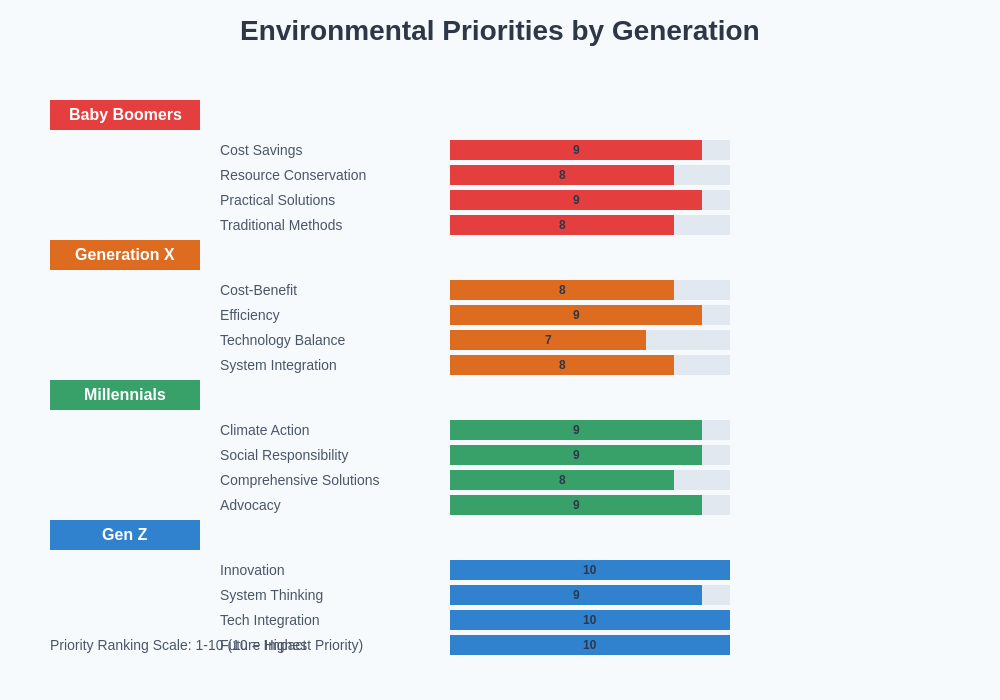
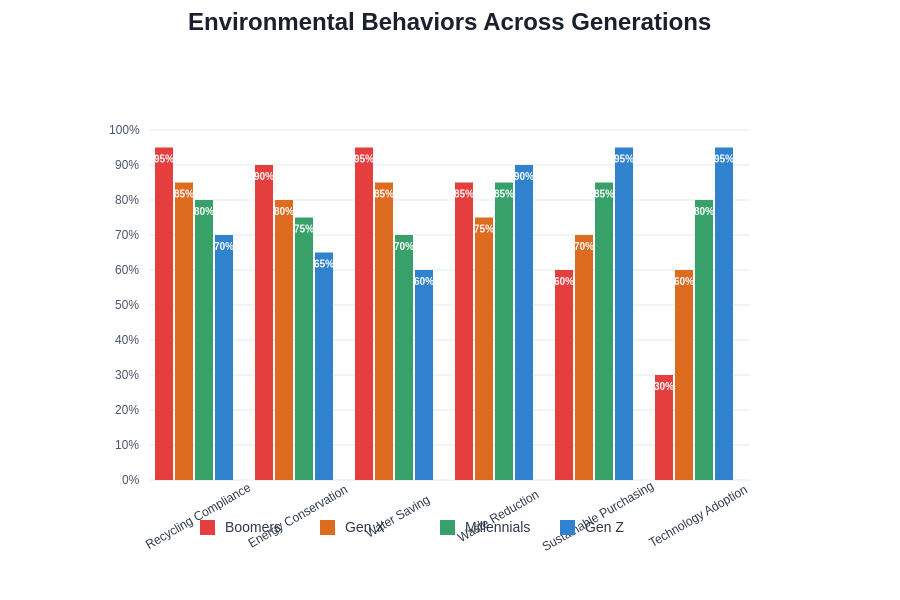
Japanese baby boomers living in sharehouses often approach environmental issues through the lens of practical resource management rather than ideological environmentalism, drawing from experiences of genuine scarcity during the post-war reconstruction period when conservation was essential for survival rather than environmental protection. Their environmental practices typically focus on immediate, tangible benefits such as reduced utility costs and efficient resource utilization that demonstrate clear economic advantages alongside any environmental benefits.
This generation frequently displays superior skills in traditional conservation methods such as water-saving techniques, food preservation without refrigeration, and repair-focused maintenance approaches that extend product lifecycles far beyond what younger residents might consider reasonable. How water usage monitoring creates awareness reveals how baby boomers often serve as informal educators for resource conservation practices that younger residents may never have learned.
However, baby boomers may resist newer environmental technologies or practices that seem unnecessarily complex or costly compared to established methods they trust, sometimes creating tension with younger residents who prioritize cutting-edge environmental solutions over proven traditional approaches. Their skepticism toward environmental trends can be misinterpreted as environmental indifference when it actually represents careful evaluation of practical effectiveness versus perceived environmental fashion.
Generation X and Environmental Adaptation
Generation X residents in Tokyo sharehouses occupy a unique position as environmental bridge-builders who witnessed both the emergence of modern environmental awareness and the technological revolution that enabled new forms of conservation. Why sustainable living practices clash with convenience often reflects Generation X struggles to balance environmental responsibility with busy professional lives that demand efficiency and convenience.
This generation demonstrates particular strength in cost-benefit analysis of environmental initiatives, often becoming the practical evaluators who determine which environmental policies actually deliver measurable results versus those that create burdensome procedures without significant impact. Their approach typically emphasizes systematic implementation of environmental practices that integrate seamlessly with existing routines rather than requiring dramatic lifestyle changes.
Generation X residents frequently serve as mediators between older residents who prefer traditional conservation methods and younger residents who advocate for technological environmental solutions, helping develop compromise approaches that satisfy different generational preferences while achieving environmental objectives. How environmental education differs by country influences how Generation X residents from different cultural backgrounds approach these mediation roles.
Millennials and Environmental Advocacy
Millennial residents typically bring strong environmental advocacy perspectives to sharehouse living, having grown up during the emergence of climate change awareness as a major global issue that shaped their educational experiences and career choices. Why environmental activism isn’t always welcome reflects the challenges millennials face when their environmental enthusiasm encounters practical limitations or resistance from other residents.
This generation often prioritizes comprehensive environmental solutions that address multiple sustainability dimensions simultaneously, sometimes creating ambitious house-wide initiatives that require significant coordination and lifestyle adjustments from all residents. Their environmental approaches frequently emphasize social responsibility and collective action rather than individual conservation efforts, leading to proposals for house-wide composting systems, renewable energy installations, or zero-waste challenges.
Millennials may experience frustration when their environmental initiatives encounter resistance based on cost, convenience, or skepticism from other generations, particularly when they perceive environmental action as urgent moral imperatives rather than optional lifestyle choices. How composting isn’t practical in most sharehouses demonstrates how millennial environmental ideals sometimes clash with practical sharehouse limitations.
Their technology-integrated approach to environmental monitoring and improvement often includes detailed tracking of environmental metrics, collaborative apps for coordinating sustainable practices, and research-based optimization of household environmental impact that may overwhelm residents who prefer simpler conservation approaches.
Generation Z and Environmental Innovation
Generation Z residents represent the most environmentally native generation in sharehouses, having never known a world without climate change awareness and environmental crisis as constant background concerns that influence daily decision-making processes. How carbon footprint awareness affects lifestyle choices demonstrates how this generation automatically integrates environmental considerations into routine decisions that other generations might not even recognize as environmentally relevant.
This generation typically expects environmental features and policies to be standard rather than optional, often expressing surprise or disappointment when sharehouses lack comprehensive sustainability infrastructure such as advanced recycling systems, energy monitoring, or environmentally conscious procurement policies. Their environmental expectations may exceed what older residents consider reasonable or necessary for shared living situations.
Generation Z residents frequently demonstrate sophisticated understanding of environmental interdependencies and system-thinking approaches to sustainability that consider broader environmental impacts beyond immediate household practices. Why environmental policies change frequently often results from Generation Z advocacy for continuously improving environmental standards based on emerging research and evolving best practices.
Their environmental practices often emphasize innovation and experimentation with emerging sustainability technologies, sometimes creating situations where they advocate for unproven environmental solutions that other residents view as risky or unnecessary given existing functional alternatives.
Cultural and Regional Variations
Japanese cultural values regarding environmental responsibility intersect with generational differences in complex ways that affect sharehouse dynamics, particularly regarding concepts of collective responsibility, resource stewardship, and social harmony that may prioritize group consensus over individual environmental preferences. How cultural differences affect environmental practices demonstrates how international residents bring different environmental assumptions that may conflict with Japanese generational environmental approaches.
Regional differences within Japan also influence generational environmental consciousness, with Tokyo residents often displaying different environmental priorities compared to residents from rural areas where traditional conservation practices remain more culturally embedded. Why some areas have poor environmental features reflects how infrastructure limitations in certain Tokyo neighborhoods affect the feasibility of various generational environmental approaches.
International cultural perspectives on environmental responsibility can either amplify or moderate generational differences depending on whether foreign residents’ cultural backgrounds emphasize individual environmental responsibility, collective environmental action, or traditional resource conservation approaches that align with different generational Japanese environmental values.
Economic Factors Influencing Environmental Choices
Generational differences in financial resources and economic priorities significantly impact environmental decision-making in sharehouses, with different age groups facing distinct economic pressures that influence their willingness to invest in environmental improvements or absorb additional costs for sustainable practices. Why some eco-friendly products cost more creates different burden levels across generations with varying earning capacities and financial obligations.
Younger residents often face higher education debt and lower initial earning potential that may limit their ability to financially support expensive environmental initiatives despite strong environmental values, while older residents may have greater financial capacity but different spending priorities that don’t prioritize environmental upgrades over other household improvements.
The cost-benefit analysis of environmental investments varies significantly between generations, with some prioritizing long-term environmental returns while others focus on immediate cost savings or convenience improvements that may deliver environmental benefits as secondary advantages rather than primary objectives.
Technology Integration and Environmental Solutions
Generational comfort levels with environmental technology create distinct patterns in how different age groups prefer to implement and monitor sustainability practices within sharehouse environments. How smart home features change daily routines demonstrates how technological environmental solutions may appeal differently to various generational groups based on their technology adoption preferences and comfort levels.
Older residents may prefer manual environmental monitoring systems and traditional conservation methods that provide direct tactile feedback about resource usage, while younger residents often favor automated systems and digital tracking that provide detailed analytics but require technological engagement that some generations find unnecessarily complex or unreliable.
The integration of environmental monitoring technology often requires generational compromise regarding the level of technological sophistication versus simplicity that balances effective environmental management with accessibility for all residents regardless of their technological comfort levels or preferences.
Communication Patterns and Environmental Advocacy
Different generations employ distinct communication styles when discussing environmental issues in sharehouses, ranging from direct practical discussions focused on immediate benefits to broader advocacy conversations that connect household practices to global environmental concerns. How environmental awareness develops through daily interaction shows how generational communication differences can either facilitate or hinder environmental policy development.
Younger generations may approach environmental discussions with urgency and moral frameworks that emphasize collective responsibility for addressing climate crisis, while older generations might prefer practical discussions focused on specific conservation benefits and cost savings that demonstrate clear advantages without requiring ideological alignment.
These communication differences can create misunderstandings where environmental advocacy is perceived as lecturing or judgment rather than collaborative problem-solving, requiring careful navigation to maintain household harmony while addressing legitimate environmental concerns that affect all residents.
Conflict Resolution and Environmental Compromises
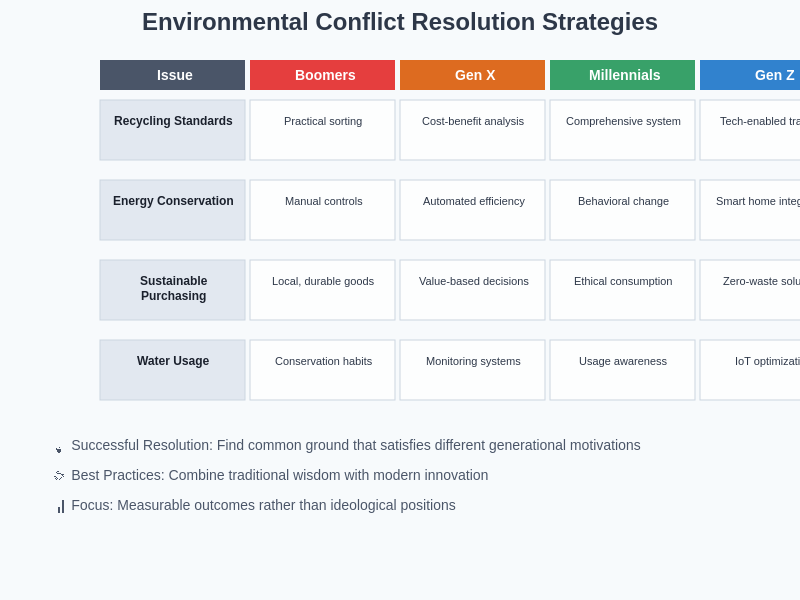
Generational differences in environmental consciousness often require structured compromise approaches that acknowledge different motivational frameworks while achieving practical environmental improvements that satisfy diverse household values. How environmental conflicts get resolved in sharehouses provides strategies for navigating situations where generational environmental differences create household tension.
Successful environmental policy development in multigenerational sharehouses typically requires identifying common ground such as cost savings, improved comfort, or practical convenience that appeals to different generational priorities while delivering environmental benefits that satisfy environmentally conscious residents.
The mediation of environmental conflicts often benefits from focusing on specific, measurable outcomes rather than ideological environmental positions, allowing different generations to support environmental initiatives for their own reasons while contributing to collective environmental improvements.
Future Implications and Generational Evolution
The ongoing evolution of generational environmental consciousness suggests that current patterns may shift as younger generations age and develop different priorities while new generations emerge with even more sophisticated environmental awareness shaped by increasingly urgent climate realities. How environmental consciousness varies by generation will likely continue evolving as global environmental conditions change and new technologies provide different solution options.
Understanding these generational patterns helps predict how sharehouse environmental policies might need to adapt as resident demographics shift and new environmental challenges emerge that require different approaches from various generational perspectives. The successful integration of different generational environmental approaches within sharehouses provides valuable models for broader societal environmental cooperation across age groups.
The development of environmental consciousness within sharehouse communities demonstrates how different generational approaches can complement each other when properly understood and coordinated, creating more comprehensive environmental solutions than any single generational approach might achieve independently.
Building Intergenerational Environmental Cooperation
Creating successful environmental policies in multigenerational sharehouses requires recognizing that different generations bring valuable perspectives and skills that can enhance overall environmental effectiveness when properly coordinated rather than viewed as conflicting approaches. How environmental education creates lasting change shows how intergenerational learning can strengthen environmental practices across all age groups.
The most effective environmental initiatives often combine traditional conservation wisdom from older generations with technological innovations favored by younger residents, creating hybrid approaches that maximize environmental benefits while maintaining practical feasibility and broad resident support.
Future sharehouse environmental success will likely depend on developing frameworks that honor different generational environmental values while channeling diverse motivations toward shared environmental objectives that benefit both individual residents and broader environmental goals.
Disclaimer
This article is for informational purposes only and does not constitute professional advice on environmental policy or generational psychology. The perspectives discussed represent general trends and may not apply to individual residents or specific sharehouse situations. Environmental consciousness varies significantly within generational groups, and successful sharehouse environmental policies should be developed based on the specific needs and values of actual residents rather than generational assumptions alone.