The growing emphasis on environmental sustainability in Tokyo’s sharehouse market has introduced a complex web of costs and fees that many residents discover only after moving in, creating financial surprises that can significantly impact monthly budgets and long-term housing satisfaction. While environmental initiatives represent important steps toward sustainable living, the lack of transparency around associated costs often leaves international residents unprepared for the financial implications of green living in shared accommodation settings.
Understanding the intricate relationship between environmental policies and actual costs becomes crucial for anyone considering sharehouse living in Tokyo, where sustainability measures can range from voluntary participation in recycling programs to mandatory contributions for energy-efficient appliances and green building certifications that directly affect monthly expenses in ways that are rarely explained clearly during the application process.
The Hidden Nature of Green Building Costs
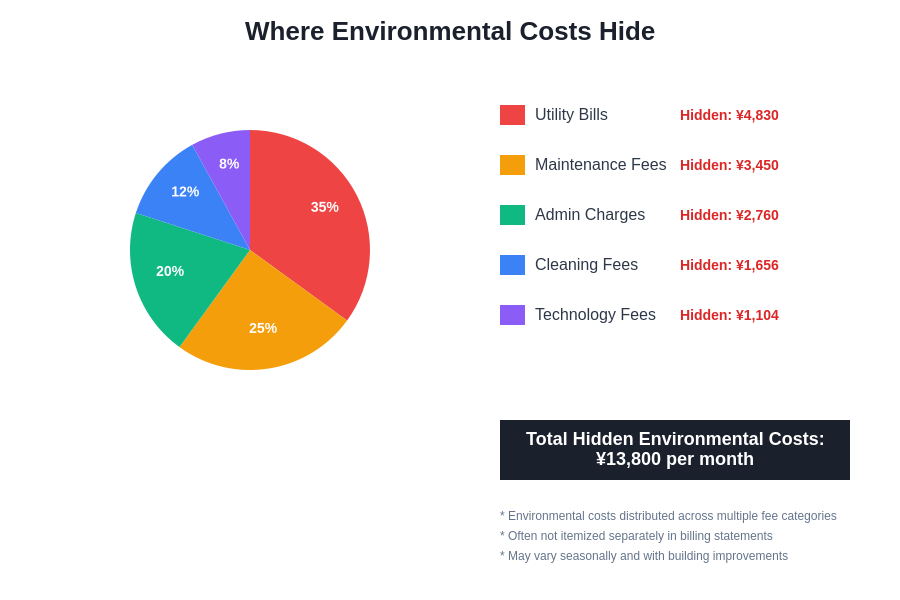
Modern sharehouses in Tokyo increasingly market themselves as environmentally conscious accommodations, featuring energy-efficient appliances, solar panels, advanced insulation systems, and green building certifications that appeal to environmentally aware residents. However, the costs associated with these environmental upgrades are often embedded within rental fees, utility charges, and maintenance expenses in ways that make it difficult for residents to understand exactly what portion of their monthly payments supports environmental initiatives versus basic accommodation services.
Living costs in Tokyo sharehouses explained provides baseline financial expectations, but environmental costs often exist as additional layers that can increase monthly expenses by 10-20% beyond advertised rates. Property management companies frequently bundle these costs into general fees, making it challenging for residents to evaluate whether the environmental benefits justify the additional financial burden or compare true costs between different accommodation options.
The installation and maintenance of green technologies such as solar water heating systems, energy-efficient LED lighting, smart thermostats, and water conservation devices require ongoing investments that property owners must recover through resident fees. These recovery costs are typically distributed across multiple budget categories rather than itemized as environmental expenses, creating opacity around the true financial impact of sustainability initiatives on individual residents.
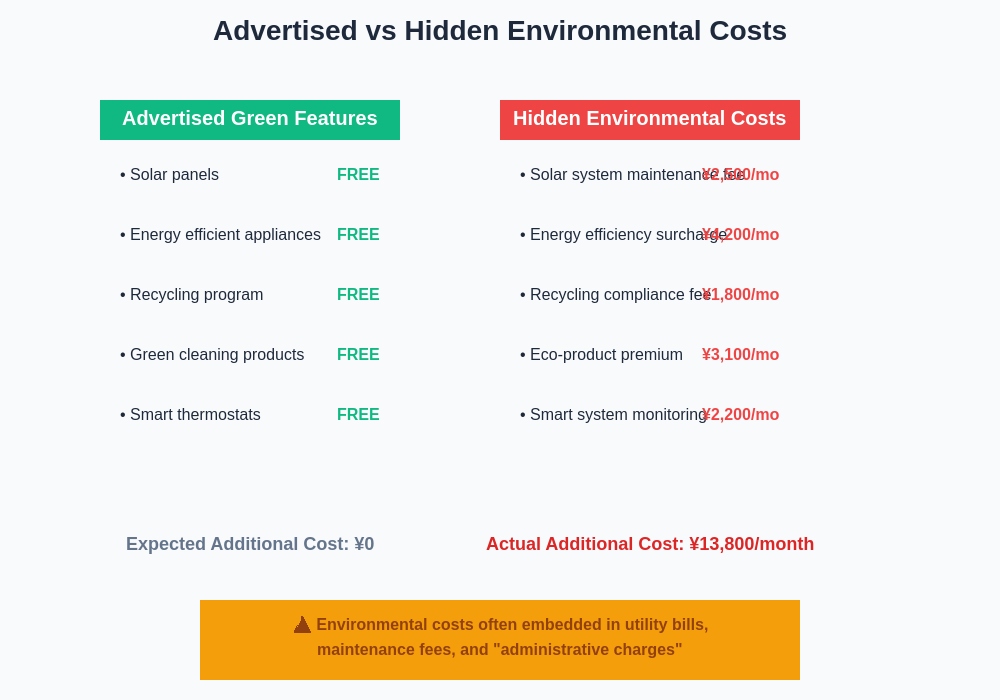
Green building certifications and environmental compliance requirements imposed by Tokyo municipal authorities often necessitate periodic inspections, upgrades, and documentation that generate administrative costs passed along to residents through various fee structures. Understanding utility bills in Japanese sharehouses becomes even more complex when environmental components are factored into billing calculations.
Recycling and Waste Management Fee Structures
Tokyo’s sophisticated waste management system requires detailed sorting, specific disposal schedules, and compliance with municipal recycling regulations that create operational costs for sharehouse management companies. These costs are typically distributed among residents through various mechanisms including cleaning fees, maintenance charges, and utility adjustments that may not clearly indicate their connection to environmental compliance requirements.
The complexity of Tokyo’s recycling system often necessitates additional staff time for education, monitoring, and enforcement of proper waste sorting practices among international residents who may be unfamiliar with local requirements. Japanese sharehouse rules every foreigner should know includes waste management expectations, but the associated costs are rarely transparent in initial pricing discussions.
Specialized waste categories such as electronic equipment, batteries, large items, and hazardous materials require separate disposal arrangements that generate irregular costs throughout the year. These expenses are often absorbed into general house fees rather than charged directly to the residents who generate specific waste types, creating a socialized cost structure that may not reflect individual environmental impact or usage patterns.
Many sharehouses implement waste reduction incentives and penalties that can affect individual monthly expenses in unpredictable ways. Exceeding waste quotas, improper sorting, or failing to participate in recycling programs can result in additional charges that are not always clearly explained during the application process or included in sample budget calculations provided to prospective residents.
Energy Efficiency Initiatives and Cost Distribution
The implementation of energy-saving measures in Tokyo sharehouses often involves significant upfront investments in efficient appliances, insulation improvements, smart home technology, and renewable energy systems that property owners recover through adjusted rental rates and utility fee structures. How much Tokyo sharehouses really cost per month becomes more complex when these environmental investments are factored into total living expenses.
Smart energy management systems that monitor and optimize electricity usage can generate cost savings over time, but the initial investment and ongoing maintenance costs are typically distributed among residents through utility fee adjustments that may not clearly indicate the environmental component versus standard electrical service charges. These systems often require periodic software updates, hardware maintenance, and technical support that generate operational costs affecting monthly bills.
Energy efficiency retrofits and building improvements designed to reduce environmental impact often occur during residency periods, creating temporary cost increases that may be passed along to current residents despite their not having requested or approved these environmental upgrades. Why heating bills create monthly budget chaos becomes even more relevant when energy efficiency improvements affect heating system costs and billing structures.
The installation of renewable energy systems such as solar panels or geothermal heating creates long-term cost benefits that may not be immediately reflected in resident utility bills, while the financing costs for these environmental improvements continue to impact monthly fees throughout the payback period. This temporal mismatch between environmental investment costs and realized savings creates confusion about the true financial impact of green living initiatives.
Water Conservation Programs and Hidden Expenses
Advanced water conservation systems in modern Tokyo sharehouses include low-flow fixtures, greywater recycling systems, rainwater collection, and smart irrigation for common area gardens that require ongoing maintenance and monitoring costs often distributed among residents through utility fee adjustments. These systems can significantly reduce overall water consumption while creating new categories of maintenance expenses that affect monthly budgets in ways that are not always transparent.
Water quality monitoring and filtration systems designed to reduce environmental impact and improve resident health involve regular filter replacements, system maintenance, and periodic testing that generates recurring costs distributed among residents. Water quality varies by building age discusses quality concerns, but the costs associated with environmental water treatment solutions are often embedded within general utility charges.
Greywater recycling and rainwater harvesting systems require specialized maintenance, periodic repairs, and regulatory compliance monitoring that creates irregular expenses throughout the year. These costs are typically absorbed into general maintenance fees rather than itemized as environmental expenses, making it difficult for residents to understand the true financial impact of water conservation initiatives on their monthly budget.
Smart water monitoring systems that track individual usage and identify leaks or inefficiencies can help reduce overall costs while generating new categories of technology maintenance and data management expenses. The cost savings from reduced water consumption may take months or years to materialize while the technology costs affect monthly fees immediately.
Green Cleaning and Maintenance Premium Costs
Environmental commitments in many Tokyo sharehouses include the use of eco-friendly cleaning products, organic pest control methods, and sustainable maintenance practices that often cost significantly more than conventional alternatives. These premium costs for green products and services are typically distributed among residents through cleaning fees and maintenance charges that may not clearly indicate the environmental component versus standard cleaning service costs.
Why cleaning responsibilities create house drama becomes more complex when residents are expected to use specific eco-friendly products that may be more expensive or less readily available than conventional cleaning supplies. The costs associated with sourcing and maintaining inventories of approved green cleaning products often affect monthly fees in ways that are not transparent during initial cost discussions.
Professional cleaning services that specialize in environmental sustainability often charge premium rates for their eco-friendly methods, organic products, and specialized equipment. These costs are typically passed along to residents through cleaning fee adjustments that may not clearly indicate the environmental premium versus standard cleaning service charges.
Organic pest control methods and environmentally safe maintenance practices often require more frequent applications, specialized equipment, and higher labor costs than conventional approaches. Why pest control becomes a shared responsibility includes cost considerations, but environmental pest control premiums are rarely itemized in budget planning discussions.
Carbon Offset Programs and Sustainability Fees
Some progressive sharehouses in Tokyo participate in carbon offset programs, renewable energy certificates, and environmental certification schemes that require ongoing financial contributions distributed among residents through various fee structures. These environmental programs often involve annual costs that are spread across monthly charges in ways that may not be clearly explained to residents during the application process.
Corporate environmental responsibility initiatives undertaken by large sharehouse operators may include donations to environmental organizations, investments in renewable energy projects, and participation in sustainability certification programs that generate costs ultimately passed along to residents through adjusted rental rates and fees. Why some sharehouses charge hidden cleaning fees can extend to environmental program costs embedded within various fee categories.
Carbon footprint monitoring and reporting requirements for green building certifications often necessitate professional assessments, documentation, and ongoing compliance monitoring that generates administrative costs affecting resident fees. These costs are typically distributed across multiple budget categories rather than itemized as environmental expenses, creating opacity around the true cost of sustainability compliance.
Environmental consulting services, sustainability audits, and green building certification maintenance require periodic professional services that generate irregular expenses throughout the year. These costs are often absorbed into general administrative fees rather than charged directly as environmental program costs, making it difficult for residents to understand the financial impact of sustainability initiatives.
Utility Rate Structures and Green Energy Premiums
Tokyo’s electrical utility companies offer various green energy options and renewable electricity programs that often involve premium rates compared to standard electrical service. Sharehouses that participate in these environmental programs may pass along the additional costs through utility fee adjustments that are not always clearly explained as environmental premiums versus standard electricity rate increases.
Why air conditioning bills spike in summer becomes more complex when energy-efficient systems and green energy programs affect both consumption patterns and rate structures. The interaction between environmental programs and seasonal utility costs can create unexpected budget fluctuations that are difficult to predict or plan for effectively.
Time-of-use electricity rates and demand response programs designed to encourage environmental responsibility often create complex billing structures that make it difficult for residents to understand how their usage patterns and environmental choices affect monthly costs. These programs may offer long-term savings while creating short-term budget volatility that affects monthly financial planning.
Smart grid participation and renewable energy integration programs may involve utility rate adjustments, connection fees, and technical requirements that generate costs distributed among sharehouse residents through utility fee modifications. The environmental benefits of these programs may not be immediately apparent while the associated costs affect monthly bills throughout the participation period.
Municipal Environmental Compliance Costs
Tokyo municipal environmental regulations require sharehouses to comply with various sustainability standards, energy efficiency requirements, and environmental reporting obligations that generate ongoing compliance costs. These regulatory compliance expenses are typically distributed among residents through various fee structures that may not clearly indicate their connection to environmental regulation compliance.
Building energy efficiency standards and green building requirements imposed by Tokyo authorities often necessitate periodic inspections, certifications, and compliance documentation that generates administrative costs affecting resident fees. Why some buildings lack environmental features discusses infrastructure limitations, but compliance costs for buildings that do meet environmental standards are rarely transparent.
Environmental impact assessments and sustainability reporting requirements for large sharehouse operators involve professional services, documentation, and regulatory filing fees that are typically absorbed into general administrative costs rather than itemized as environmental compliance expenses. These costs affect monthly fees while remaining largely invisible to residents who may not understand the connection between environmental regulations and their housing costs.
Municipal waste management fee structures and environmental tax obligations for commercial properties often involve complex calculations based on building size, occupancy levels, and waste generation patterns that affect sharehouse operational costs. These municipal environmental costs are typically distributed among residents through various fee adjustments that may not clearly indicate their environmental compliance component.
Technology Infrastructure and Green Building Systems
Modern environmental monitoring systems in Tokyo sharehouses include air quality sensors, energy usage monitors, water consumption tracking, and carbon footprint measurement tools that require ongoing maintenance, data management, and technical support costs. These technology infrastructure expenses are typically distributed among residents through utility and maintenance fee adjustments that may not clearly indicate the environmental monitoring component.
Smart building automation systems designed to optimize environmental performance often involve software licensing fees, periodic updates, technical support contracts, and equipment replacement costs that affect monthly fees throughout the system lifecycle. Why smart home features change daily routines discusses usage implications, but the ongoing costs of environmental automation systems are rarely transparent in budget planning.
Environmental data collection and reporting systems required for sustainability certifications often involve cloud computing costs, data storage fees, and professional analytics services that generate recurring expenses distributed among residents. These information technology costs associated with environmental compliance and monitoring are typically embedded within general administrative fees rather than itemized as environmental program costs.
Integration of renewable energy systems with existing building infrastructure often requires specialized control systems, monitoring equipment, and technical support that generates ongoing operational costs affecting resident fees. The complexity of managing multiple environmental systems creates technical support requirements that may not have been anticipated during initial environmental program planning.
Seasonal Environmental Cost Variations
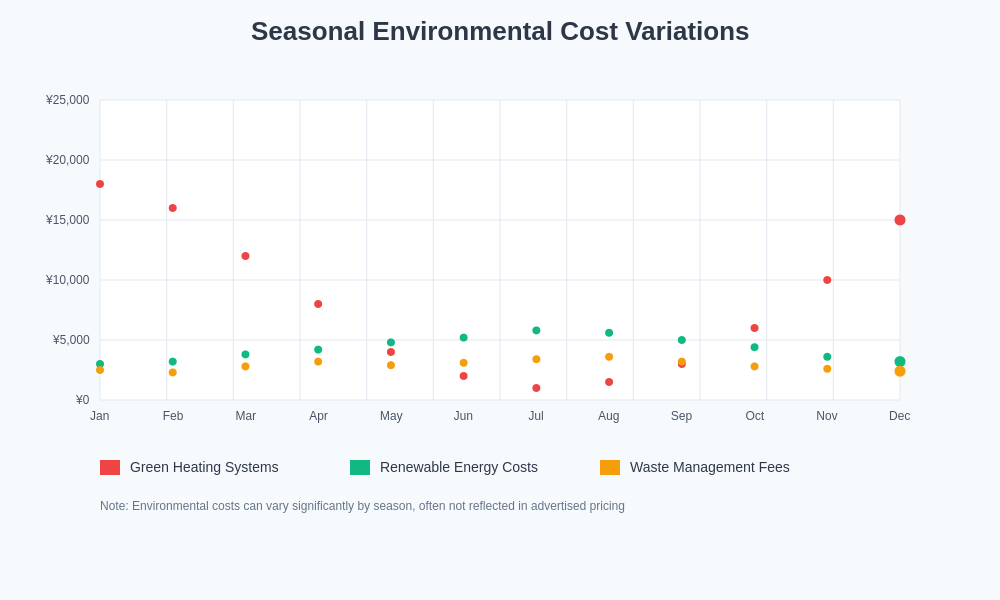
Environmental costs in Tokyo sharehouses often fluctuate significantly throughout the year due to seasonal energy usage patterns, weather-dependent renewable energy production, and variable environmental compliance requirements that create budget unpredictability for residents. Why summer heat makes small rooms unbearable intersects with environmental cooling costs that may not be transparent in annual budget planning.
Seasonal recycling requirements and waste management patterns during holidays and special events can create irregular environmental compliance costs that affect monthly fees in unpredictable ways. The interaction between cultural celebration patterns and environmental waste management creates cost variations that are difficult to anticipate or budget for effectively.
Winter heating costs for environmentally efficient systems may differ significantly from conventional heating expenses due to different fuel sources, efficiency ratings, and operational requirements that affect monthly utility fees. Why heating bills create health vs budget dilemmas becomes more complex when environmental heating systems have different cost structures than conventional alternatives.
Renewable energy production variations throughout the year affect the balance between green energy generation and grid electricity purchases, creating seasonal cost fluctuations that may not be predictable or transparent in monthly budget planning. The interaction between weather patterns and renewable energy costs creates financial variability that affects environmental program costs throughout the year.
Long-term Environmental Investment Recovery
Property owners’ environmental investments in sharehouses often involve long-term payback periods that affect rental rate structures and fee calculations throughout the investment recovery timeline. How to calculate your true living costs becomes more complex when environmental investment recovery costs are embedded within various fee categories rather than clearly itemized.
The financing costs for major environmental upgrades such as solar installations, building insulation improvements, and energy-efficient appliance replacements are typically distributed among residents through adjusted rental rates that may not clearly indicate the environmental component versus standard accommodation costs. These financing costs continue to affect monthly fees throughout the loan repayment period regardless of whether current residents requested or approved the environmental improvements.
Environmental return-on-investment calculations for property owners may involve complex financial models that consider energy savings, tax incentives, regulatory compliance benefits, and property value improvements that affect rental rate decisions in ways that are not transparent to residents. The disconnect between environmental investment costs and realized savings creates confusion about the true financial impact of green living initiatives on monthly housing expenses.
Depreciation schedules for environmental equipment and technology infrastructure affect long-term cost recovery strategies that influence rental rates and fee structures throughout the equipment lifecycle. The timing mismatch between environmental investment costs and equipment replacement needs creates ongoing cost pressures that affect resident fees in ways that may not be clearly explained during lease negotiations.
Understanding the complex landscape of environmental costs in Tokyo sharehouses requires careful attention to fee structures, billing methodologies, and long-term investment recovery strategies that affect monthly expenses beyond basic accommodation and utility charges. The lack of transparency around these environmental costs often results in budget surprises that can significantly impact financial planning for international residents who may not have anticipated the full financial implications of sustainable living in shared accommodation settings.
Disclaimer
This article is for informational purposes only and does not constitute professional financial or legal advice. Environmental costs and fee structures in Tokyo sharehouses vary significantly between properties and operators. Readers should carefully review all contract terms and fee disclosures before making housing decisions. The environmental cost implications mentioned may vary depending on specific property features, management policies, and municipal regulations that change over time.