Environmental education represents one of the most critical educational domains in addressing global climate challenges, yet its implementation and approach vary dramatically across different countries and cultural contexts. The fundamental differences in how nations approach environmental education stem from complex interactions between cultural values, economic priorities, governmental policies, and historical experiences that shape each society’s relationship with the natural world.
Understanding these variations becomes essential for international residents living in sharehouses and other multicultural environments, where different environmental perspectives and practices often intersect in daily life. Living with different environmental consciousness approaches frequently creates learning opportunities and challenges that require cross-cultural sensitivity and adaptation strategies.
Cultural Foundations and Value Systems
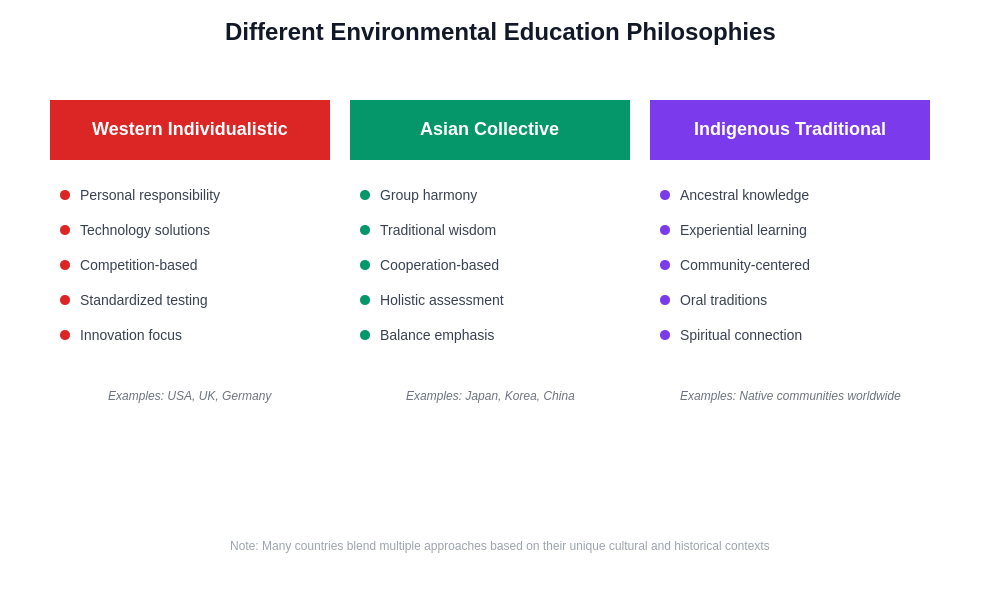
The most fundamental factor influencing environmental education approaches lies in deeply rooted cultural values and worldviews that define each society’s relationship with nature. Western educational systems often emphasize individual responsibility and technological solutions, reflecting broader cultural emphasis on personal agency and innovation-driven problem-solving approaches that characterize individualistic societies.
In contrast, many Asian educational frameworks integrate environmental education within broader concepts of harmony, balance, and collective responsibility that reflect traditional philosophical foundations such as Confucian principles or Buddhist concepts of interconnectedness. Understanding how cultural values affect environmental choices becomes particularly relevant for international students and residents navigating different environmental expectations and practices.
Indigenous educational traditions worldwide often incorporate environmental stewardship as fundamental cultural transmission rather than separate academic subjects, emphasizing experiential learning, oral traditions, and community-based knowledge systems that have sustained environmental relationships for generations. These approaches fundamentally differ from standardized curriculum models prevalent in many modern educational systems.
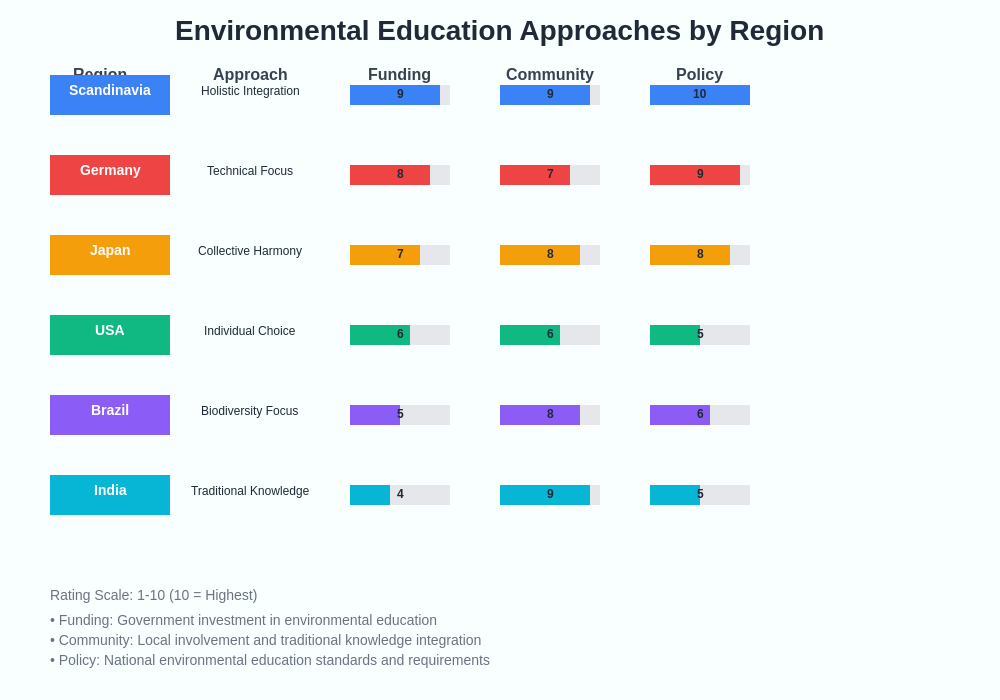
Scandinavian countries exemplify how cultural values emphasizing egalitarianism, long-term thinking, and social responsibility translate into comprehensive environmental education programs that integrate sustainability across all educational levels and subject areas, creating holistic approaches that extend beyond traditional environmental science boundaries.
Government Policy and National Priorities
National educational policies reflect governmental priorities, economic strategies, and political philosophies that significantly influence environmental education implementation, funding, and curriculum development across different educational levels and institutional types. Countries facing immediate economic development pressures often prioritize industrial education and technical skills over environmental awareness, creating educational systems that may inadvertently minimize environmental concerns.
Developed nations with established economies frequently invest more resources in environmental education infrastructure, teacher training, and curriculum development, creating comprehensive programs that integrate environmental awareness across multiple academic disciplines and educational levels. Recognizing how economic priorities influence environmental policies helps explain variation in educational approaches and resource allocation patterns.
Federal versus centralized educational systems create different implementation patterns, with federal systems allowing regional adaptation to local environmental concerns while centralized systems enable consistent national standards but may lack local relevance and community engagement opportunities that enhance learning effectiveness.
International agreements, climate commitments, and environmental treaties influence national educational policies, with signatory countries often developing environmental education initiatives to meet international obligations and demonstrate commitment to global environmental cooperation and sustainable development goals.
Economic Factors and Resource Allocation
Economic development levels dramatically influence environmental education quality, scope, and implementation strategies, with wealthier nations typically providing more comprehensive programs, better training, and superior educational resources compared to developing countries facing basic educational infrastructure challenges and competing priorities.
Industrial economic structures often emphasize technical education and workforce development that may conflict with environmental education goals, creating tension between immediate economic needs and long-term environmental sustainability that affects curriculum development and resource allocation decisions within educational institutions.
Understanding how economic factors affect environmental decision-making reveals why countries with different economic priorities develop varying environmental education approaches that reflect their immediate needs, long-term goals, and available resources for educational development.
Rural versus urban economic conditions create different environmental education needs and opportunities, with rural areas often providing direct environmental experience but lacking educational resources, while urban areas offer educational infrastructure but limited natural environment access for experiential learning opportunities.
Historical Context and Environmental Experiences
Countries with histories of environmental disasters, resource depletion, or ecological challenges often develop more intensive environmental education programs that reflect collective memory and learned experiences about environmental vulnerability and the consequences of inadequate environmental stewardship.
Colonial histories and post-colonial development patterns influence environmental education approaches, with formerly colonized nations sometimes adopting educational models from colonial powers while simultaneously seeking to reclaim indigenous environmental knowledge and traditional ecological practices within modern educational frameworks.
Industrial development timelines affect environmental education priorities, with early industrializers often developing environmental education in response to pollution and degradation consequences, while later developing countries may attempt to integrate environmental awareness during industrialization rather than as remedial response to environmental problems.
Geographic and climatic conditions shape environmental education content and priorities, with island nations emphasizing ocean conservation, arctic countries focusing on climate change impacts, and arid regions prioritizing water conservation and desertification prevention in their educational curricula and program development.
Educational System Structures and Methodologies
Centralized educational systems enable consistent environmental education standards and comprehensive curriculum integration but may lack flexibility to address local environmental concerns and community-specific environmental challenges that require adapted approaches and localized content development.
Decentralized systems allow regional customization and community involvement in environmental education but may create inconsistent quality and coverage that results in educational gaps and uneven environmental awareness development across different regions within the same country.
Examining how different educational approaches affect learning outcomes helps explain why environmental education effectiveness varies between countries with different pedagogical traditions, assessment methods, and educational philosophies that influence student engagement and knowledge retention.
Teacher training systems and professional development opportunities significantly impact environmental education quality, with countries investing in specialized environmental education training typically achieving better outcomes than systems relying on general educators without specific environmental knowledge or pedagogical preparation.
Technology Integration and Digital Approaches
Developed countries with advanced technology infrastructure often integrate digital tools, simulations, and online resources into environmental education, creating immersive learning experiences that compensate for limited direct environmental access in urban educational settings and enhance traditional instructional methods.
Developing countries may rely more heavily on traditional, direct-experience approaches due to limited technology access, potentially creating more authentic environmental connections but limiting access to global environmental information and collaborative learning opportunities with international educational institutions.
Digital divide issues within and between countries create unequal access to environmental education resources, with urban, affluent students often receiving more sophisticated environmental education tools and opportunities compared to rural or economically disadvantaged populations who may lack basic technology access.
Virtual reality, environmental simulation software, and online collaboration platforms are transforming environmental education in technologically advanced countries, while traditional observation, field work, and hands-on activities remain primary methods in areas with limited technological infrastructure but potentially stronger direct environmental connections.
Language and Communication Approaches
Multilingual countries face unique challenges in environmental education delivery, requiring translated materials, culturally appropriate examples, and consideration of how environmental concepts translate across different linguistic and cultural contexts within diverse educational environments.
English-dominant environmental education resources may not adequately address local environmental concerns or cultural perspectives, creating need for locally developed materials that reflect specific regional environmental challenges, traditional ecological knowledge, and culturally relevant environmental practices and solutions.
Scientific terminology translation challenges affect environmental education effectiveness, with some languages lacking precise equivalents for environmental concepts, requiring development of new vocabulary or adaptation of traditional terms to convey modern environmental science concepts and principles.
Indigenous languages often contain sophisticated environmental terminology and concepts that mainstream educational systems may overlook, representing lost opportunities for comprehensive environmental education that integrates traditional ecological knowledge with contemporary environmental science approaches and methodologies.
Assessment and Evaluation Methods
Standardized testing cultures emphasize measurable environmental knowledge rather than behavioral change or practical environmental skills, potentially creating educational approaches that prioritize theoretical understanding over practical environmental stewardship and community engagement activities.
Countries emphasizing holistic education often use project-based assessment, community engagement evaluation, and behavioral observation to assess environmental education effectiveness, creating more comprehensive evaluation systems that measure actual environmental impact and student engagement levels.
Understanding how different assessment methods affect learning outcomes reveals why environmental education effectiveness varies between countries with different evaluation philosophies, testing traditions, and educational accountability systems that influence instructional approaches and student motivation.
Peer evaluation, community feedback, and long-term behavioral tracking provide alternative assessment approaches that some countries use to measure environmental education impact beyond traditional testing methods, creating more comprehensive understanding of educational effectiveness and community environmental awareness development.
Community Engagement and Social Integration
Countries with strong community involvement traditions often integrate environmental education with local environmental projects, community gardens, and civic engagement activities that provide practical experience and strengthen connections between educational institutions and community environmental initiatives.
Urban-rural divide considerations affect community engagement strategies, with rural areas often providing more direct environmental education opportunities but potentially lacking educational resources, while urban areas offer institutional support but require created environmental experiences and simulated learning opportunities.
Exploring how community involvement enhances environmental education demonstrates why countries with different social structures and community engagement traditions achieve varying levels of environmental education effectiveness and student environmental awareness development.
Cultural attitudes toward authority, expertise, and knowledge transmission influence how environmental education integrates community voices, traditional knowledge, and student-centered learning approaches, creating different pedagogical strategies and learning outcomes across various educational contexts and cultural settings.
International Influence and Global Standards
International environmental education frameworks, global curriculum standards, and cross-national educational initiatives influence national environmental education development, but implementation varies significantly based on local adaptation capacity, cultural compatibility, and institutional readiness for international educational cooperation.
Study abroad programs, international student exchanges, and global educational partnerships expose students to different environmental education approaches, creating opportunities for cross-cultural environmental learning and international collaboration on environmental challenges and solutions.
Examining how international experiences affect environmental perspectives reveals why exposure to different environmental education approaches often enhances student understanding of global environmental challenges and increases appreciation for diverse environmental stewardship approaches and cultural practices.
Global environmental challenges require international cooperation and shared educational standards, but effective implementation must balance international consistency with local relevance, cultural appropriateness, and community engagement that reflects specific regional environmental concerns and priorities.
Future Trends and Emerging Approaches
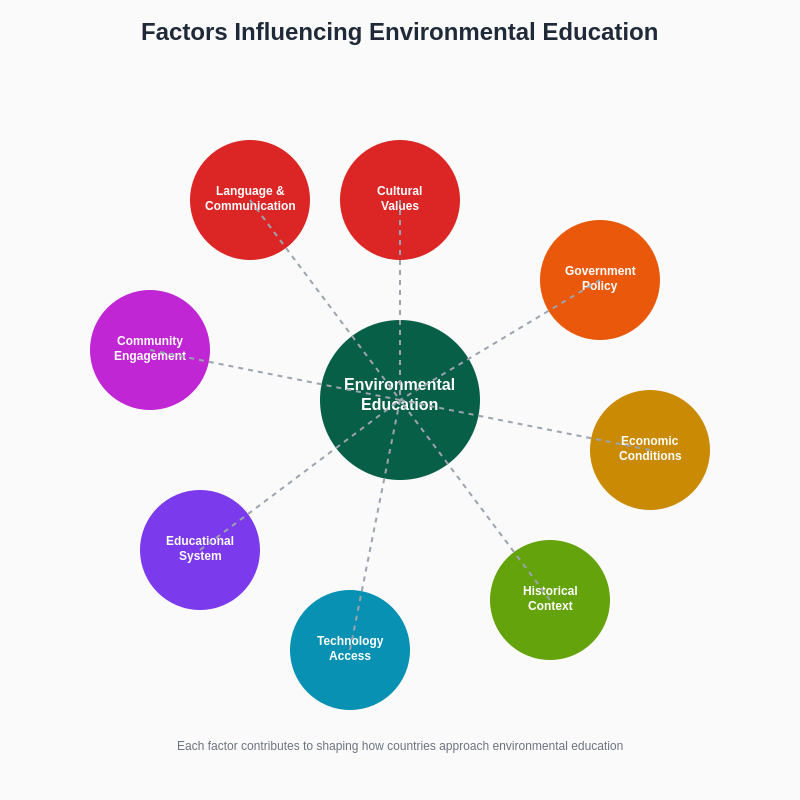
Climate change urgency is driving convergence toward more intensive, interdisciplinary environmental education approaches across different countries, creating pressure for educational systems to develop comprehensive sustainability education that integrates multiple academic subjects and practical skill development.
Technology advancement continues creating new environmental education opportunities while potentially widening gaps between technologically advanced and developing educational systems, requiring international cooperation and resource sharing to ensure equitable access to quality environmental education across different economic and social contexts.
Understanding emerging trends in environmental education suggests future environmental education development will increasingly emphasize global collaboration, cultural exchange, and shared learning experiences that prepare students for international environmental cooperation and cross-cultural environmental stewardship.
Generational change, increasing environmental awareness, and growing global connectivity are creating student populations with higher environmental education expectations and greater international environmental perspective, driving educational systems toward more comprehensive, culturally sensitive, and globally connected environmental education approaches and methodologies.
The complexity of environmental education differences across countries reflects broader patterns of cultural diversity, economic development, and social organization that characterize our interconnected yet diverse global community. For international residents navigating different environmental education approaches and expectations, understanding these variations provides essential context for effective cross-cultural environmental engagement and collaborative environmental stewardship that respects diverse perspectives while working toward shared environmental goals and sustainable future development.
Disclaimer
This article is for informational purposes only and does not constitute professional educational or policy advice. Environmental education approaches and policies are constantly evolving, and specific implementations may vary significantly within countries and regions. Readers should conduct their own research and consult with relevant educational professionals when making decisions about environmental education programs. The effectiveness of different approaches may vary depending on local conditions, cultural contexts, and available resources.