Environmental policies in sharehouse communities undergo constant revision and adaptation, creating a dynamic landscape that reflects both global environmental consciousness and the practical realities of shared living spaces. The frequency of these policy changes stems from multiple interconnected factors that influence how residents interact with their living environment and the broader ecological systems that support urban life in places like Tokyo.
The evolution of environmental policies within sharehouse settings represents a microcosm of larger societal shifts toward sustainable living practices, yet the intimate nature of shared housing creates unique challenges and opportunities that require specialized approaches. Understanding why these policies change so frequently helps residents navigate the expectations and requirements while contributing meaningfully to environmental stewardship within their communities.
Political and Regulatory Drivers of Change
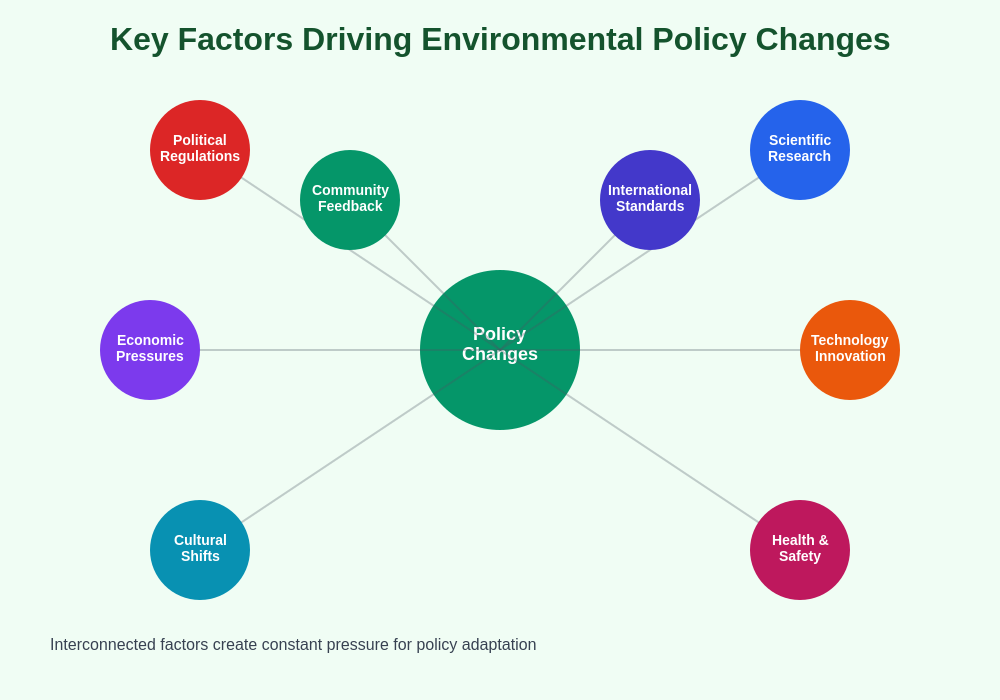
Environmental policy modifications in sharehouse communities often reflect broader political movements and regulatory changes at municipal, national, and international levels. Tokyo’s environmental regulations undergo regular updates as the city works toward ambitious carbon neutrality goals and responds to international climate agreements that influence local implementation strategies.
Why some residents ignore environmental policies demonstrates how political and ideological differences among residents can create implementation challenges that necessitate frequent policy adjustments to maintain community harmony while achieving environmental objectives.
Government incentives for green building practices, waste reduction programs, and energy efficiency improvements create shifting financial landscapes that sharehouse operators must navigate through policy updates. These regulatory changes often require immediate implementation to maintain compliance, leading to seemingly sudden policy modifications that can confuse residents unfamiliar with the underlying legal requirements.
Local ward-specific environmental requirements in Tokyo create additional complexity, as different neighborhoods may have varying recycling protocols, energy usage restrictions, and sustainability mandates that directly impact sharehouse operations and resident responsibilities.
Scientific Understanding and Climate Data Evolution
The rapid pace of climate science research continuously generates new insights into environmental impacts and effective mitigation strategies, creating pressure for policy updates that reflect current best practices. Why environmental consciousness varies by generation illustrates how different age groups respond to evolving scientific understanding with varying levels of acceptance and implementation enthusiasm.
New research on indoor air quality, energy efficiency technologies, and waste reduction methods provides evidence-based justification for policy changes that may seem arbitrary to residents but reflect genuine improvements in environmental protection strategies. The integration of smart home technologies and monitoring systems creates new data streams that inform policy refinements based on actual usage patterns rather than theoretical models.
Climate change impacts become increasingly visible through extreme weather events, seasonal pattern shifts, and resource availability changes that require adaptive policy responses. Sharehouse communities must balance immediate practical needs with long-term sustainability goals, leading to frequent adjustments as conditions change and new solutions become available.
Economic Factors and Cost Considerations
Financial pressures from utility costs, waste management fees, and building maintenance expenses drive many environmental policy changes as sharehouse operators seek to balance affordability with environmental responsibility. Why environmental costs aren’t always transparent explores how hidden expenses related to environmental compliance can necessitate sudden policy modifications when true costs become apparent.
Market fluctuations in recycling commodity prices, energy costs, and green technology availability create economic incentives that influence policy direction and implementation timelines. Sharehouse operators must respond to these market forces while maintaining resident satisfaction and environmental commitments, leading to frequent policy adjustments that optimize cost-effectiveness.
Government subsidies and tax incentives for environmental improvements create temporary opportunities that require rapid policy implementation to capture financial benefits, resulting in seemingly sudden changes that residents may not fully understand without context about the underlying economic drivers.
Technology Integration and Innovation
Rapid technological advancement in environmental monitoring, energy management, and waste processing creates opportunities for policy improvements that enhance both environmental outcomes and resident convenience. Why smart home features change daily routines demonstrates how technological integration can require policy updates to maximize benefits while addressing privacy and usability concerns.
The introduction of new apps, monitoring devices, and automated systems often necessitates policy changes that define appropriate usage, data sharing protocols, and resident responsibilities for maintaining and operating these technologies effectively within the shared living environment.
Technological obsolescence and equipment replacement cycles create periodic policy updates as older systems are phased out and newer, more efficient alternatives are implemented. These transitions require careful change management to ensure resident compliance and system effectiveness during implementation periods.
Cultural Shifts and Social Awareness
Evolving social attitudes toward environmental responsibility, particularly among younger demographics, create pressure for policy updates that reflect changing expectations and values. Why environmental education differs by country highlights how diverse cultural backgrounds among international residents can complicate policy development and require frequent adjustments to accommodate different perspectives.
Social media influence and environmental activism create awareness of new practices and standards that residents may expect their sharehouse communities to adopt, leading to policy changes that respond to social pressure and maintain community satisfaction with environmental performance.
Generational differences in environmental priorities and practical approaches require policy flexibility that can accommodate varying levels of engagement while maintaining overall community environmental goals and standards.
Practical Implementation Challenges
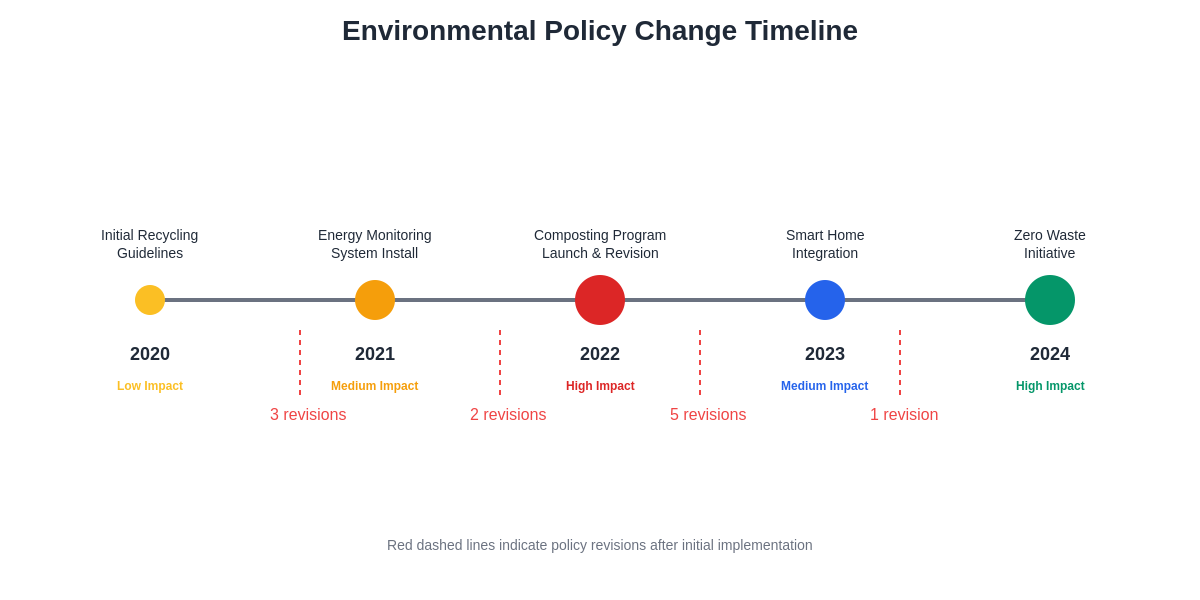
Real-world implementation of environmental policies often reveals unforeseen complications and inefficiencies that require policy modifications to address practical problems while maintaining environmental objectives. Why composting isn’t practical in most sharehouses illustrates how theoretical environmental benefits may not translate effectively into shared living contexts without significant policy adaptations.
Resident turnover and varying levels of environmental knowledge create ongoing education and enforcement challenges that necessitate policy simplification, clarification, or modification to ensure consistent implementation across diverse resident populations with different backgrounds and experiences.
Space limitations, infrastructure constraints, and building design factors often require creative policy solutions that balance environmental goals with practical feasibility, leading to frequent adjustments as communities discover what works effectively in their specific circumstances.
Seasonal and Cyclical Factors
Japan’s distinct seasonal patterns create varying environmental challenges and opportunities that require policy adaptations throughout the year. Why seasonal environmental changes affect routines explores how weather patterns, energy usage fluctuations, and seasonal consumption behaviors necessitate flexible policy frameworks that can adapt to changing conditions.
Heating and cooling season transitions create significant policy adjustment periods as communities optimize energy usage strategies and modify resident responsibilities to maintain comfort while minimizing environmental impact during periods of peak resource consumption.
Holiday seasons and academic calendar changes affect resident populations and consumption patterns, requiring policy modifications that address temporary changes in community dynamics while maintaining consistent environmental standards throughout various occupancy and activity levels.
International Standards and Best Practices
Global environmental standards and international best practices create benchmarks that sharehouse communities may adopt through policy changes, particularly in internationally-focused living environments that serve diverse resident populations. Why international experience enhances environmental awareness demonstrates how exposure to different environmental practices can drive policy improvements and innovations.
Certification programs, sustainability ratings, and environmental performance standards provide frameworks that require periodic policy updates to maintain compliance and competitive positioning within the broader housing market that increasingly values environmental performance.
Cross-cultural exchange of environmental practices among international residents creates learning opportunities that may inspire policy changes as communities discover more effective approaches from different cultural and national contexts.
Health and Safety Considerations
Emerging understanding of connections between environmental quality and human health creates pressure for policy updates that address air quality, water safety, chemical exposure, and other health-related environmental factors. Why air quality concerns affect daily decisions illustrates how health awareness can drive rapid policy changes to protect resident wellbeing.
New health research and safety guidelines may require immediate policy implementation to address potential risks or optimize health outcomes, leading to changes that may seem sudden but reflect genuine concern for resident welfare and legal liability management.
Building health assessments and environmental quality monitoring can reveal issues that require prompt policy responses to maintain safe and healthy living conditions while addressing environmental performance requirements.
Community Dynamics and Resident Feedback
Active resident engagement and feedback create ongoing pressure for policy refinement and improvement based on lived experience and practical insights that may not be apparent during initial policy development. Why some residents become environmental leaders shows how resident initiatives can drive policy evolution and community improvement efforts.
Conflict resolution and community harmony considerations may require policy modifications that balance environmental goals with social cohesion and resident satisfaction, particularly when environmental requirements create friction or inconvenience that affects community relationships.
Democratic decision-making processes and resident input mechanisms create opportunities for policy changes that reflect community priorities and values while maintaining environmental commitments and regulatory compliance requirements.
Measuring and Monitoring Effectiveness
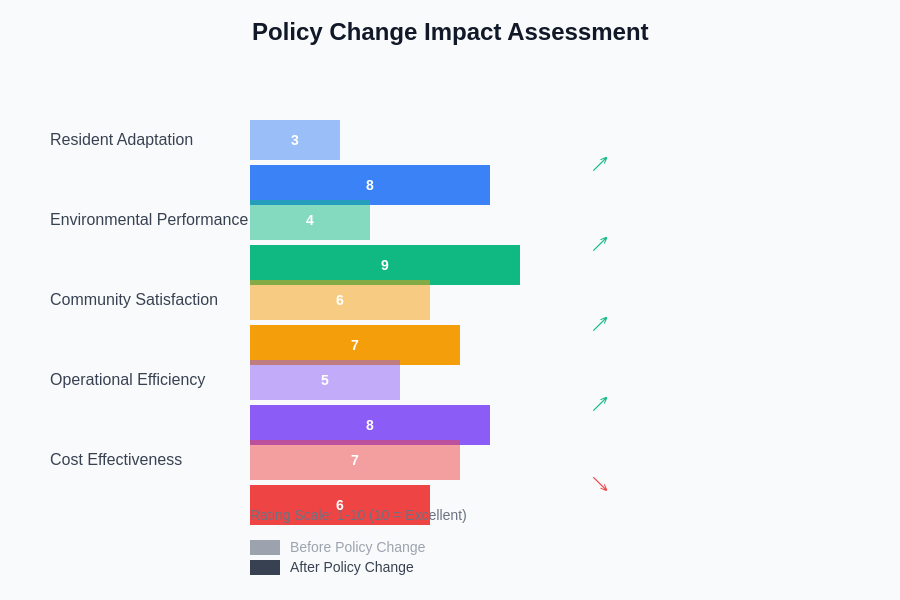
Data collection and performance monitoring reveal policy effectiveness and areas for improvement, creating evidence-based justification for modifications that enhance environmental outcomes. Why environmental monitoring creates awareness demonstrates how measurement systems can drive continuous policy improvement and resident engagement.
Regular assessment of environmental performance metrics, cost-effectiveness analysis, and resident satisfaction surveys provide feedback that informs policy adjustments and helps communities optimize their environmental strategies over time while maintaining practical feasibility.
Benchmark comparisons with other communities and performance standards create competitive pressure for policy improvements that enhance environmental leadership and attract environmentally-conscious residents who value high performance and innovation.
The constant evolution of environmental policies in sharehouse communities reflects the complex interplay of multiple dynamic factors that require adaptive management and continuous improvement. Understanding these drivers helps residents appreciate the necessity of policy changes while contributing constructively to environmental stewardship efforts that benefit both their immediate community and the broader environmental systems that support urban life. Success in navigating frequent policy changes requires flexibility, engagement, and commitment to the shared environmental goals that unite diverse residents in their pursuit of sustainable living practices.
Disclaimer
This article is for informational purposes only and does not constitute professional environmental or legal advice. Environmental policies and regulations are subject to frequent changes based on various factors including government decisions, scientific developments, and community needs. Readers should consult with relevant authorities and professionals when making decisions related to environmental compliance and sustainability practices. The effectiveness of environmental policies may vary depending on specific circumstances, building characteristics, and resident participation levels.