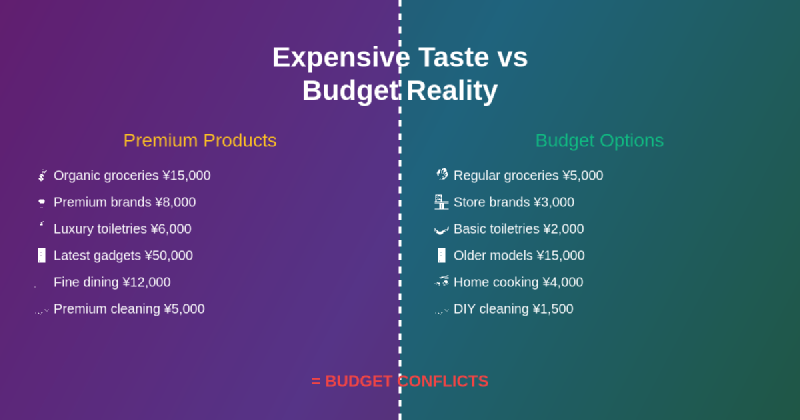
The clash between expensive taste and budget constraints represents one of the most persistent sources of tension in Tokyo’s sharehouse communities, creating complex dynamics that can transform harmonious living situations into stressful environments filled with resentment and financial anxiety. When residents with vastly different spending philosophies and economic capabilities share common spaces and expenses, the resulting conflicts often expose deeper issues about class, privilege, and cultural attitudes toward money that extend far beyond simple budgeting disagreements.
Understanding how expensive taste manifests in shared living environments requires examining not only the direct financial implications but also the psychological and social pressures that emerge when individuals with different economic backgrounds attempt to navigate shared financial responsibilities while maintaining their personal lifestyle preferences and social identities.
The Psychology Behind Premium Preferences
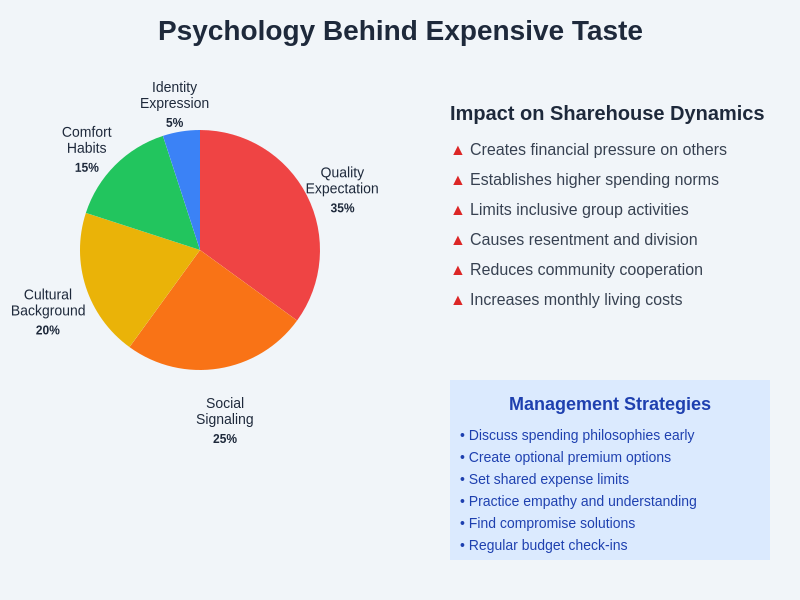
The development of expensive taste often stems from complex psychological factors that extend beyond simple materialism, encompassing identity formation, social signaling, quality appreciation, and learned behaviors that become deeply ingrained in personal value systems. Residents who gravitate toward premium products and services frequently view these choices not as luxuries but as necessary investments in quality, health, or social status that justify their higher cost through perceived long-term benefits or personal satisfaction.
Cultural background significantly influences spending priorities and attitudes toward money, with some residents viewing certain premium purchases as essential expressions of their cultural identity or professional image. Living with Japanese roommates in Tokyo sharehouses often reveals how different cultural approaches to spending and saving can create misunderstandings and tension when residents fail to appreciate the underlying values that drive seemingly extravagant choices.
The psychological comfort derived from familiar brands, higher quality materials, or superior service experiences can make budget alternatives feel like unacceptable compromises for residents who have become accustomed to certain standards. This attachment to premium options often intensifies in foreign environments where familiar comforts become even more psychologically valuable as sources of stability and personal identity maintenance.
Social media influence and peer pressure within international communities can amplify expensive taste by creating environments where lifestyle displays become forms of social competition and identity validation. The pressure to maintain certain appearances or participate in costly activities can drive spending decisions that conflict with practical budget limitations and shared living financial constraints.
Common Areas of Financial Friction
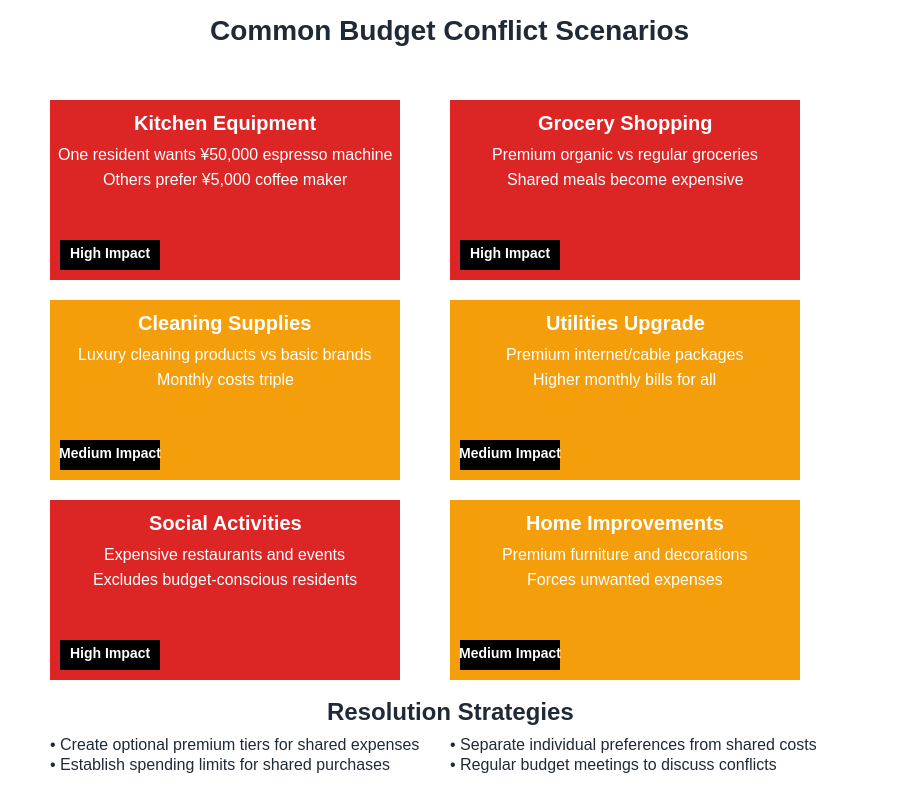
Kitchen and food-related expenses represent the most frequent battleground for budget conflicts in sharehouses, where residents with expensive taste often prefer organic produce, premium brands, imported ingredients, or specialized dietary products that can cost significantly more than standard alternatives. How grocery shopping becomes more strategic illustrates how these preferences can complicate shared meal planning and bulk purchasing arrangements that could otherwise benefit all residents.
The desire for premium kitchen equipment, high-quality cookware, or specialized appliances can create tension when residents expect others to contribute to purchases that exceed most people’s budget expectations or perceived necessity. Conflicts arise when some residents view expensive kitchen upgrades as essential improvements while others consider them unnecessary luxuries that drain shared resources without providing proportional benefits.
Cleaning and maintenance preferences often reveal expensive taste through demands for premium cleaning products, professional services, or higher-quality household items that exceed standard sharehouse budgets. How cleaning responsibilities create house drama demonstrates how these preferences can escalate simple maintenance discussions into complex negotiations about spending priorities and quality standards.
Utility and comfort-related expenses become sources of conflict when residents with expensive taste prefer premium internet plans, higher heating and cooling settings, or additional services that increase shared bills beyond what budget-conscious residents consider reasonable or affordable. The expectation that everyone should contribute equally to enhanced services that primarily benefit those with higher comfort standards creates resentment and financial strain for cost-conscious residents.
Impact on Shared Expenses and Group Purchases
Group purchasing power represents one of the primary advantages of sharehouse living, but expensive taste can undermine these benefits when some residents insist on premium alternatives that eliminate cost savings and force others to either accept higher expenses or opt out of beneficial shared arrangements. How group buying power reduces individual costs shows how these conflicts can destroy community cooperation and financial efficiency.
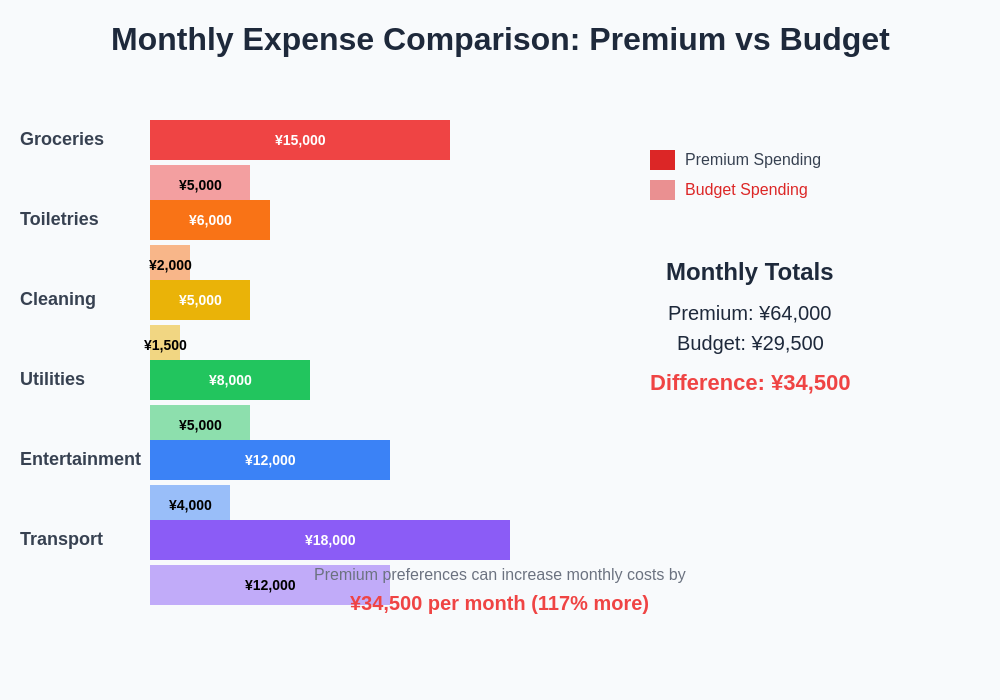
The pressure to upgrade shared items or services to accommodate residents with expensive taste often results in gradual cost increases that can price out budget-conscious residents or create financial stress for those already stretching their resources to afford basic sharehouse living expenses. This dynamic can transform affordable living situations into unexpectedly expensive arrangements that defeat the original purpose of choosing shared accommodation.
Shared entertainment and social activity expenses become contentious when residents with expensive taste prefer costly restaurants, premium entertainment venues, or exclusive activities that exceed the budget capabilities of other residents. Making friends through Tokyo sharehouse communities reveals how these spending disparities can create social divisions and limit inclusive community building opportunities.
The expectation of splitting costs equally for premium shared items or experiences can force residents into financial decisions that conflict with their personal budgets and spending priorities, creating resentment and financial strain that undermines community harmony and individual financial stability.
Cultural and Class Dynamics
Economic privilege often manifests as expensive taste, creating invisible class divisions within sharehouse communities where residents from different socioeconomic backgrounds must navigate shared financial decisions while dealing with vastly different comfort levels regarding money and spending. How cultural differences affect friendship building explores how these economic disparities can create barriers to genuine connection and mutual understanding.
The assumption that everyone shares similar spending capacity or priorities reflects privilege that can be invisible to those who possess it but painfully obvious to those who struggle with tighter budgets and more limited financial flexibility. These dynamics can create environments where budget-conscious residents feel excluded, judged, or pressured to spend beyond their means to maintain social inclusion and community participation.
Cultural attitudes toward debt, saving, and spending priorities vary dramatically between residents from different backgrounds, with some cultures emphasizing frugality and others prioritizing immediate comfort and quality experiences. These differences become amplified in shared living situations where financial decisions require consensus and compromise among residents with conflicting values and priorities.
The social pressure to conform to spending norms established by residents with expensive taste can force others into financial decisions that compromise their long-term financial stability, emergency savings, or other important financial goals in favor of maintaining social harmony and community inclusion.
The Hidden Costs of Premium Preferences
Expensive taste often extends beyond obvious purchases to encompass hidden costs and expectations that gradually increase overall living expenses through numerous small premium choices that accumulate into significant budget impacts. Living costs in Tokyo sharehouses explained demonstrates how these incremental costs can transform affordable living situations into unexpectedly expensive arrangements.
The preference for premium brands, organic options, or specialized products can increase routine shopping expenses by substantial percentages that may seem minor individually but create significant budget pressure when applied consistently across multiple purchase categories. These costs often prove particularly burdensome for international residents already dealing with currency exchange impacts and higher costs of living.
Maintenance and replacement costs for premium items typically exceed those for standard alternatives, creating ongoing financial obligations that can strain shared household budgets and require continuous negotiation about repair versus replacement decisions. The expectation that shared items should maintain premium quality standards can create pressure for costly maintenance or frequent replacements that exceed normal sharehouse budgets.
Service-related expenses often escalate when residents with expensive taste prefer professional cleaning, premium delivery services, or enhanced maintenance options that increase monthly costs beyond what budget-conscious residents consider necessary or affordable for basic comfortable living.
Communication Challenges and Conflict Resolution
Discussing expensive taste and budget conflicts requires sensitive navigation of topics that touch on personal values, economic circumstances, and lifestyle choices that residents may feel defensive about or reluctant to compromise. How to handle roommate conflicts without moving out provides strategies for addressing these sensitive financial discussions constructively.
The tendency for residents with expensive taste to frame premium choices as obvious necessities or reasonable quality standards can create communication barriers with budget-conscious residents who view the same items as unnecessary luxuries or financial burdens. These perception gaps can make productive discussion difficult and resolution elusive.
Budget-conscious residents often struggle to articulate their financial limitations without feeling embarrassed about their economic circumstances or appearing cheap or unreasonable when declining to participate in premium shared expenses. The fear of social judgment or exclusion can prevent honest communication about financial constraints and spending priorities.
The power dynamics that emerge when some residents consistently advocate for expensive options while others consistently object can create patterns of conflict that extend beyond individual purchasing decisions to encompass broader issues of influence, consideration, and community decision-making processes.
Practical Strategies for Budget Harmony
Establishing transparent budget frameworks and spending guidelines early in sharehouse relationships can help prevent conflicts by setting clear expectations about shared expenses and providing structured approaches for handling situations where residents have different spending preferences. How to budget realistically for sharehouse living offers practical approaches for creating sustainable financial arrangements.
Creating tiered systems for shared expenses allows residents to opt into different levels of premium options while maintaining access to basic shared arrangements, ensuring that expensive taste doesn’t force others into financial situations that exceed their comfort levels or budget capabilities. These systems can accommodate diverse preferences while preserving community cooperation and financial accessibility.
Developing compromise strategies that balance quality with affordability can help residents find middle-ground solutions that satisfy basic quality expectations without reaching premium price levels that create financial stress for budget-conscious community members. These approaches often involve researching alternatives that provide better value propositions than either premium or budget extremes.
Regular budget reviews and expense discussions can help identify emerging spending pattern conflicts before they create serious relationship problems, allowing communities to address issues proactively rather than reactively after resentment and financial stress have already damaged relationships and community harmony.
Long-term Relationship Impact
Budget conflicts stemming from expensive taste can create lasting damage to sharehouse relationships by establishing patterns of financial tension, resentment, and social division that extend far beyond individual purchasing decisions. Why some residents always feel like outsiders explores how economic disparities can create ongoing social exclusion and community fragmentation.
The stress of navigating conflicting spending priorities and financial capabilities can undermine the fundamental benefits of sharehouse living by creating environments where residents feel pressured, judged, or financially strained rather than supported and included. These dynamics can transform positive international living experiences into sources of stress and social anxiety.
Trust and cooperation can deteriorate when residents feel that their financial limitations aren’t respected or that they’re being pressured to participate in expenses that exceed their comfort levels. The breakdown of financial cooperation often signals broader relationship problems that can be difficult to repair without addressing underlying attitude and communication issues.
The long-term financial impact of expensive taste conflicts can affect residents’ overall Tokyo living experience, career development opportunities, and financial stability in ways that extend far beyond immediate sharehouse expenses and relationship dynamics.
Building Inclusive Financial Communities
Creating sharehouse communities that accommodate diverse economic backgrounds and spending preferences requires intentional effort to establish inclusive practices that respect different financial capabilities while maintaining community cooperation and shared benefits. Best Tokyo neighborhoods for sharehouse living includes considerations for finding communities that match both financial and lifestyle compatibility requirements.
Education about different cultural attitudes toward money and spending can help residents understand that expensive taste often reflects learned values and preferences rather than deliberate inconsideration or financial irresponsibility. This understanding can facilitate more empathetic and productive discussions about spending conflicts and compromise solutions.
Developing alternative approaches for handling premium preferences can include individual responsibility systems, optional upgrade programs, or separate premium groups that don’t impact basic shared arrangements, ensuring that expensive taste doesn’t undermine fundamental community cooperation and affordability.
The cultivation of community values that emphasize financial inclusivity and respect for diverse economic circumstances can help create environments where all residents feel valued and included regardless of their spending capacity or lifestyle preferences. These values must be actively maintained through ongoing communication and conflict resolution efforts.
The challenge of managing expensive taste within budget-conscious sharehouse communities reflects broader societal issues about economic inequality, consumer culture, and the balance between individual preferences and community cooperation. Success in navigating these conflicts requires combination of clear communication, practical compromise strategies, and mutual respect for different financial circumstances and lifestyle priorities that enable all residents to benefit from shared living arrangements without compromising their financial stability or social inclusion.
Disclaimer
This article is for informational purposes only and does not constitute professional financial advice. Individual financial circumstances and preferences vary significantly, and readers should make spending and budgeting decisions based on their own financial situation and priorities. The strategies mentioned may not be suitable for all sharehouse situations or resident combinations. Conflicts involving money can be complex and may require professional mediation or financial counseling in some cases.