Family sharehouses in Tokyo present a fundamentally different set of challenges and opportunities compared to traditional single-person or couple accommodations, requiring specialized consideration of factors that extend far beyond basic housing needs. The decision to move a family into shared living arrangements involves complex evaluations of child safety, educational accessibility, community dynamics, and long-term stability that significantly impact both immediate daily life and future development trajectories for all family members.
The unique nature of family sharehouse living creates opportunities for rich multicultural experiences and cost-effective accommodation solutions while simultaneously introducing complexities related to privacy needs, noise management, and the delicate balance between community integration and family autonomy. Understanding these distinctive requirements becomes essential for families considering shared living arrangements in Tokyo’s competitive housing market.
Understanding Family-Specific Housing Needs
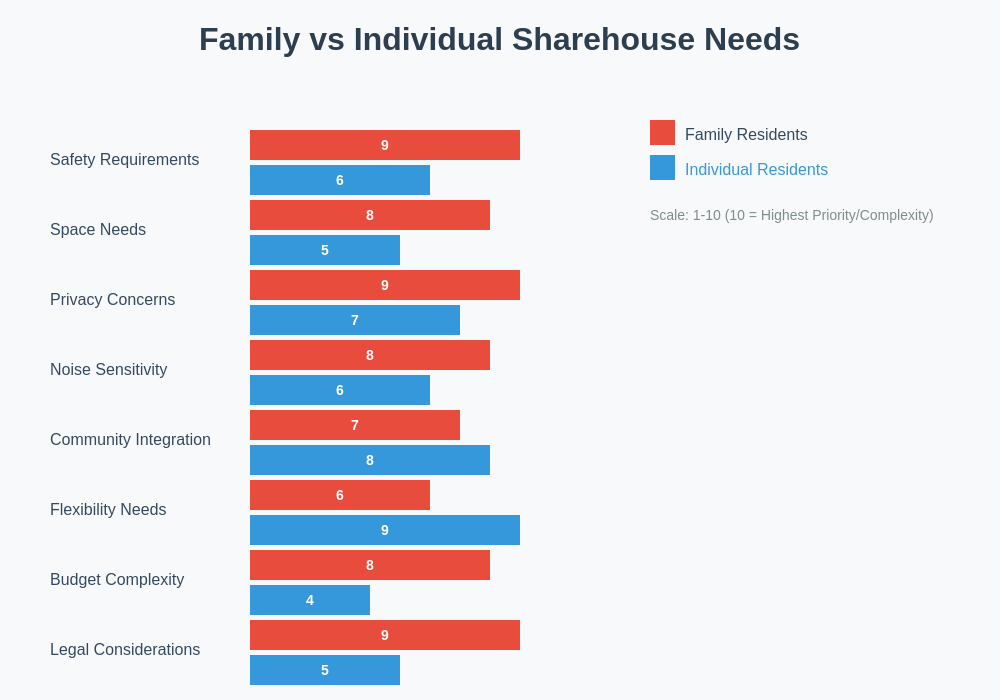
Family sharehouses operate within a completely different framework of requirements compared to individual or couple accommodations, necessitating comprehensive evaluation of space allocation, safety protocols, and community structures that can accommodate the diverse needs of adults and children across different age groups. How to find the perfect sharehouse in Tokyo provides foundational guidance, but families require additional specialized considerations that address the complexities of multi-generational living arrangements.
The spatial requirements for families extend beyond simple bedroom allocation to include adequate storage for children’s belongings, study areas for homework and educational activities, and safe play spaces that allow children to engage in age-appropriate activities without disturbing other residents. Privacy considerations become particularly crucial when families share common areas with other residents who may have different lifestyle patterns, sleep schedules, and tolerance levels for the inevitable noise and activity that accompanies family life.
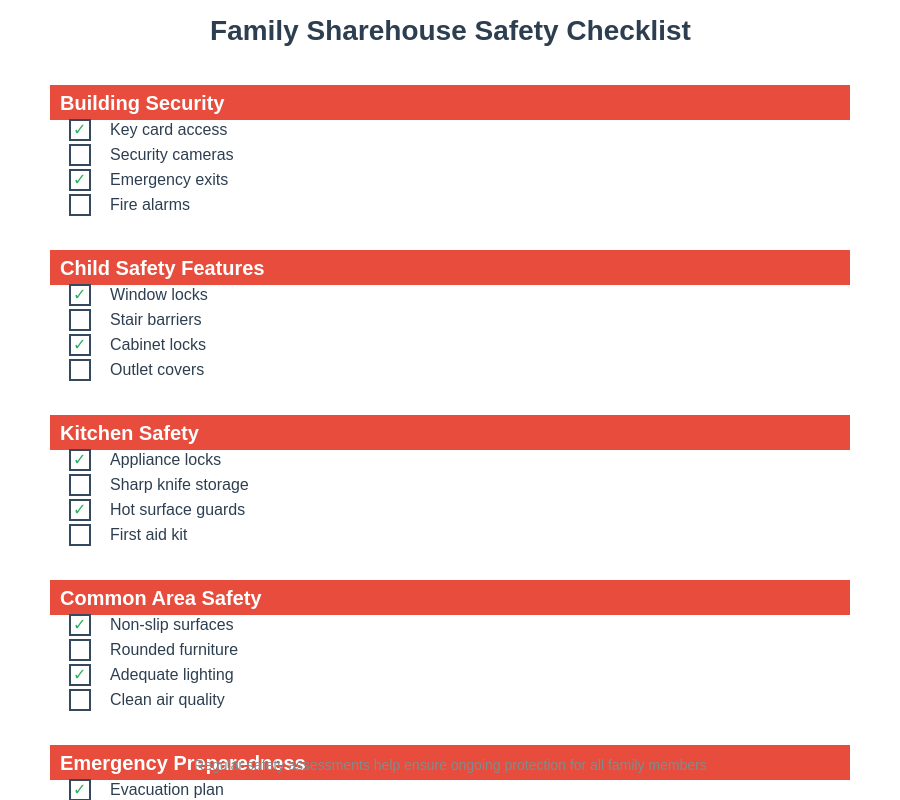
Safety standards in family sharehouses must address both traditional security concerns and child-specific hazards such as stair access, balcony barriers, window locks, and kitchen safety measures that prevent accidents while allowing children reasonable freedom of movement within the shared environment. School proximity affects family sharehouse options becomes a critical factor that influences both daily logistics and long-term educational continuity for children.
The integration of family schedules with sharehouse community rhythms requires careful consideration of meal times, study periods, bedtime routines, and weekend activities that may conflict with the social patterns and lifestyle preferences of other residents who chose sharehouse living for different reasons and with different expectations about community interaction levels.
Evaluating Child Safety and Security Measures
Comprehensive safety evaluation for family sharehouses encompasses both immediate physical safety measures and long-term security considerations that protect children while maintaining the open, community-oriented atmosphere that defines successful shared living environments. How security cameras affect privacy expectations becomes particularly relevant for families who must balance community safety with children’s privacy rights and normal developmental needs.
Building security systems must accommodate family schedules that often involve early morning departures for school and late afternoon returns that may not align with typical adult-oriented sharehouse access patterns. Key management systems, visitor policies, and emergency access procedures require modification to account for children who may need independent building access while maintaining appropriate supervision and security protocols.
Kitchen safety represents a particularly complex area where families must evaluate appliance safety features, storage accessibility, and cooking schedule coordination that allows family meal preparation while respecting shared kitchen usage agreements with other residents. Kitchen cleaning schedules break down highlights common challenges that become exponentially more complex when children are involved in daily kitchen activities.
Emergency evacuation procedures, first aid accessibility, and communication systems must account for children’s ages, language comprehension levels, and ability to respond appropriately during crisis situations. Emergency evacuation plans are often unclear becomes a critical concern for families who need clear, child-appropriate safety protocols that ensure all family members can respond effectively during emergencies.
Navigating Educational Access and School Districts
Educational considerations for family sharehouses extend far beyond simple geographical proximity to schools, encompassing complex evaluations of school district quality, international education options, transportation accessibility, and the stability required for children’s academic and social development throughout their educational journey. Student sharehouses near top Tokyo universities focuses on higher education proximity, but families with younger children face different challenges related to elementary and secondary education access.
International families often require access to bilingual or international schools that can accommodate children’s existing educational backgrounds while preparing them for potential future relocations or return to home countries. The geographic distribution of these specialized educational institutions significantly limits family sharehouse options and often requires acceptance of longer commute times or higher transportation costs that impact overall living budgets.
Japanese public school integration requires consideration of language support services, cultural adaptation programs, and the social challenges that children face when entering educational systems with different cultural norms, academic expectations, and peer interaction patterns. Cultural differences affect friendship building applies equally to children who must navigate complex social dynamics while adapting to new educational environments.
After-school care options, extracurricular activity accessibility, and homework support systems become crucial considerations that affect both children’s academic success and parents’ work schedule flexibility. The availability of these support systems varies significantly across Tokyo neighborhoods and can dramatically influence family sharehouse location decisions.
Managing Noise and Privacy in Shared Environments
Family living in sharehouses requires sophisticated noise management strategies that balance children’s natural activity levels with the comfort and privacy expectations of other residents who may be working, studying, or maintaining different lifestyle patterns within the same shared environment. Noise complaints happen even in quiet sharehouses becomes particularly relevant for families who must establish routines that respect community harmony while allowing children normal developmental activities.
Children’s sleep schedules, play activities, and social interactions create noise patterns that differ significantly from adult-only households, requiring proactive communication with other residents and establishment of clear guidelines about acceptable activity levels during different times of day. Early morning school preparation routines, afternoon homework sessions, and bedtime procedures must be coordinated with other residents’ schedules to minimize conflicts and maintain positive community relationships.
Privacy needs for families extend beyond personal space to include confidential conversations about family matters, disciplinary discussions, and emotional support that children require during adjustment periods or challenging life situations. Personal space boundaries are constantly tested becomes more complex when family privacy needs intersect with community living expectations and shared space usage patterns.
The establishment of family-only time and space within shared environments requires creative solutions that provide necessary privacy without creating social barriers or appearing unwelcoming to other residents who contribute to the community atmosphere that makes sharehouse living attractive and affordable for families.
Assessing Community Dynamics and Child Integration
Successful family integration into sharehouse communities depends heavily on the compatibility between family values, child-rearing philosophies, and the social dynamics established by other residents who may have different perspectives on appropriate child behavior, family responsibilities, and community participation expectations. Making friends through Tokyo sharehouse communities takes on additional complexity when children are involved in relationship building and social integration processes.
Age-appropriate activities and social opportunities for children within sharehouse communities require evaluation of both formal programming and informal social structures that can provide positive peer interactions and adult mentorship opportunities. The presence of other families, international residents with children, or residents who are comfortable with family environments significantly influences the success of community integration efforts.
Cultural exchange opportunities through family sharehouse living can provide extraordinary learning experiences for children who gain exposure to diverse languages, customs, and worldviews through daily interactions with international residents. Cultural sensitivity develops through daily interaction becomes particularly valuable for children who develop global perspectives and cross-cultural communication skills through sustained community relationships.
Conflict resolution strategies must account for situations involving children, whether as participants in disagreements or as observers of adult conflicts that affect overall community harmony. How to handle roommate conflicts without moving out requires modification for family contexts where children’s emotional well-being and sense of security depend on maintaining stable, positive relationships within the shared living environment.
Financial Planning for Family Sharehouse Living
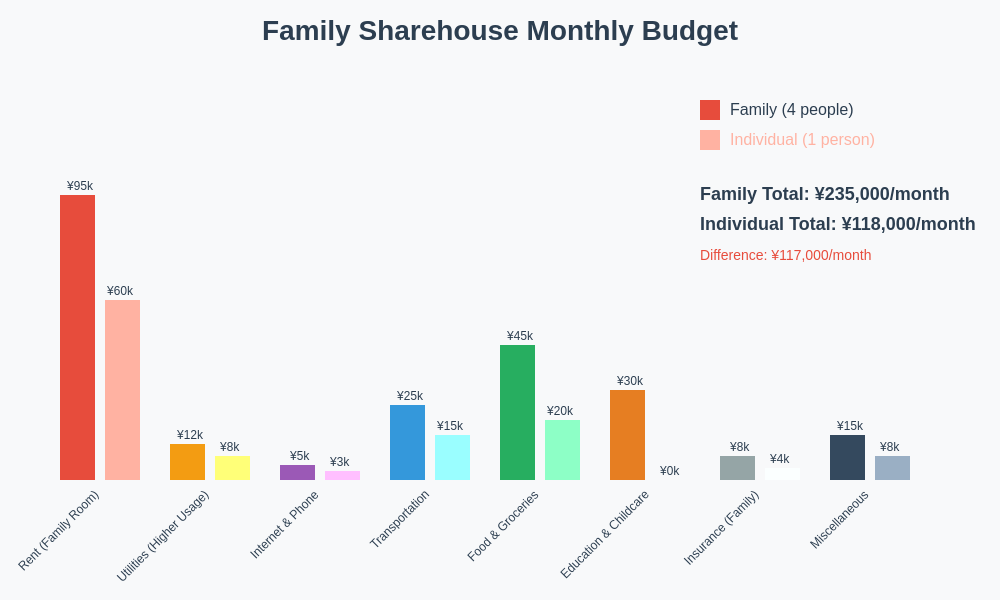
Family budgeting for sharehouse living involves significantly more complex financial considerations than individual accommodation planning, requiring evaluation of space premiums, child-related fees, educational costs, and the long-term financial implications of shared living arrangements that must accommodate growing children’s changing needs over time. Living costs in Tokyo sharehouses explained provides basic framework, but families face additional expenses and considerations that affect overall affordability calculations.
Space allocation costs for families typically involve premium pricing for larger rooms or multiple room arrangements that provide adequate privacy and storage for family belongings while maintaining access to shared common areas and facilities. The cost-benefit analysis of family sharehouse living must account for savings on utilities, internet, and common area maintenance balanced against potential premiums for family-appropriate accommodations.
Child-related expenses within sharehouse environments include considerations for additional cleaning fees, damage deposits that account for wear and tear from children’s activities, and potential restrictions on modifications that families might need to make living spaces more child-friendly and functional for family life. What security deposits actually cover in sharehouses becomes particularly important for families who may face different liability expectations and coverage limitations.
Educational transportation costs, after-school program fees, and child care expenses must be factored into overall housing budgets, as family sharehouse locations may require compromises between housing affordability and educational accessibility that result in higher secondary costs for maintaining quality educational opportunities for children.
Long-term Stability and Growth Considerations
Family sharehouse living requires evaluation of long-term stability factors that accommodate children’s developmental needs, educational continuity, and social relationship building that spans multiple years rather than the shorter-term arrangements that characterize many adult-only sharehouse experiences. Career changes affect sharehouse eligibility becomes particularly relevant for families whose housing stability directly impacts children’s educational and social development trajectories.
Growth accommodation planning must address how family space needs will evolve as children age, develop new interests, require different privacy levels, and potentially outgrow shared living arrangements that were appropriate for younger ages. The flexibility of sharehouse arrangements to accommodate these changing needs significantly influences the viability of long-term family commitment to shared living environments.
Educational transition planning requires consideration of how sharehouse location decisions affect children’s ability to maintain educational continuity through different school levels, access advanced educational opportunities, and build long-term social relationships that support healthy development and cultural integration. Academic pressure varies by nationality highlights cultural differences that families must navigate while maintaining supportive educational environments for their children.
Community relationship sustainability becomes crucial for families who depend on stable, supportive social networks that can provide emergency assistance, cultural guidance, and social enrichment opportunities that benefit both parents and children throughout extended residence periods. The ability to maintain positive relationships with changing resident populations requires ongoing investment in community building and conflict resolution that extends beyond individual family needs.
Legal and Contractual Considerations for Families
Family sharehouse contracts involve additional legal complexities related to child safety requirements, liability coverage, and tenancy rights that extend beyond standard adult accommodation agreements. Contract terms are more important than advertised prices becomes particularly crucial for families who must ensure legal protections for all family members while understanding their obligations and liabilities within shared living arrangements.
Child safety compliance requirements may involve building code adherence, insurance coverage specifications, and emergency protocol documentation that ensures family sharehouses meet legal standards for child-appropriate accommodation. Understanding these requirements helps families evaluate whether potential sharehouses have adequate legal protections and safety measures in place.
Liability considerations for families extend to situations involving children’s activities, potential property damage, and interactions with other residents that could result in disputes or insurance claims. Clear understanding of coverage limitations and family responsibilities helps prevent financial surprises and legal complications during residency periods.
Lease termination and relocation procedures must account for family-specific needs such as school calendar timing, academic year considerations, and the additional complexity of moving with children who require stability and advance preparation for major life changes. What moving out really costs in Tokyo sharehouses involves additional considerations for families who face higher moving costs and more complex logistics when relocating with children and family belongings.
The unique challenges and opportunities of family sharehouse living in Tokyo require comprehensive planning, realistic expectations, and commitment to community integration that benefits all residents while prioritizing children’s safety, education, and healthy development. Success in family sharehouse arrangements depends on thorough evaluation of specialized requirements, proactive communication with community members, and flexibility to adapt as family needs evolve within the dynamic context of shared living environments.
Disclaimer
This article is for informational purposes only and does not constitute professional legal, educational, or family planning advice. Family housing decisions involve complex personal, financial, and legal considerations that vary by individual circumstances. Readers should conduct thorough research, consult with relevant professionals, and carefully evaluate their specific family needs when considering sharehouse living arrangements. Child safety and educational requirements may be subject to local regulations and individual family values that require personalized assessment.