Living in a Tokyo sharehouse fundamentally transforms your relationship with emergency preparedness and medical response capabilities, elevating first aid knowledge from a helpful skill to an essential life competency that can mean the difference between minor incidents and tragic outcomes. The unique dynamics of shared living environments, combined with the challenges of navigating Japan’s healthcare system as an international resident, create situations where your ability to respond appropriately to medical emergencies becomes not just personally valuable but potentially life-saving for your entire community.
The concentrated living arrangements typical of Tokyo sharehouses mean that medical emergencies, when they occur, affect not just the individual experiencing the crisis but the entire household community. Understanding how to respond effectively to these situations while navigating cultural differences, language barriers, and unfamiliar emergency services creates a complex web of challenges that proper first aid training can help address comprehensively.
The Reality of Emergency Response in Shared Living
The statistical likelihood of encountering medical emergencies increases significantly when multiple individuals share living spaces for extended periods, particularly in high-stress urban environments like Tokyo where lifestyle factors, work pressures, and environmental conditions can contribute to various health incidents. Understanding why emergency medical situations are handled differently in sharehouses reveals the unique challenges that arise when traditional emergency response protocols must adapt to shared living dynamics.
Tokyo’s emergency services, while highly efficient, operate within systems designed primarily for Japanese speakers and residents familiar with local protocols, creating potential delays and communication barriers during critical moments when every second matters. First aid knowledge provides crucial bridge capabilities that can stabilize situations until professional medical help arrives, often making the difference between recoverable incidents and permanent consequences.
The interconnected nature of sharehouse living means that one person’s medical emergency can rapidly become a community crisis if not handled appropriately, affecting work schedules, academic commitments, and the psychological well-being of all residents. How medical emergencies expose system weaknesses in shared housing demonstrates how inadequate preparation can cascade into multiple problems affecting everyone in the household.
Common Medical Scenarios in Sharehouse Environments
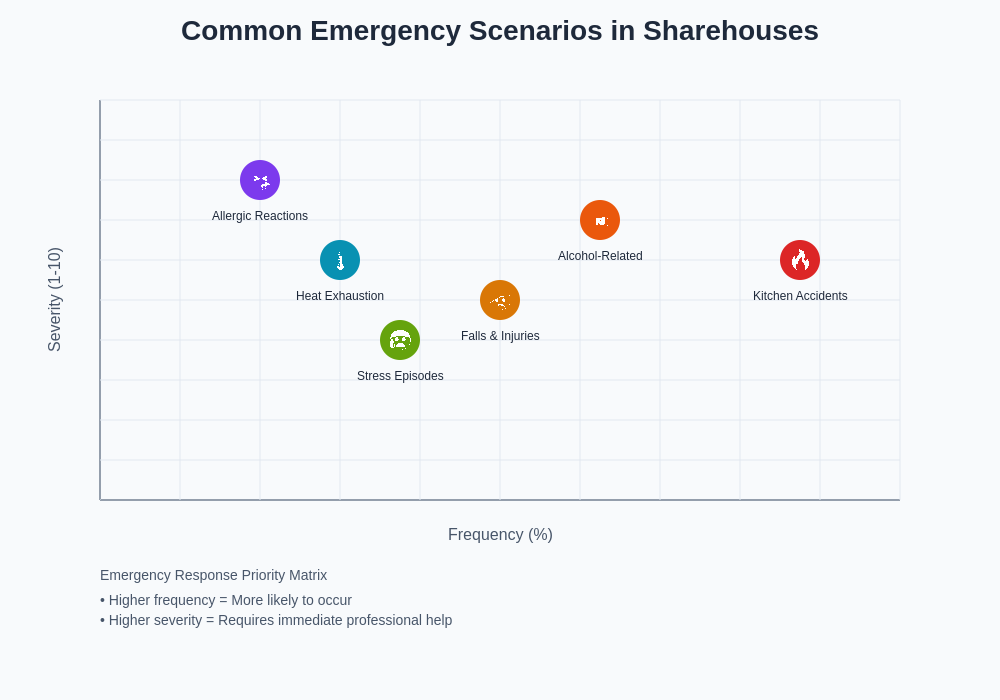
The types of medical emergencies most frequently encountered in Tokyo sharehouses reflect the unique combination of lifestyle factors, cultural stresses, and environmental conditions that characterize international resident experiences. Alcohol-related incidents often top the list of emergency situations, particularly during social gatherings and cultural festivals when consumption patterns may exceed individual tolerance levels or interact dangerously with medications or underlying health conditions.
Kitchen accidents represent another significant category of potential emergencies, ranging from minor cuts and burns during meal preparation to more serious incidents involving hot oil, boiling water, or electrical appliances in crowded cooking spaces where multiple residents may be preparing meals simultaneously. Kitchen fire safety protocols that become critical in shared spaces outlines how proper preparation and response training can prevent minor cooking incidents from escalating into serious injuries or property damage.
Stress-related medical episodes, including panic attacks, fainting spells, and exhaustion-induced collapses, occur with surprising frequency among international residents dealing with work pressures, academic demands, and cultural adaptation challenges simultaneously. The ability to recognize and respond appropriately to these conditions can prevent secondary injuries and provide essential emotional support during vulnerable moments.
Falls and injury incidents in cramped living spaces, bathroom accidents involving slippery surfaces, and seasonal health issues such as heat exhaustion during Tokyo’s intense summers or hypothermia risks during winter months all represent realistic scenarios where first aid knowledge can mean the difference between quick recovery and serious complications requiring extensive medical intervention.
Language Barriers and Communication Challenges
Effective emergency response in Tokyo requires navigating complex communication challenges that extend far beyond basic language barriers to include cultural differences in expressing pain, describing symptoms, and understanding medical terminology that may not translate directly between languages. How language barriers complicate legal documents and emergency situations explores the additional complications that arise when medical emergencies intersect with documentation requirements and insurance procedures.
First aid training provides standardized assessment techniques and response protocols that transcend language limitations, enabling effective evaluation and treatment of medical conditions even when verbal communication proves difficult or impossible. Understanding how to assess consciousness levels, breathing patterns, circulation indicators, and injury severity through observation and physical examination becomes essential when traditional questioning methods fail.
The psychological impact of medical emergencies can be particularly severe when language barriers prevent clear communication about what is happening, what treatment is being provided, and what outcomes can be expected. First aid knowledge includes communication strategies and reassurance techniques that help maintain calm and cooperation during stressful situations regardless of language proficiency levels.
Emergency service communication requires specific protocols and information delivery that differs significantly from casual conversation, demanding precise descriptions of symptoms, locations, and circumstances that can be challenging even for fluent speakers during high-stress situations. Proper first aid training includes emergency communication techniques and essential vocabulary that enables effective interaction with Japanese emergency services regardless of overall language ability.
Building Community Trust and Responsibility
First aid competency serves as a foundation for building trust and mutual responsibility within sharehouse communities, creating an environment where residents feel safer and more confident in their daily activities knowing that their housemates possess the skills necessary to respond effectively to emergency situations. How emergency contact systems work in practice among residents demonstrates how formal and informal support networks develop around shared safety knowledge and emergency preparedness.
The presence of first aid-trained residents often encourages others to pursue similar training, creating a positive feedback loop that enhances overall community safety and preparedness levels while fostering connections between residents who share common concerns about health and safety in their living environment. This collective approach to emergency preparedness strengthens social bonds and creates shared responsibility frameworks that extend beyond medical emergencies to encompass general safety awareness and risk mitigation strategies.
Trust building through demonstrated competency in emergency response creates stronger, more cohesive communities where residents feel comfortable discussing health concerns, seeking advice about medical issues, and supporting each other through both emergency situations and ongoing health challenges that are common among international residents adapting to new environments.
The leadership opportunities that naturally emerge from first aid competency help establish informal hierarchies and support structures within sharehouse communities, providing frameworks for decision-making and responsibility distribution that benefit the entire household during both emergency and non-emergency situations.
Legal and Insurance Implications
Understanding the legal framework surrounding emergency response and first aid intervention in Japan becomes crucial for international residents who may be unfamiliar with liability issues, consent requirements, and documentation obligations that apply to medical emergency situations. How insurance claims become complicated in shared living situations reveals the complex intersection between emergency response actions and subsequent insurance and legal procedures.
Proper first aid training includes education about appropriate scope of intervention, consent procedures, and documentation requirements that protect both the person providing aid and the person receiving assistance from potential legal complications that could arise from well-intentioned but improperly executed emergency response efforts. Understanding these boundaries helps ensure that first aid interventions remain within legally appropriate limits while maximizing their effectiveness.
The insurance implications of medical emergencies in sharehouses can be significant, particularly when multiple residents are involved or when property damage occurs alongside personal injury. First aid knowledge includes understanding how to document incidents appropriately, preserve evidence when necessary, and coordinate with insurance providers and medical professionals to ensure that all relevant information is properly recorded and communicated.
International residents may face additional legal complexities related to visa status, employment authorization, and healthcare coverage that can complicate emergency response situations and subsequent recovery processes. First aid training that includes awareness of these issues helps ensure that emergency interventions consider all relevant factors and avoid actions that could create additional problems for the individuals involved.
Psychological Benefits and Stress Reduction
The confidence that comes from possessing first aid skills significantly reduces anxiety levels and stress responses associated with living in unfamiliar environments where medical emergencies might occur without access to familiar support systems or healthcare providers. How stress management techniques become necessary in shared environments explores the broader mental health benefits that result from increased preparedness and competency in emergency situations.
First aid knowledge provides psychological security that extends beyond actual emergency situations to encompass general confidence in one’s ability to handle unexpected challenges and support others during difficult times. This enhanced sense of personal capability contributes to overall mental health and well-being while reducing the background anxiety that many international residents experience when living far from familiar support networks.
The social connections and mutual support that develop around shared safety knowledge create emotional support networks that benefit mental health and community cohesion even when medical emergencies never occur. The process of learning and practicing first aid skills together builds relationships and creates shared experiences that strengthen community bonds and provide ongoing psychological benefits.
Understanding how to respond appropriately to mental health emergencies, including panic attacks, severe anxiety episodes, and other psychological crises, becomes particularly important in sharehouse environments where residents may be dealing with significant life changes, cultural adaptation stress, and social isolation simultaneously.
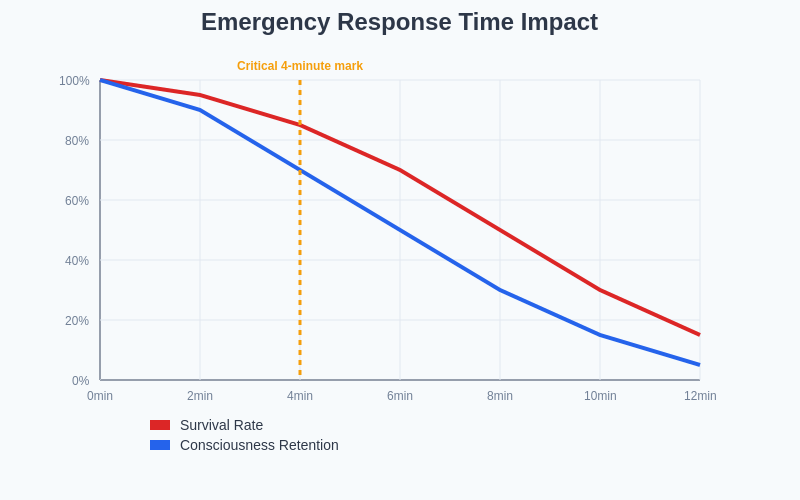
The critical importance of immediate response becomes clear when examining how quickly emergency situations can deteriorate without proper intervention. Every minute of delay significantly reduces positive outcomes and increases the risk of permanent complications.
Integration with Japanese Healthcare Systems
Navigating Japan’s healthcare system as an international resident presents unique challenges that become magnified during emergency situations when time constraints and stress levels make complex procedures even more difficult to understand and follow. Health insurance requirements that are required for sharehouse residents outlines the essential preparation needed to ensure smooth integration with emergency medical services.
First aid training that includes specific information about Japanese emergency procedures, hospital systems, and insurance requirements helps bridge the gap between immediate emergency response and longer-term medical care, ensuring continuity of treatment and appropriate follow-up care that might otherwise be delayed or complicated by unfamiliarity with local systems.
Understanding how to communicate effectively with Japanese emergency services, medical professionals, and insurance providers becomes essential for ensuring that first aid interventions connect smoothly with professional medical care and that all necessary documentation and procedures are completed appropriately to avoid complications or delays in treatment.
The coordination between first aid responders and professional emergency services requires understanding of local protocols, terminology, and expectations that may differ significantly from systems in other countries, making specialized training and preparation essential for effective emergency response in the Japanese context.
Practical Training and Skill Development
Effective first aid training for sharehouse residents must address the specific challenges and scenarios most likely to be encountered in shared living environments while providing practical skills that can be applied effectively within the physical and social constraints of typical Tokyo housing arrangements. Emergency evacuation plans that are often unclear in shared housing demonstrates how general emergency preparedness must be adapted to specific living situations and building characteristics.
Training programs should include hands-on practice with common emergency scenarios using realistic simulations that account for limited space, multiple people present, and the need to coordinate responses among residents with varying levels of training and experience. This practical approach ensures that skills can be applied effectively under the stressful conditions typical of actual emergencies.
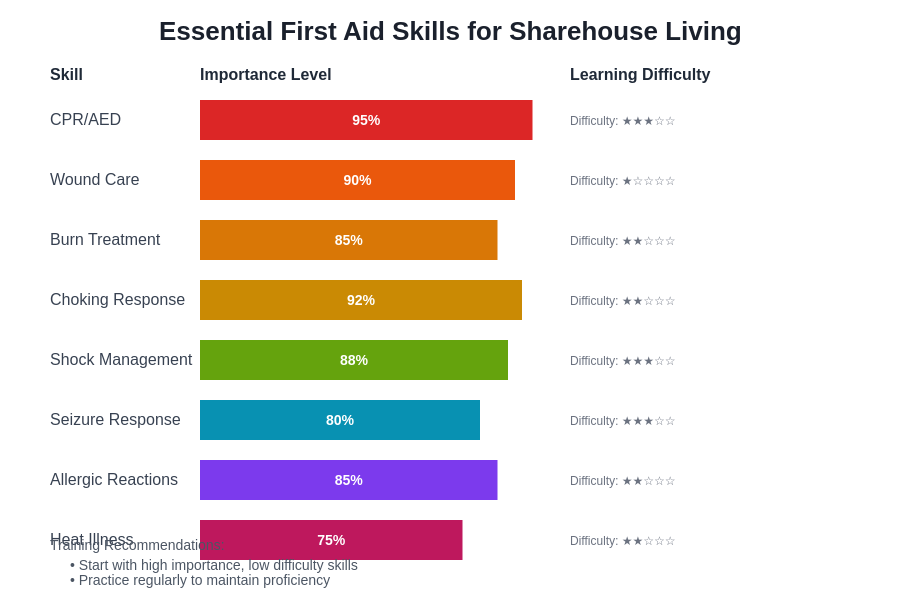
The ongoing maintenance and refreshing of first aid skills requires regular practice and review that can be integrated into sharehouse community activities, creating opportunities for residents to maintain their competency while strengthening social bonds and shared commitment to safety and preparedness.
Access to appropriate first aid supplies and equipment within sharehouse environments requires coordination among residents and management to ensure that necessary materials are available, properly maintained, and accessible during emergency situations while respecting space limitations and budget constraints typical of shared living arrangements.
Long-term Community Impact
The broader impact of widespread first aid knowledge within sharehouse communities extends beyond individual emergency response to create cultural change that prioritizes safety, mutual support, and proactive risk management throughout the entire living environment. Communities with high levels of first aid competency tend to develop stronger safety cultures that reduce the likelihood of emergencies occurring while improving response capabilities when incidents do happen.
The leadership and responsibility that naturally develop around first aid competency create positive role models and mentorship opportunities that benefit the entire community, particularly newer residents who may be unfamiliar with local safety considerations and emergency procedures. These informal leadership roles help establish positive community dynamics and encourage personal development among residents.
The networking and professional development opportunities that can emerge from first aid training and emergency response experience provide valuable skills and credentials that benefit residents in their academic and professional pursuits while contributing to their overall personal development and capability building during their time in Japan.
The transformation from vulnerable newcomers to confident, capable community members who can effectively respond to emergencies and support others during crisis situations represents a significant personal growth achievement that enhances overall life satisfaction and contributes to successful adaptation to life in Tokyo’s dynamic urban environment.
Understanding why first aid knowledge becomes more important in sharehouse living environments reveals the complex intersection of safety, community building, cultural adaptation, and personal development that characterizes successful international residence in Tokyo. The investment in first aid training provides returns that extend far beyond emergency response capabilities to encompass enhanced confidence, stronger relationships, and deeper integration into both the immediate sharehouse community and the broader Tokyo society. As sharehouses continue to evolve as preferred accommodation options for international residents, the importance of comprehensive emergency preparedness and first aid competency will only continue to grow, making these skills essential components of successful shared living experiences.
Disclaimer
This article is for informational purposes only and does not constitute professional medical advice. First aid training should be obtained from certified instructors and recognized organizations. Emergency situations require immediate professional medical attention, and first aid should supplement, not replace, professional emergency medical services. Readers should consult with healthcare professionals and certified training providers for proper first aid education and emergency response protocols specific to their location and circumstances.