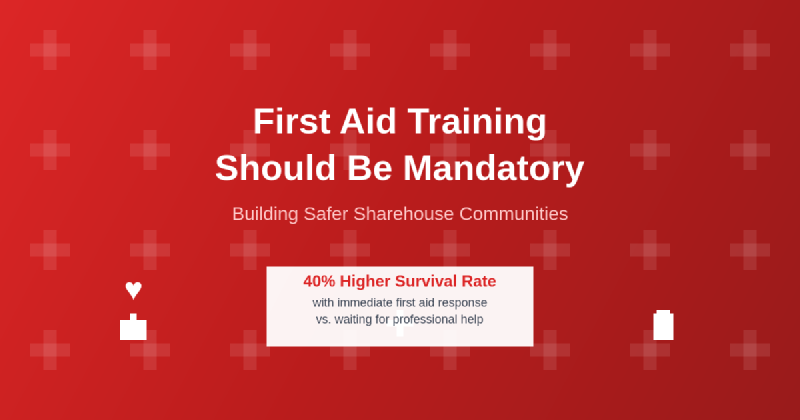
The reality of emergency medical situations in shared living environments presents compelling evidence for implementing mandatory first aid training requirements that could dramatically improve response times, save lives, and create more resilient communities. When residents possess essential life-saving skills, the entire sharehouse ecosystem benefits from enhanced safety protocols, reduced emergency response times, and increased confidence in handling unexpected medical crises that can occur at any moment in densely populated living spaces.
Living in close quarters with multiple individuals from various backgrounds and health conditions increases the likelihood of witnessing medical emergencies, making first aid knowledge not just beneficial but potentially life-saving for every resident. The unique challenges of sharehouse living, including language barriers, cultural differences in emergency response, and varying levels of medical awareness among international residents, create situations where properly trained individuals can bridge critical gaps between incident occurrence and professional medical intervention.
The Critical Importance of Immediate Response
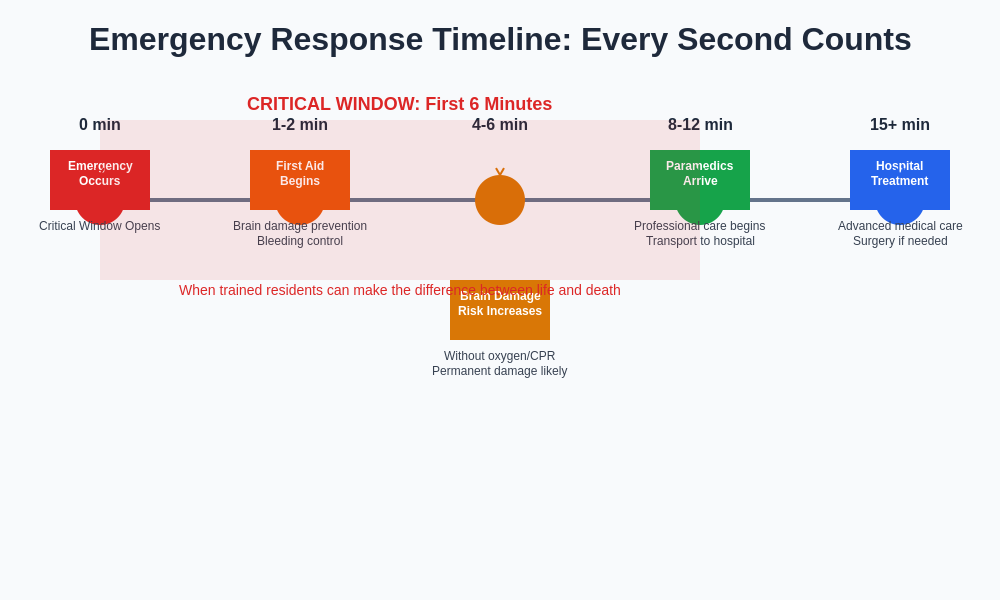
Emergency medical situations unfold rapidly, often requiring immediate intervention within the first few crucial minutes before professional medical services can arrive on scene. Understanding emergency medical situations in sharehouses reveals that response times can vary significantly based on location, time of day, and availability of emergency services, making resident-provided first aid a potentially life-saving bridge during these critical initial moments.
The concept of the “golden hour” in emergency medicine emphasizes how outcomes dramatically improve when appropriate care begins immediately following an incident. In sharehouse environments, this principle becomes even more significant as residents may be the first and only responders available during crucial initial minutes when brain damage, cardiac arrest complications, or severe bleeding can determine long-term survival and recovery prospects.
Statistical evidence from emergency medical services consistently demonstrates that bystander intervention significantly improves survival rates across various types of medical emergencies. Cardiac arrest survival rates increase from less than ten percent to over forty percent when immediate CPR is administered by trained bystanders, while proper bleeding control can prevent fatalities from traumatic injuries that might otherwise prove fatal before professional help arrives.
Building Safer Sharehouse Communities
The implementation of mandatory first aid training creates a network effect within sharehouse communities, where multiple trained individuals provide redundant safety coverage and collective confidence in emergency preparedness. Community safety in sharehouses benefits exponentially when residents understand not only how to respond to emergencies but also how to coordinate effectively with each other during high-stress situations.
Cultural diversity in sharehouses presents both challenges and opportunities for emergency response effectiveness. Different cultural backgrounds bring varying approaches to medical emergencies, communication styles during crises, and comfort levels with physical intervention, making standardized training essential for creating cohesive response protocols that transcend individual cultural perspectives and ensure consistent, effective emergency care.
The psychological benefits of widespread first aid knowledge extend beyond practical medical applications to include increased confidence, reduced anxiety about potential emergencies, and stronger community bonds formed through shared preparation and mutual care capabilities. Residents who know their housemates possess life-saving skills report higher overall satisfaction and sense of security in their living environments.
Training programs specifically designed for diverse sharehouse populations can address unique challenges such as language barriers during emergencies, cultural sensitivities around physical contact and medical intervention, and communication protocols that ensure clear information transfer between residents, emergency services, and family members who may need notification during crises.
Addressing Common Emergency Scenarios
Sharehouse environments present specific types of medical emergencies that occur with predictable frequency, making targeted first aid training particularly valuable for residents who will likely encounter these situations during their tenancy. Common health issues in sharehouses include scenarios ranging from minor injuries and allergic reactions to more serious cardiac events and accidents that require immediate, skilled intervention.
Kitchen-related injuries represent one of the most frequent emergency categories in shared living spaces, where multiple residents use cooking facilities throughout the day and night. Burns, cuts, and food-related choking incidents require specific response protocols that differ significantly from general first aid approaches, making specialized training in these areas particularly valuable for sharehouse residents who regularly navigate busy kitchen environments.
Bathroom emergencies, including slips, falls, and medical events that occur in private spaces, present unique challenges for emergency response in sharehouses. Understanding how to safely access locked spaces, provide care while maintaining dignity and privacy, and coordinate with emergency services when incidents occur in confined areas requires specific training considerations that address both medical and social aspects of emergency response.
Sleep-related medical emergencies, including seizures, cardiac events, and breathing difficulties that occur during nighttime hours, require residents to recognize symptoms, respond appropriately despite grogginess or confusion, and coordinate emergency response when normal communication patterns may be disrupted by sleep schedules and privacy considerations.
Overcoming Implementation Challenges
The practical implementation of mandatory first aid training in sharehouse environments requires addressing legitimate concerns about cost, time commitment, language accessibility, and ongoing certification maintenance that could create barriers to successful program adoption. Training implementation in sharehouses involves developing sustainable systems that accommodate resident turnover, varying skill levels, and diverse scheduling needs.
Financial considerations often represent the primary obstacle to mandatory training implementation, requiring creative solutions such as bulk group pricing, employer sponsorship programs, government subsidies, or integrated training costs within housing fees that distribute expenses while ensuring universal access regardless of individual financial circumstances.
Language barriers present significant challenges in international sharehouse communities where residents may have varying levels of proficiency in local languages, requiring multilingual training materials, interpreter services, or specialized programs designed for non-native speakers that emphasize visual demonstration and hands-on practice over complex verbal instruction.
Time scheduling difficulties in sharehouses with residents maintaining different work, study, and social schedules necessitate flexible training formats including weekend sessions, evening classes, online components, and modular programs that allow residents to complete certification requirements without conflicting with existing commitments and responsibilities.
Building Comprehensive Training Programs
Effective mandatory first aid training programs for sharehouse residents must address both universal emergency response principles and specific scenarios commonly encountered in shared living environments. Comprehensive safety training should include practical skills development, cultural sensitivity training, and ongoing education components that maintain and update knowledge over time.
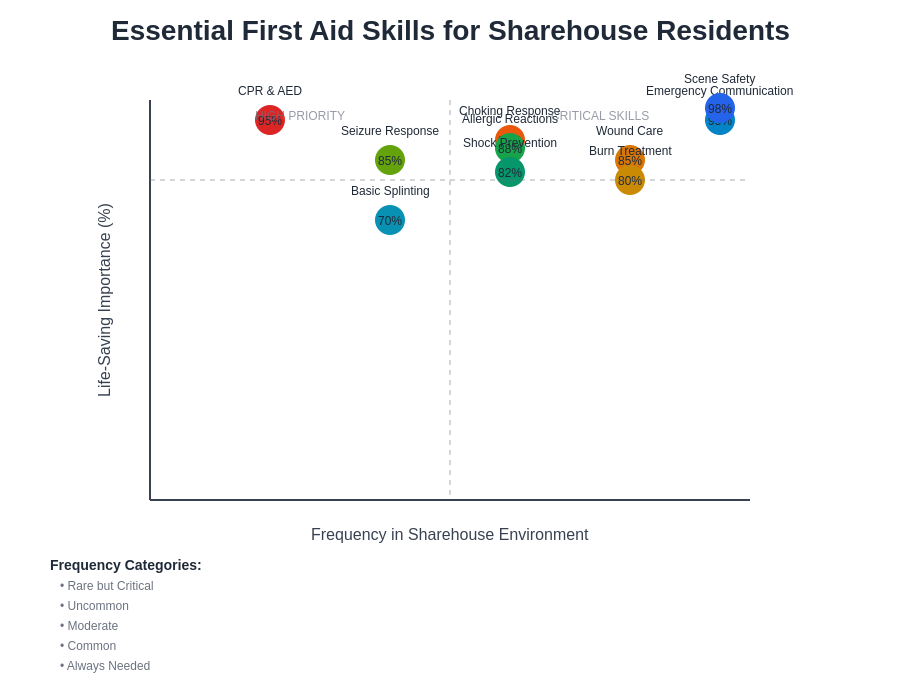
Basic life support skills form the foundation of effective first aid training, including cardiopulmonary resuscitation techniques, automated external defibrillator operation, airway management, and breathing assistance that can sustain life during critical minutes before professional medical intervention becomes available.
Wound care and bleeding control represent essential practical skills for sharehouse residents, covering everything from minor cuts and scrapes that occur during daily activities to serious traumatic injuries that may result from accidents, falls, or other incidents requiring immediate intervention to prevent shock, infection, or life-threatening blood loss.
Recognition and response protocols for common medical emergencies such as allergic reactions, diabetic episodes, seizures, and cardiac events enable residents to provide appropriate care while avoiding interventions that might worsen conditions or interfere with professional treatment once emergency services arrive on scene.
Creating Sustainable Implementation Models
Long-term success of mandatory first aid training programs requires sustainable implementation models that address resident turnover, skill maintenance, and program evolution as new medical knowledge and best practices develop over time. Sustainable training programs must balance thoroughness with practicality while ensuring consistent quality across different training providers and sharehouse communities.
Certification renewal and skill maintenance present ongoing challenges that require structured programs for practicing skills, updating knowledge, and maintaining confidence in emergency response capabilities. Annual refresher courses, peer practice sessions, and scenario-based drills help residents maintain proficiency while building community bonds through shared preparedness activities.
Integration with existing sharehouse management systems can streamline training implementation by incorporating requirements into lease agreements, providing financial incentives for completion, and creating accountability systems that ensure universal participation without creating undue burden on residents or property managers.
Partnership development with local medical professionals, emergency services, and training organizations can provide expertise, reduce costs, and ensure training quality while building relationships that benefit sharehouse communities through enhanced emergency response coordination and ongoing support for resident safety initiatives.
Measuring Impact and Effectiveness
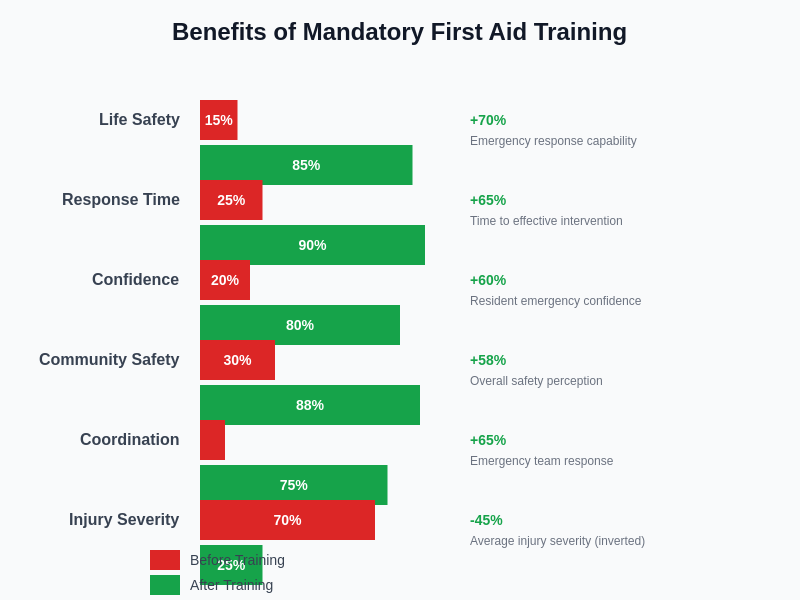
Quantifying the benefits of mandatory first aid training requires establishing metrics that capture both immediate emergency response improvements and broader community health and safety enhancements that may develop over time. Measuring safety improvements involves tracking incident response times, outcome improvements, and resident confidence levels that indicate program effectiveness.
Data collection systems should monitor emergency response frequency, severity of incidents, and outcomes when trained residents provide initial care compared to situations where untrained individuals are first responders. This information helps demonstrate program value while identifying areas for training improvement and protocol refinement.
Resident feedback and satisfaction surveys provide valuable insights into training quality, confidence levels, and perceived value that help refine programs and address concerns before they become barriers to participation or effectiveness.
Cost-benefit analyses that consider reduced emergency service calls, improved outcomes, decreased liability concerns, and enhanced community satisfaction can demonstrate the economic value of mandatory training programs to property managers, residents, and policy makers who influence implementation decisions.
Addressing Liability and Legal Considerations
The implementation of mandatory first aid training raises important questions about legal liability, good Samaritan protection, and the responsibilities of trained residents during emergency situations. Understanding these legal frameworks helps create programs that encourage appropriate intervention while protecting residents from unfair legal consequences when providing assistance during medical emergencies.
Good Samaritan laws in most jurisdictions provide legal protection for individuals who provide reasonable assistance during emergency situations, but residents should understand the scope and limitations of these protections as they relate to their training level and the specific circumstances of emergency intervention.
Documentation requirements and incident reporting protocols ensure that emergency responses are properly recorded for legal, medical, and insurance purposes while providing data that can improve future training and response effectiveness.
The balance between encouraging intervention and avoiding liability concerns requires clear training on the limits of first aid care, when to defer to professional medical services, and how to provide assistance within appropriate skill and legal boundaries that protect both the person providing care and the individual receiving assistance.
Creating supportive legal frameworks that encourage rather than discourage emergency intervention by trained residents may require advocacy for improved Good Samaritan protections, clearer liability guidelines, and insurance policies that support rather than penalize communities that implement comprehensive safety training programs.
The evidence overwhelmingly supports implementing mandatory first aid training in sharehouse communities as a practical, cost-effective measure that saves lives, builds stronger communities, and creates safer living environments for all residents. While implementation challenges exist, creative solutions and commitment to comprehensive preparation can overcome obstacles and establish programs that provide lasting benefits far exceeding their costs. The question is not whether such training should be mandatory, but rather how quickly communities can implement effective programs that protect and empower residents through essential life-saving knowledge and skills.
Disclaimer
This article is for informational purposes only and does not constitute medical advice or legal guidance. First aid training requirements and liability considerations vary by location and jurisdiction. Readers should consult with medical professionals, legal experts, and local authorities when implementing training programs or responding to medical emergencies. The effectiveness of first aid training may vary based on individual circumstances, training quality, and specific emergency situations.