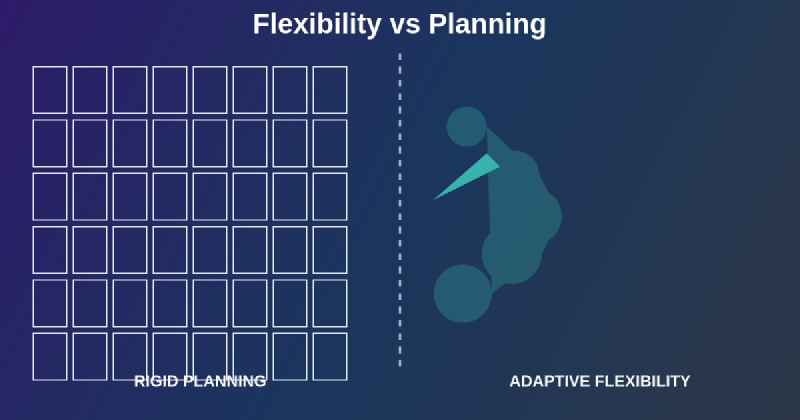
Living in a Tokyo sharehouse fundamentally challenges the Western notion that meticulous planning guarantees success and happiness. The reality of shared living in Japan’s complex cultural landscape reveals that adaptability, emotional intelligence, and spontaneous problem-solving often determine satisfaction levels far more than the most carefully crafted life strategies. This shift from rigid planning to fluid responsiveness represents not just a practical necessity but a transformative life skill that extends well beyond housing arrangements.
The unpredictable nature of communal living, combined with cultural differences, language barriers, and the inherent volatility of international resident turnover, creates an environment where flexibility becomes your most valuable asset. Those who master this mindset discover opportunities for personal growth, unexpected friendships, and cultural insights that would never emerge from following predetermined plans.
The Illusion of Control in Shared Living Environments
Traditional planning approaches assume a level of environmental control that simply doesn’t exist in sharehouse settings, where your daily experience depends heavily on variables beyond your influence. Japanese sharehouse rules every foreigner should know provides structure, but the human dynamics that truly shape your experience remain inherently unpredictable and constantly evolving.
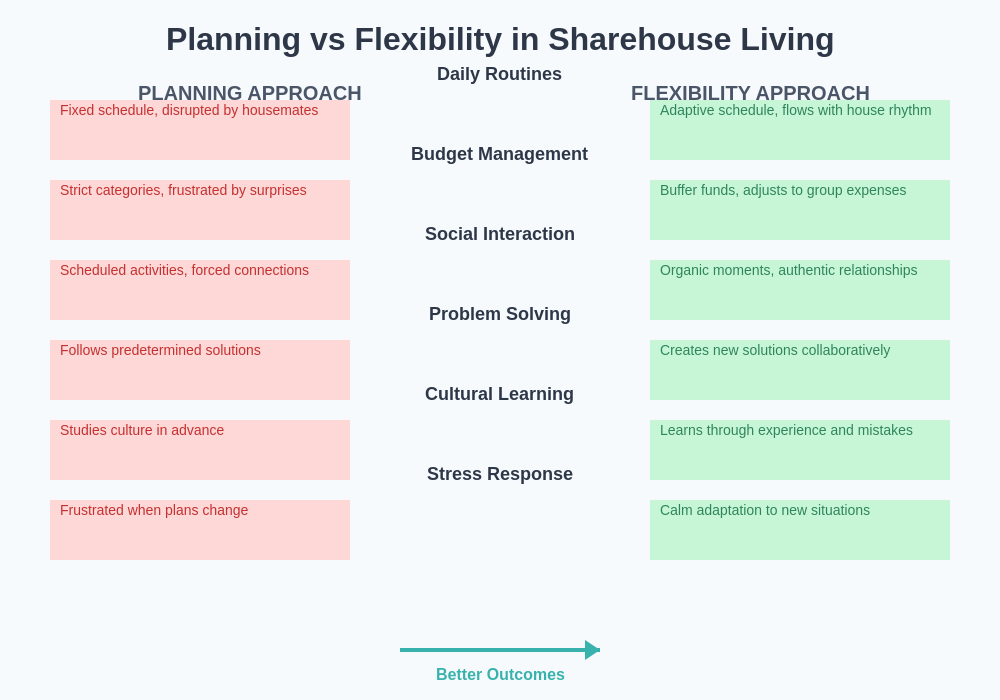
The comfort of detailed schedules, budget projections, and social expectations quickly dissolves when confronted with the reality of shared kitchens, bathroom queues, and personality conflicts that emerge without warning. Residents who rigidly adhere to predetermined routines often find themselves frustrated, isolated, and unable to capitalize on the spontaneous opportunities that make sharehouse living rewarding and enriching.
Cultural misunderstandings, unexpected maintenance issues, and sudden resident departures regularly disrupt even the most thoughtfully constructed plans. The residents who thrive are those who view these disruptions as opportunities rather than obstacles, developing resilience and creative problem-solving skills that serve them throughout their Tokyo experience and beyond.
Embracing Uncertainty as a Growth Catalyst
The constant uncertainty inherent in sharehouse living creates unique opportunities for personal development that structured environments simply cannot provide. Making friends through Tokyo sharehouse communities happens organically through shared challenges and unexpected moments that can’t be scheduled or manufactured through planning.
Learning to find comfort in uncertainty develops emotional resilience and adaptability that proves invaluable in all aspects of life. The ability to remain calm when plans fall apart, to find creative solutions to unexpected problems, and to see opportunities in chaos becomes second nature through daily practice in the unpredictable sharehouse environment.
The most meaningful relationships and memorable experiences in sharehouses typically arise from unplanned interactions, spontaneous adventures, and shared responses to unexpected challenges. These moments of genuine connection and mutual support create lasting bonds that planned social activities rarely achieve, demonstrating the superior value of flexibility over rigid social scheduling.
Navigating Cultural Adaptation Through Responsiveness
Cultural integration in Japan requires constant adjustment and recalibration of expectations, making flexibility essential for successful adaptation. Living with Japanese roommates in Tokyo sharehouses involves continuous learning and adjustment that can’t be mastered through advance preparation alone.
The nuances of Japanese social interaction, from subtle communication styles to unspoken behavioral expectations, reveal themselves gradually through daily living rather than through study or planning. Flexibility allows you to observe, experiment, and adjust your approach based on real-time feedback, leading to more authentic cultural understanding than any predetermined strategy could achieve.
Seasonal changes, cultural holidays, and evolving house dynamics require constant adaptation of communication styles, social participation levels, and daily routines. Those who remain flexible can adjust their approach to match changing circumstances, while rigid planners often struggle to integrate effectively with their Japanese housemates and broader community.
Financial Adaptability in Dynamic Living Situations
Budget planning in sharehouses requires unprecedented flexibility due to the unpredictable nature of shared expenses, utility fluctuations, and changing house policies. Understanding utility bills in Japanese sharehouses provides basic frameworks, but actual costs vary dramatically based on seasonal usage, resident behavior, and building maintenance requirements.
Unexpected expenses regularly arise from group purchases, emergency repairs, shared equipment replacement, and changes in occupancy rates that affect individual cost allocations. Flexible financial management, including maintaining emergency funds and adjusting spending habits based on changing circumstances, proves far more practical than rigid budget adherence in the dynamic sharehouse environment.
The sharing economy aspects of sharehouse living create opportunities for cost savings and resource optimization that careful planners often miss. Flexible residents can capitalize on group buying opportunities, shared transportation arrangements, and collaborative meal planning that reduce individual expenses while building community relationships.
Professional Development Through Adaptive Thinking
The problem-solving skills developed through flexible sharehouse living translate directly into professional advantages, particularly in Japan’s collaborative work culture. How to handle roommate conflicts without moving out teaches negotiation and diplomacy skills that prove invaluable in business settings.
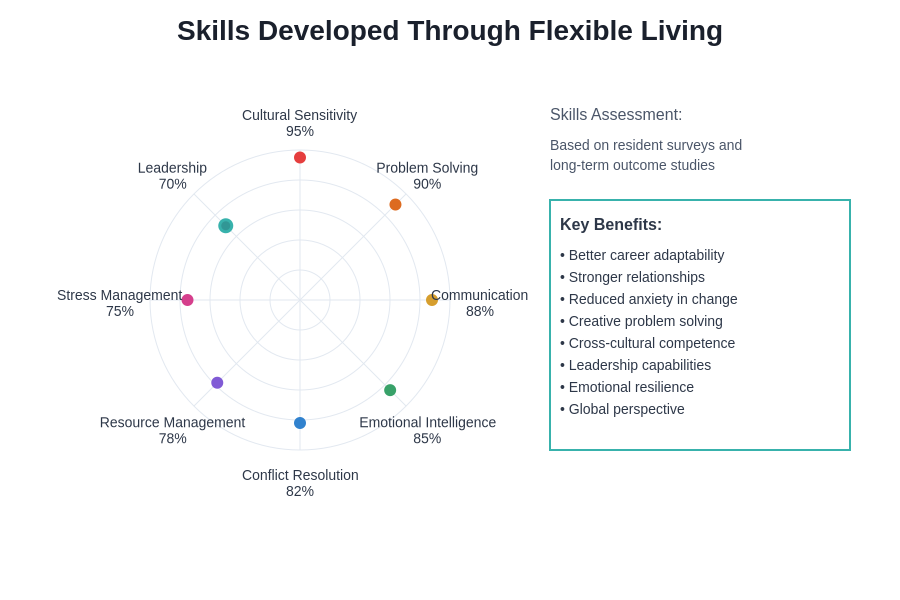
Learning to work effectively with diverse personalities, navigate cultural communication styles, and find creative solutions to resource constraints mirrors many workplace challenges. The adaptability required for successful sharehouse living develops emotional intelligence and interpersonal skills that enhance career prospects and professional relationships.
Flexible thinking patterns cultivated through shared living experiences enable better responses to workplace changes, project modifications, and cross-cultural business interactions. These adaptive skills become increasingly valuable in Japan’s evolving work environment, where traditional hierarchies are giving way to more collaborative and international approaches.
Relationship Building Through Spontaneous Connection
The most meaningful friendships in sharehouses develop through unplanned interactions, shared challenges, and mutual support during unexpected situations. Real stories from Tokyo sharehouse residents consistently highlight how flexibility in social interactions leads to deeper, more authentic relationships than structured networking attempts.
Rigid social schedules and predetermined friendship strategies often create artificial interactions that fail to develop into genuine connections. Flexible residents remain open to spontaneous conversations, impromptu adventures, and collaborative problem-solving that naturally builds trust and mutual understanding between culturally diverse housemates.
The ability to adapt communication styles, show genuine interest in others’ perspectives, and remain open to different ways of socializing creates opportunities for cross-cultural friendship that enriches the entire sharehouse experience. These skills in adaptive relationship building prove valuable throughout life, extending far beyond the sharehouse environment.
Learning Through Experimentation Rather Than Study
Traditional approaches to cultural adaptation emphasize extensive research and preparation, but sharehouse living demonstrates that experiential learning through trial and adaptation often produces superior results. Best Tokyo neighborhoods for sharehouse living provides useful background information, but the actual experience of living in different areas requires constant adjustment and exploration.
Flexible residents approach cultural learning as an ongoing experiment, trying different approaches, observing results, and adjusting their behavior based on feedback from housemates and community members. This adaptive learning process leads to more nuanced cultural understanding than any amount of advance study could provide.
The willingness to make mistakes, learn from feedback, and continuously refine approaches creates a more authentic and effective integration process. Flexible learners develop cultural competence through practice and adaptation rather than through rigid adherence to predetermined cultural rules or expectations.
Managing Expectations in Unpredictable Environments
Sharehouse living teaches the valuable skill of managing expectations dynamically rather than setting fixed goals that may become sources of frustration when circumstances change. Dating while living in Tokyo sharehouses requires constant adjustment of privacy expectations, social boundaries, and relationship dynamics based on changing house composition and cultural contexts.
Flexible expectation management involves setting general directions rather than specific outcomes, maintaining openness to opportunities that weren’t originally anticipated, and finding satisfaction in unexpected developments rather than disappointment when original plans don’t materialize. This approach reduces stress and increases overall satisfaction with the sharehouse experience.
The ability to adjust expectations based on changing circumstances while maintaining core values and goals creates a more sustainable and enjoyable living experience. Residents who master this balance find greater contentment and are better positioned to capitalize on unexpected opportunities that arise through community living.
Crisis Response and Problem-Solving Skills
Sharehouses regularly present challenges that require immediate, creative responses rather than predetermined solutions. How air quality problems develop in crowded spaces and other unexpected issues demand flexible thinking and collaborative problem-solving that can’t be planned in advance.
The ability to remain calm under pressure, think creatively about available resources, and work effectively with others during stressful situations develops through regular practice in the sharehouse environment. These crisis management skills prove valuable in all aspects of life, from professional challenges to personal emergencies.
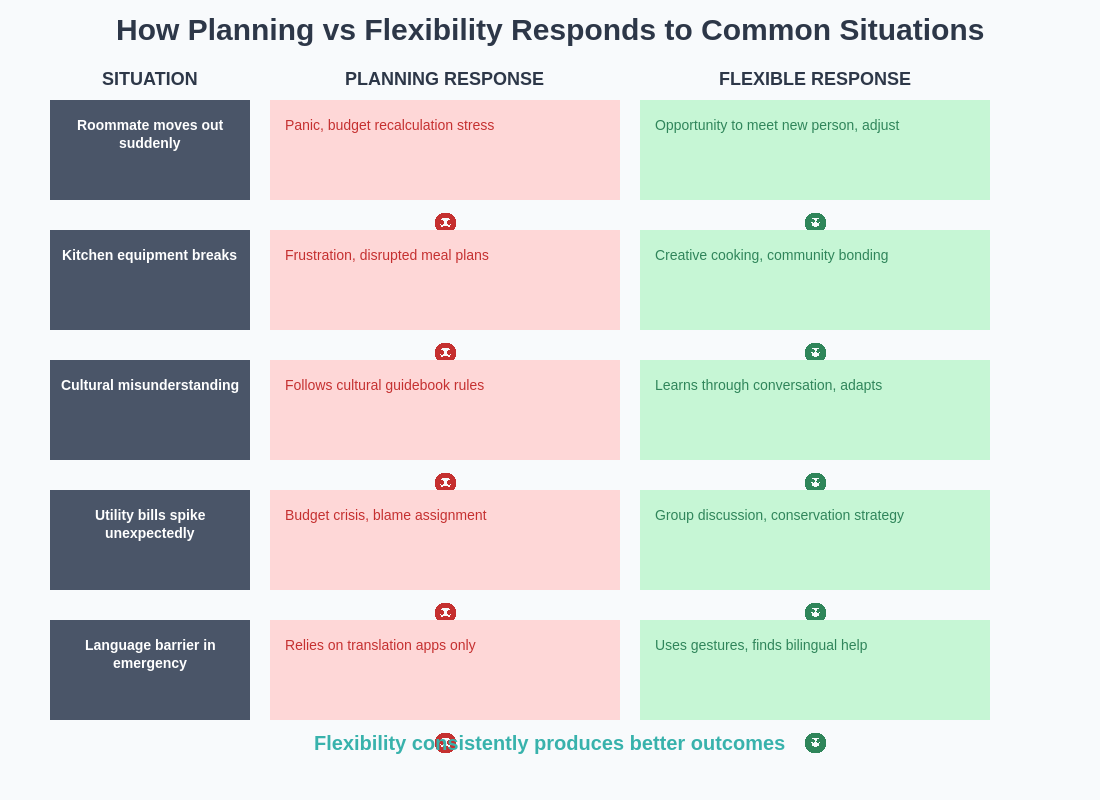
Flexible residents learn to see problems as opportunities for community building and skill development rather than as threats to their planned lifestyle. This mindset shift transforms potentially negative experiences into growth opportunities and strengthens both individual resilience and community bonds.
Seasonal and Cyclical Adaptation Patterns
Tokyo’s dramatic seasonal changes require constant adaptation of daily routines, social activities, and resource management strategies. Summer heat makes small rooms unbearable represents just one example of how environmental changes demand flexible responses from sharehouse residents.
Successful long-term residents develop cyclical adaptation patterns, adjusting their lifestyle, social participation, and resource usage based on seasonal requirements while remaining open to year-to-year variations that require further flexibility. This seasonal responsiveness becomes second nature and enhances overall quality of life.
The ability to find opportunities in each season’s challenges, from winter heating cost management to summer cooling strategies, demonstrates how flexibility creates advantages that rigid planning cannot achieve. Residents who embrace seasonal variation find richer, more diverse experiences throughout their Tokyo residence.
Technology and Communication Adaptability
Digital communication in multicultural sharehouses requires constant adaptation to different platforms, communication styles, and cultural preferences for information sharing. How social media groups connect sharehouse communities evolves rapidly, requiring residents to remain flexible in their communication approaches.
Language barriers, generational differences, and cultural communication preferences create complex information-sharing challenges that demand flexible approaches to stay connected with the house community. Successful residents adapt their communication style to match their audience while maintaining their authentic voice and building meaningful connections across cultural divides.
The rapid evolution of technology platforms and changing house demographics require ongoing adaptation of communication strategies. Flexible communicators develop skills in reading social cues, adapting their message delivery, and finding common ground across diverse communication preferences that serve them well beyond the sharehouse environment.
Long-term Growth Through Adaptive Living
The skills developed through flexible sharehouse living create lasting advantages that extend far beyond the housing experience itself. Sharehouse living prepares you for future challenges by developing adaptability, cultural competence, and collaborative problem-solving abilities that prove valuable throughout life.
The mindset shift from rigid planning to adaptive responsiveness creates a more resilient and capable approach to life’s uncertainties. Residents who master flexibility during their sharehouse experience find themselves better equipped to handle career changes, relationship developments, and life transitions with confidence and creativity.
The international perspective gained through flexible adaptation to multicultural living environments provides advantages in an increasingly connected global economy. These skills in cultural navigation, adaptive communication, and collaborative problem-solving become increasingly valuable as professional and personal networks become more diverse and international.
Embracing flexibility over rigid planning in sharehouse living represents more than a practical housing strategy; it develops a life philosophy that enhances resilience, creativity, and satisfaction across all areas of experience. The residents who learn to find opportunity in uncertainty, strength in adaptability, and growth in challenge discover that their sharehouse experience becomes a foundation for lifelong success and fulfillment in Japan’s dynamic cultural landscape.
Disclaimer
This article reflects general observations about sharehouse living and may not apply to all individual situations. Personal experiences with flexibility and planning vary significantly based on individual personality, cultural background, and specific house dynamics. Readers should consider their own circumstances and preferences when applying these concepts to their living situations.