The emergence of gaming communities within Tokyo sharehouses has fundamentally altered traditional living rhythms and social dynamics, creating distinct subcultures that operate on dramatically different temporal frameworks compared to conventional residential patterns. These gaming-focused communities have developed intricate social structures and behavioral norms that revolve around optimized play schedules, international server connections, and competitive gaming calendars that often conflict with standard Japanese work and social schedules.
Understanding the complex relationship between gaming culture and sleep patterns in shared living environments provides valuable insights into how modern digital communities adapt traditional housing arrangements to accommodate their unique lifestyle requirements. The intersection of international gaming schedules, time zone optimization, and communal living creates fascinating dynamics that challenge conventional assumptions about shared space usage and community harmony.
The Global Nature of Modern Gaming Communities
Modern gaming communities operate within a globally connected ecosystem where optimal play times are determined by server populations, competitive league schedules, and international tournament timing rather than local geographical considerations. Gaming communities that form in tech-savvy houses demonstrate how these international connections fundamentally reshape daily routines and social interactions within shared living spaces.
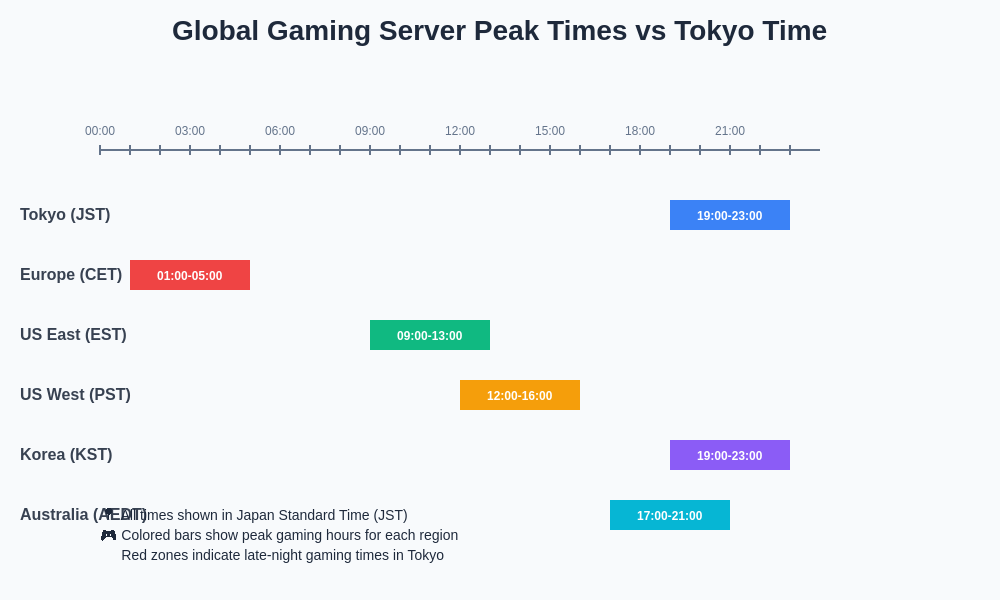
The proliferation of massive multiplayer online games, competitive esports leagues, and streaming platforms has created scenarios where peak gaming activity occurs during traditionally quiet hours in Tokyo. European server prime times coincide with Tokyo early morning hours, while North American servers reach maximum activity during Japanese late night and early morning periods, forcing dedicated gamers to adapt their sleep schedules to match optimal gaming windows.
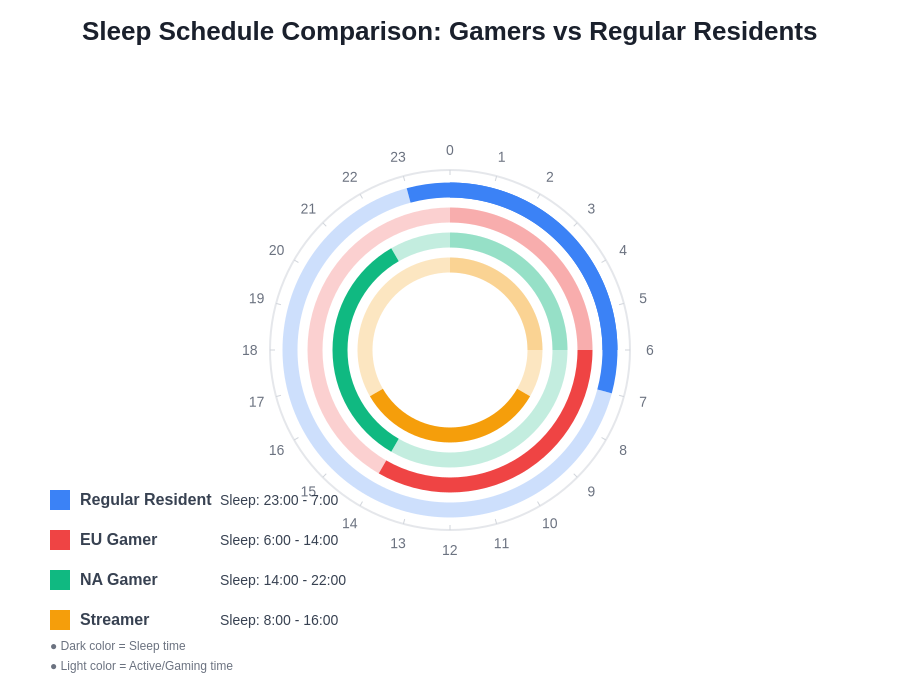
Professional and semi-professional gamers living in Tokyo sharehouses often maintain sleep schedules that align with their target markets and competitive scenes rather than local social norms. This creates unique challenges for sharehouse management and community integration, as gaming residents may be most active during traditional sleep hours while remaining relatively inactive during conventional social periods.
The financial implications of optimized gaming schedules cannot be overlooked, as many gaming residents derive income from streaming, competitive play, or content creation activities that require specific timing coordination with international audiences. How shift work schedules affect roommate relations explores similar dynamics where non-traditional work patterns create friction within shared living environments.
Technological Infrastructure and Gaming Requirements
The technical demands of serious gaming communities require sophisticated infrastructure that extends far beyond basic internet connectivity, creating unique environmental requirements that influence both personal schedules and communal space usage. High-performance gaming setups generate significant heat, noise, and electromagnetic interference that can affect neighboring residents and overall house atmosphere during extended gaming sessions.
Competitive gaming requires consistent low-latency connections, which often perform optimally during off-peak internet usage hours when network congestion is minimized. This technical consideration drives many gaming communities toward nocturnal schedules that coincide with periods of reduced general internet traffic, creating natural alignment between optimal technical performance and unconventional sleep patterns.
The cooling requirements for high-performance gaming equipment often necessitate extended operation of air conditioning systems during summer months, creating potential conflicts with energy conservation efforts and utility cost management in sharehouses. How smart thermostats reduce utility conflicts addresses some technological solutions that can help manage these competing demands.
Gaming hardware maintenance, software updates, and system optimization tasks are frequently scheduled during downtime periods that correspond with traditional sleep hours, further reinforcing nocturnal activity patterns among dedicated gaming communities. These maintenance requirements create additional noise and light pollution during hours when non-gaming residents expect quiet environments.
Social Dynamics and Community Formation
Gaming communities within sharehouses develop distinct social hierarchies and interaction patterns that operate independently of traditional social schedules, creating parallel community structures that may have limited overlap with broader house social activities. Making friends through Tokyo sharehouse communities typically focuses on conventional social activities, but gaming communities often form deeper bonds through shared challenges, competitive achievements, and collaborative gaming experiences.
The intensive nature of competitive gaming creates strong emotional bonds among participants who share victories, defeats, and high-stress competitive moments during extended gaming sessions. These shared experiences often occur during late night hours when emotional barriers are naturally lowered and group cohesion is strengthened through shared exhaustion and achievement.
Gaming communities frequently develop internal communication systems, shared resources, and mutual support networks that operate independently of broader sharehouse social structures. These parallel social systems can create feelings of exclusion among non-gaming residents while simultaneously providing gaming residents with rich social experiences that may reduce their motivation to participate in conventional house activities.
The competitive nature of many gaming communities creates internal conflicts and alliances that can spill over into broader house dynamics, particularly when gaming-related disputes occur during late night hours and affect sleep quality for non-participating residents. How to handle roommate conflicts without moving out becomes particularly relevant when addressing gaming-related tensions.
Health and Lifestyle Implications
The sustained nature of gaming sessions combined with irregular sleep schedules creates significant health challenges that affect both individual gaming residents and broader house community wellbeing. Extended periods of sedentary activity, irregular meal timing, and disrupted circadian rhythms contribute to various physical and mental health issues that can impact overall house atmosphere and social dynamics.
Sleep deprivation among gaming residents often leads to irritability, poor decision-making, and reduced social tolerance that can create friction during interactions with housemates who maintain conventional schedules. The cyclical nature of sleep debt and recovery creates unpredictable mood patterns that complicate community relationship building and conflict resolution efforts.
Irregular eating patterns associated with gaming schedules often result in increased reliance on convenient but unhealthy food options, creating additional kitchen usage conflicts and contributing to dietary-related health issues. How dietary restrictions complicate meal planning becomes more complex when gaming residents consume meals at unconventional times and rely heavily on processed foods.
The sedentary nature of extended gaming sessions contributes to various physical health issues including poor posture, eye strain, and reduced cardiovascular fitness that can affect overall quality of life and social participation. Gaming residents may experience reduced energy for conventional social activities, further separating them from broader house community engagement.
Economic and Professional Considerations
The professional gaming and content creation economy operates on global schedules that prioritize audience engagement and competitive opportunities over local employment norms, creating unique financial pressures that influence sleep schedule decisions. Successful gaming content creators must balance multiple time zones to maximize audience reach, often resulting in fragmented sleep patterns that optimize revenue generation over personal health considerations.
Streaming revenue and competitive gaming income often peak during specific international time windows, creating financial incentives for maintaining sleep schedules that conflict with traditional Japanese work patterns. This economic pressure can make it difficult for gaming residents to adapt to conventional schedules even when they recognize the social benefits of doing so.
The unpredictable nature of gaming-related income creates additional stress that can exacerbate sleep schedule irregularities as gaming residents may feel compelled to capitalize on unexpected opportunities regardless of their impact on established sleep patterns. How freelance income makes applications difficult reflects similar financial uncertainty that affects housing stability and community integration.
Professional development within gaming industries often requires networking and collaboration during specific global time windows, creating additional pressure to maintain schedules that align with international gaming communities rather than local social norms. These professional requirements can make gaming residents appear antisocial when they are actually engaging in career-building activities during unconventional hours.
Cultural Adaptation and Integration Challenges
Japanese work culture and social norms emphasize early rising, structured schedules, and group harmony, creating significant cultural friction for gaming residents whose optimal schedules conflict with these values. Living with Japanese roommates in Tokyo sharehouses becomes particularly challenging when cultural expectations around sleep schedules and social participation are fundamentally incompatible.
Traditional Japanese concepts of consideration for others and community harmony can be severely tested when gaming activities create noise, light pollution, and disrupted common area usage during traditionally quiet hours. Gaming residents may struggle to balance their professional and recreational needs with cultural expectations for respectful cohabitation.
The concept of reading the atmosphere and maintaining group harmony becomes complicated when gaming schedules prevent participation in traditional social activities and community building exercises. Gaming residents may be perceived as antisocial or inconsiderate when they are actually following professional requirements and optimizing their economic opportunities.
Language barriers can exacerbate gaming schedule conflicts as gaming residents may struggle to explain the professional and technical requirements that drive their unconventional schedules to housemates who are unfamiliar with gaming culture and industry demands.
Noise Management and Space Utilization
Gaming activities generate various types of noise including mechanical keyboard sounds, voice communication, game audio, and emotional reactions that can be particularly disruptive during traditional sleep hours. Noise control becomes critical for career success when gaming noise interferes with work-from-home activities and study schedules of other residents.
The intensive nature of competitive gaming often involves emotional expressions including celebration, frustration, and team communication that can be loud and disruptive regardless of the time of day. Gaming residents may struggle to moderate their emotional responses during intense competitive moments, creating ongoing noise management challenges.
Common area usage patterns are significantly affected when gaming activities extend into traditionally quiet hours, potentially preventing other residents from using shared spaces for relaxation, study, or social activities. The dominant presence of gaming equipment and ongoing activities can make common areas feel unwelcoming to non-gaming residents.
Equipment cooling fans, hard drive operation, and other technical noise sources operate continuously during extended gaming sessions, creating ambient noise that can penetrate walls and affect neighboring rooms. These technical noise sources may be less obvious but equally disruptive to residents attempting to sleep or study.

Seasonal and Environmental Factors
Seasonal changes in daylight patterns can significantly affect gaming schedules as shorter winter days may encourage extended indoor activities while longer summer days create conflicts between natural circadian rhythms and optimized gaming schedules. How seasonal depression affects house dynamics becomes relevant when reduced sunlight exposure exacerbates mood issues related to irregular sleep patterns.
Summer heat management becomes particularly challenging when high-performance gaming equipment generates additional heat during peak temperature periods, creating conflicts between cooling costs and optimal gaming performance. Air conditioning usage during extended gaming sessions can significantly impact utility bills and create tensions around energy consumption.
Humidity control during Tokyo’s rainy season affects both gaming equipment performance and personal comfort during extended gaming sessions, potentially requiring additional environmental controls that impact shared resources and utility costs. How moisture control prevents mold growth becomes relevant when gaming equipment creates additional humidity management challenges.
Winter heating costs can increase significantly when gaming residents maintain active schedules during cold night hours, requiring heating systems to operate during typically energy-efficient periods and affecting overall house utility expenses.
Technology Integration and Smart Solutions
Modern sharehouse management increasingly incorporates smart home technologies that can help balance gaming community needs with broader resident requirements through automated systems and intelligent resource management. Smart lighting systems can minimize light pollution during gaming sessions while maintaining adequate illumination for gaming performance and safety.
Automated noise monitoring systems can provide objective feedback about noise levels during gaming sessions, helping gaming residents understand their impact on other residents while providing house management with data-driven approaches to noise policy enforcement. These systems can also help identify optimal gaming schedules that minimize disruption to other residents.
Smart power management systems can help optimize energy usage during extended gaming sessions while preventing electrical overloads and managing utility costs more effectively. These systems can also provide gaming residents with real-time feedback about their energy consumption impact on house utilities.
Long-term Community Sustainability
The integration of gaming communities within broader sharehouse populations requires ongoing negotiation and adaptation from all residents to maintain sustainable community dynamics over extended periods. Successful integration often requires establishing clear boundaries, communication protocols, and mutual respect agreements that acknowledge different lifestyle requirements while protecting community harmony.
Gaming communities may need to develop internal governance structures that ensure their activities remain compatible with broader house community needs and management requirements. Self-regulation and peer accountability within gaming communities can be more effective than external rule enforcement for managing disruptive behaviors.
Long-term sustainability requires recognition that gaming schedules may evolve over time as residents’ professional situations change, competitive seasons fluctuate, and personal priorities shift. Flexible accommodation approaches that can adapt to changing gaming community needs while maintaining community standards are essential for successful long-term integration.
The future of gaming communities in sharehouses will likely involve continued technological innovation, improved understanding of gaming culture among house management, and development of specialized housing arrangements that can better accommodate the unique requirements of serious gaming residents while maintaining broader community appeal.
Understanding why gaming communities maintain different sleep schedules provides valuable insights into the evolving nature of shared living arrangements in modern Tokyo, where traditional residential patterns must adapt to accommodate diverse professional requirements, cultural practices, and technological capabilities that define contemporary urban life.
Disclaimer
This article is for informational purposes only and does not constitute professional medical or lifestyle advice. Sleep schedule recommendations and health considerations may vary based on individual circumstances, medical conditions, and professional requirements. Readers should consult with healthcare professionals and consider their specific housing agreements when making sleep schedule decisions. Gaming-related activities should be balanced with overall health and community considerations.