
Online gaming in Japanese sharehouses demands premium internet infrastructure that exceeds the capabilities of basic residential internet plans due to the complex technical requirements for maintaining competitive gaming performance, real-time responsiveness, and stable connections that support intensive multiplayer experiences without performance degradation. The specific demands of modern gaming applications including low latency requirements, consistent bandwidth allocation, upload capacity for streaming, and network stability during peak usage periods necessitate internet service levels that standard residential plans cannot reliably provide.
The evolution of gaming technology toward cloud-based services, real-time multiplayer competitions, live streaming integration, and high-resolution graphics has fundamentally increased internet infrastructure requirements beyond what traditional residential internet services were designed to support. Understanding these technical demands enables informed decisions about internet service investments that can significantly impact gaming performance, competitive capabilities, and overall entertainment satisfaction for residents who prioritize gaming experiences.
Latency Requirements and Real-Time Performance
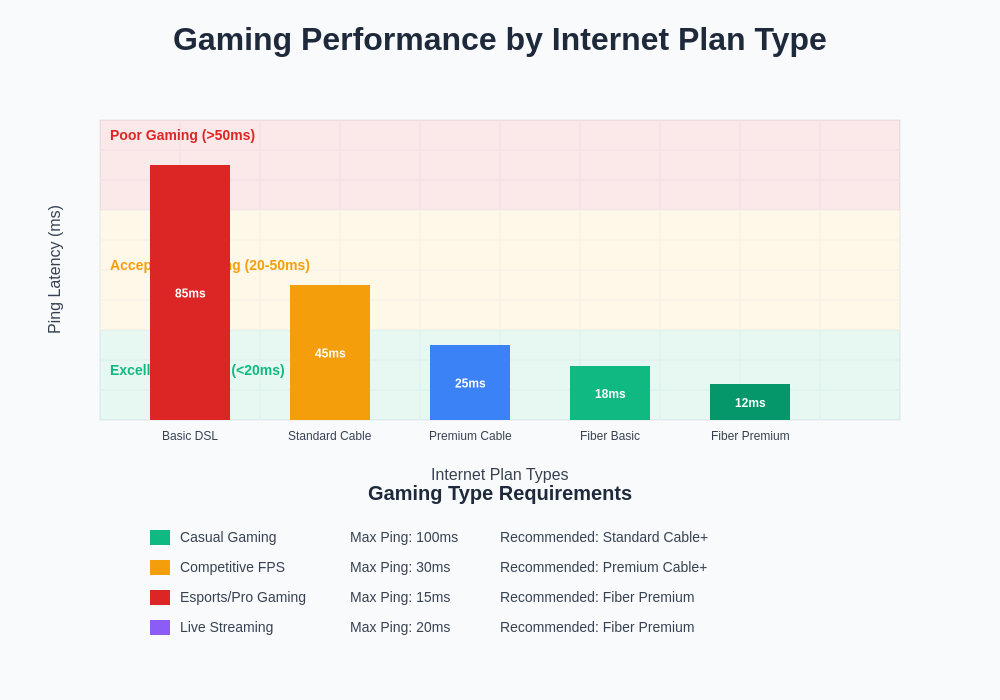
Network latency represents the most critical factor for competitive gaming performance, with professional and serious gaming applications requiring consistent ping times below twenty to fifty milliseconds to maintain responsive gameplay that enables competitive participation in fast-paced games where split-second timing determines success or failure in online competitions and tournaments.
Jitter and latency consistency become equally important as average ping times, with variations in response timing creating unpredictable gameplay experiences that can disrupt competitive gaming performance even when average latency appears acceptable, requiring internet connections with minimal variation in response times throughout extended gaming sessions.
Real-time communication demands during multiplayer gaming include voice chat, team coordination, and instant messaging that occur simultaneously with game data transmission, creating cumulative bandwidth and processing requirements that can overwhelm basic internet connections when multiple communication channels operate alongside intensive gaming applications.
Geographic server proximity affects latency performance significantly, with Japanese gaming servers providing optimal response times for local players but international gaming requiring stable connections capable of maintaining acceptable latency across longer network distances to servers in other regions where popular games may be hosted.
Bandwidth Intensive Gaming Applications
Modern gaming applications consume substantial bandwidth through high-resolution graphics, detailed texture downloads, real-time world updates, and multimedia content that can exceed the sustained bandwidth capacity of basic internet plans, particularly when multiple residents share limited network resources in sharehouse environments with competing internet usage demands.
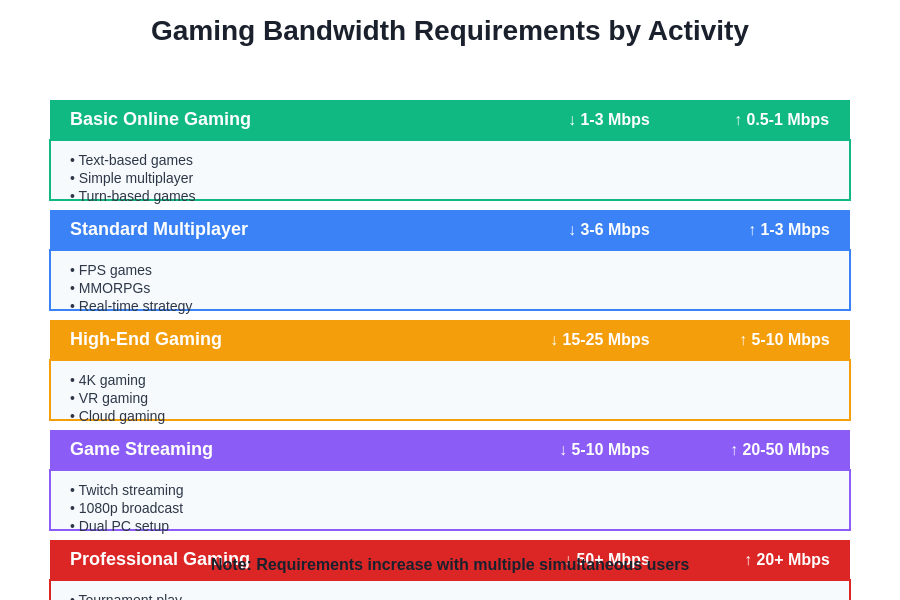
Game streaming services including cloud gaming platforms require consistent high-speed connections for transmitting rendered gameplay from remote servers to local devices, with premium services demanding twenty to fifty megabits per second of sustained bandwidth per user that can quickly exhaust basic residential internet capacity when combined with other household internet activities.
Content downloads including game installations, updates, downloadable content, and patches frequently involve files ranging from several gigabytes to over one hundred gigabytes that require substantial download capacity and can consume monthly data allowances on basic internet plans while creating network congestion that affects other residents’ internet access during download periods.
Live streaming integration within gaming platforms enables players to broadcast their gameplay simultaneously while gaming, creating dual bandwidth requirements for both playing games and uploading high-quality video streams that demand premium upload bandwidth capacity typically unavailable through basic residential internet service plans.
Upload Bandwidth Requirements for Gaming Content
Competitive gaming increasingly involves content creation activities including live streaming, gameplay recording, and video sharing that require substantial upload bandwidth capacity for transmitting high-quality video content while maintaining gaming performance, creating bandwidth demands that exceed the upload capacity limitations of basic asymmetric internet connections.
Voice communication quality during multiplayer gaming depends on adequate upload bandwidth for transmitting clear audio to teammates and opponents, with voice chat applications requiring consistent upload capacity that remains stable even when other household internet activities create network congestion affecting voice communication clarity and reliability.
Screen sharing and gameplay demonstration features within gaming platforms require additional upload bandwidth for transmitting visual information to other players during cooperative gaming, technical support sessions, or educational content creation that contributes to overall upload bandwidth requirements beyond basic gaming data transmission needs.
How video calling affects shared bandwidth provides relevant insights into upload bandwidth competition that becomes particularly problematic when residents attempt simultaneous gaming and video communication activities that exceed available upload capacity on basic internet service plans.
Network Stability and Connection Reliability
Connection stability requirements for competitive gaming demand internet services with minimal disconnection events, consistent performance during peak usage periods, and reliable service availability that prevents gaming session interruptions during critical gameplay moments, tournaments, or scheduled team activities that require uninterrupted network access for successful participation.
Quality of service prioritization becomes essential when multiple household internet activities compete for bandwidth, with gaming applications requiring network priority to maintain responsive performance during concurrent streaming, downloading, or other bandwidth-intensive activities that can degrade gaming performance on networks without proper traffic management capabilities.
Peak hour performance degradation affects gaming quality significantly when internet service providers throttle bandwidth or experience network congestion during evening and weekend periods when gaming activity typically peaks, requiring premium service levels that maintain consistent performance regardless of overall network utilization levels.
Network redundancy and backup connectivity options become important for serious gaming activities, with premium internet plans often providing more reliable service infrastructure and faster technical support response that minimizes downtime during service interruptions that could affect competitive gaming participation or content creation schedules.
Gaming Platform Specific Requirements
Console gaming networks including PlayStation Network, Xbox Live, and Nintendo Online require stable connections for downloading games, accessing online features, and participating in multiplayer activities, with premium gaming experiences demanding higher bandwidth allocation than basic internet plans typically provide for optimal performance across multiple gaming platforms.
PC gaming platforms including Steam, Epic Games Store, and other digital distribution services involve frequent large downloads, automatic updates, and cloud save synchronization that can consume substantial bandwidth and require consistent high-speed connections for maintaining current game libraries and accessing new content releases.
Mobile gaming applications increasingly require stable internet connections for real-time multiplayer experiences, in-app purchases, and content updates that benefit from premium internet service quality, particularly for competitive mobile gaming that demands low latency and consistent connection quality comparable to traditional gaming platforms.
Virtual reality gaming platforms demand exceptional internet performance for cloud-based VR experiences, social VR environments, and multiplayer VR gaming that requires both high bandwidth and ultra-low latency for preventing motion sickness and maintaining immersive experiences that depend on precise timing and responsive network performance.
Competitive Gaming and Esports Considerations
Professional gaming standards require internet connections that meet tournament-grade specifications for latency, stability, and bandwidth capacity that enable competitive participation in esports events, online tournaments, and ranked gaming systems where network performance directly affects competitive results and ranking progression.
Tournament participation often involves specific internet requirements established by gaming organizations and competition platforms that exceed basic residential internet capabilities, with many competitive events requiring participants to demonstrate network performance benchmarks that verify adequate internet service quality for fair competition.
Streaming while gaming creates dual performance requirements for maintaining both competitive gaming performance and broadcast quality that requires premium internet plans with sufficient bandwidth allocation for both activities simultaneously without compromising either gaming responsiveness or stream quality for viewers.
Team coordination and communication during competitive gaming involves multiple simultaneous communication channels including voice chat, text messaging, and sometimes video calls that create cumulative bandwidth and latency requirements that can overwhelm basic internet connections during intensive team gaming sessions.
Content Creation and Gaming Integration
Gameplay recording and editing require substantial upload bandwidth for transferring large video files to editing systems, cloud storage services, or collaboration platforms that support content creation workflows increasingly integrated with gaming activities, particularly for residents who create gaming content for social media or professional purposes.
Live streaming platforms including Twitch, YouTube Gaming, and other broadcasting services require consistent upload bandwidth ranging from five to twenty-five megabits per second for high-quality streams that compete effectively for viewer attention in saturated gaming content markets where technical quality affects audience retention and growth.
Social media integration within gaming platforms enables automatic sharing of achievements, gameplay clips, and gaming statistics that benefit from reliable upload connections for seamless social sharing experiences that enhance gaming enjoyment and community participation through consistent content sharing capabilities.
How shared streaming accounts work in practice becomes relevant when gaming residents also participate in entertainment streaming that creates additional bandwidth competition requiring premium internet capacity for supporting both gaming and entertainment streaming simultaneously.
Network Infrastructure and Hardware Requirements
Router and networking equipment limitations affect gaming performance significantly when basic residential networking hardware lacks the processing power, memory capacity, or advanced features needed to manage gaming traffic effectively while supporting other household internet activities that compete for network resources and processing capabilities.
Quality of service configuration requires networking equipment with advanced traffic management capabilities that can prioritize gaming packets over less time-sensitive applications, though these features typically require premium networking hardware and internet service plans that support quality of service implementation and management.
Ethernet connection availability becomes important for gaming performance when wireless connections introduce additional latency and potential interference that can affect competitive gaming, requiring network infrastructure that supports wired connections to gaming devices for optimal performance in shared living environments.
Gaming-specific networking features including gaming acceleration, traffic optimization, and latency reduction technologies are often available only through premium internet service plans or advanced networking equipment that provides specialized gaming performance enhancements beyond basic internet connectivity.
Cost-Benefit Analysis for Gaming-Focused Internet
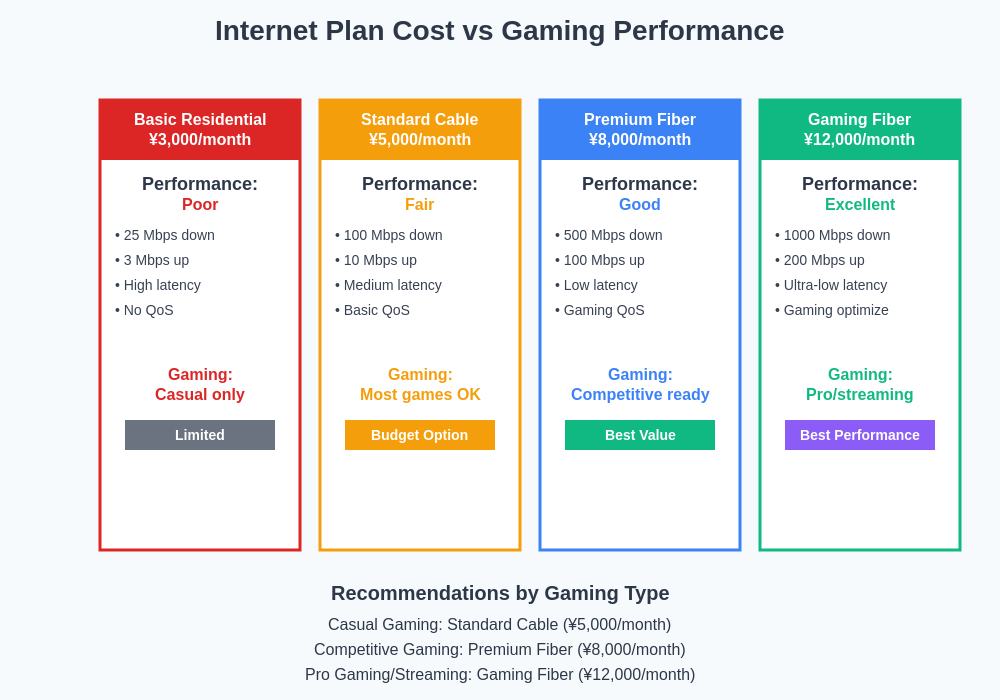
Premium internet plan costs must be evaluated against gaming performance benefits, competitive advantage gains, and content creation opportunities that may justify higher monthly internet expenses for residents whose gaming activities represent significant entertainment value, professional development, or income generation through gaming-related activities.
Shared cost distribution in sharehouses can make premium internet plans more affordable when multiple residents benefit from enhanced gaming performance, streaming capabilities, and general internet quality improvements that justify higher internet service costs through improved user experience and expanded capability access for all residents.
Performance impact measurement helps quantify the benefits of premium internet plans through objective metrics including latency reduction, download speed improvements, and connection stability enhancements that directly translate to measurable gaming performance improvements and enhanced competitive capabilities.
Living costs in Tokyo sharehouses explained should include consideration of premium internet costs when gaming performance represents a priority for residents whose entertainment, professional, or social activities depend on high-quality internet connectivity for optimal experiences.
Alternative Solutions and Workarounds
Mobile data backup provides temporary solutions for critical gaming sessions when shared internet experiences congestion or performance issues, though mobile data costs and connection quality limitations may restrict the practicality of this approach for extended gaming activities or data-intensive gaming applications.
Gaming cafe alternatives offer access to premium internet connections and high-performance gaming equipment for residents who cannot justify premium internet costs for occasional gaming activities, providing temporary access to optimal gaming conditions without long-term internet service commitments.
Time-based optimization strategies involve scheduling intensive gaming activities during off-peak hours when shared internet resources experience less congestion, enabling better gaming performance on basic internet plans through strategic timing that avoids peak usage periods affecting network performance.
Personal gaming router deployment can improve gaming performance through dedicated networking equipment optimized for gaming traffic, though this approach requires coordination with existing network infrastructure and may not address fundamental bandwidth limitations of basic internet service plans.
Technical Specifications and Service Comparisons
Fiber optic internet services typically provide the low latency, high bandwidth, and stable connections required for optimal gaming performance, with fiber infrastructure offering superior technical characteristics compared to cable, DSL, or satellite internet options that may introduce latency or bandwidth limitations affecting gaming quality.
Business-grade internet services often provide better performance guarantees, faster technical support, and more reliable service infrastructure compared to residential internet plans, though higher costs require justification through significantly improved gaming performance and enhanced service reliability for serious gaming activities.
Dedicated gaming internet plans offered by some service providers include specialized features such as gaming traffic prioritization, reduced latency routing, and enhanced technical support specifically designed for gaming applications, though availability and effectiveness of these specialized services varies significantly between providers and locations.
Service level agreements and performance guarantees become important considerations for gaming-focused internet plans, with premium services often providing guaranteed minimum performance levels and faster problem resolution that ensures consistent gaming performance and minimizes service interruption impacts.
Future Gaming Technology Trends
Cloud gaming evolution toward higher resolution streaming, virtual reality integration, and real-time ray tracing will continue increasing bandwidth and latency requirements beyond current premium internet plan capabilities, requiring ongoing internet service upgrades to maintain compatibility with advancing gaming technology.
5G wireless technology may provide alternative high-performance internet access for gaming applications, though current 5G deployment in Japan focuses primarily on mobile applications rather than residential internet replacement, with gaming performance dependent on local 5G infrastructure availability and service plan characteristics.
Virtual reality gaming advancement toward wireless VR systems and social VR environments will create new internet performance requirements for low-latency, high-bandwidth connections that support immersive experiences without motion sickness or performance degradation that affects VR gaming enjoyment and safety.
Why device limits cause internet connection issues will become increasingly relevant as gaming devices proliferate and integrate with smart home systems, requiring internet infrastructure capable of supporting growing device counts alongside intensive gaming applications.
Community and Social Gaming Considerations
Multiplayer gaming coordination within sharehouses benefits from premium internet plans that support multiple simultaneous gaming sessions without performance degradation, enabling resident gaming communities and shared gaming experiences that enhance social interaction and entertainment value for gaming-focused residents.
Gaming tournament hosting becomes possible with premium internet infrastructure that can support multiple participants, streaming capabilities, and stable connections required for organizing local gaming events that bring communities together around shared gaming interests and competitive activities.
Cross-cultural gaming experiences through international servers and global gaming communities require stable internet connections capable of maintaining acceptable performance across geographic distances, enabling cultural exchange and international friendships through shared gaming experiences that transcend geographic boundaries.
Gaming as social infrastructure in sharehouses can justify premium internet investments when gaming activities serve as primary social and entertainment focal points that bring residents together and create community bonds through shared gaming experiences and collaborative activities.
The decision to invest in premium internet plans for gaming requires careful consideration of technical requirements, cost implications, and performance benefits that align with gaming priorities and household internet usage patterns. Japanese sharehouse rules every foreigner should know may include internet usage policies that affect gaming activities and community approaches to managing premium internet costs and performance optimization.
Disclaimer
This article provides general information about gaming internet requirements for educational purposes and does not constitute technical advice or service recommendations. Internet performance, gaming requirements, and service plan effectiveness vary significantly based on specific games, platforms, network infrastructure, and individual usage patterns. Residents considering premium internet plans should research specific service options, conduct performance testing, and consult with internet service providers about gaming-specific features and performance guarantees appropriate to their gaming needs and budget considerations.