
The seemingly innocent act of gift-giving in Tokyo sharehouses often becomes one of the most unexpected sources of social tension and cultural misunderstanding among international residents. What should be a gesture of kindness and community building frequently transforms into a minefield of unspoken expectations, cultural obligations, and financial stress that can fundamentally alter the dynamics of shared living spaces. Understanding why these customs create such profound awkwardness requires examining the complex interplay between different cultural backgrounds, economic disparities, and social expectations that define modern sharehouse living.
The challenge extends far beyond simple cultural differences, encompassing deeper issues of reciprocity expectations, timing protocols, and the delicate balance between maintaining personal authenticity while respecting diverse traditions. Japanese sharehouse rules every foreigner should know often fails to address these subtle social dynamics that can make or break community relationships, leaving residents to navigate complex gift-giving scenarios without adequate preparation or understanding.
The Cultural Complexity of Gift-Giving Expectations
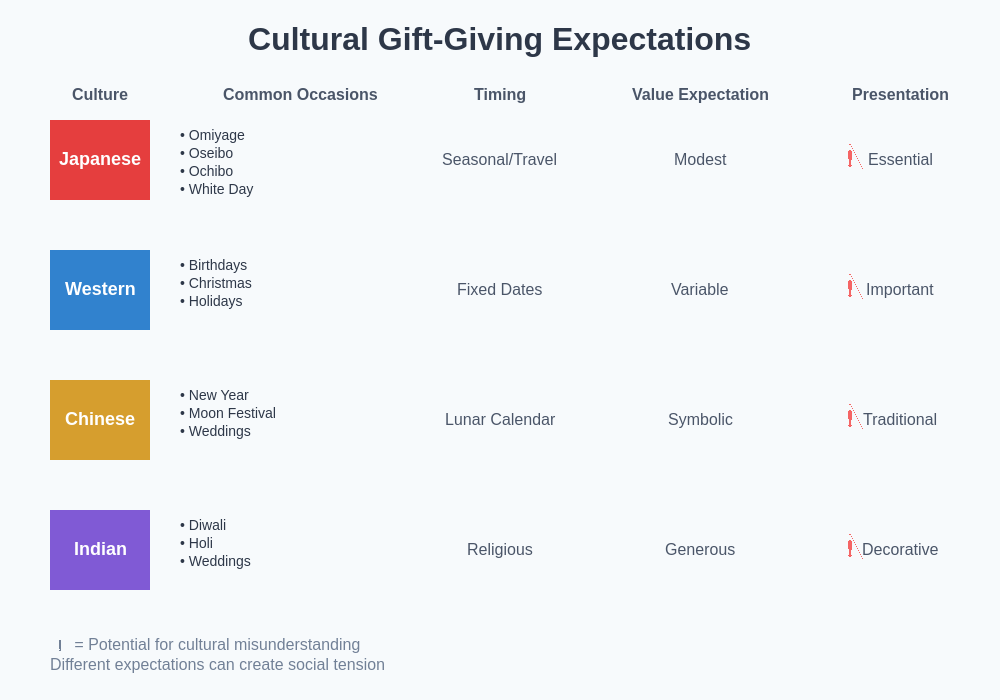
Different cultural backgrounds bring vastly different perspectives on when gifts are appropriate, what constitutes an acceptable gift, and the underlying meanings attached to various gift-giving scenarios. Japanese omiyage culture expects residents to bring small souvenirs after traveling, while Western traditions might focus on birthday celebrations or holiday exchanges, creating a web of conflicting expectations that no single resident can fully satisfy.
The timing of gift-giving presents another layer of complexity, as some cultures emphasize spontaneous gestures while others follow rigid seasonal or ceremonial schedules. Why holiday seasons increase homesickness becomes compounded when residents feel obligated to participate in multiple cultural celebrations throughout the year, each with its own gift-giving protocols and financial demands.
The value expectations create particularly uncomfortable situations when residents from different economic backgrounds attempt to participate in the same gift-giving customs. What might be considered a modest gesture in one culture could represent a significant financial burden for someone from a different economic situation, leading to feelings of inadequacy or resentment that undermine community harmony.
Economic Pressures and Financial Awkwardness
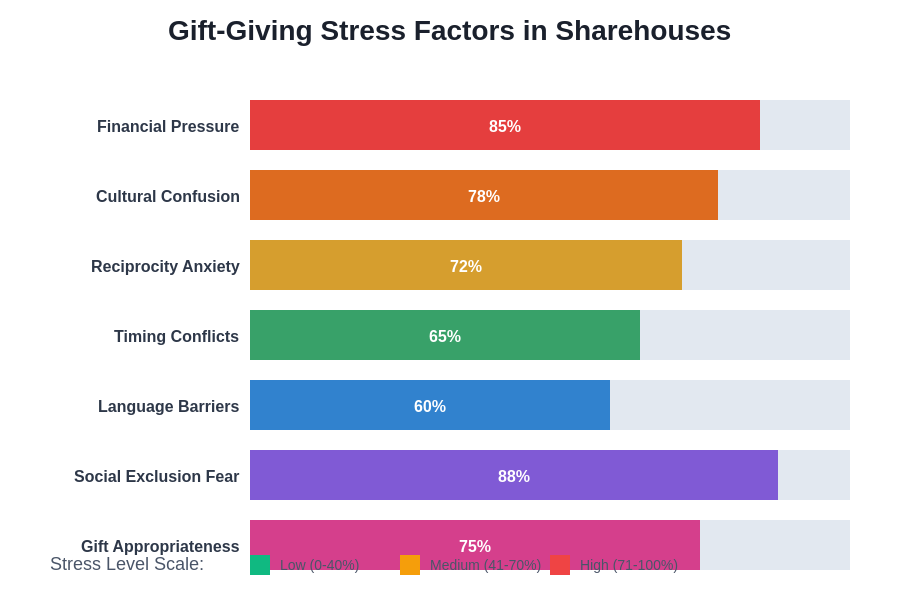
The financial implications of participating in multiple gift-giving traditions throughout the year can create substantial budget strain for residents already managing tight living expenses in Tokyo’s expensive environment. Living costs in Tokyo sharehouses explained rarely accounts for the social pressure to participate in regular gift exchanges that can add hundreds of dollars annually to living expenses.
Students and working holiday visa holders often face the most severe financial pressure, as their limited incomes must stretch to cover basic living needs while also meeting the social expectations of gift participation. The fear of appearing cheap or culturally insensitive drives many residents to spend beyond their means, creating financial stress that affects other areas of their Tokyo experience.
The reciprocity trap becomes particularly problematic when residents receive expensive gifts that create unspoken obligations to respond with items of similar value. This escalating gift exchange can quickly spiral beyond anyone’s original intentions, transforming what began as simple gestures of friendship into burdensome financial commitments that strain both budgets and relationships.
Currency exchange considerations add another layer of complexity for international residents who must calculate gift values across different monetary systems while trying to match cultural expectations. The fluctuating exchange rates can make gift budgeting nearly impossible, leading to situations where intended gestures fall short of cultural norms or exceed reasonable spending limits.
Social Hierarchy and Status Display Through Gifts
Gift-giving in sharehouses often becomes an unintended display of economic status and social positioning that creates uncomfortable hierarchies within what should be egalitarian living communities. Expensive gifts can make other residents feel inadequate, while modest offerings might be interpreted as lack of care or cultural understanding, despite the giver’s sincere intentions.
Professional residents with higher incomes may inadvertently establish gift-giving standards that other residents cannot match, creating a two-tier system where participation becomes a marker of economic capability rather than community spirit. Why some residents always feel like outsiders often stems from these subtle economic divisions that gift-giving customs can reinforce.
The competition element that emerges around gift-giving occasions transforms community celebrations into stress-inducing events where residents worry about their contributions being judged or compared. Birthday parties, farewell gatherings, and cultural holidays become performance spaces rather than genuine celebrations, undermining the community bonds they were intended to strengthen.
Brand consciousness and gift presentation standards vary dramatically across cultures, creating additional pressure points where residents must navigate unfamiliar social codes around packaging, timing, and accompanying gestures. The fear of committing cultural faux pas through inappropriate gift choices or presentation methods adds anxiety to what should be joyful occasions.
Timing Conflicts and Cultural Calendar Chaos
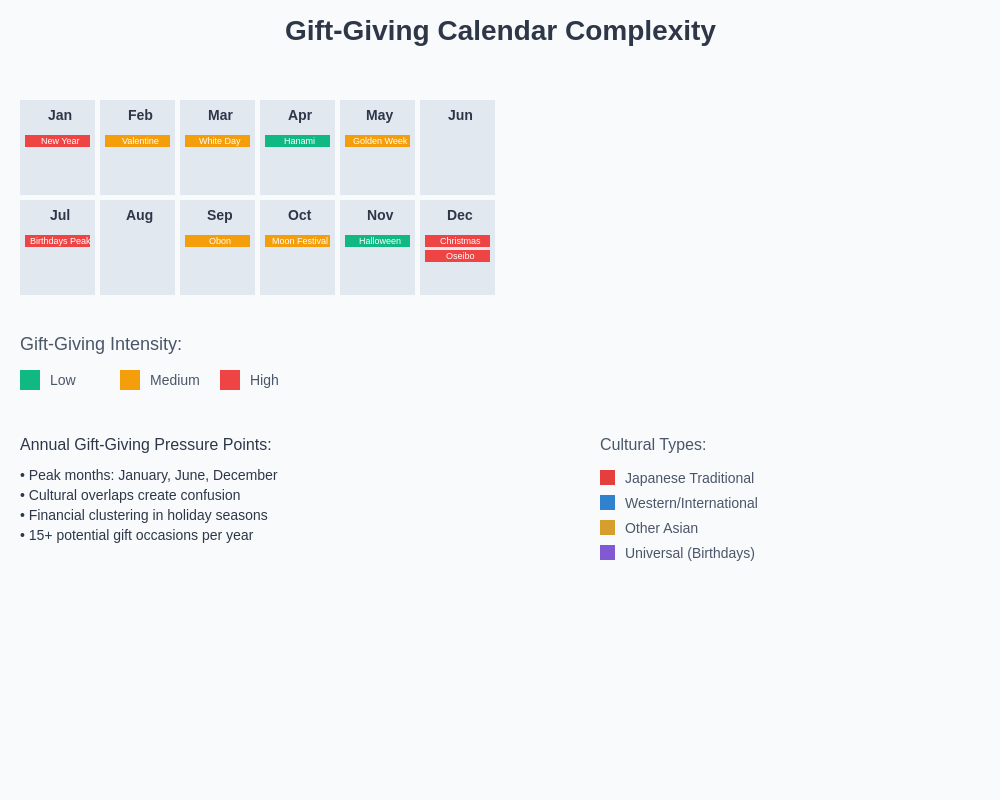
The overlapping calendar of cultural celebrations throughout the year creates a relentless schedule of gift-giving occasions that can overwhelm even well-intentioned residents. Japanese seasonal celebrations, Western holidays, Chinese New Year, various religious observances, and personal milestones create a nearly continuous stream of potential gift-giving opportunities.
Why cultural festivals affect house activities demonstrates how these overlapping celebrations can dominate house social calendars, with each requiring different levels of participation and gift preparation. Residents often find themselves caught between multiple cultural expectations, unsure which traditions take priority or how to balance competing obligations.
The advance planning required for meaningful gift-giving conflicts with the spontaneous nature of many sharehouse relationships, where residents may not know each other well enough to select appropriate gifts despite social pressure to participate in approaching celebrations. This creates a cycle of generic, impersonal gift exchanges that satisfy cultural forms while lacking genuine sentiment.
Birthday clustering during certain months can create particularly intense periods where multiple residents expect recognition, straining both budgets and creative gift-giving resources. The cumulative effect of these concentrated celebration periods often leads to gift fatigue, where later recipients receive less thoughtful attention simply due to timing coincidences.
Language Barriers and Gift Communication
The inability to effectively communicate gift-giving intentions, appreciation, or concerns creates numerous awkward situations where cultural meanings are lost or misinterpreted. Simple phrases like expressing gratitude, explaining gift choices, or declining participation politely require nuanced language skills that many international residents have not yet developed.
Written cards and gift messages present particular challenges when residents want to express sincere sentiments but lack the vocabulary or cultural knowledge to craft appropriate communications. Language barriers prevent deep friendships becomes especially apparent during gift-giving occasions when emotional expression requires sophisticated language skills.
The non-verbal communication surrounding gift-giving carries cultural significance that can be easily misunderstood, from the proper way to receive gifts to appropriate facial expressions and body language during exchange ceremonies. These subtle communication failures can turn positive gestures into uncomfortable interactions that damage relationships rather than strengthening them.
Explaining personal circumstances, financial limitations, or cultural differences that affect gift-giving participation requires diplomatic language skills that extend beyond basic conversational ability. Residents often choose awkward silence or inappropriate participation rather than attempting difficult conversations that might resolve underlying issues.
Reciprocity Expectations and Relationship Imbalances
The unspoken rules of gift reciprocity create complex relationship dynamics where residents must track who has given what to whom, when reciprocation is expected, and what level of response is appropriate. This mental accounting system transforms natural generosity into calculated exchanges that undermine authentic relationship building.
One-sided gift-giving creates uncomfortable power imbalances where recipients feel indebted or obligated to individuals they might not otherwise choose to have deeper relationships with. How to handle roommate conflicts without moving out becomes relevant when gift-giving creates unwanted social obligations or relationship expectations.
The memory burden of tracking gift exchanges across multiple residents, occasions, and cultural contexts often leads to forgotten obligations or duplicated efforts that create social awkwardness. Residents may inadvertently slight some housemates while over-acknowledging others, creating perceived favoritism that damages community harmony.
Cultural differences in reciprocity timing create confusion about when and how to respond to received gifts, with some traditions expecting immediate reciprocation while others anticipate delayed responses tied to specific occasions or circumstances. These timing mismatches can leave residents feeling either pressured or ignored, depending on their cultural background.
The Opt-Out Dilemma and Social Exclusion
Choosing not to participate in gift-giving traditions creates its own set of social challenges, as residents risk being perceived as antisocial, cheap, or culturally insensitive despite having legitimate reasons for non-participation. The social cost of opting out often feels disproportionately high compared to the financial cost of participation.
Why some residents become social outcasts frequently relates to their inability or unwillingness to participate in expected social customs like gift-giving, creating a cycle where financial limitations lead to social exclusion that further impacts their sharehouse experience.
The lack of socially acceptable ways to decline gift-giving participation forces residents into uncomfortable choices between financial strain and social isolation. Most sharehouses lack established protocols for residents to respectfully opt out of gift exchanges without appearing rude or uncaring.
Creating alternative forms of participation that don’t involve monetary expenditure requires community leadership and cultural sensitivity that most sharehouses have not developed. Without these alternatives, residents with financial constraints face systematic exclusion from community bonding activities.
Gift Appropriateness and Cultural Sensitivities
Selecting appropriate gifts across different cultural contexts requires knowledge of religious restrictions, cultural taboos, and personal preferences that residents rarely possess about their housemates. Cultural differences affect friendship building becomes apparent when well-intentioned gifts accidentally offend or exclude recipients due to cultural misunderstandings.
Religious dietary restrictions affect food gifts, while cultural taboos around certain colors, numbers, or items can turn thoughtful gestures into uncomfortable situations. The complexity of navigating these sensitivities across multiple cultures within a single house creates paralysis where residents avoid gift-giving entirely rather than risk causing offense.
Personal lifestyle choices around alcohol, meat consumption, or material possessions create additional complications when residents must select gifts without knowing intimate details about their housemates’ preferences and restrictions. Generic gifts often feel impersonal, while specific choices risk missing the mark entirely.
Gender considerations in gift-giving vary significantly across cultures, with some traditions maintaining strict protocols about appropriate gifts between different genders while others emphasize equality. These conflicting approaches create confusion and potential for misinterpretation that undermines gift-giving intentions.
Seasonal Pressure and Holiday Overload
The concentration of gift-giving occasions during certain seasons creates intense pressure periods where residents must navigate multiple celebrations simultaneously while maintaining quality and appropriateness across all occasions. The Christmas and New Year period particularly overwhelms international residents who may be unfamiliar with Japanese year-end customs while also managing their own cultural traditions.
How cultural adaptation happens gradually suggests that residents need time to understand and integrate different gift-giving customs, but seasonal celebrations don’t wait for this learning process to complete. The pressure to participate immediately in unfamiliar customs creates stress and often results in inappropriate choices.
The financial clustering of gift-giving occasions during holiday seasons compounds budget strain when residents already face additional expenses for travel, special meals, and personal celebrations. This timing creates impossible choices between financial responsibility and social participation that damage both individual well-being and community relationships.
Shopping logistics during peak gift-giving seasons add practical challenges when popular items become unavailable, prices increase, and crowded stores make gift selection more difficult. International residents who are unfamiliar with Tokyo’s shopping patterns and seasonal availability face additional obstacles in meeting cultural expectations.
Building Inclusive Gift-Giving Alternatives
Successful sharehouses often develop community agreements about gift-giving that acknowledge cultural diversity while reducing individual pressure and financial burden. These might include spending limits, rotating responsibilities, or alternative forms of recognition that don’t require monetary expenditure but still honor cultural values of appreciation and community building.
Making friends through Tokyo sharehouse communities becomes more achievable when houses establish inclusive traditions that allow all residents to participate meaningfully regardless of their cultural background or financial situation. Creative alternatives like skill-sharing, home-cooked meals, or collaborative experiences can replace expensive gift exchanges while building stronger community bonds.
The development of house-specific traditions that blend elements from different cultures creates unique celebration styles that belong to the community rather than privileging any single cultural approach. These hybrid celebrations can reduce the pressure of conforming to unfamiliar customs while still honoring the spirit of recognition and appreciation that underlies gift-giving traditions.
Communication protocols that allow residents to express their preferences, limitations, and cultural concerns about gift-giving create safer spaces for navigating these complex social dynamics. Regular house meetings or informal discussions about upcoming celebrations can prevent misunderstandings and ensure that all residents feel comfortable with community approaches to gift-giving.
The seemingly simple act of giving gifts in sharehouse communities reveals the intricate challenges of cross-cultural living, where good intentions collide with practical limitations and cultural expectations create social complications that extend far beyond the gifts themselves. Understanding these dynamics allows residents and house communities to develop more inclusive and sustainable approaches to celebration and recognition that honor cultural diversity while building authentic community bonds. The goal becomes creating environments where residents can express appreciation and build relationships without the financial stress, cultural confusion, or social awkwardness that traditional gift-giving customs often impose in international living situations.
Disclaimer
This article is for informational purposes only and reflects general observations about gift-giving customs in international shared living situations. Cultural practices and individual experiences may vary significantly. Readers should consider their specific circumstances and community dynamics when navigating gift-giving situations. The content does not constitute advice on financial management or cultural etiquette, and individuals should make decisions based on their personal values, capabilities, and cultural understanding.