Golden Week represents one of Japan’s most significant holiday periods, creating profound ripple effects throughout Tokyo’s housing market that extend far beyond simple vacation planning. This concentrated week of national holidays fundamentally alters rental dynamics, pricing structures, and availability patterns in ways that catch many international residents completely off guard. Understanding these market fluctuations becomes essential for anyone navigating Tokyo’s sharehouse landscape, whether seeking new accommodation or planning housing transitions during this critical period.
The timing and intensity of Golden Week’s impact on housing markets stem from deep-rooted cultural practices surrounding work, leisure, and residential mobility in Japanese society. Unlike typical vacation periods in other countries, Golden Week triggers simultaneous mass movement patterns that create unique supply and demand pressures across different segments of Tokyo’s rental market. These changes affect not only immediate availability but also long-term pricing trends that influence housing costs throughout the entire year.
Understanding Golden Week’s Market Mechanics
Golden Week’s influence on Tokyo’s housing market operates through multiple interconnected mechanisms that amplify typical seasonal fluctuations into significant market disruptions. The concentration of national holidays within a single week creates synchronized behavior patterns among millions of residents, tourists, and businesses that would normally spread their activities across longer time periods. This compression effect magnifies both positive and negative market pressures in ways that create opportunities and challenges for different segments of the housing market.
The primary driver of housing market changes during Golden Week lies in the massive population movements that occur as urban residents temporarily relocate for extended vacations, family visits, and cultural activities. How to find the perfect sharehouse in Tokyo becomes particularly challenging during this period as normal search and viewing processes become disrupted by reduced availability and altered market dynamics.
International tourism surges during Golden Week create additional pressure on short-term accommodation options, indirectly affecting the broader rental market as property owners and management companies shift focus toward higher-revenue vacation rental opportunities. This temporary reallocation of housing stock reduces available inventory for traditional rental arrangements while simultaneously increasing competition among prospective tenants for remaining options.
The psychological impact of Golden Week on housing decisions extends beyond immediate practical considerations to influence long-term planning and commitment levels among both landlords and tenants. The holiday period often serves as a natural reflection point for residents to evaluate their current living situations and consider potential changes, leading to increased turnover rates and market activity in the weeks surrounding the holiday period.
Rental Price Fluctuations and Market Timing
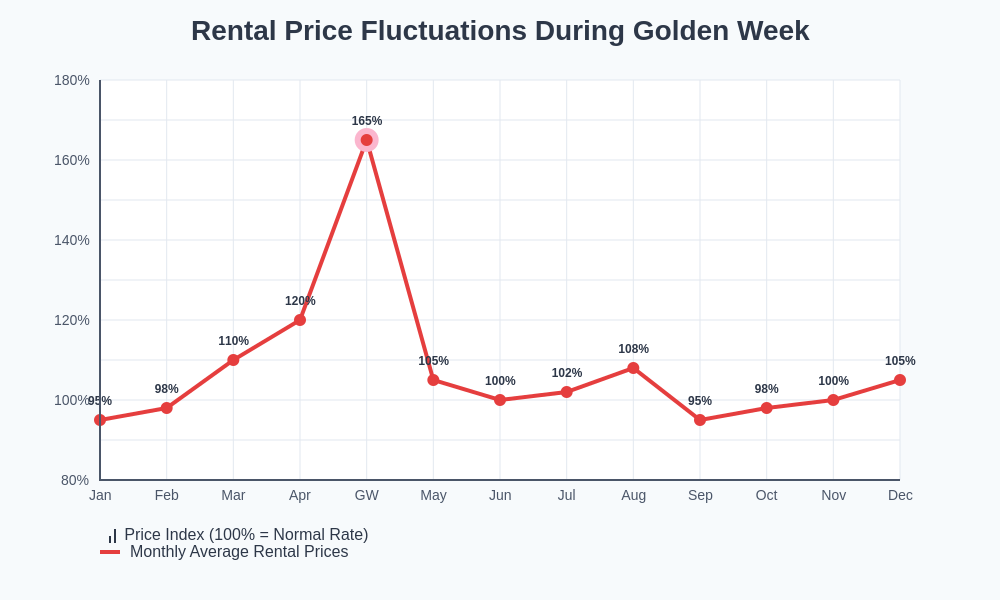
Rental pricing during Golden Week demonstrates complex patterns that reflect both immediate supply constraints and broader seasonal adjustment cycles that affect housing costs throughout the year. The traditional Japanese moving season, which peaks in March and April just before Golden Week, creates pre-existing market pressures that the holiday period either exacerbates or temporarily relieves depending on specific market segments and geographic areas within Tokyo.
Short-term rental rates typically experience dramatic increases during Golden Week as property owners capitalize on tourist demand and temporary accommodation needs. These elevated rates can reach two to three times normal pricing levels, creating strong incentives for some landlords to shift properties away from long-term rental arrangements toward more lucrative vacation rental models during peak demand periods.
Living costs in Tokyo sharehouses explained becomes more complex during Golden Week as additional fees, surcharges, and premium pricing structures emerge across different types of accommodation options. Management companies often implement special pricing policies for move-ins, contract modifications, and service requests during the holiday period, affecting both immediate costs and long-term budget planning for residents.
The post-Golden Week market adjustment period typically sees price corrections and availability changes as properties return to normal rental arrangements and demand patterns stabilize. Understanding these cyclical patterns helps informed renters time their housing searches and contract negotiations to optimize both availability and pricing outcomes throughout the year.
Availability Constraints and Inventory Management
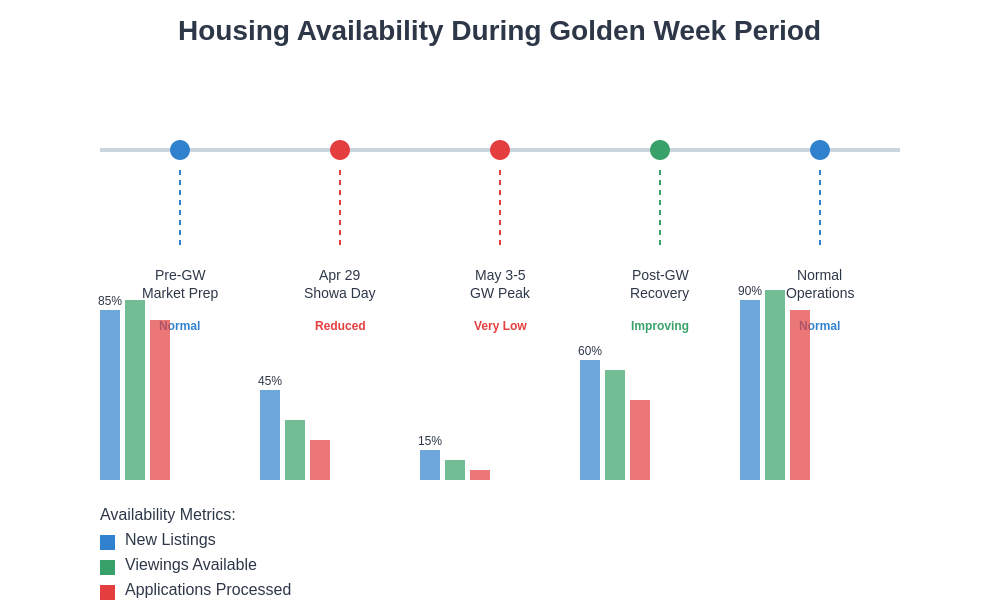
Property availability during Golden Week reflects the intersection of reduced operational capacity, increased demand, and strategic inventory management decisions by landlords and management companies. Many sharehouse operators temporarily suspend normal leasing activities, property viewings, and move-in processes during the holiday period, creating artificial scarcity that affects market dynamics both during and after the holiday week.
The concentration of tourism and temporary visitors during Golden Week leads many property managers to prioritize short-term, high-revenue opportunities over traditional rental arrangements. Best sharehouses in Tokyo often experience reduced availability as operators shift focus toward vacation rental markets that offer premium pricing during peak demand periods.
Maintenance and renovation activities frequently cluster around Golden Week as property owners take advantage of reduced tenant occupancy and availability of service providers who may have more flexible scheduling during the holiday period. These planned disruptions further reduce available inventory while potentially improving property conditions for post-holiday rental markets.
International residents often struggle with the reduced responsiveness of property management services during Golden Week, as many companies operate with skeleton staff or temporary closures that delay application processing, maintenance requests, and other essential services. Japanese sharehouse rules every foreigner should know become particularly relevant during this period as communication channels and support systems may be limited or unavailable.
Tourist Impact on Local Housing Markets
The massive influx of domestic and international tourists during Golden Week creates cascading effects throughout Tokyo’s housing ecosystem that extend far beyond traditional tourist accommodation sectors. Hotels, hostels, and vacation rentals experience peak demand that often spills over into alternative accommodation options, including sharehouses that normally cater to long-term residents.
Tourist overflow demand affects sharehouse markets primarily through increased competition for available rooms and altered pricing expectations among property operators who recognize opportunities for premium revenue generation. Some sharehouse operators strategically market rooms to tourists during Golden Week, temporarily displacing or restricting access for traditional long-term residents seeking accommodation during this period.
English speaking sharehouses in Tokyo for foreigners often experience particular pressure during Golden Week as international tourists seek familiar, English-friendly accommodation options that align with their cultural comfort zones and communication preferences.
The geographic distribution of tourist activity during Golden Week creates uneven pressure across different Tokyo neighborhoods, with areas near major attractions, transportation hubs, and cultural sites experiencing disproportionate impacts on local housing availability and pricing. Best Tokyo neighborhoods for sharehouse living requires consideration of tourism patterns and their effects on residential communities during peak holiday periods.
Business and Employment Sector Influences
Golden Week’s impact on housing markets reflects broader economic patterns as different business sectors experience varying levels of activity, staffing changes, and operational adjustments that affect employee housing needs and market demand patterns. Service industries often experience peak demand during Golden Week, requiring temporary staffing increases that create short-term housing pressures in specific geographic areas and market segments.
Manufacturing and office-based businesses typically shut down or operate with reduced capacity during Golden Week, creating temporary population outflows from business districts and residential areas that normally house commuting workers. This temporary reduction in demand can create brief opportunities for advantageous rental arrangements in certain neighborhoods, particularly those with high concentrations of business-focused housing.
Business district sharehouses near Tokyo Station often experience reduced demand during Golden Week as the temporary exodus of business travelers and professionals creates unusual availability in normally competitive markets. However, this temporary softening may be offset by tourist demand and alternative use of these strategically located properties.
Employment pattern changes during Golden Week also affect long-term housing decisions as workers use the extended holiday period to evaluate career opportunities, consider job changes, and plan residential relocations that align with new employment situations. These planning activities often translate into increased housing market activity in the weeks following Golden Week as residents implement decisions made during their holiday reflection period.
Regional Variation and Neighborhood Dynamics
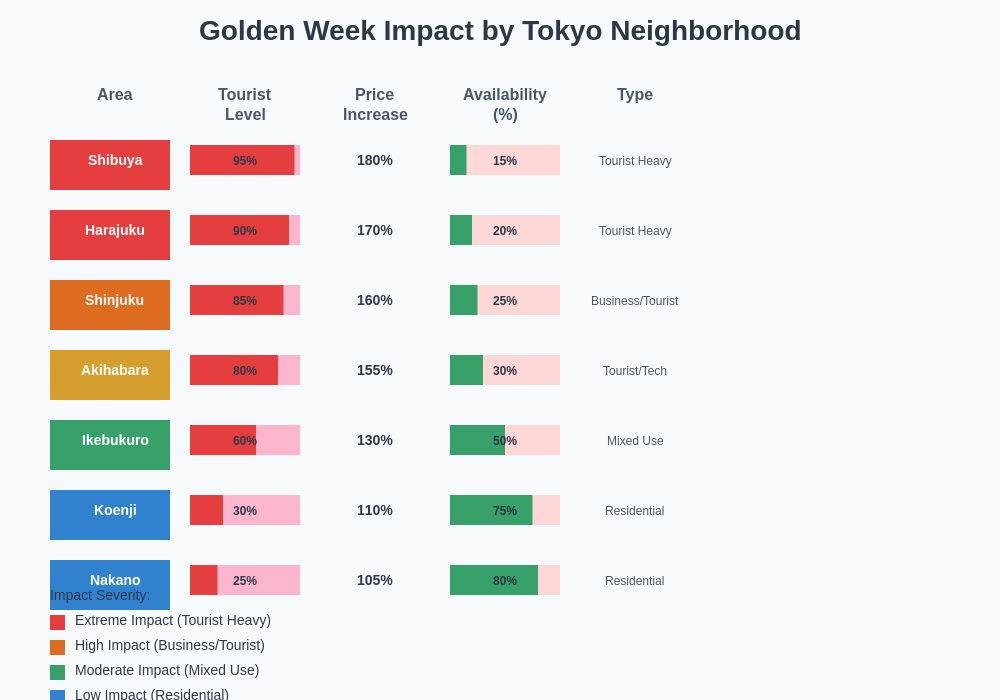
Different Tokyo neighborhoods experience Golden Week housing market impacts in dramatically different ways, reflecting varying concentrations of tourists, residents, businesses, and cultural attractions that create localized supply and demand patterns. Central Tokyo areas with major tourist attractions typically see the most dramatic market disruptions, while suburban residential neighborhoods may experience relatively minor changes or even temporary improvements in availability and pricing.
Tourist-heavy districts such as Shibuya, Harajuku, and Asakusa experience intense pressure on all forms of accommodation during Golden Week, creating spillover effects that impact nearby residential areas and sharehouse markets. Student sharehouses near top Tokyo universities in these areas often face particular challenges as university communities intersect with tourist influxes.
Residential neighborhoods with limited tourist appeal may actually benefit from Golden Week dynamics as reduced local demand combines with spillover interest from tourists seeking more affordable or authentic accommodation experiences away from traditional tourist zones. Cheaper sharehouse options in Tokyo suburbs may become more attractive during Golden Week for both tourists and residents seeking to avoid central area premiums.
Transportation accessibility becomes a critical factor during Golden Week as crowded trains and altered schedules affect the relative attractiveness of different neighborhoods for both tourists and residents. Areas with good transportation connections may experience increased demand, while less accessible locations might see reduced interest despite potentially lower pricing.
Strategic Planning and Market Adaptation
Successful navigation of Golden Week’s housing market impacts requires strategic planning that accounts for both immediate disruptions and longer-term market cycles that extend well beyond the holiday period itself. Timing housing searches, contract negotiations, and residential moves around Golden Week demands understanding of both pre-holiday preparation periods and post-holiday adjustment phases that affect market conditions.
Property managers and sharehouse operators often implement special policies and procedures for Golden Week that affect application processes, move-in schedules, and service availability. How to handle roommate conflicts without moving out becomes particularly relevant during Golden Week when reduced management support and heightened stress levels can exacerbate residential tensions.
International residents benefit from understanding Golden Week’s cultural significance and planning implications that extend beyond simple vacation scheduling to encompass broader social and economic patterns. Living with Japanese roommates in Tokyo sharehouses requires sensitivity to Golden Week traditions and expectations that may affect household dynamics and community relationships.
Financial planning for Golden Week should account for potential premium pricing, reduced service availability, and opportunity costs associated with delayed housing decisions or suboptimal timing of residential moves. How much Tokyo sharehouses really cost per month requires adjustment for seasonal variations and Golden Week-specific market conditions that affect both immediate and long-term housing expenses.
Long-term Market Implications and Trends
Golden Week’s influence on Tokyo’s housing market extends far beyond the immediate holiday period to shape longer-term trends in pricing, availability, and market structure that affect housing conditions throughout the year. The annual predictability of Golden Week impacts allows market participants to develop strategies and expectations that influence decision-making patterns well before and after the actual holiday period.
The growing popularity of vacation rentals and short-term accommodation platforms has amplified Golden Week’s impact on traditional rental markets as property owners increasingly view the holiday period as an opportunity for premium revenue generation. This trend reduces the overall inventory available for long-term rental arrangements while creating new competitive pressures and pricing expectations throughout the year.
Climate change and evolving work patterns may alter traditional Golden Week impacts as remote work options, changing tourism patterns, and modified holiday schedules affect the concentration and intensity of market disruptions. Real stories from Tokyo sharehouse residents increasingly reflect these changing dynamics and their effects on resident experiences during holiday periods.
Urban development patterns and infrastructure improvements continue to reshape how Golden Week affects different areas of Tokyo, with new transportation links, commercial developments, and residential projects altering traditional patterns of tourism and residential demand. Understanding these evolving dynamics helps residents and property seekers anticipate future market conditions and plan accordingly for both immediate needs and long-term housing strategies.
The intersection of Golden Week dynamics with broader economic trends, demographic changes, and international tourism patterns creates an increasingly complex landscape that requires sophisticated understanding of multiple interacting factors. Successful navigation of these challenges depends on maintaining awareness of both traditional patterns and emerging trends that continue to reshape Tokyo’s housing market in response to changing social and economic conditions.
Golden Week’s impact on Tokyo’s housing market represents a fascinating case study in how cultural traditions, economic pressures, and social patterns intersect to create unique market dynamics that affect millions of residents and visitors. Understanding these impacts provides valuable insights into the broader functioning of Japanese society and the practical realities of urban living in one of the world’s most dynamic cities.
Disclaimer
This article is for informational purposes only and does not constitute professional real estate or financial advice. Golden Week impacts on housing markets can vary significantly based on economic conditions, policy changes, and other factors. Readers should conduct their own research and consult with qualified professionals when making housing decisions. Market conditions and rental availability during Golden Week may change from year to year based on various economic and social factors.