Graduate students represent a distinct demographic within Tokyo’s sharehouse ecosystem, possessing unique requirements that fundamentally differ from undergraduate students, working professionals, and other resident categories. The advanced nature of graduate studies, combined with research demands, irregular schedules, and specific academic pressures, creates a complex set of needs that standard sharehouse arrangements often fail to adequately address. Understanding these distinctive requirements becomes essential for both graduate students seeking appropriate housing and sharehouse operators aiming to serve this specialized market effectively.
The transition from undergraduate to graduate studies marks a significant shift in academic responsibility, lifestyle demands, and housing priorities that extends far beyond simple age or experience differences. Graduate students frequently juggle research projects spanning multiple years, teaching responsibilities, conference presentations, and thesis writing that require specialized living environments capable of supporting intensive intellectual work while maintaining the social and cultural benefits that make sharehouse living attractive for international students in Tokyo.
Extended Study Sessions and Quiet Space Requirements
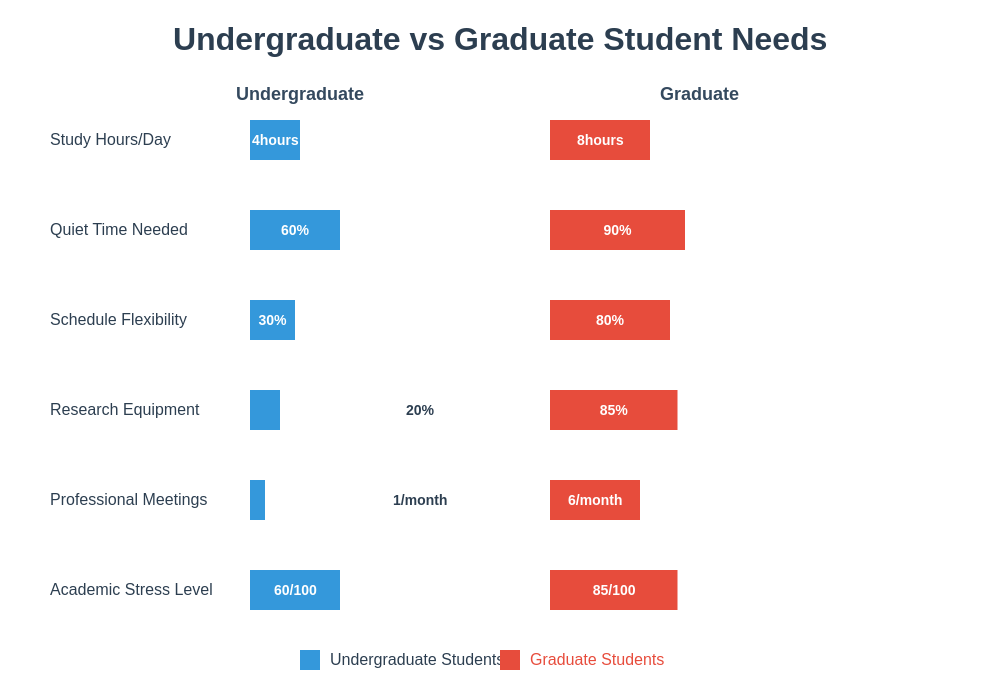
Graduate research demands create fundamentally different space utilization patterns compared to other sharehouse residents, with many graduate students requiring extended periods of uninterrupted concentration for complex analytical work, data processing, and academic writing. Student sharehouses near top Tokyo universities often cater to undergraduate populations whose study habits and space needs differ significantly from graduate-level requirements.
The nature of graduate research frequently involves marathon study sessions that can extend deep into the night or begin in the early morning hours, depending on research schedules, laboratory access, and international collaboration requirements. These irregular patterns create potential conflicts with housemates who maintain more conventional schedules, making it essential for graduate students to identify sharehouses with adequate soundproofing, designated quiet hours, and understanding resident communities.
Library closures, limited campus access during holidays, and the need for immediate access to research materials make having a proper study environment within the sharehouse crucial for graduate students. Unlike undergraduate coursework that can often be completed in various environments, graduate research frequently requires consistent access to specialized resources, multiple monitors for data analysis, and the ability to leave work materials undisturbed for extended periods.
The requirement for absolute silence during critical thinking phases often conflicts with the social atmosphere that many sharehouses actively promote, creating tension between graduate students’ academic needs and the community-oriented culture that makes sharehouse living appealing. Making friends through Tokyo sharehouse communities explores social dynamics that may need adjustment to accommodate serious academic work.
Irregular Schedule Management and Flexibility Needs
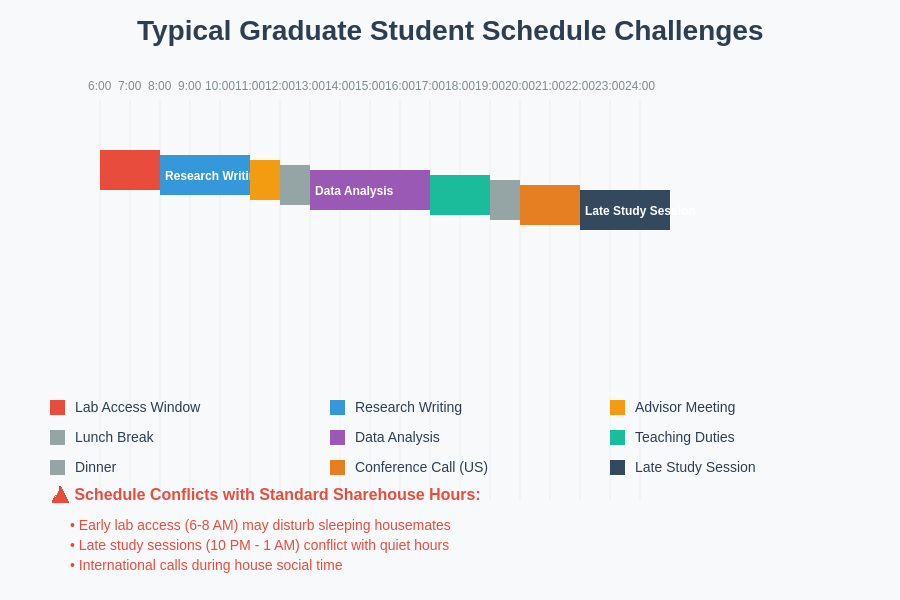
Graduate study schedules operate on fundamentally different rhythms compared to structured undergraduate programs or regular employment patterns, with research timelines, laboratory access windows, and international conference calls often dictating daily routines that conflict with standard sharehouse operating procedures. The unpredictable nature of research breakthroughs, experiment failures, and deadline pressures creates scheduling demands that require exceptional flexibility from both housing arrangements and fellow residents.
Laboratory access restrictions, equipment availability, and supervisor meetings often force graduate students to maintain highly irregular daily schedules that can shift dramatically based on research phases, academic calendars, and external collaboration requirements. How university schedules affect sharehouse rhythms examines how academic calendars impact shared living dynamics, though graduate schedules often operate independently of standard university rhythms.
Conference seasons, submission deadlines, and defense preparations create periods of intense work that may require graduate students to essentially disappear from house social activities for weeks or months at a time, followed by periods of relative availability that allow for community engagement. This cyclical pattern differs dramatically from the consistent availability patterns of working professionals or the semester-based rhythms of undergraduate students.
International graduate students often maintain communication schedules with advisors, collaborators, or family members across multiple time zones, requiring quiet spaces for video calls during unconventional hours that may disturb other residents. The global nature of academic collaboration means that important meetings or research discussions can occur at any time of day or night, demanding housing flexibility that many standard sharehouse arrangements cannot accommodate.
Research Equipment and Storage Requirements
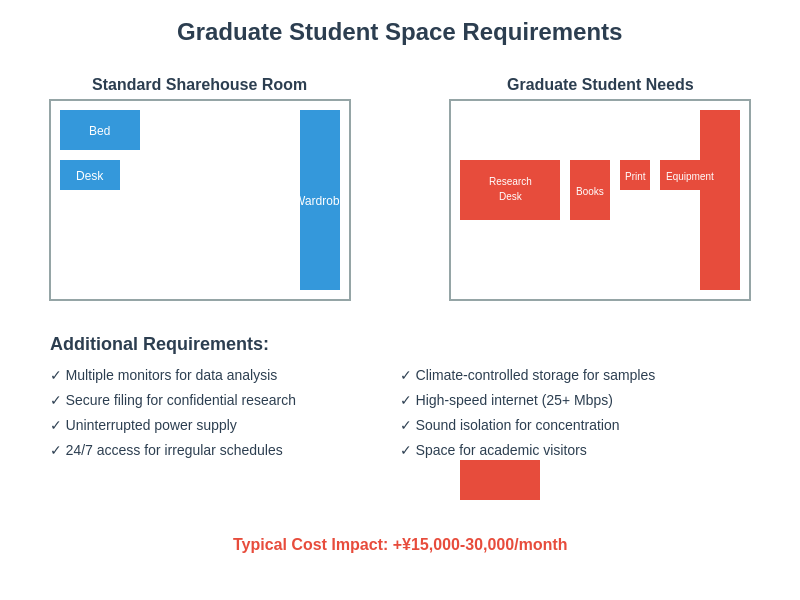
Modern graduate research increasingly requires specialized equipment, extensive book collections, and document storage that exceeds the typical personal belongings allowance in most sharehouses designed for general student populations. Laboratory notebooks, research samples, specialized computers, multiple monitors, and reference libraries create storage demands that can quickly overwhelm standard room configurations and shared storage solutions.
The value and sensitivity of research materials often necessitate enhanced security measures beyond typical sharehouse provisions, with years of irreplaceable data, expensive equipment, and confidential research documents requiring protection that basic shared living arrangements rarely provide. Personal belongings disappear despite locks highlights security concerns that become particularly critical for graduate students with valuable research assets.
Data backup requirements, server access needs, and cloud storage demands create technology infrastructure requirements that may exceed standard sharehouse internet and power capabilities, particularly for students working with large datasets, computational modeling, or multimedia research projects. The reliability and speed of internet connections become crucial factors rather than convenience features for graduate students whose research productivity depends on consistent connectivity.
Climate-controlled storage becomes essential for students working with sensitive materials, biological samples, or archival documents that require specific environmental conditions to maintain integrity throughout multi-year research projects. Standard sharehouse storage solutions rarely account for these specialized preservation requirements that can determine research success or failure.
Financial Constraints and Extended Timeline Considerations
Graduate student finances operate under fundamentally different constraints compared to working professionals or funded undergraduate students, with stipends, research assistantships, and fellowship funding creating income patterns that may not align with standard monthly rent cycles or require specialized accommodation during funding gaps. How much Tokyo sharehouses really cost per month provides general cost frameworks that may need modification for graduate student financial realities.
The extended timeline of graduate programs, often spanning four to seven years, creates housing stability requirements that exceed typical sharehouse resident turnover patterns and may require long-term arrangements that provide security throughout degree completion. Unlike undergraduate programs with clear four-year timelines or employment situations with predictable income, graduate studies involve uncertain completion dates that complicate housing planning and financial commitments.
Conference travel, research trips, and fieldwork requirements create periods when graduate students may be absent from sharehouses for extended periods while still needing to maintain their housing arrangements, requiring flexible payment structures or sublet arrangements that many standard sharehouse contracts prohibit. How long distance travel affects house payments examines these challenges that become particularly acute for graduate students with research travel obligations.
Equipment purchases, conference fees, and research material costs create competing demands for limited financial resources that may require graduate students to prioritize housing affordability over amenities that other resident categories might consider essential. The investment in academic career development often necessitates choosing basic accommodation to fund research activities, conference attendance, and professional development opportunities.
Academic Pressure and Mental Health Considerations
The psychological demands of graduate study create stress levels and mental health challenges that differ qualitatively from undergraduate academic pressure or professional work stress, with isolation, imposter syndrome, and thesis anxiety requiring supportive living environments that understand and accommodate academic mental health needs. Mental health support varies in sharehouses explores how different living arrangements address resident wellbeing with varying degrees of effectiveness.
The solitary nature of much graduate research, combined with the uncertainty inherent in original research projects, creates social isolation risks that make supportive sharehouse communities particularly valuable while simultaneously making social integration more challenging due to work demands and schedule conflicts. Graduate students often struggle to balance the need for social connection with the intensive focus required for advanced academic work.
Thesis writing phases, comprehensive examinations, and dissertation defenses create periods of extreme stress that require understanding housemates and flexible living arrangements capable of supporting residents through academic crises without compromising community harmony. How exam periods create stress for everyone touches on academic stress in shared living, though graduate-level pressures often exceed typical examination stress.
The competitive nature of academic job markets and research funding creates chronic anxiety about career prospects that can affect daily interactions and require supportive rather than judgmental living environments. Graduate students often benefit from housemates who understand academic career pressures and can provide emotional support during challenging research phases or career uncertainty.
Professional Development and Networking Opportunities
Graduate students require housing arrangements that support professional development activities including hosting academic visitors, participating in research collaborations, and maintaining professional appearances for conferences and academic events. How academic networking happens in sharehouses examines how shared living can facilitate academic connections, though graduate students often need more sophisticated networking support than undergraduate students.
The need to maintain professional credibility while living in shared accommodation creates unique challenges for graduate students who must balance cost-effective housing with the ability to present themselves professionally to advisors, committee members, and academic peers. Video conference backgrounds, noise control during important calls, and space for formal meetings become practical considerations that affect academic success.
Research collaboration requirements may necessitate hosting academic visitors, organizing study groups, or participating in research meetings that require appropriate space and housemate cooperation. Graduate students often need occasional access to formal meeting spaces or the ability to transform common areas for academic purposes without disrupting house operations.
Conference preparation, presentation practice, and thesis defense rehearsals require space and timing flexibility that allows for intensive preparation without disturbing other residents or being interrupted during critical practice sessions. The high stakes of academic presentations make quiet, private preparation space essential rather than optional.
International Student Specific Challenges
International graduate students face additional complications including visa restrictions that may affect housing eligibility, cultural differences in academic expectations, and language barriers that can complicate both research work and sharehouse living. Living with Japanese roommates in Tokyo sharehouses provides insights into cross-cultural living that become particularly relevant for international graduate students navigating academic and social integration simultaneously.
Visa renewal requirements, travel restrictions, and immigration status considerations create additional stress factors that require understanding and supportive living environments capable of accommodating the unique challenges faced by international students pursuing advanced degrees in foreign countries. How visa status affects your sharehouse application examines these complications that often intensify for graduate students with longer program durations.
The need to maintain connection with home institutions, advisors, or research collaborators across different time zones creates communication requirements that may conflict with house quiet hours or social expectations, requiring flexibility and understanding from both residents and house management. Time zone differences can make maintaining international research relationships particularly challenging in shared living environments.
Language barriers can significantly impact graduate students’ ability to participate in house activities or resolve conflicts, while simultaneously affecting their academic performance and research productivity. The stress of conducting advanced academic work in a second language while navigating shared living challenges creates compounded difficulties that require specialized support and understanding.
Technology and Infrastructure Dependencies
Graduate research increasingly depends on robust technology infrastructure including high-speed internet, reliable power supplies, and climate control systems that protect sensitive equipment and maintain consistent working conditions throughout year-round research activities. How smart home features change daily routines examines technology integration in sharehouses, though graduate student needs often exceed standard smart home conveniences.
Data security requirements for research projects may necessitate secured network connections, encrypted storage solutions, and backup systems that require technical infrastructure beyond typical sharehouse offerings. Graduate students often work with sensitive data that requires protection levels incompatible with shared network environments or basic security measures.
The need for multiple monitors, specialized software, and high-performance computing equipment creates space and power demands that may exceed standard room configurations and electrical systems. Research simulations, data analysis, and multimedia projects often require equipment setups that can overwhelm typical bedroom electrical circuits or create heat and noise issues for neighboring rooms.
Cloud storage limitations, institutional VPN requirements, and research database access needs create internet usage patterns that may conflict with house bandwidth limitations or fair usage policies designed for general student populations rather than intensive research activities.
Long-term Academic Planning Considerations
Graduate degree timelines create housing planning challenges that extend well beyond typical rental periods, with program completion uncertainty making long-term housing commitments both necessary and risky for students who cannot predict exact graduation dates or post-graduation plans. How career changes affect sharehouse eligibility examines how changing life circumstances impact housing situations, though graduate students face unique timeline uncertainty.
The transition from graduate student to post-doctoral researcher, academic employment, or industry positions creates housing transition challenges that require flexibility and planning support from sharehouse arrangements capable of accommodating career development uncertainty. Graduate students often need housing situations that can adapt to changing academic status and financial circumstances.
Research project timelines, funding cycles, and academic job market realities create unpredictable completion schedules that make traditional lease arrangements challenging for graduate students who may need to extend their programs or accelerate completion based on research progress and opportunity availability.
How to find perfect sharehouse tokyo provides general guidance for sharehouse selection, though graduate students require specialized consideration of academic requirements, research needs, and career development support that standard selection criteria may not adequately address.
The unique combination of intensive academic demands, irregular schedules, specialized equipment needs, extended timelines, and professional development requirements creates a complex set of housing needs that distinguish graduate students from other sharehouse demographics. Success in graduate studies often depends on finding housing arrangements that understand and support these distinctive requirements while maintaining the cultural immersion and cost benefits that make sharehouse living attractive for international students pursuing advanced degrees in Tokyo.
Understanding these specialized needs enables both graduate students and sharehouse operators to create living arrangements that support academic success while fostering the international community experiences that enrich the graduate education journey in one of the world’s most dynamic academic environments.
Disclaimer
This article is for informational purposes only and does not constitute professional academic or housing advice. Graduate program requirements and sharehouse policies vary significantly between institutions and properties. Readers should research specific program needs and housing options that align with their individual academic goals and requirements. The challenges and considerations mentioned may not apply to all graduate students or academic programs.