The dynamics of group discussions in Tokyo sharehouses reveal a complex interplay of linguistic proficiency, cultural understanding, and social positioning that consistently advantages native speakers over their international counterparts. This phenomenon extends beyond simple vocabulary limitations, encompassing subtle communication patterns, cultural references, and implicit social hierarchies that can significantly impact the quality of interactions and decision-making processes within shared living environments.
Understanding these dynamics becomes crucial for international residents seeking to build meaningful relationships and participate effectively in their sharehouse communities. The challenges faced by non-native speakers in group settings affect everything from daily decision-making about household matters to deeper conversations about personal experiences and cultural exchange, ultimately shaping the overall social atmosphere and inclusivity of the living environment.
The Foundation of Linguistic Privilege
Native speakers possess an inherent linguistic advantage that manifests in multiple dimensions of communication, creating an unconscious hierarchy in group discussions that can marginalize non-native participants despite good intentions from all parties involved. The speed of natural conversation, idiomatic expressions, and cultural context embedded in everyday language create barriers that extend far beyond basic comprehension difficulties.
The cognitive load experienced by non-native speakers during rapid group conversations requires simultaneous processing of vocabulary, grammar, pronunciation, and cultural context while formulating appropriate responses under social pressure. Language barriers that prevent deep friendships explores how these challenges affect relationship building beyond surface-level interactions.
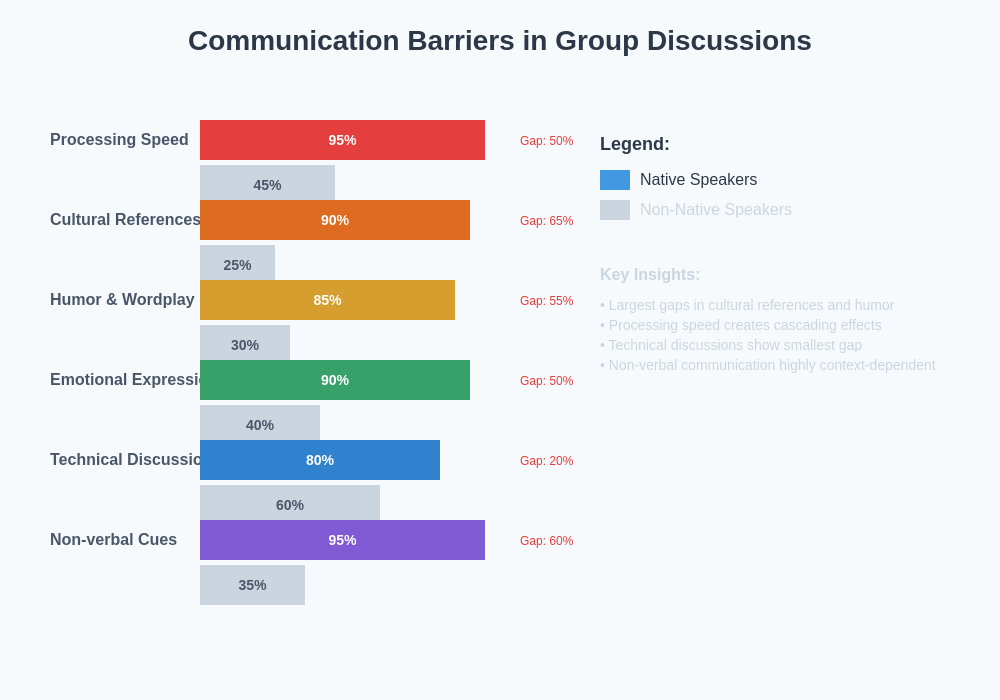
Fluency in colloquial expressions, slang, and contemporary linguistic trends gives native speakers the ability to express complex ideas efficiently while using humor, wordplay, and cultural references that resonate immediately with other native speakers. This creates an invisible divide where non-native speakers may understand the literal meaning of conversations while missing underlying jokes, implications, or emotional nuances that strengthen social bonds among native participants.
The unconscious assumption of shared linguistic competence leads native speakers to maintain natural conversation speeds and complexity levels that may exclude non-native participants from contributing meaningfully to discussions, even when these participants possess valuable insights and experiences that could enrich the conversation.
Cultural Context and Reference Systems
Group discussions in Japanese sharehouses frequently reference shared cultural experiences, historical events, popular media, and social phenomena that native speakers absorbed naturally throughout their upbringing but remain foreign concepts to international residents regardless of their language study efforts. These cultural reference points serve as conversational shortcuts that build immediate understanding and connection among native speakers while creating exclusion for others.
Television shows, historical events, educational experiences, social customs, and generational touchstones provide native speakers with a vast repository of shared knowledge that facilitates quick communication and emotional connection during group discussions. Cultural references that get lost in translation examines how these gaps affect daily interactions and social integration.
The ability to make subtle cultural allusions, reference shared childhood experiences, or invoke commonly understood social concepts allows native speakers to communicate complex ideas efficiently while building rapport through mutual recognition of cultural touchstones. International residents may understand the language being used while completely missing the cultural significance or emotional weight of these references.
Social hierarchies, generational expectations, and cultural protocols embedded in Japanese communication patterns create additional layers of complexity that native speakers navigate intuitively while non-native speakers must consciously learn and apply these unwritten rules during high-pressure social situations.
Conversation Speed and Processing Time
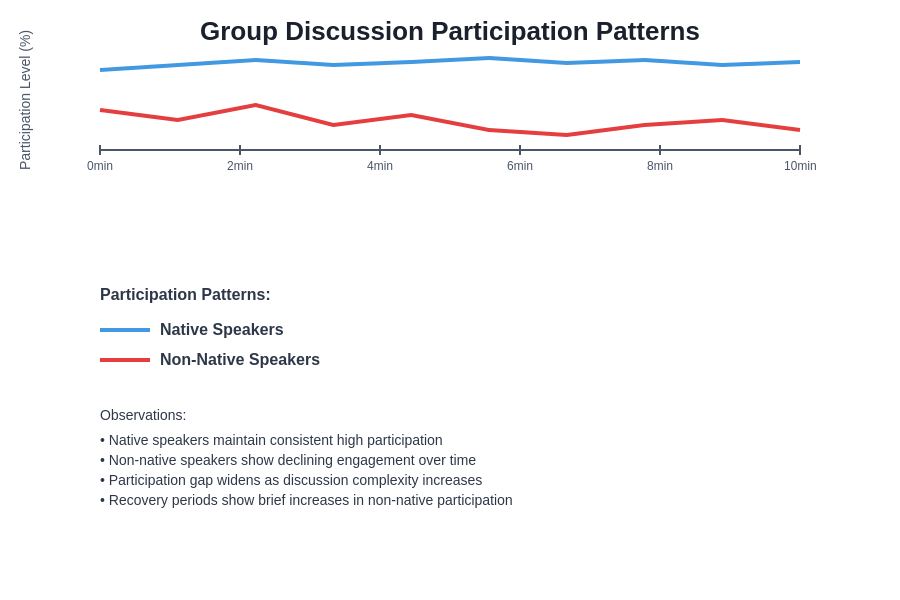
The natural rhythm of group conversations among native speakers typically excludes the additional processing time required by non-native participants to fully comprehend, formulate responses, and contribute meaningfully to discussions. This temporal disadvantage compounds as conversations progress, leaving non-native speakers increasingly behind in the flow of dialogue.
Native speakers process language automatically, allowing them to focus cognitive resources on content, emotional nuance, and social dynamics while simultaneously preparing their own contributions to the conversation. Why conversations always stay surface level discusses how processing delays affect the depth of communication possible between native and non-native speakers.
The expectation of immediate responses in casual conversation creates pressure on non-native speakers to prioritize speed over accuracy or depth, often resulting in simplified contributions that may not accurately represent their thoughts or expertise. This dynamic reinforces perceptions of limited competence that may not reflect the actual knowledge or insights these participants possess.
Turn-taking patterns in group discussions often favor quick, witty responses that demonstrate linguistic agility and cultural understanding, inadvertently excluding participants who require additional time to process complex topics or formulate responses in their second language.
Humor and Social Bonding Mechanisms
Humor serves as a powerful social bonding mechanism in group discussions, but comedy relies heavily on timing, cultural context, linguistic creativity, and shared understanding that significantly advantages native speakers over international participants. The ability to make spontaneous jokes, understand wordplay, and appreciate subtle humor creates in-group dynamics that can exclude non-native speakers from important social connections.
Language-based humor, including puns, double meanings, and linguistic creativity, requires not only advanced vocabulary but also deep understanding of cultural connotations and social contexts that enable the recognition and appreciation of comedic elements. Why humor doesn’t translate across cultures explores how comedy barriers affect social integration in international communities.
The social capital gained through successful humor contributions in group settings builds relationships, establishes personality, and creates memorable interactions that strengthen community bonds among native speakers while potentially marginalizing those who cannot participate in or appreciate these exchanges at the same level.
Timing, delivery, and audience reading skills essential for effective humor require intuitive understanding of social dynamics and cultural sensitivities that native speakers develop naturally but international residents must learn explicitly through trial and error in social situations.
Decision-Making and Influence Patterns
Group decision-making processes in sharehouses often favor native speakers whose communication advantages translate into disproportionate influence over outcomes that affect all residents equally. The ability to articulate positions clearly, respond quickly to counterarguments, and navigate social dynamics effectively gives native speakers structural advantages in collective decision-making situations.
Persuasive communication requires not only language proficiency but also understanding of cultural communication styles, argumentation patterns, and social influence mechanisms that native speakers employ intuitively while non-native speakers may struggle to recognize or counter these techniques effectively.
Kitchen politics in Japanese sharehouses demonstrates how communication advantages translate into practical outcomes in everyday household decisions where native speakers’ viewpoints may carry more weight despite equal stake in the outcomes.
The complexity of negotiating compromises, understanding implications of different options, and advocating for personal preferences requires sophisticated communication skills that may disadvantage non-native speakers even when their interests and needs are equally valid and important.
Non-Verbal Communication Advantages
Native speakers possess intuitive understanding of non-verbal communication patterns, social cues, and behavioral expectations that complement their linguistic advantages during group discussions. These subtle communication elements significantly influence group dynamics and social positioning beyond what explicit language conveys.
Gesture patterns, facial expressions, eye contact conventions, and spatial positioning carry cultural meaning that native speakers interpret and utilize automatically while international residents may misread or inappropriately employ these non-verbal elements during social interactions.
The ability to read group mood, recognize social tension, and adjust communication strategies based on subtle environmental cues gives native speakers additional advantages in navigating complex group dynamics and maintaining positive social relationships within the community.
Understanding when to speak, how long to hold attention, appropriate volume levels, and respectful listening behaviors requires cultural knowledge that extends beyond language learning into deep social competence that favors those raised within the cultural system.
Emotional Expression and Authenticity
The limitation of emotional expression in a second language creates barriers to authentic self-representation that can affect how non-native speakers are perceived and understood during group discussions. The inability to convey personality, humor, intelligence, and emotional depth accurately may result in misrepresentation of character and capabilities.
Complex emotions, personal experiences, and nuanced perspectives require sophisticated vocabulary and cultural understanding to communicate effectively, leaving non-native speakers potentially misunderstood or underestimated by their housemates despite having rich inner lives and valuable perspectives to share.
Building real friendships through cultural exposure examines how language limitations can prevent the development of deeper relationships that depend on authentic emotional communication and mutual understanding.
The frustration of being unable to express oneself fully can lead to withdrawal from group discussions, creating a cycle where reduced participation reinforces perceptions of limited engagement or interest in community activities.
Technical and Academic Discourse Challenges
Discussions involving complex topics, technical subjects, or academic concepts present additional challenges for non-native speakers who may possess expertise in these areas but struggle to communicate their knowledge effectively in their second language. This dynamic can result in undervaluation of non-native speakers’ contributions and expertise.
Professional vocabulary, specialized terminology, and academic discourse patterns require specific linguistic training that may not be covered in general language education, creating barriers to meaningful participation in substantive conversations about career, education, or specialized interests.
Academic pressure affecting house dynamics shows how communication barriers can affect sharing of academic experiences and support systems within educational communities.
The inability to engage in sophisticated discussions about professional or academic topics may limit networking opportunities and intellectual exchange that could benefit all community members when barriers to participation are reduced.
Social Hierarchy and Status Perception
Communication advantages enjoyed by native speakers can translate into perceived social status within sharehouse communities, creating informal hierarchies that affect decision-making influence, social inclusion, and community leadership opportunities regardless of other qualifications or contributions residents might offer.
Leadership roles, conflict resolution responsibilities, and community organizing tasks often default to those with strongest communication skills, potentially overlooking valuable perspectives and capabilities that non-native speakers could contribute to community management and social cohesion.
The assumption that linguistic fluency correlates with general competence or leadership ability can result in missed opportunities for diverse leadership styles and problem-solving approaches that international residents might bring to community challenges.
Social hierarchies developing naturally explores how communication patterns contribute to unintended status differences that can affect community dynamics and individual satisfaction within shared living environments.
Strategies for Inclusive Group Dynamics
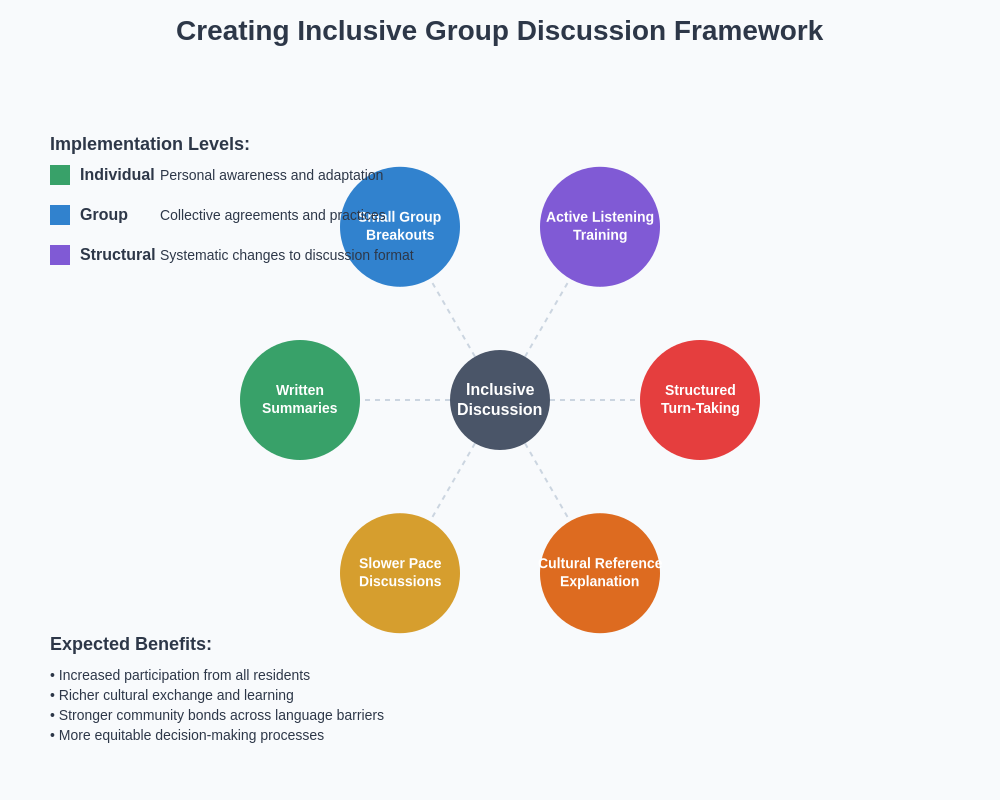
Creating more inclusive group discussion environments requires conscious effort from all participants to recognize and address the structural advantages that favor native speakers while implementing practical strategies that enable meaningful participation from international residents with diverse linguistic backgrounds and cultural perspectives.
Establishing ground rules for group discussions that include speaking pace considerations, explanation of cultural references, and opportunities for clarification can help level the playing field without significantly disrupting natural conversation flow or social bonding among native speakers.
Developing better communication skills through daily interaction provides insights into how residents can improve their intercultural communication abilities while building more inclusive community environments.
Rotating discussion leadership, implementing structured turn-taking, and creating multiple communication channels including written formats can provide alternative avenues for contribution that accommodate different communication strengths and cultural backgrounds.
Building Bridge Communication Skills
Both native and non-native speakers can develop bridge communication skills that facilitate more equitable group discussions while maintaining the natural flow and cultural richness that makes these interactions valuable for all participants. These skills require conscious development and practice from community members.
Native speakers can learn to recognize when cultural references or linguistic complexity may be excluding others, develop paraphrasing skills, and create opportunities for clarification without disrupting conversation momentum or making non-native speakers feel singled out or uncomfortable.
International residents can develop strategies for active participation including preparation techniques, clarification requests, and contribution timing that maximize their ability to engage meaningfully with group discussions while building confidence and communication competence over time.
The development of cultural competence, linguistic sensitivity, and inclusive communication practices benefits all community members by creating richer, more diverse discussions that incorporate multiple perspectives and experiences while strengthening social bonds across cultural and linguistic boundaries.
Long-Term Impact on Community Development
The persistent advantages enjoyed by native speakers in group discussions can have long-term effects on community development, social cohesion, and individual satisfaction within sharehouse environments. Understanding these impacts helps communities develop more intentional approaches to inclusive communication and equitable participation.
Communities that successfully address linguistic privilege often develop stronger intercultural competence, more diverse perspective integration, and enhanced problem-solving capabilities that benefit all residents through exposure to varied viewpoints and approaches to common challenges.
International experience enhancing personal development demonstrates how inclusive communities create valuable learning opportunities for all participants while building skills that extend beyond the sharehouse experience.
The investment in inclusive communication practices creates more welcoming environments for future international residents while developing cultural competencies that serve community members well in increasingly globalized personal and professional contexts.
Understanding why group discussions favor native speakers provides the foundation for building more equitable and inclusive sharehouse communities where all residents can contribute their unique perspectives and experiences to the collective benefit of the community. Recognition of these dynamics represents the first step toward creating communication environments that harness the full potential of diverse international communities living together in Tokyo’s dynamic sharehouse ecosystem.
Disclaimer
This article is for informational purposes only and reflects observations about communication dynamics in international living situations. Individual experiences may vary significantly based on personal language abilities, cultural backgrounds, and specific community dynamics. The goal is to increase awareness of communication challenges rather than discourage participation in international communities. Readers should approach intercultural communication with patience, understanding, and commitment to inclusive practices that benefit all community members.