Group projects in sharehouse environments present unique challenges that extend far beyond typical academic or professional collaboration difficulties. When international residents with diverse cultural backgrounds, varying academic traditions, and different communication styles attempt to work together on shared endeavors, the complexity multiplies exponentially. Understanding these complications helps residents navigate collaborative situations more effectively while building stronger community relationships through improved awareness and preparation.
The intersection of shared living spaces and collaborative work creates a pressure cooker environment where personal relationships, academic performance, and daily living comfort all become intertwined. When group projects go wrong in sharehouses, the consequences extend beyond grades or professional outcomes to affect the fundamental harmony and social dynamics that make shared living successful and enjoyable for everyone involved.
Cultural Academic Traditions and Expectations
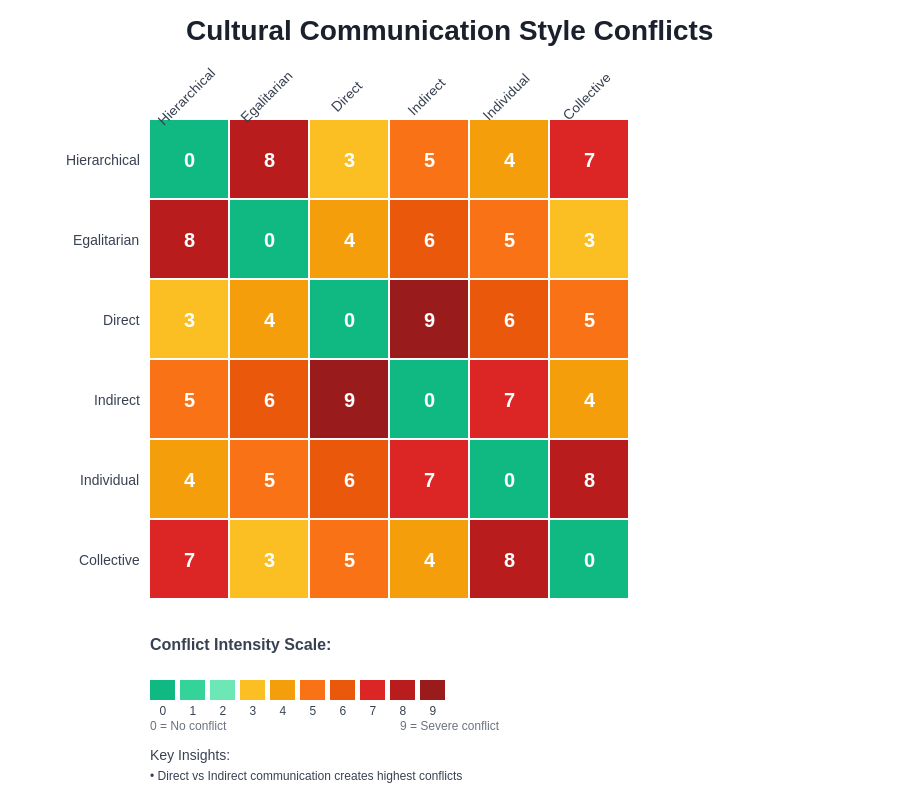
Educational systems across different countries have developed distinct approaches to group work, collaboration styles, and individual versus collective responsibility that create fundamental misalignments when international students attempt to work together. Students from hierarchical academic cultures may expect clear leadership structures and deference to authority figures, while those from egalitarian systems prefer consensus-building and democratic decision-making processes that can seem inefficient or indecisive to others.
The concept of individual contribution versus collective achievement varies dramatically between cultures, with some emphasizing personal accountability and measurable individual inputs while others prioritize group harmony and shared success regardless of individual effort levels. Understanding cultural differences that affect friendship building becomes crucial when these academic collaboration styles clash within the intimate setting of shared living spaces.
Academic integrity standards and acceptable collaboration practices differ significantly between educational traditions, creating confusion about what constitutes appropriate sharing of ideas, resources, and work products. Some cultures encourage extensive mutual assistance and knowledge sharing, while others maintain strict boundaries around individual work and original contribution that can be misinterpreted as selfishness or lack of team spirit.
Communication Style Conflicts and Language Barriers
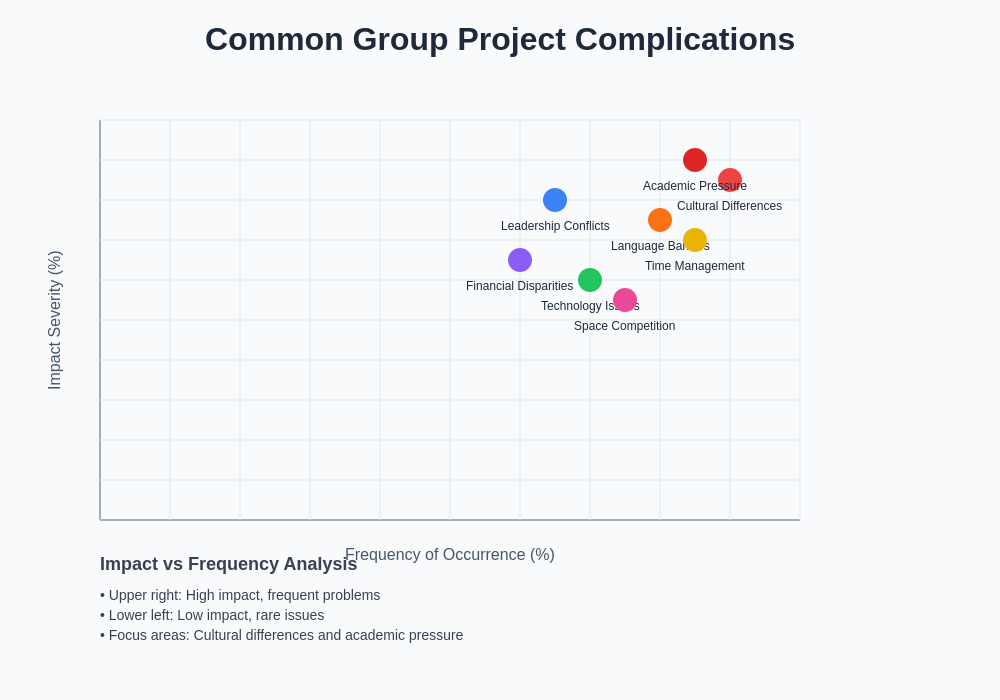
Direct versus indirect communication preferences create ongoing friction in group project environments where clear understanding and efficient coordination are essential for success. Students from low-context cultures who value explicit, straightforward communication often clash with those from high-context backgrounds who rely on subtle cues, implied meanings, and relationship considerations that can be misunderstood or overlooked entirely.
Language proficiency variations affect not only basic comprehension but also the ability to participate meaningfully in brainstorming sessions, contribute to complex discussions, and advocate for personal ideas and preferences. How language barriers prevent deep friendships illustrates how communication challenges extend beyond simple vocabulary limitations to affect collaborative dynamics and group cohesion.
The timing and style of feedback delivery varies dramatically between cultures, with some preferring immediate, direct correction and others expecting gradual, relationship-preserving approaches that may not provide sufficient clarity for project coordination. Misunderstandings about criticism, suggestion-making, and conflict resolution can derail group progress and create lasting interpersonal tensions that affect broader house harmony.
Time Management and Priority Conflicts
Different cultural approaches to time management, deadline adherence, and work-life balance create coordination challenges that become amplified in sharehouse environments where academic and personal lives intersect constantly. Students from polychronic cultures who maintain flexible, relationship-oriented scheduling often conflict with those from monochronic backgrounds who prioritize rigid time structures and deadline compliance above social considerations.
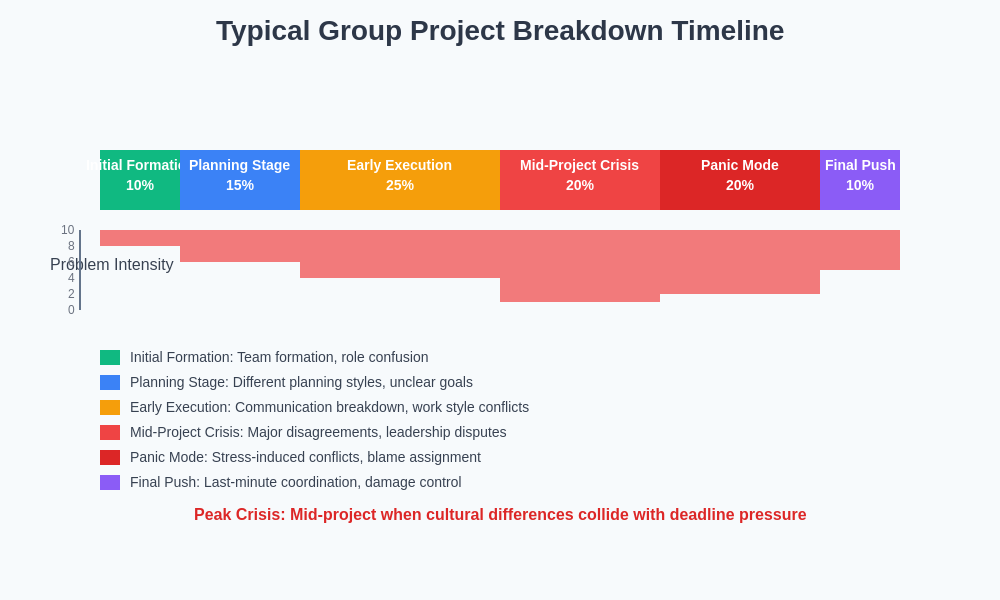
The concept of “good enough” versus perfectionist approaches to project completion creates tension when group members have vastly different quality standards and time investment expectations. How academic deadlines affect house mood demonstrates how these individual differences impact the entire living community when projects become sources of stress and conflict.
Personal schedule coordination becomes particularly challenging when residents have different class timetables, work commitments, and social obligations that affect their availability for group meetings and collaborative work sessions. The shared living environment means that project stress and scheduling conflicts spill over into daily interactions, meal times, and recreational activities.
Technology and Resource Sharing Complications
Access to technology resources, software preferences, and digital collaboration tools varies significantly based on students’ home countries, economic backgrounds, and institutional affiliations. Group projects often require expensive software, high-speed internet access, or specialized equipment that not all participants can afford or access equally, creating imbalances that affect both project quality and group dynamics.
Different familiarity levels with collaborative platforms, file sharing systems, and digital communication tools can slow project progress and exclude less tech-savvy members from full participation. How internet data limits affect monthly usage highlights how basic connectivity issues can derail collaborative efforts and create additional stress for residents already managing complex academic demands.
Version control, document management, and backup procedures become sources of confusion and conflict when group members have varying levels of technical expertise and different preferences for organizing and preserving work products. Lost files, incompatible formats, and inadequate backup systems can destroy weeks of collaborative effort and create lasting resentment between participants.
Leadership and Decision-Making Challenges
Establishing leadership structures and decision-making processes becomes complicated when group members have different expectations about authority, consensus, and individual autonomy. Some cultures expect clear hierarchical structures with designated leaders making final decisions, while others prefer collaborative consensus-building that can seem inefficient or indecisive to action-oriented participants.
Gender dynamics, age considerations, and academic seniority factors influence leadership expectations in ways that vary dramatically between cultures and can create unexpected conflicts or exclusions. How age differences impact sharehouse compatibility explores how these demographic factors affect group dynamics beyond simple personal preferences.
Conflict resolution approaches and authority recognition patterns differ significantly between cultural backgrounds, making it difficult to address disputes, coordinate compromises, or maintain group cohesion when disagreements arise. The inability to establish effective governance structures often leads to project fragmentation and personal relationship damage that persists long after academic deadlines pass.
Academic Performance Pressure and Grade Dependencies
The varying importance placed on academic achievement and grade optimization creates tension when group members have different motivational levels and performance expectations. Students whose academic success affects visa status, scholarship eligibility, or family expectations may approach projects with intensity levels that others find excessive or stressful.
Individual versus group grading systems affect motivation and participation levels differently depending on students’ academic backgrounds and personal goals. How academic pressure varies by nationality illustrates how these performance pressures create imbalances in effort, commitment, and stress levels that can destabilize collaborative relationships.
The consequences of poor group performance extend beyond individual grades to affect future collaboration opportunities, peer relationships, and overall academic standing in ways that some participants may not fully understand or appreciate until damage has already occurred.
Physical Space and Resource Competition
Sharehouse common areas become contested territories when group projects require extended use of tables, whiteboards, or other shared facilities that other residents also need for studying, socializing, or daily activities. The lack of dedicated project spaces creates ongoing negotiation requirements and potential conflicts over space allocation and usage priorities.
Noise levels, conversation disruption, and general activity chaos associated with intensive group work can affect other residents’ ability to study, rest, or enjoy their living environment. How study materials take over shared spaces demonstrates how academic activities can create broader house management challenges that extend beyond immediate project participants.
Storage requirements for project materials, reference books, and work supplies can overwhelm limited shared storage options and create clutter that affects house cleanliness and organization. The temporary nature of projects makes it difficult to establish permanent storage solutions while the collaborative nature requires accessible placement that may inconvenience other residents.
Financial and Contribution Disparities
Economic differences between group members affect their ability to contribute equally to project expenses, purchase required materials, or access necessary resources. Students with limited budgets may feel excluded from activities that others consider routine or essential, creating resentment and participation imbalances that undermine collaborative effectiveness.
The expectation for equal financial contribution to shared project costs can create significant stress for residents managing tight budgets or dealing with currency exchange fluctuations. How living in sharehouses affects your taxes touches on how financial complexities add layers of stress to already challenging collaborative situations.
Different attitudes toward money, spending, and resource sharing create ongoing friction when group projects require financial coordination or shared investment in materials, software, or services. The intimate living arrangement makes financial disparities more visible and potentially embarrassing for those with limited resources.
Social Relationship Complications
Group projects can strain existing friendships or create artificial relationships based on academic convenience rather than genuine compatibility. When projects go poorly, the fallout affects daily interactions, meal sharing, and recreational activities in ways that can make the living environment uncomfortable for extended periods.
Romantic relationships within sharehouses become particularly complicated when academic collaboration intersects with personal attraction or existing dating dynamics. How dating housemates creates complex situations explores how these personal entanglements can derail both project success and house harmony when boundaries become blurred.
Social hierarchies and friendship groups within the house can be disrupted when project partnerships create new alliances or expose existing tensions. The forced collaboration may reveal personality conflicts or value differences that were previously manageable in casual social interactions but become problematic under project pressure.
Long-term Impact on House Dynamics
Failed group projects often create lasting divisions and resentments that affect the overall social atmosphere and community cohesion within the sharehouse. Residents may avoid future collaboration, form exclusive social groups, or maintain ongoing grudges that create tension during daily interactions and community activities.
The reputation effects of poor collaboration can follow students throughout their academic programs and affect their ability to find future project partners or maintain positive relationships with academic peers. How conflict resolution styles differ by culture highlights how these relationship damages can persist without proper intervention and understanding.
Learning from group project failures requires honest reflection and cultural adaptation that many residents find difficult to achieve without external support or structured debriefing opportunities. The lessons learned from complicated collaborations can either strengthen future teamwork abilities or create lasting avoidance of group activities that limits academic and personal growth.
Strategies for Improvement and Prevention
Successful group project management in sharehouse environments requires proactive communication about expectations, working styles, and cultural differences before collaboration begins. Establishing clear agreements about time commitments, quality standards, and individual responsibilities helps prevent many common sources of conflict and misunderstanding.
Regular check-ins and progress reviews provide opportunities to address emerging issues before they become relationship-threatening problems. How to handle roommate conflicts without moving out offers strategies that apply equally well to academic collaboration challenges and general living situation management.
Creating backup plans and alternative arrangements for when collaboration becomes unworkable helps minimize academic damage while preserving personal relationships and house harmony. Understanding when to prioritize individual success over group cohesion requires mature judgment and clear communication with all affected parties.
The complexity of group projects in international sharehouse settings reflects broader challenges of cross-cultural collaboration, resource sharing, and relationship management that extend far beyond academic contexts. Developing skills to navigate these complications successfully prepares residents for future international work environments while contributing to more harmonious and productive shared living experiences for everyone involved.
Disclaimer
This article is for informational purposes only and does not constitute academic or professional advice. Group project challenges vary significantly based on individual circumstances, cultural backgrounds, and specific academic requirements. Readers should consult with their educational institutions and seek appropriate support when facing collaboration difficulties that affect their academic performance or living situation.