Winter in Tokyo sharehouses presents one of the most challenging dilemmas that international residents face during their stay in Japan. The seemingly simple act of staying warm becomes a complex decision-making process that pits basic health needs against financial constraints, forcing residents to make difficult choices that can impact both their physical wellbeing and their monthly budget sustainability. This struggle intensifies in shared living environments where individual heating preferences, collective utility responsibilities, and varying financial capabilities create additional layers of complexity that single-apartment dwellers never encounter.
The heating bill dilemma in Tokyo sharehouses extends beyond personal comfort preferences to encompass serious health considerations, relationship dynamics, and long-term financial planning that can significantly influence the overall quality of life during Japan’s notably harsh winter months. Understanding these multifaceted challenges and developing effective coping strategies becomes essential for maintaining both physical health and financial stability throughout the coldest season of the year.
The Reality of Tokyo Winter Heating Costs
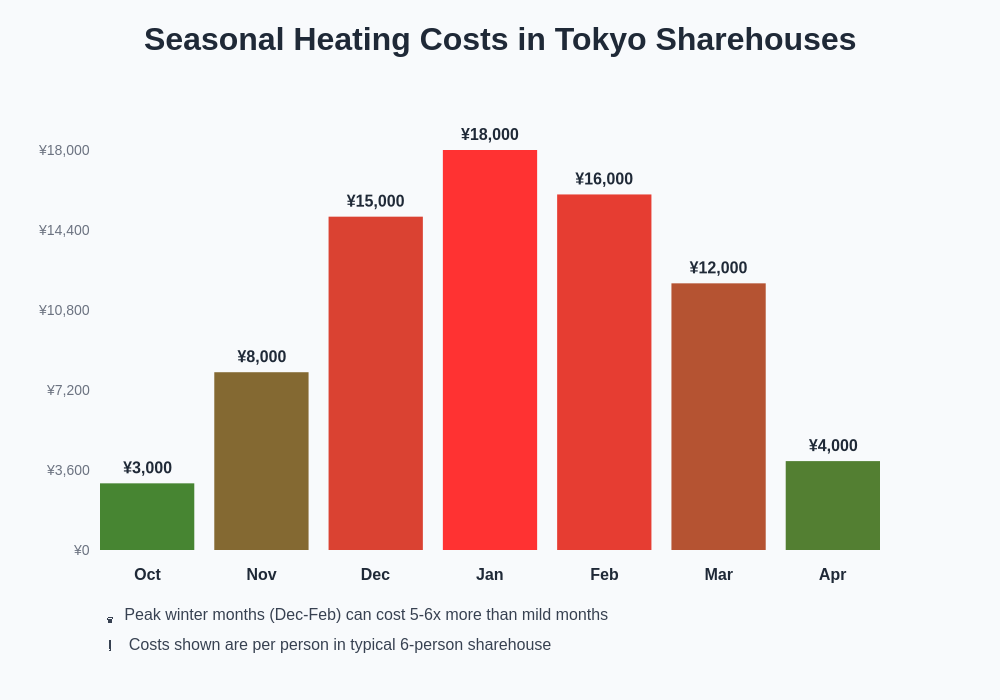
Tokyo’s winter heating expenses represent a substantial portion of monthly utility bills that can shock unprepared international residents, particularly those coming from countries with more moderate climates or centralized heating systems. Understanding utility bills in Japanese sharehouses becomes crucial when winter utility costs can double or even triple compared to spring and autumn months, creating unexpected financial pressure that many residents struggle to accommodate within their existing budgets.
The pricing structure for heating in Japan follows a consumption-based model where every degree of warmth comes with a direct financial cost, making the decision to adjust room temperature a constant calculation between comfort and expense. Gas heating, electric heaters, and air conditioning systems each carry different cost implications, with some methods proving more economical than others depending on usage patterns, room size, and insulation quality of the specific sharehouse building.
Individual room heating costs can range from moderate amounts for minimal usage to substantial sums that exceed rent payments when residents attempt to maintain comfortable temperatures throughout cold months. How much Tokyo sharehouses really cost per month often fails to adequately prepare newcomers for the seasonal variations in utility expenses that can dramatically alter their monthly financial obligations during winter periods.
The shock of receiving the first winter heating bill frequently forces residents to immediately reassess their heating habits and implement cost-cutting measures that may compromise their comfort and potentially their health. This financial reality creates the foundation for the ongoing internal struggle between maintaining warmth and preserving budget stability that defines the sharehouse winter experience.
Health Implications of Inadequate Heating
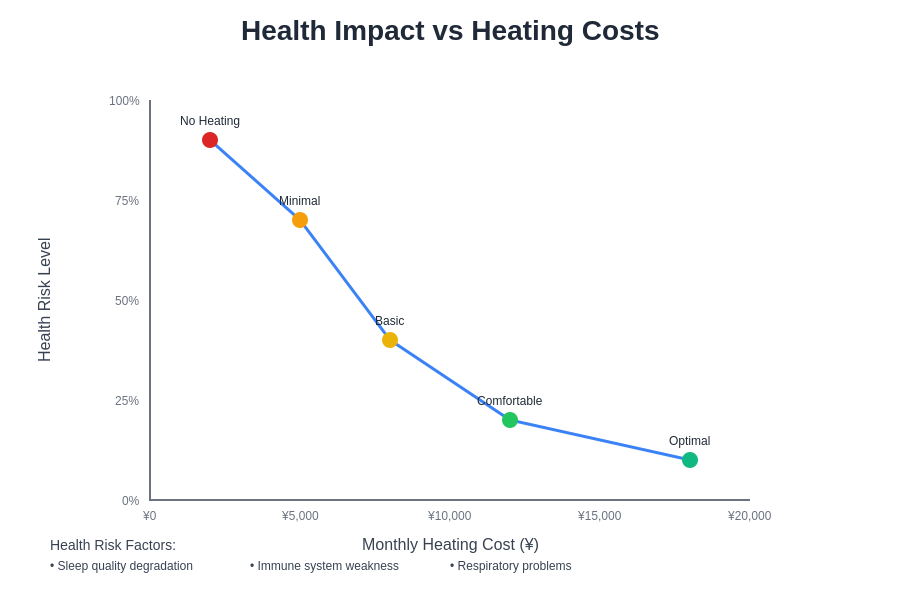
Insufficient heating in Tokyo sharehouses can lead to serious health consequences that extend far beyond temporary discomfort, affecting both immediate wellbeing and long-term health outcomes in ways that many residents fail to fully appreciate until problems manifest. Cold indoor temperatures compromise immune system function, increase susceptibility to respiratory infections, and can exacerbate existing health conditions such as asthma, arthritis, and cardiovascular problems that require consistent warmth for proper management.
The Japanese housing construction standards, particularly in older buildings commonly converted to sharehouses, often lack the insulation levels that international residents expect from their home countries, making it difficult to maintain comfortable temperatures without significant energy consumption. Why some buildings lack proper ventilation compounds heating challenges by creating environments where cold air infiltration makes heating systems work harder while potentially creating humidity and air quality issues.
Sleep quality deteriorates significantly in cold environments, leading to reduced cognitive function, weakened immune response, and increased stress levels that can affect work performance, academic achievement, and social relationships within the sharehouse community. The cumulative effect of poor sleep over extended winter periods can create serious health problems that require medical attention and potentially expensive treatment costs that far exceed heating bill savings.
Mental health impacts include increased risk of seasonal depression, anxiety related to financial stress, and social isolation when cold common areas discourage community interaction and shared activities. How mental health support varies in sharehouses becomes particularly relevant during winter months when heating-related stress compounds existing adjustment challenges for international residents.
Productivity and daily functioning suffer when residents spend excessive time and mental energy managing cold temperatures, layers of clothing, and heating decisions rather than focusing on work, studies, or personal development goals. The constant preoccupation with staying warm while managing costs creates a persistent background stress that affects overall quality of life and can undermine the positive aspects of sharehouse living.
Budget Constraints and Financial Pressure
The financial reality of Tokyo sharehouse living often leaves international residents with minimal discretionary income after covering rent, food, transportation, and other essential expenses, making unexpected heating costs particularly challenging to absorb without significant lifestyle adjustments. Living costs in Tokyo sharehouses explained demonstrates how tight budgets become when seasonal utility variations aren’t properly anticipated in monthly financial planning.
Students and entry-level workers frequently find themselves choosing between heating costs and other necessities such as nutritious food, social activities, or emergency savings, creating a cascade of compromises that can affect multiple aspects of their Tokyo experience. The psychological stress of making these daily decisions between warmth and other needs adds emotional burden to what should be a comfortable living environment.
Part-time work schedules and visa restrictions limit income opportunities for many international residents, making it difficult to simply increase earnings to cover higher winter utility bills. Why part-time income makes applications harder reflects the broader financial constraints that make heating bill increases particularly problematic for residents with limited income flexibility.
Currency exchange fluctuations can compound heating bill stress for residents receiving income or support from overseas, as Japanese yen strength or weakness directly affects the real cost of utilities relative to foreign income sources. International money transfer fees and exchange rate timing add additional complexity to budget management during high-utility winter months.
Emergency expenses related to health problems, visa renewals, or family situations become more difficult to manage when winter heating costs have already stretched monthly budgets to their limits. The lack of financial cushion during expensive winter months can create vulnerability to unexpected costs that might force residents to make even more extreme heating compromises.
Shared Living Complications
Sharehouse environments complicate individual heating decisions through collective utility billing systems that make personal usage tracking difficult and create potential conflicts over fair cost distribution among residents with different comfort preferences and heating usage patterns. How utility bill calculations can be manipulated highlights concerns about equitable cost sharing that become more contentious during expensive winter months.
Cultural differences in cold tolerance, heating expectations, and energy conservation attitudes can create tension within diverse international communities where some residents prioritize cost savings while others view adequate heating as a basic necessity worth any expense. How cultural differences affect friendship building becomes particularly relevant when heating preferences align with cultural backgrounds and economic circumstances.
Common area heating policies often reflect management priorities for cost control rather than resident comfort, leaving shared spaces uncomfortably cold and forcing residents to retreat to private rooms for warmth. This reduction in community interaction during winter months can undermine the social benefits that attract many people to sharehouse living in the first place.
Negotiating fair heating cost distribution becomes complicated when residents have different room sizes, orientations, insulation levels, and heating equipment, making simple per-person splits potentially unfair. Why heating bills create monthly budget chaos explores how these complications affect house harmony and individual financial planning.
Social pressure to conform to group heating decisions can prevent residents from advocating for their health needs, particularly when they’re newer to the house or come from cultures that discourage direct confrontation. The desire to maintain positive relationships with housemates sometimes leads to acceptance of uncomfortable conditions that compromise individual wellbeing.
Practical Heating Strategies and Solutions
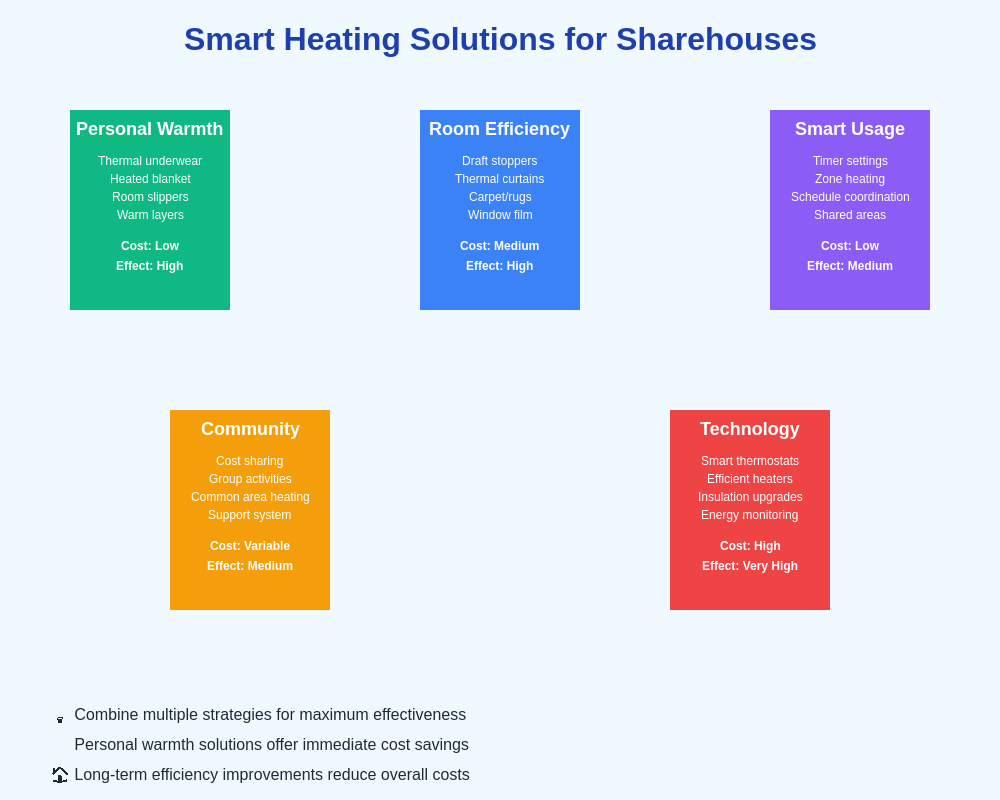
Effective heating management in Tokyo sharehouses requires strategic approaches that balance cost control with health maintenance through intelligent usage patterns, equipment optimization, and behavioral adaptations that maximize warmth while minimizing expense. Understanding the efficiency differences between heating methods helps residents make informed decisions about when and how to use available heating options for optimal cost-effectiveness.
Personal warming strategies including appropriate clothing layering, thermal undergarments, and warming accessories can significantly reduce reliance on room heating while maintaining comfortable body temperature during daily activities. These individual solutions provide immediate cost savings while reducing dependence on shared heating systems that may be inadequately controlled or prohibitively expensive.
Insulation improvements within individual rooms, such as thermal curtains, draft stoppers, and carpet additions, can dramatically improve heating efficiency and reduce costs while providing immediate comfort benefits. How to actually get your deposit back includes guidance on making temporary improvements that don’t violate lease terms or create deposit forfeiture risks.
Timing heating usage to coincide with personal schedules rather than maintaining constant temperatures can provide substantial cost savings while ensuring warmth when actually needed for sleep, work, or relaxation. Understanding peak electricity pricing periods and adjusting heating patterns accordingly can further optimize cost management without sacrificing necessary comfort.
Collaborative approaches with housemates to share heating costs for common areas, coordinate heating schedules, or implement house-wide energy conservation measures can benefit everyone while maintaining community harmony. Making friends through Tokyo sharehouse communities includes examples of how residents work together to address shared challenges like winter heating costs.
Long-term Health and Financial Planning
Developing sustainable approaches to winter heating requires long-term planning that accounts for seasonal expense variations while protecting health needs throughout multiple winter cycles in Tokyo. Building financial reserves during warmer months specifically for winter utility increases helps prevent crisis decision-making when heating bills arrive and removes the immediate pressure to choose between warmth and other necessities.
Health investment perspectives recognize that adequate heating costs often represent preventive healthcare spending that can avoid more expensive medical treatments for cold-related illnesses, respiratory problems, or mental health issues. How to budget realistically for sharehouse living should incorporate seasonal utility variations and health-related heating needs as essential budget categories rather than optional expenses.
Equipment investment strategies may justify purchasing more efficient heating devices, improved bedding, or personal warming solutions that provide better long-term value than relying solely on building heating systems. Understanding the payback period for efficiency improvements helps residents make informed decisions about upfront costs versus ongoing savings.
Career and income development planning should consider the total cost of living in Tokyo including seasonal variations, motivating residents to pursue opportunities that provide sufficient income to cover comfortable living standards throughout the year. How career changes affect sharehouse eligibility demonstrates how housing and career decisions interconnect in Tokyo’s expensive living environment.
Location and housing upgrade planning might involve researching sharehouses with better insulation, more efficient heating systems, or utility bill structures that provide more predictable costs during winter months. Best Tokyo neighborhoods for sharehouse living should include heating cost considerations when evaluating different areas and building types.
Community Solutions and Support Systems
Successful sharehouse communities often develop collective approaches to heating challenges that benefit all residents while fostering cooperation and mutual support during difficult winter months. House meetings dedicated to discussing heating policies, cost-sharing arrangements, and comfort standards can prevent conflicts and ensure that health needs receive appropriate consideration in community decisions.
Information sharing about effective heating strategies, equipment recommendations, and cost-saving techniques helps less experienced residents learn from others who have successfully navigated Tokyo winters in sharehouses. Real stories from Tokyo sharehouse residents includes valuable insights about winter heating management from residents who have developed effective approaches over multiple seasons.
Emergency support systems within sharehouse communities can help residents who face unexpected financial difficulties with heating costs, whether through temporary assistance, equipment sharing, or flexible payment arrangements that prevent health-compromising heating cutbacks. These mutual aid approaches strengthen community bonds while ensuring no resident faces dangerous cold conditions due to temporary financial problems.
Advocacy efforts with sharehouse management companies can address systemic heating issues such as inadequate insulation, inefficient heating systems, or unfair utility billing practices that affect all residents. How conflict resolution abilities improve includes skills that help residents effectively communicate with management about heating-related concerns.
External resource connections including healthcare services, financial counseling, and emergency assistance programs provide additional support options for residents experiencing serious difficulties with winter heating costs. Understanding available community resources helps residents access help before heating-related problems become critical health or financial emergencies.
The heating bill dilemma in Tokyo sharehouses represents a complex challenge that requires balanced approaches to health protection and financial management while navigating the social dynamics of shared living environments. Success depends on proactive planning, community cooperation, and realistic understanding of the true costs and health implications involved in winter sharehouse living. Residents who develop comprehensive strategies addressing both immediate heating needs and long-term sustainability find themselves better equipped to enjoy the benefits of sharehouse living throughout Tokyo’s challenging but manageable winter season.
Disclaimer
This article is for informational purposes only and does not constitute professional medical, financial, or legal advice. Heating costs and health impacts vary significantly based on individual circumstances, building conditions, and personal health status. Readers should consult with relevant professionals for specific guidance regarding health concerns or financial planning. The information provided reflects general experiences and may not apply to all sharehouse situations or individual needs.