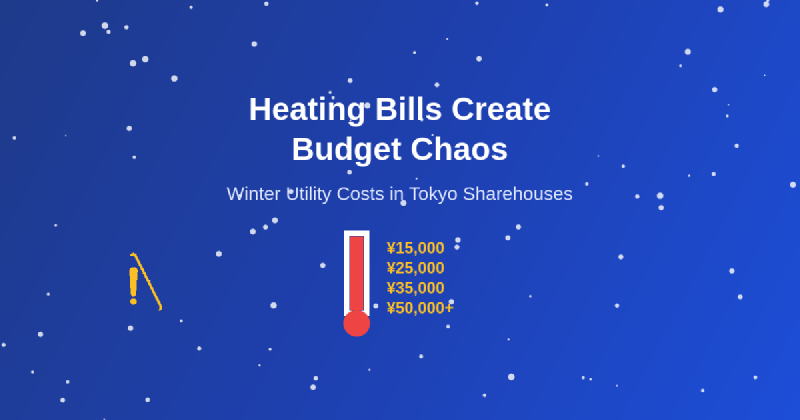
The arrival of Tokyo’s winter season brings more than just cold temperatures and beautiful illuminations throughout the city. For sharehouse residents across Japan’s capital, it signals the beginning of a financial nightmare that can completely upend carefully planned monthly budgets and create unexpected stress that ripples through entire household communities. The dramatic spike in heating costs during the colder months represents one of the most significant and poorly understood challenges facing international residents who are unprepared for the reality of Japanese utility billing systems.
Understanding the complex dynamics of heating bill fluctuations in Tokyo sharehouses becomes essential for anyone seeking to maintain financial stability while living comfortably during Japan’s harsh winter months. The combination of inefficient building insulation, antiquated heating systems, and cultural differences in temperature preferences creates a perfect storm of escalating costs that can multiply monthly expenses by factors that shock even experienced residents who thought they understood Japanese living costs.
The Shocking Reality of Winter Utility Spikes
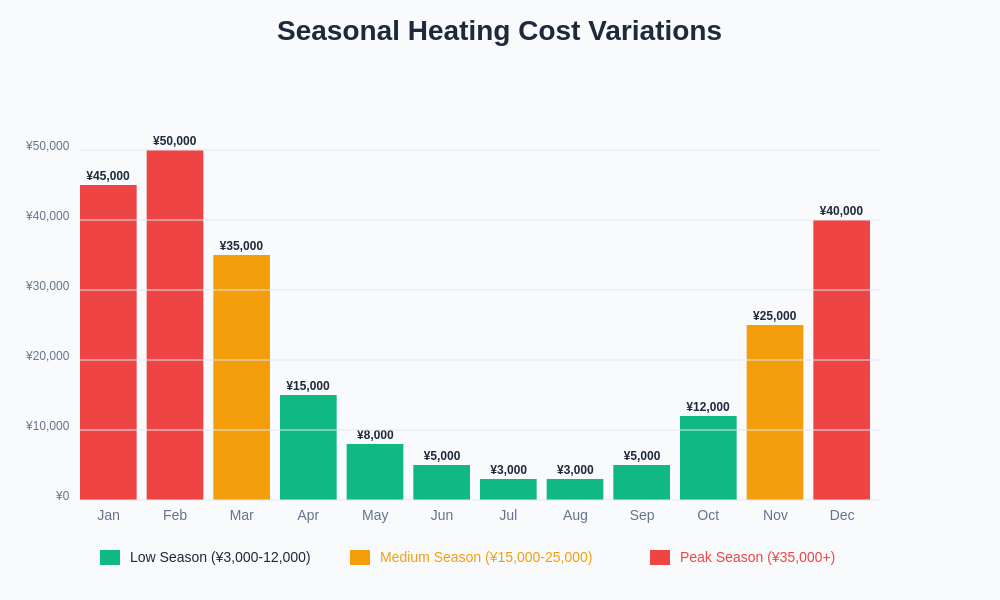
Tokyo’s winter heating bills operate on a scale that defies the expectations of most international residents, particularly those coming from countries with more energy-efficient housing standards or centralized heating systems. The monthly utility costs during peak winter months can easily triple or quadruple compared to spring and autumn periods, transforming what seemed like manageable living expenses into budget-breaking financial obligations that force difficult choices between comfort and fiscal responsibility.
The mathematical reality of heating cost escalation becomes particularly brutal when distributed among sharehouse residents who may have vastly different tolerance levels for cold temperatures and varying financial capabilities to absorb unexpected expense increases. Understanding utility bills in Japanese sharehouses provides foundational knowledge, but the seasonal variations in heating costs require deeper analysis to fully comprehend their budgetary impact.
Traditional Japanese buildings, including many converted sharehouses, were historically designed with different climate considerations and cultural approaches to heating that prioritize localized warming rather than comprehensive building temperature control. This architectural philosophy, combined with limited insulation standards in older constructions, creates environments where maintaining comfortable living temperatures requires substantially more energy consumption than residents from other countries might anticipate.
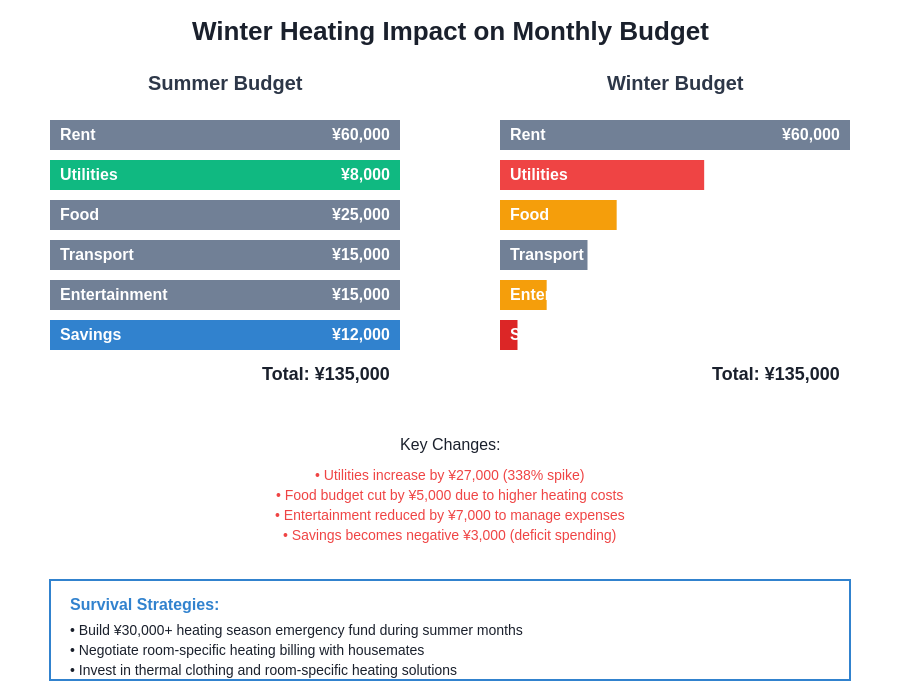
The psychological impact of receiving heating bills that exceed entire monthly food budgets cannot be understated, particularly for students and young professionals who allocated their housing budgets based on advertised base costs without fully accounting for seasonal utility variations. The stress of unexpected financial pressure affects not only individual residents but creates household tension as different residents cope differently with both the cold temperatures and the financial implications of warming their living spaces.
Understanding Tokyo’s Inefficient Heating Infrastructure
The heating infrastructure in many Tokyo sharehouses reflects decades-old technology and building practices that prioritize initial construction costs over long-term energy efficiency, creating ongoing operational expenses that residents must absorb throughout the colder months. Many sharehouses rely on individual room heating units, wall-mounted air conditioning systems used for heating, or kerosene heaters that consume expensive fuel while providing inconsistent temperature control across different areas of the building.
The absence of central heating systems, which are standard in many Western countries, means that each resident must make individual decisions about heating usage while sharing the cumulative costs through utility bill divisions that can create complex social dynamics and financial stress. Living costs in Tokyo sharehouses explained touches on utility variations, but the heating-specific challenges require specialized understanding of Japanese energy systems and building standards.
Insulation quality varies dramatically between different sharehouses and building ages, with older converted buildings often lacking the thermal efficiency standards that would minimize heating requirements and associated costs. Windows, walls, and roofing systems in many sharehouses allow significant heat loss that forces heating systems to work continuously to maintain comfortable temperatures, driving up energy consumption and utility costs beyond sustainable levels for many residents.
The maintenance and efficiency of heating equipment also plays a crucial role in cost escalation, as older systems consume more energy to produce the same heating output while requiring more frequent repairs and replacement that add to the overall expense burden shared among residents. Many sharehouse operators prioritize minimizing initial equipment investments over long-term operational efficiency, leaving residents to absorb the ongoing costs of inefficient heating systems throughout their tenancy periods.
The Mathematics of Shared Heating Cost Distribution
The financial mechanics of distributing heating costs among multiple residents creates complex scenarios where individual usage patterns, room locations, and personal temperature preferences combine to generate utility bills that can vary wildly from month to month and create unpredictable budget impacts for all household members. Understanding how these calculations work becomes essential for residents seeking to anticipate and manage their monthly expenses during the heating season.
Most sharehouses employ utility bill division systems that split total building energy costs equally among all residents, regardless of individual usage patterns or room characteristics that might affect heating requirements. This approach can create situations where residents in poorly insulated rooms or those with higher temperature preferences inadvertently increase costs for all household members, leading to social tensions and financial stress that affects the entire community dynamic.
How much Tokyo sharehouses really cost per month provides baseline cost expectations, but the heating season variations can multiply these figures substantially and create budgetary chaos for residents who planned their finances based on average monthly costs rather than peak season expenses. The lack of predictable cost patterns makes budget planning extremely difficult and forces residents to maintain larger financial cushions to absorb unexpected utility spikes.
Some sharehouses attempt to implement usage-based billing systems or individual room metering, but these approaches often create their own complications including higher administrative costs, complex calculation systems, and potential disputes over measurement accuracy that can generate more problems than they solve. The administrative burden of managing individual usage tracking often falls to residents themselves, creating additional stress and time commitments during an already challenging financial period.
Cultural Temperature Preferences and Cost Conflicts
The cultural dimensions of heating preferences create additional complexity in sharehouse environments where residents from different countries bring varying expectations about appropriate indoor temperatures, layering strategies, and tolerance for cold conditions that directly impact shared heating costs and community harmony. These differences often become magnified during Tokyo’s winter months when the financial implications of temperature preferences become apparent through elevated utility bills.
Japanese cultural approaches to heating traditionally emphasize localized warming, layered clothing, and tolerance for cooler indoor temperatures that may conflict with expectations from residents accustomed to maintaining consistent warm temperatures throughout living spaces. Living with Japanese roommates in Tokyo sharehouses explores cultural dynamics, but heating preferences represent a particularly sensitive area where cultural differences directly impact financial obligations for all residents.
The negotiation of appropriate indoor temperatures becomes a delicate balance between personal comfort, cultural sensitivity, and shared financial responsibility that can strain relationships and create ongoing tension throughout the heating season. Residents who prefer warmer temperatures may find themselves viewed as inconsiderate of shared costs, while those comfortable with cooler conditions may be seen as imposing their preferences on others who struggle with cold indoor environments.
Communication challenges around heating preferences often escalate during peak winter months when utility bills reach their highest levels and residents face the reality of choosing between personal comfort and financial responsibility. The inability to reach consensus on appropriate temperature settings can lead to passive-aggressive behaviors, secret heating usage, and breakdown of community cooperation that affects all aspects of shared living beyond just utility costs.
Seasonal Budget Planning Failures and Reality Checks
The failure of most sharehouse residents to adequately prepare for seasonal heating cost variations represents one of the most common financial planning mistakes that can transform manageable living situations into sources of ongoing financial stress and community conflict. The magnitude of winter utility spikes often exceeds the budgetary cushions that residents maintain for unexpected expenses, forcing difficult choices and lifestyle adjustments that can impact overall quality of life and academic or professional performance.
Traditional budgeting approaches that average monthly costs throughout the year fail to account for the concentrated nature of heating expenses during Japan’s winter months, leading to situations where residents face several consecutive months of elevated costs that can exhaust emergency funds and force borrowing or lifestyle compromises. How to budget realistically for sharehouse living becomes crucial for managing these seasonal variations effectively.
The psychological impact of budget failures during heating season extends beyond financial stress to affect academic performance, job satisfaction, and social relationships as residents cope with the strain of unexpected expenses during what should be enjoyable winter months in Tokyo. The inability to participate in seasonal activities, social events, or even basic comfort measures due to heating cost concerns can lead to isolation and depression that compounds the challenges of international living.
Recovery from heating season budget chaos often takes months as residents work to rebuild emergency funds, adjust lifestyle expectations, and prepare more effectively for subsequent winter seasons. The learning curve for managing seasonal utility variations typically requires experiencing at least one complete winter cycle, meaning that first-year residents are particularly vulnerable to budget disruption and financial stress during their initial Tokyo winter experience.
Building Quality and Insulation Reality
The stark reality of insulation quality in many Tokyo sharehouses reveals a significant disconnect between modern energy efficiency standards and the actual thermal performance of buildings housing international residents, creating ongoing heating cost challenges that no amount of behavioral modification can fully address. Understanding these structural limitations becomes essential for residents seeking to manage heating costs and make informed decisions about sharehouse selection and winter preparation strategies.
Older buildings converted to sharehouse use often lack comprehensive insulation upgrades that would reduce heating requirements and associated costs, leaving residents to absorb the ongoing expense of compensating for poor thermal efficiency through increased energy consumption. The age and construction methods of many sharehouse buildings reflect priorities from eras when energy costs were lower and efficiency standards were less stringent, creating ongoing operational challenges for current residents.
Window quality and sealing represents a particularly significant factor in heating cost escalation, as single-pane windows and poor weather sealing allow substantial heat loss that forces heating systems to work continuously to maintain comfortable indoor temperatures. Why some buildings lack proper ventilation explores related building quality issues that compound heating challenges and increase utility costs for residents.
The interaction between building orientation, room location within the structure, and seasonal sun exposure creates additional variables in heating requirements that can make some rooms significantly more expensive to heat than others while maintaining the same comfort levels. Residents in north-facing rooms, corner locations, or areas with extensive exterior wall exposure often face disproportionately higher heating costs that may not be reflected in utility bill distribution systems that treat all rooms equally.
Heater Technology and Efficiency Variations
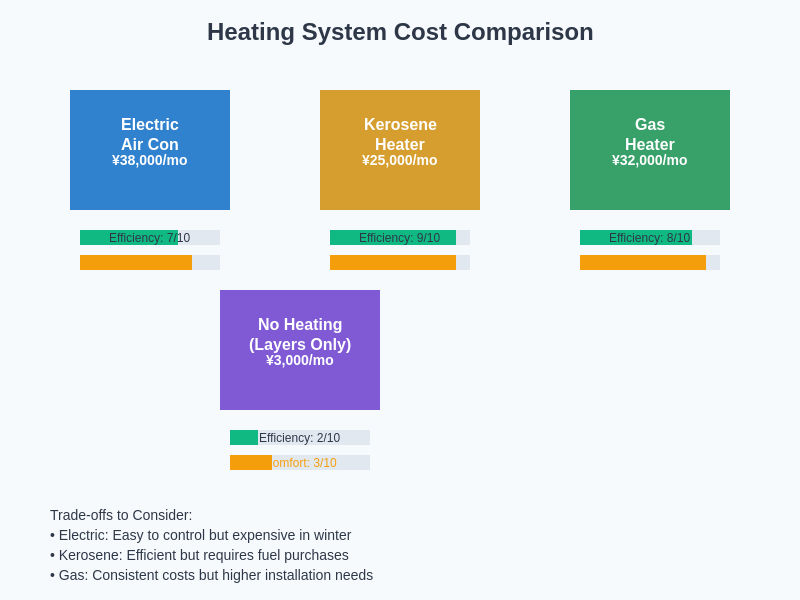
The diversity of heating technologies employed across different Tokyo sharehouses creates dramatic variations in energy efficiency and operational costs that directly impact residents’ monthly utility expenses and budgetary planning requirements. Understanding the performance characteristics and cost implications of different heating systems becomes crucial for residents seeking to anticipate and manage their winter energy expenses effectively.
Electric heating systems, including wall-mounted air conditioning units used in heating mode, represent the most common heating solution in Tokyo sharehouses but operate with varying efficiency levels depending on equipment age, maintenance quality, and usage patterns that can significantly impact energy consumption and associated costs. The coefficient of performance for heat pump systems degrades in very cold weather, potentially requiring backup heating methods that consume additional energy and increase utility bills beyond anticipated levels.
Kerosene heating systems, while providing excellent heat output, require ongoing fuel purchases that create separate expense categories outside of standard utility bills and can result in cost surprises for residents unfamiliar with kerosene pricing patterns and consumption rates during extended cold periods. Understanding utility bills in Japanese sharehouses may not fully cover kerosene-based systems and their unique cost structures that operate independently of standard electricity and gas billing cycles.
Gas heating systems offer different cost profiles and efficiency characteristics that can provide more predictable monthly expenses but may require higher initial investments in equipment or present different maintenance challenges that affect long-term operational costs and resident satisfaction. The availability and pricing of different gas types (city gas versus propane) varies by location and can impact the overall cost-effectiveness of gas heating solutions for sharehouse residents.
Social Dynamics and Heating Cost Conflicts
The interpersonal challenges created by heating cost distribution in sharehouses extend far beyond simple financial concerns to encompass complex social dynamics that can fundamentally alter community relationships and living satisfaction throughout the winter months. Understanding these social implications becomes essential for residents seeking to maintain positive household relationships while managing the financial stress of elevated heating expenses.
Conflicts over thermostat settings, heating schedules, and individual room heating usage create ongoing tension that can escalate into serious disputes affecting all aspects of shared living beyond just utility costs. The inability to reach consensus on appropriate heating policies often leads to passive-aggressive behaviors including secret heating usage, complaints about others’ heating habits, and breakdown of cooperative community dynamics that were established during warmer months with lower utility costs.
How to handle roommate conflicts without moving out becomes particularly relevant during heating season when financial stress combines with comfort concerns to create conflict situations that test community bonds and individual patience levels. The mediation of heating-related disputes requires careful balance between individual comfort needs, shared financial responsibility, and community harmony maintenance.
Residents with different financial capabilities may find themselves in particularly difficult positions during heating season, as those with comfortable budgets may prefer higher temperatures while cost-conscious residents advocate for conservation measures that can create class-based tensions within the household community. The visibility of heating usage through shared utility bills can create social pressure and judgment that affects relationships and community cohesion throughout the winter period.
Emergency Heating Situations and Crisis Management
Winter emergencies involving heating system failures, extreme cold weather events, or unexpected utility cost spikes can create crisis situations that test both individual financial resilience and community cooperation in ways that can permanently alter sharehouse dynamics and resident satisfaction. Understanding how to prepare for and respond to heating emergencies becomes essential for maintaining both physical comfort and community stability during challenging winter conditions.
Equipment failures during peak winter conditions often require emergency repairs or replacement heating solutions that create immediate expense demands beyond regular utility budgets and may require rapid cost-sharing decisions among residents who are already stretched by elevated seasonal expenses. Why some residents feel unsafe at night may include heating-related safety concerns that become acute during equipment failures or extreme weather conditions.
Extreme weather events that drive heating costs to unsustainable levels can force immediate lifestyle adjustments and emergency cost management strategies that test community bonds and individual financial resources during periods when support systems may be most needed. The psychological stress of choosing between warmth and financial security during emergency situations can have lasting impacts on resident wellbeing and community trust that extend beyond the immediate crisis period.
Communication and decision-making protocols for heating emergencies often prove inadequate when tested by actual crisis situations, leading to confusion, delayed responses, and conflict escalation that compounds the practical challenges of managing heating system problems during cold weather periods. Establishing clear emergency procedures and cost-sharing agreements before problems arise becomes crucial for maintaining community stability during heating-related crises.
Long-term Financial Planning and Heating Season Preparation
Developing sustainable financial strategies for managing recurring heating season cost spikes requires understanding both the cyclical nature of these expenses and the cumulative impact they have on long-term budget stability and financial goal achievement for sharehouse residents. The ability to anticipate, plan for, and successfully navigate multiple heating seasons becomes essential for maintaining financial health while enjoying comfortable living conditions throughout Tokyo’s winter months.
Creating dedicated heating season savings funds during warmer months when utility costs are lower allows residents to smooth out the financial impact of winter heating expenses and avoid the budget chaos that affects unprepared residents each winter. How to calculate your true living costs should include seasonal utility variations and heating-specific expenses that can significantly impact annual budget calculations and savings goal requirements.
Investment in personal heating efficiency measures including appropriate clothing, room-specific heating solutions, and energy conservation habits can provide some mitigation of shared utility costs while improving individual comfort levels during cold weather periods. Understanding which personal investments in heating efficiency provide the best return on investment helps residents balance upfront costs with ongoing utility savings throughout multiple heating seasons.
The development of community-wide heating cost management strategies requires cooperation and communication among all residents but can significantly reduce individual financial impact while improving overall community satisfaction and relationship quality throughout challenging winter periods. Successful community heating management approaches often become defining characteristics of well-functioning sharehouses that maintain stable resident populations and positive living environments despite seasonal cost challenges.
Mastering the complexities of heating cost management in Tokyo sharehouses represents more than just a financial challenge; it requires developing cultural sensitivity, community cooperation skills, and long-term planning capabilities that serve residents well beyond their sharehouse living experience. The lessons learned from successfully navigating heating season budget challenges provide valuable life skills for managing seasonal expenses, community living dynamics, and financial resilience that benefit residents throughout their international living experience in Japan.
Disclaimer
This article is for informational purposes only and does not constitute professional financial advice. Heating costs and utility billing systems in Tokyo sharehouses vary significantly by location, building type, and management company policies. Readers should consult with their specific sharehouse operators and consider their individual financial circumstances when planning for seasonal utility expenses. The strategies mentioned may not be suitable for all residents or housing situations.