Holiday seasons represent some of the most emotionally challenging periods for international residents living in sharehouses across Japan, creating a perfect storm of psychological triggers that can transform joyful celebrations into periods of intense longing and emotional distress. The intersection of cultural displacement, social isolation, and heightened emotional expectations during festive periods creates unique challenges that affect even the most well-adjusted expatriates and international students.
The phenomenon of holiday homesickness extends far beyond simple nostalgia, encompassing complex psychological responses to cultural disconnection, family separation, and the stark realization of physical distance from familiar traditions and loved ones. Understanding these emotional patterns becomes crucial for both experiencing and supporting others through these difficult seasonal transitions while maintaining mental health and community connections in shared living environments.
The Psychology of Holiday Expectations and Reality
Holiday seasons trigger deep-seated psychological associations formed during childhood and reinforced through years of family traditions, cultural celebrations, and shared community experiences that become impossible to replicate in foreign environments. The brain’s emotional memory systems activate powerfully during familiar sensory cues such as seasonal music, specific foods, or weather patterns, creating involuntary comparisons between current experiences and cherished memories from home.
International residents often experience what psychologists term “anticipatory grief” as holiday approaches, mourning not just the absence of specific people but the entire ecosystem of traditions, rituals, and cultural contexts that made previous celebrations meaningful. How cultural differences impact holiday celebrations explores how these psychological responses manifest differently across various cultural backgrounds and holiday traditions.
The contrast between idealized holiday expectations and the reality of spending celebrations in sharehouses surrounded by strangers or acquaintances rather than family creates cognitive dissonance that amplifies feelings of displacement and emotional isolation. Social media compounds these effects by providing constant reminders of celebrations happening without the individual, creating virtual presence at events they cannot physically attend.
Cultural Disconnection and Tradition Disruption
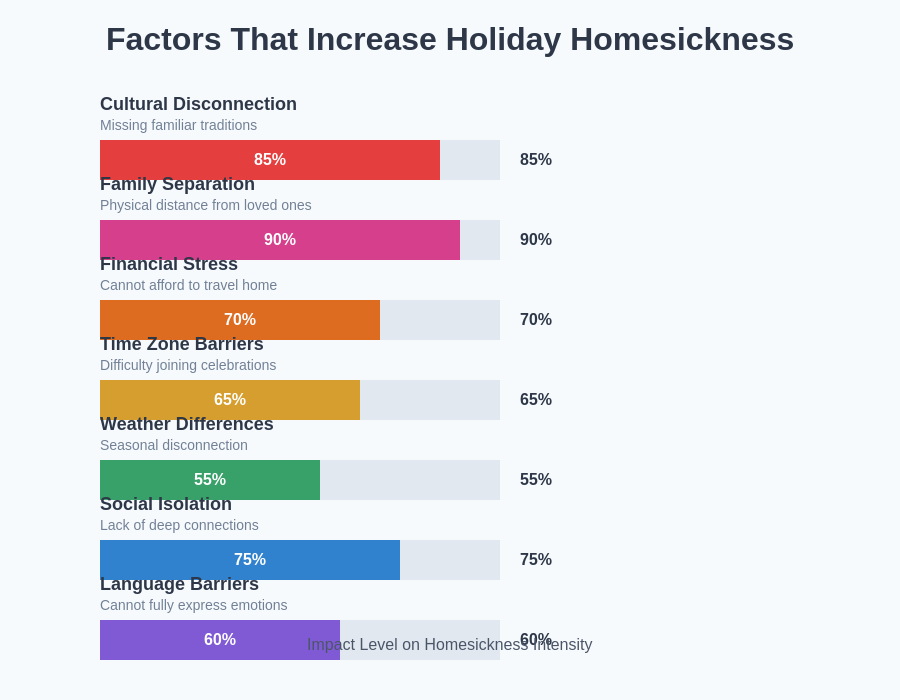
Living in Japan during holiday seasons forces international residents to confront the profound ways that cultural celebrations are embedded in specific geographical, social, and linguistic contexts that cannot be easily transported or recreated in foreign environments. Traditional holiday foods become expensive imports or impossible to source, familiar decorations remain unavailable in local stores, and the atmospheric elements that create holiday magic feel artificial or forced when attempted in isolation.
The Japanese calendar’s different holiday structure creates additional complexity, with unfamiliar celebrations occurring while personally meaningful dates pass largely unrecognized by the surrounding community. How cultural festivals affect house activities examines how this temporal displacement affects daily routines and social interactions within shared living spaces.
Language barriers prevent full participation in local holiday traditions while simultaneously making it difficult to explain or share the significance of personal cultural celebrations with housemates who lack cultural context. This linguistic isolation creates a double exclusion where individuals feel disconnected from both their heritage celebrations and their current community’s festive activities.
Religious and spiritual components of holiday celebrations often prove particularly difficult to maintain, with appropriate spaces, communities, or resources unavailable or inconveniently located. The absence of familiar worship environments, community gatherings, or ceremonial elements strips holidays of their deeper meaning and spiritual significance for many international residents.
Social Isolation in Shared Spaces
Paradoxically, living in sharehouses during holiday seasons can intensify feelings of loneliness despite being surrounded by other residents, as the superficial social connections typical of shared housing rarely provide the emotional depth and understanding needed during vulnerable holiday periods. Housemates may be experiencing their own holiday challenges, creating an environment where everyone is emotionally preoccupied but unable to provide meaningful support to others.
The temporary nature of many sharehouse relationships means that residents often hesitate to burden casual acquaintances with deep emotional needs or holiday sadness, leading to emotional suppression that compounds psychological distress. Making friends through Tokyo sharehouse communities discusses the challenges of building meaningful relationships that can provide genuine holiday support.
Different cultural approaches to emotional expression and sharing personal struggles create additional barriers, with some residents coming from cultures where holiday sadness is openly discussed while others maintain strict emotional privacy even during difficult periods. These communication style differences prevent the formation of support networks that could help residents navigate holiday challenges together.
The competitive or performative aspects of social media use during holidays create pressure to appear happy and well-adjusted, preventing authentic discussions about holiday struggles and reinforcing the isolation experienced by residents who are genuinely struggling with homesickness and cultural displacement.
Financial Stress and Holiday Expenses
Holiday seasons often create significant financial pressure for international residents who face the impossible choice between spending money they cannot afford on flights home or remaining in Japan while dealing with the emotional cost of missing important family celebrations and traditional gatherings. The astronomical cost of international travel during peak holiday periods places homeward trips beyond the reach of most students and entry-level workers.
Gift-giving traditions from home culture clash with limited budgets and expensive international shipping, creating guilt and anxiety about not meeting family expectations or maintaining relationships through traditional holiday expressions of love and appreciation. Living costs in Tokyo sharehouses explained provides context for understanding how holiday expenses compound existing financial pressures.
Currency exchange fluctuations during holiday periods can dramatically increase the real cost of sending money home, purchasing gifts, or booking travel, adding unpredictable financial stress to already emotionally challenging periods. The timing of holiday seasons often coincides with academic or employment breaks that reduce income while increasing expenses.
Local holiday traditions in Japan involve different financial expectations and social obligations that international residents may not understand or budget for, creating additional unexpected expenses during periods when money is already tight and emotions are running high.
Time Zone Challenges and Communication Barriers
The practical difficulties of maintaining connection with family and friends across significant time differences become particularly acute during holiday periods when emotional support and shared experiences matter most. Important family gatherings, religious services, or traditional celebrations often occur at times that conflict with work, study, or sleep schedules in Japan.
Video calls during family holiday meals or celebrations highlight rather than bridge the physical distance, creating painful reminders of absence while requiring residents to perform happiness and engagement when they may be feeling sad or disconnected. How different time zones affect family communication explores these temporal challenges in detail.
The asynchronous nature of holiday communication means that by the time residents can participate in family discussions or celebrations, the emotional peak has passed, leaving them feeling like observers of rather than participants in important family moments. Photos and videos received after events create a documentary-like distance from experiences that should feel immediate and personal.
Weather and Seasonal Affective Patterns
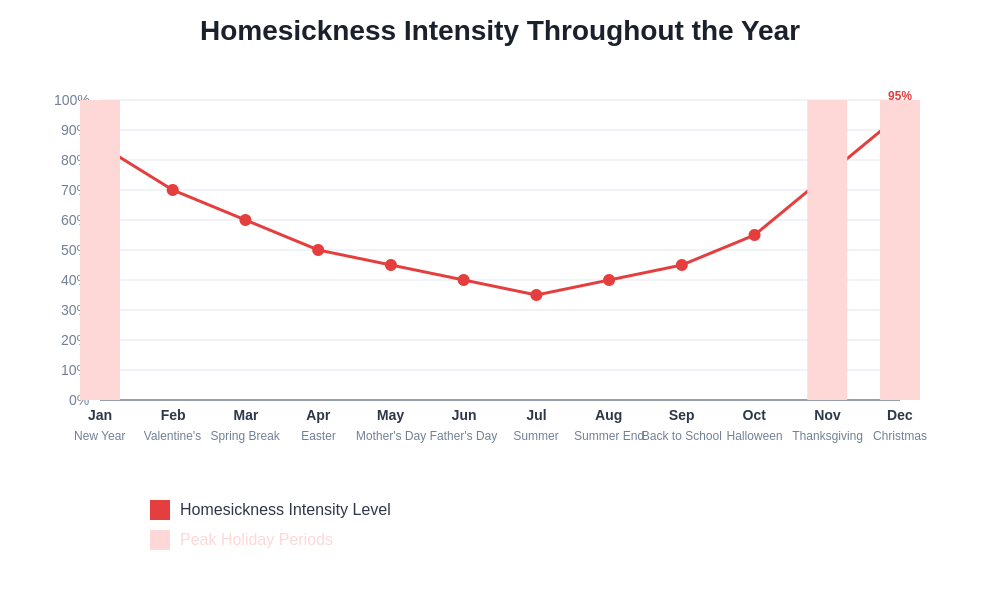
Japan’s distinct seasonal patterns during holiday periods often contrast dramatically with weather conditions that residents associate with their cultural celebrations, creating sensory disconnection that reinforces feelings of displacement and cultural alienation. Christmas celebrated during Japanese winter may feel wrong to residents accustomed to summer celebrations, while spring holidays occurring during rainy season lack the atmospheric elements that make them feel authentic.
Seasonal Affective Disorder compounds holiday homesickness as reduced sunlight during winter months corresponds with major holiday periods, creating a dangerous combination of biological depression and cultural grief that can severely impact mental health and emotional stability. How seasonal depression affects house dynamics examines these interconnected psychological challenges.
The inability to engage in traditional outdoor holiday activities due to different climatic conditions removes another layer of cultural connection and personal celebration, leaving residents feeling that their holidays lack essential elements that made them meaningful and enjoyable in home environments.
Coping Strategies and Community Building
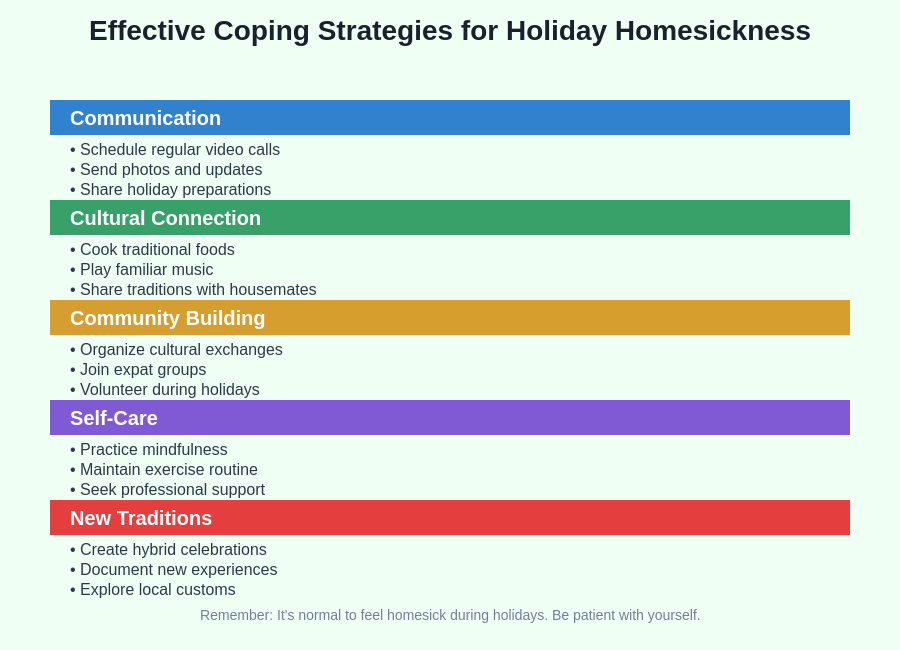
Despite these challenges, international residents can develop effective strategies for managing holiday homesickness while building new traditions that honor their cultural heritage while acknowledging their current circumstances and community. Creating hybrid celebrations that blend home traditions with local customs can provide satisfaction and cultural continuity without requiring impossible authenticity.
Organizing cultural exchange activities within sharehouses allows residents to share their holiday traditions with others while learning about different celebration styles, creating new forms of community connection that can partially fill the emotional void left by family absence. How cultural sensitivity develops through daily interaction discusses building these supportive relationships.
Establishing communication schedules with family that account for time differences and emotional needs helps maintain meaningful connections without creating additional stress or unrealistic expectations about participation in distant celebrations. Regular check-ins focused on emotional support rather than event participation can provide stability during difficult periods.
Seeking professional mental health support through university counseling services, international community organizations, or local mental health resources can provide crucial assistance during particularly difficult holiday periods when community support proves insufficient for managing severe homesickness or depression.
Building New Traditions and Finding Meaning
The process of creating new holiday traditions adapted to current circumstances while honoring cultural heritage requires creativity, flexibility, and self-compassion as residents navigate the balance between maintaining connections to home while embracing their current life situation. How to handle cultural adaptation gradually offers insights into this complex psychological process.
Documenting new holiday experiences through photography, journaling, or creative projects can help create positive associations with current celebrations while providing material for future reflection and family sharing. These records become bridges between current experiences and future family discussions about time spent abroad.
Volunteering during holiday periods provides meaning and community connection while shifting focus from personal absence to contribution and service, often revealing new perspectives on gratitude and celebration that enrich rather than replace traditional holiday meanings.
The recognition that holiday homesickness represents a normal and temporary response to cultural displacement helps residents maintain perspective during difficult periods while working toward integration and adaptation that honors both their heritage and current circumstances. Understanding these emotional patterns as part of the international living experience rather than personal failures creates space for self-compassion and gradual adjustment.
Holiday seasons will likely remain emotionally challenging for international residents, but with proper understanding, support systems, and coping strategies, these periods can also become opportunities for personal growth, cultural learning, and the development of resilience that serves residents throughout their international experiences and beyond.
Disclaimer
This article is for informational purposes only and does not constitute professional mental health advice. Holiday homesickness and seasonal depression can significantly impact mental health and well-being. Readers experiencing severe emotional distress should seek support from qualified mental health professionals, university counseling services, or local mental health organizations. Individual experiences with homesickness vary greatly, and professional guidance may be necessary for developing effective coping strategies.